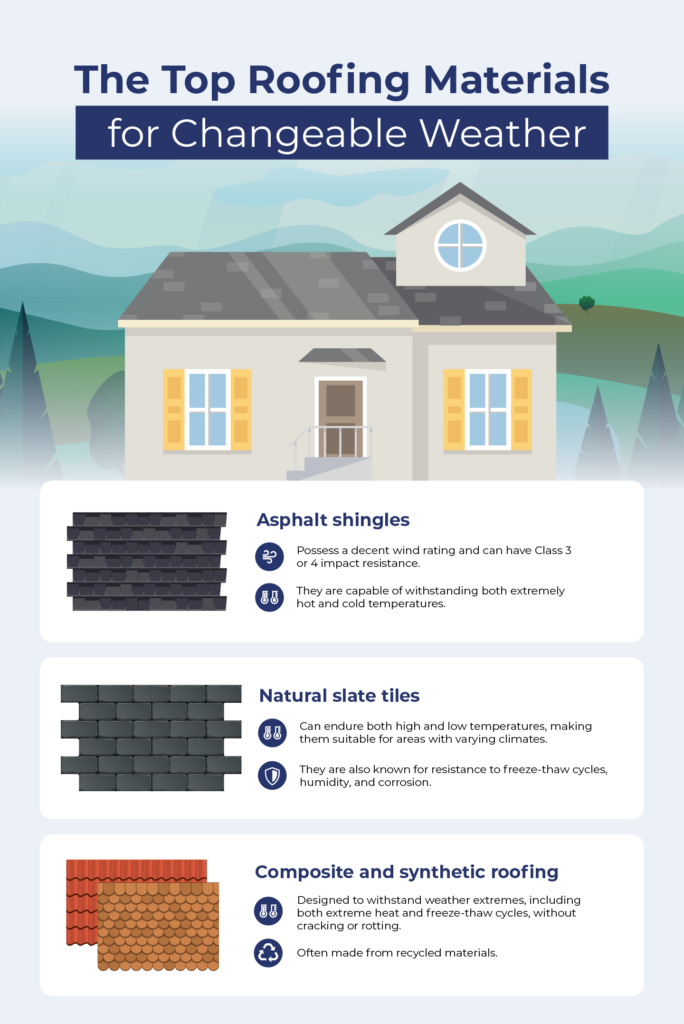
For New Brunswick’s demanding climate, the best roofing materials are those designed for heavy snow loads, freeze-thaw cycles, and coastal humidity—typically metal roofing, asphalt shingles rated for cold climates, or synthetic slate. Metal roofing offers superior durability against snow and ice damming, while properly rated asphalt shingles provide cost-effective performance when installed with adequate underlayment. Avoid organic materials near coastal areas due to accelerated mold and corrosion risks.
- Snow load capacity: Choose materials rated for 2-3 kPa to handle the province’s 200-400 cm annual snowfall
- Thermal flexibility: Select products that withstand 50-60°C seasonal temperature swings without cracking or warping
- Coastal protection: Use corrosion-resistant coatings on metal roofs within 10 km of saltwater exposure
- Moisture management: Prioritize materials with excellent freeze-thaw cycle resistance to prevent ice damage
- Underlayment quality: Invest in high-quality waterproof underlayment regardless of surface material choice
How to Choose the Right Roofing Material for New Brunswick Climate
New Brunswick presents one of Canada’s most demanding climates for residential roofing. If you own property in this Atlantic province, your roof must withstand heavy snowfall, extended freeze-thaw cycles, coastal humidity, and temperature swings that can span 60 degrees Celsius across seasons. This guide helps US-based property owners and real estate investors navigate material selection for New Brunswick conditions, with practical comparison data and cross-border considerations that generic roofing articles overlook.
Understanding New Brunswick Climate Requirements
Before comparing materials, you need to understand what New Brunswick’s climate actually demands from a roof. The province experiences a unique blend of continental and maritime weather patterns that create distinct challenges.
Snow Load and Winter Conditions
Environment Canada climate data shows New Brunswick receives 200-400 centimeters of snowfall annually depending on region, with interior areas like Fredericton seeing heavier accumulation than coastal zones. Snow loads typically reach 2-3 kPa in design specifications, requiring roofs that can bear significant weight without structural compromise. The province also experiences frequent freeze-thaw events throughout winter and spring, with temperatures cycling above and below freezing multiple times each season.
Maritime Humidity and Coastal Exposure
Coastal areas near Saint John and the Bay of Fundy experience humidity levels exceeding 80% during summer months, creating conditions for mold growth and material degradation. Properties within 10 kilometers of saltwater exposure face accelerated corrosion for metal components and increased biological growth on organic materials. Interior properties in areas like Moncton experience more continental conditions with greater temperature extremes but lower average humidity.
Temperature Range
Summer temperatures regularly reach 25-30°C while winter lows dip to -20°C or colder, with interior valleys occasionally dropping below -30°C. This 50-60 degree annual temperature swing causes continuous expansion and contraction in roofing materials, favoring products with high flexibility and strong thermal performance ratings.
Material-by-Material Comparison
Each roofing material offers distinct performance characteristics for New Brunswick conditions. The following comparison focuses specifically on durability, cold-climate performance, and value for Atlantic Canadian applications.
Asphalt Shingles
Asphalt shingles remain the most common roofing material across New Brunswick, accounting for approximately 70% of residential installations according to industry data from the Canadian Roofing Contractors Association.
Pros: Lower upfront cost ranging from CAD $5-8 per square foot installed, wide availability throughout the province, and good performance when rated for cold climates. Look for shingles with a minimum Class 4 impact resistance rating, which indicates better durability against ice impact and thermal cycling. Modern architectural shingles (laminated styles) outperform traditional three-tab products in wind resistance, important for areas experiencing Atlantic storms.
Cons: Lifespan typically 15-25 years in New Brunswick conditions, shorter than premium alternatives. Freeze-thaw cycles cause granule loss and eventual degradation. Shingles are also vulnerable to ice dam damage without proper underlayment installation.
Suggested read: Choose the Best Roofing Material for Your New Brunswick Home
Maintenance: Annual inspections recommended, with attention to flashing around chimneys and roof valleys. Remove debris promptly and check for lifted edges after major storms.
Metal Roofing
Metal roofing has gained significant market share in New Brunswick over the past decade, driven by superior longevity and winter performance characteristics.
Pros: Exceptional durability spanning 40-70 years with proper installation. Metal panels shed snow efficiently, reducing dangerous ice dam formation and sudden snow slides. Standing seam designs with concealed fasteners offer superior weather resistance for coastal applications. Many metal roofing systems carry 40-50 year warranties and maintain their appearance despite freeze-thaw exposure.
Cons: Higher initial investment of CAD $12-20 per square foot installed. Installation requires experienced contractors familiar with proper fastening patterns and thermal movement accommodation. Standing water on flat installations can cause premature coating failure.
Maintenance: Minimal ongoing maintenance required. Inspect connections and sealant points every 5-7 years. Coastal properties should check for coating damage from salt air exposure.
Cedar Shakes and Shingles
Cedar roofing offers natural aesthetics that appeal to property owners seeking a traditional appearance, but New Brunswick conditions create significant performance challenges.
Pros: Natural insulating properties and distinctive appearance. Cedar performs reasonably well in freeze-thaw conditions when properly treated and maintained.
Cons: High maintenance requirements in humid New Brunswick climate. Untreated cedar absorbs moisture readily, leading to mold growth, rot, and curling. Even treated cedar typically requires replacement every 20-30 years in coastal or heavily forested areas. Cedar also presents fire hazards in wildfire-prone rural zones.
Maintenance: Annual cleaning to remove moss and debris, with treatment applications every 3-5 years. Properties in heavily treed areas require more frequent attention.
Slate Roofing
Slate represents the premium end of roofing materials, offering exceptional longevity and natural beauty that appeals to owners of historic or high-value properties.
Pros: Lifespan exceeding 75-100 years when properly installed. Slate resists freeze-thaw damage exceptionally well, and its natural density prevents water absorption. No organic material means no mold or rot concerns. Premium slate products carry 50-75 year warranties.
Suggested read: New Brunswick roofing contractor: How to Choose a Reliable Roofin
Cons: Highest upfront cost at CAD $25-40 per square foot installed. Weight requires structural reinforcement in many properties, adding to overall project cost. Installation demands specialized contractors with slate-specific training, limiting contractor availability in New Brunswick.
Maintenance: Inspections every 3-5 years for cracked or slipped tiles. Replacement of individual slates as needed, though finding matching material decades later can prove challenging.
Composite and Synthetic Materials
Synthetic roofing products have emerged as alternatives offering slate or cedar aesthetics with improved performance characteristics and lower weight.
Pros: Lightweight construction reduces structural requirements. Many synthetic products carry 50-year warranties and resist impact, moisture, and UV exposure effectively. Consistent quality and appearance across batches.
Cons: Quality varies significantly between manufacturers. Some products may fade or become brittle over time in extreme temperature conditions. Long-term performance data for New Brunswick-specific applications remains limited compared to traditional materials.
Maintenance: Manufacturer-dependent requirements, generally minimal for quality products.
Climate-Specific Installation Considerations
Ice Dam Prevention
Ice dams represent one of New Brunswick’s most damaging roofing concerns. Warm air escaping through inadequate attic insulation melts snow on roof surfaces, which refreezes at cold eaves and creates ice dams that force water under shingles. Prevention requires a combination of strategies: proper attic insulation maintaining R-value of R50 or higher, continuous ventilation keeping roof deck temperature consistent with exterior conditions, and ice and water shield membrane installed along eaves and in valleys before shingle installation.
Underlayment Selection
Standard asphalt-saturated felt underlayment suffices for many applications, but New Brunswick conditions often justify premium synthetic underlayment or rubberized ice and water shield products in vulnerable areas. For coastal properties, choose underlayments with enhanced moisture resistance and mold inhibitors.
Ventilation Requirements
Proper roof ventilation extends material lifespan significantly in New Brunswick’s variable climate. The National Building Code of Canada specifies minimum ventilation requirements, typically requiring 1 square foot of net free ventilation area per 300 square feet of attic floor space, split between intake and exhaust. Balanced systems with both soffit and ridge ventilation perform best in the province’s conditions.
Installation Timing
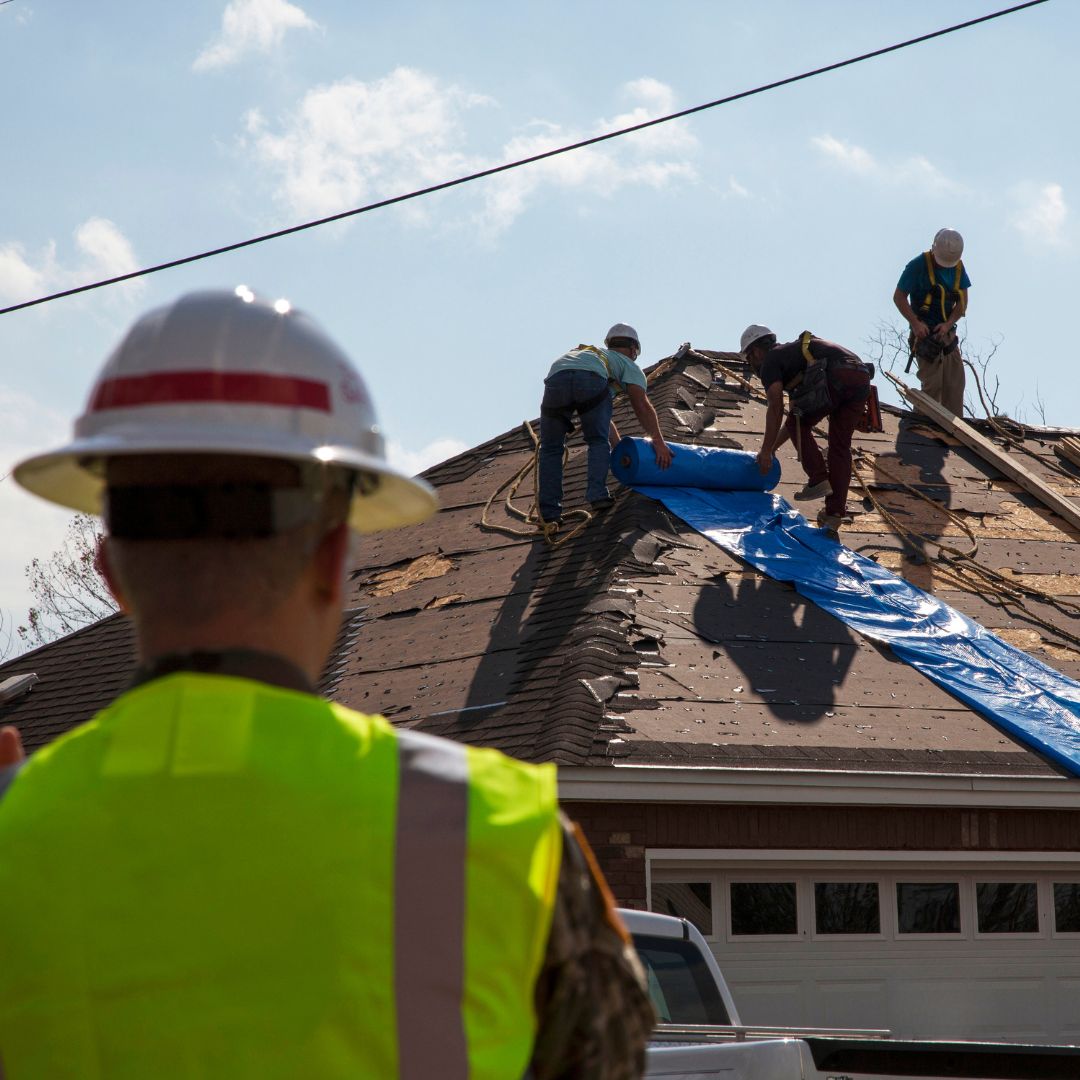
Roofing installation in New Brunswick works best during late spring through early fall, roughly May through September. Extreme cold below -10°C causes shingles to crack during installation and prevents proper sealing of adhesive strips. Summer installations during intense heat create worker safety concerns and can cause shingles to seal improperly due to excessive softening. US property owners managing remote projects should plan material delivery and contractor scheduling accordingly.
Cost Analysis and Long-Term Value
Initial cost represents only part of the roofing investment. Consider lifecycle costs including maintenance, replacement frequency, and energy implications when evaluating materials.
Suggested read: Emergency Locksmith Services: How to Choose the Right Professional for Your Urgent Lock Needs
30-Year Cost Comparison (per square foot of roof area):
- Asphalt shingles: CAD $7-12 total (2 replacements at $5-8/sq ft each, plus maintenance)
- Metal roofing: CAD $15-25 total (single installation with minimal maintenance)
- Cedar shakes: CAD $15-30 total (1-2 replacements plus ongoing treatment costs)
- Slate: CAD $30-50 total (single installation, minimal maintenance)
Energy efficiency implications vary by material. Metal roofs reflect solar radiation effectively, reducing cooling costs during New Brunswick summers. Dark asphalt shingles absorb heat, potentially increasing attic temperatures, though this provides modest winter heating benefits. Proper insulation and ventilation matter more than surface material for overall energy performance.
US property owners should note that New Brunswick installation costs typically run 15-20% higher than equivalent US markets due to shipping costs for materials, smaller contractor market, and higher labor costs in the Canadian market. Budget accordingly when planning cross-border projects.
Practical Guidance for US Property Owners
Contractor Selection
Hiring locally licensed New Brunswick contractors is strongly recommended over attempting to use US-based roofing companies. Canadian building codes differ significantly from US standards, and local contractors understand regional climate requirements, material availability, and municipal permit processes. Verify contractor credentials through the New Brunswick Branch of the Canadian Roofing Contractors Association or provincial licensing authorities.
Request proof of commercial liability insurance and workers’ compensation coverage specific to Canadian requirements. US insurance policies generally do not satisfy Canadian workplace safety requirements.
Building Permits
Most New Brunswick municipalities require building permits for roof replacements. Contact the building department in the specific municipality—Moncton, Saint John, Fredericton, or smaller communities—for current requirements, fee schedules, and inspection requirements. Permit applications typically require contractor information, material specifications, and sometimes engineering calculations for structural modifications.
Cross-Border Logistics
Budget for currency conversion when comparing quotes. Materials sourced from Canadian distributors will be priced in Canadian dollars, while US contractors may quote in USD but import materials at fluctuating rates. Factor in potential delays for specialized materials requiring cross-border shipping. Building timelines in New Brunswick may extend beyond typical US expectations due to smaller contractor markets and weather-related scheduling constraints.
Frequently Asked Questions
What is the best roofing material for New Brunswick’s snowy winters?
Metal roofing and properly installed asphalt shingles rated for cold climates perform best in New Brunswick’s heavy snowfall. Metal panels shed snow efficiently, reducing ice dam formation and the hazard of sudden snow slides. Architectural asphalt shingles with Class 4 impact ratings offer good performance at lower cost when combined with proper underlayment and ventilation systems.
Do I need special permits for roofing in New Brunswick?
Yes, most New Brunswick municipalities require building permits for roof replacements. Requirements vary by municipality and scope of work—minor repairs may not require permits while full replacements typically do. Contact the local building department in your specific city or town for current requirements and fee schedules before beginning work.
How do freeze-thaw cycles affect roofing materials?
Freeze-thaw cycles cause materials to expand when frozen and contract when thawed, creating ongoing stress that cracks shingles, dislodges fasteners, and damages underlayment over time. Materials with high flexibility and proper installation techniques—including ice and water shield protection at vulnerable points—resist this damage better. This cycle occurs frequently in New Brunswick during winter thaws and spring shoulder seasons.
What should I budget for a roof in New Brunswick?
Costs vary significantly by material: asphalt shingles range from CAD $5-8 per square foot installed, metal roofing from CAD $12-20 per square foot, and slate from CAD $25-40 per square foot. Expect overall project costs to run 15-20% higher than equivalent US installations due to import logistics and smaller market conditions. Budget additional funds for potential structural reinforcement if switching to heavier materials.
Suggested read: roofing repair process New Brunswick pros: What to Expect During
Can I use a US roofing contractor for my New Brunswick property?
Using US contractors for Canadian properties creates significant liability and compliance issues. Canadian building codes differ from US standards, and workers’ compensation requirements vary by jurisdiction. US contractors working in Canada without proper licensing may void material warranties and create insurance complications. Hiring locally licensed New Brunswick contractors familiar with Canadian standards and regional climate requirements is strongly recommended.
Conclusion
Selecting roofing material for New Brunswick properties requires balancing climate resilience, long-term value, and practical constraints unique to cross-border property management. For most US property owners, architectural asphalt shingles with proper cold-climate ratings and premium underlayment offer the best combination of upfront affordability and adequate performance. Properties in heavy snowfall zones, coastal areas, or long-term holdings may justify metal roofing’s higher initial investment for superior durability and reduced maintenance. Avoid cedar roofing in New Brunswick’s humid climate unless you’re committed to intensive maintenance schedules.
Regardless of material choice, prioritize proper installation by locally experienced contractors, compliance with Canadian building codes, and climate-appropriate ventilation and underlayment systems. These foundational elements matter more for long-term performance than surface material selection. When in doubt, consult with a licensed New Brunswick roofing contractor who understands the province’s specific climate challenges and can tailor recommendations to your property’s exposure and structure.
Sources & References
- Source: Canadian Climate Normals 1981-2010 – New Brunswick Stations (government)
Official Environment Canada climate data showing annual snowfall amounts (200-400 cm), temperature ranges, and seasonal patterns for New Brunswick regions including Fredericton, Moncton, and Saint John. [verified topical overlap: new, brunswick, climate] - Source: Metal Roofing Alliance: Cold Climate Performance (industry)
Technical resources on metal roofing performance in heavy snow, ice dam resistance, and thermal cycling durability. [verified topical overlap: roofing, climate]