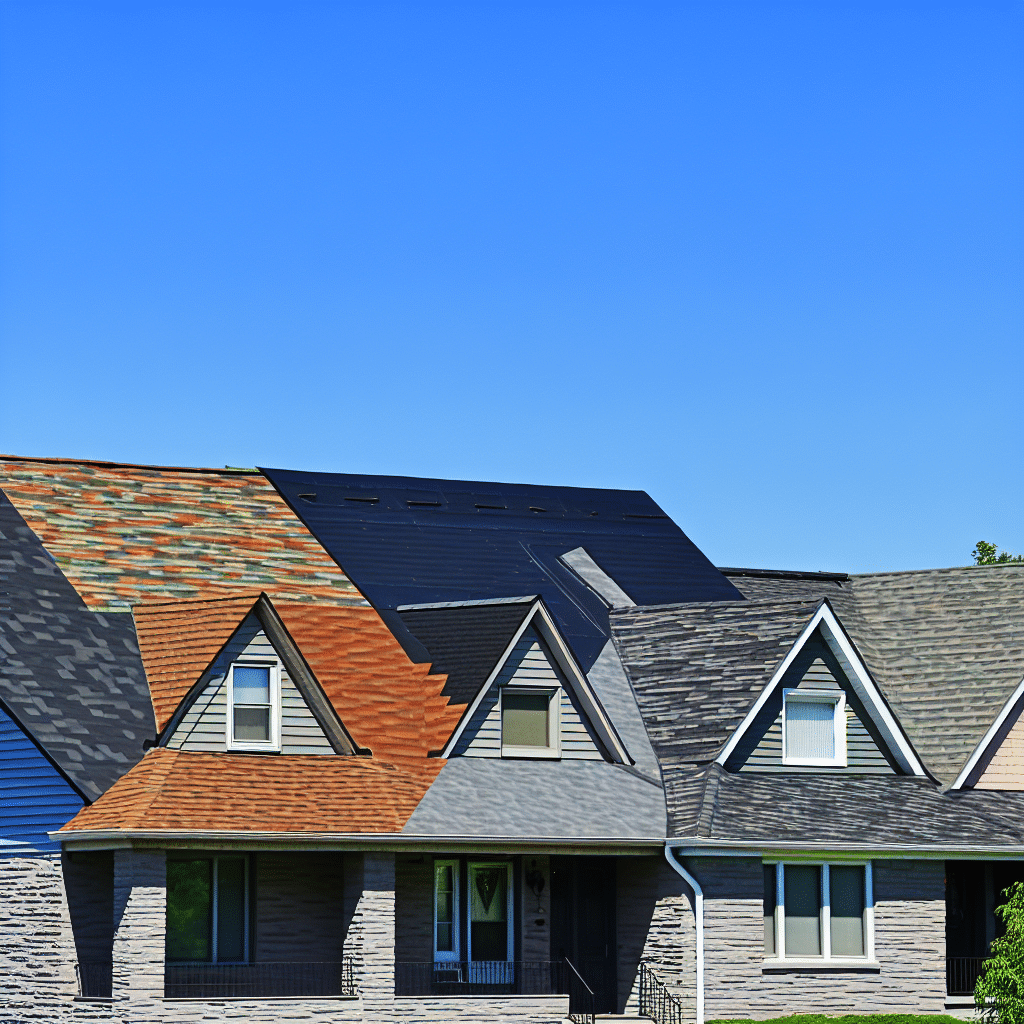
Complete Guide to Roof Repair and Installation in New Brunswick: Materials, Costs, and Weather Considerations
New Brunswick, New Jersey, presents a unique set of challenges for homeowners when it comes to roofing. The local climate, with its freeze-thaw cycles, heavy snowfall, and humid summers, can accelerate wear and tear on your roof. This guide provides a comprehensive overview of roof repair and installation in New Brunswick, covering materials, costs, weather considerations, and how to find a reliable contractor. Whether you’re dealing with a leak or planning a full replacement, this information will help you make informed decisions.
Why New Brunswick Roofs Need Special Attention
New Brunswick’s weather is a significant factor in roofing decisions. The region experiences a humid continental climate, characterized by cold, snowy winters and warm, humid summers. The frequent freeze-thaw cycles, where temperatures fluctuate above and below freezing, can cause ice dams and expansion and contraction of roofing materials. This leads to shingle cracking, flashing damage, and leaks. Understanding these local conditions is the first step in choosing the right materials and installation methods for your home.
Roofing Materials: Asphalt, Metal, and Slate
Asphalt Shingles
Asphalt shingles are the most common roofing material in New Brunswick due to their affordability and ease of installation. They come in two main types: three-tab and architectural (dimensional). Architectural shingles are thicker and more durable, offering better resistance to wind and impact. Asphalt shingles typically last 20 to 30 years, according to industry standards from the National Roofing Contractors Association (NRCA). They are a good choice for many homes but can be vulnerable to ice dams if not properly ventilated.
Metal Roofing
Metal roofing is gaining popularity in New Brunswick for its durability and longevity. It can last 40 to 70 years and is highly resistant to snow, ice, and wind. Metal roofs shed snow easily, reducing the risk of ice dams. They are also energy-efficient, reflecting solar heat to keep your home cooler in summer. However, metal roofing is more expensive than asphalt and requires professional installation to ensure proper sealing and fastening.
Slate Roofing
Slate is a premium natural stone roofing material that offers exceptional longevity, often exceeding 75 years. It is fire-resistant and withstands extreme weather conditions well. Slate is a beautiful, high-end option but comes with a high cost and requires a strong roof structure to support its weight. Installation is specialized and should only be done by experienced contractors. It is not suitable for all homes due to structural requirements.
Cost Breakdown: Repair vs. Installation by Material
Roofing costs in New Brunswick vary based on material, roof size, complexity, and labor rates. The following table provides typical cost ranges for a standard 2,000 square foot home. These are estimates based on regional data from sources like HomeAdvisor and Angi. Always obtain multiple quotes for your specific project.
| Material | Repair Cost (per sq ft) | Full Replacement Cost (per sq ft) | Total Replacement Cost (2,000 sq ft home) | Lifespan |
|---|---|---|---|---|
| Asphalt Shingles | $3 – $6 | $5 – $8 | $5,000 – $12,000 | 20-30 years |
| Metal Roofing | $5 – $10 | $8 – $15 | $8,000 – $20,000 | 40-70 years |
| Slate Roofing | $8 – $15 | $15 – $25 | $15,000 – $35,000 | 75+ years |
Repair costs depend on the extent of damage. Minor repairs like replacing a few shingles can cost $200–$500, while fixing a leak caused by ice dams might run $500–$1,500. Full replacements include tear-off of old roofing, underlayment, flashing, and installation of new materials.
Weather Considerations: Snow Load, Ice Dams, and Humidity
Snow Load
New Brunswick experiences significant snowfall, and the weight of accumulated snow, known as snow load, can stress your roof. The New Brunswick building code specifies minimum snow load requirements for new construction and replacements. A professional contractor will ensure your roof is designed to handle local snow loads. Signs of excessive snow load include sagging, creaking, or visible stress on the roof structure.
Ice Dams
Ice dams form when heat from the attic melts snow on the roof, which then refreezes at the eaves. They block drainage and can cause water to back up under shingles, leading to leaks and damage. Proper attic insulation and ventilation are critical to preventing ice dams. The Insurance Institute for Business & Home Safety (IBHS) recommends ensuring your attic is well-sealed and insulated to minimize heat loss.
Humidity and Summer Heat
New Brunswick’s humid summers can promote mold and mildew growth on roofs, especially in shaded areas. Good ventilation helps reduce moisture buildup. Dark-colored shingles absorb more heat, which can increase cooling costs. Energy Star recommends cool roof options, such as lighter-colored or reflective materials, to improve energy efficiency. Some energy-efficient roofing may qualify for federal tax credits or local incentives.
Suggested read: New Brunswick Pros Roofing Repair and Install: Your Complete Guide
Hiring a Contractor: Licensing, Insurance, and Local Vetting
Finding a reliable roofing contractor in New Brunswick is crucial. Follow these steps to vet potential contractors:
- Verify Licensing: Check with the New Jersey Division of Consumer Affairs to ensure the contractor holds a valid Home Improvement Contractor license. This is a legal requirement.
- Check Insurance: Require proof of general liability insurance and workers’ compensation coverage. This protects you from liability if an accident occurs on your property.
- Get Multiple Quotes: Obtain at least three written estimates from different contractors. Compare scope of work, materials, warranties, and timelines.
- Ask for References: Request local references and follow up with them. Ask about the quality of work, adherence to schedule, and cleanup.
- Review the Contract: Ensure the contract includes a detailed description of work, materials, payment schedule, and warranty information. Never sign a blank contract or pay the full amount upfront.
- Check for Local Experience: Choose a contractor familiar with New Brunswick’s climate and building codes. They should be able to explain how they handle ice dams and snow loads.
Permits and Codes: What You Need to Know in New Brunswick
Most roof replacements and major repairs in New Brunswick require a permit from the New Brunswick Building Department. Minor repairs, such as replacing a few shingles, may not need a permit, but it’s best to check with the department to be sure. A permit ensures the work meets local building codes, including snow load requirements and fire safety standards. The contractor should handle the permit application, but you can verify it is obtained. Failing to get a permit can lead to fines and issues when selling your home.
DIY vs. Professional: When to Call a Pro
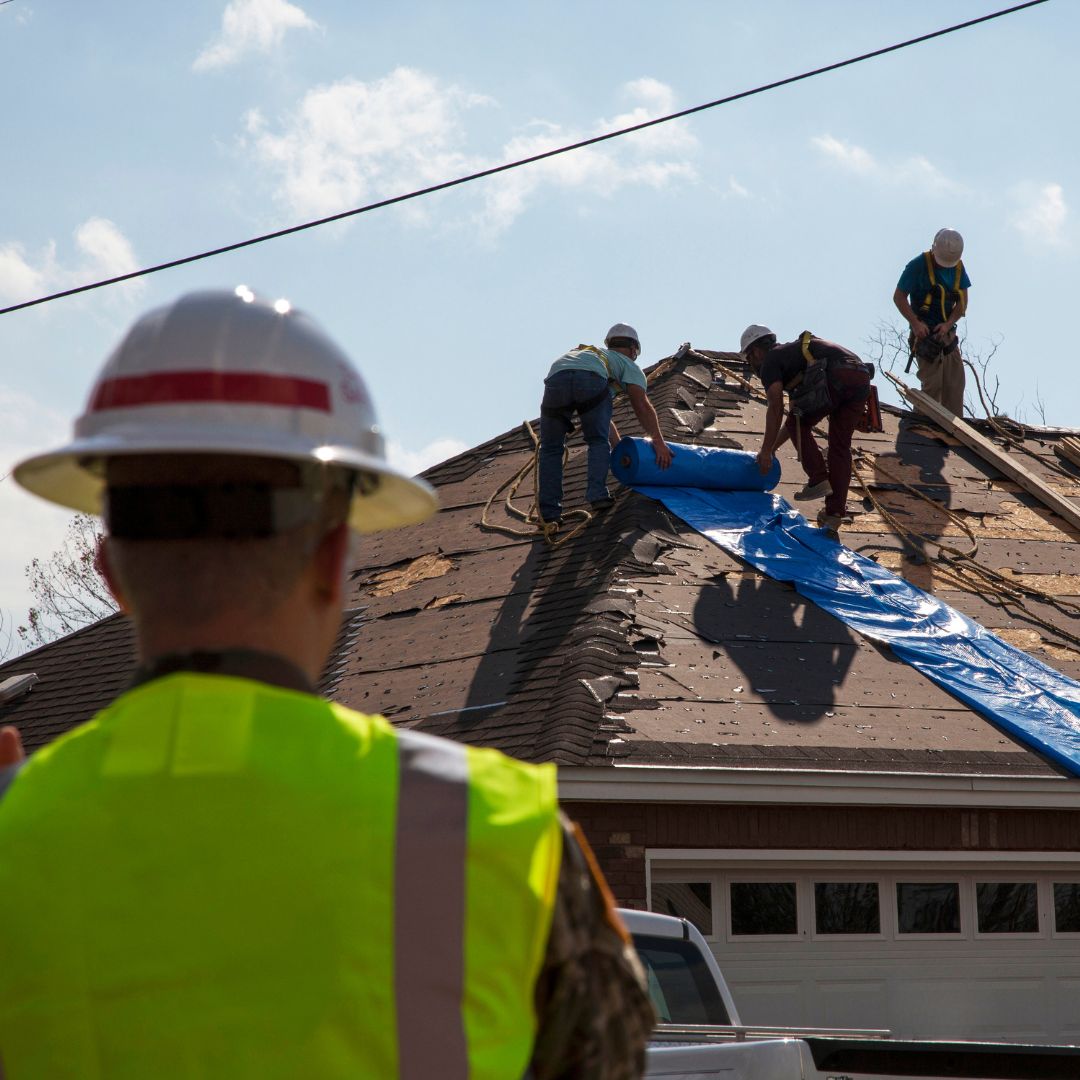
While some homeowners might consider DIY roof repairs, most roofing work is best left to professionals. Safety is a primary concern—roof work involves heights and risks of falls. Professionals have the training, equipment, and insurance to handle these risks. Additionally, improper repairs can void warranties or cause further damage. For minor tasks like cleaning gutters or replacing a single shingle, a handy homeowner might manage, but for any significant repair or full replacement, hiring a licensed contractor is strongly recommended.
Maintenance Tips for Longevity
Regular maintenance can extend the life of your roof and prevent costly repairs. Here are key tips for New Brunswick homeowners:
- Inspect Twice a Year: Check your roof in spring and fall for damaged or missing shingles, cracks, or signs of wear.
- Clean Gutters: Remove leaves and debris from gutters and downspouts to ensure proper drainage and prevent ice dams.
- Check for Leaks: Look for water stains on ceilings or walls, which may indicate a roof leak. Address leaks promptly.
- Trim Overhanging Branches: Tree branches can scrape shingles and drop debris. Trim them back to prevent damage.
- Ensure Attic Ventilation: Proper ventilation reduces heat and moisture buildup, which can cause shingle deterioration and ice dams.
- Remove Snow: After heavy snowfalls, consider using a roof rake to remove excess snow from the edges to reduce ice dam risk. Avoid walking on the roof in winter.
FAQ: Common Roofing Questions for New Brunswick Homeowners
What is the average cost to replace a roof in New Brunswick?
Costs vary by material and size, but typical ranges are $5,000–$12,000 for asphalt shingles, $8,000–$20,000 for metal, and $15,000–$35,000 for slate on a standard 2,000 sq ft home.
Do I need a permit for roof repair in New Brunswick?
Yes, most repairs involving structural changes or full replacement require a permit from the New Brunswick Building Department. Minor repairs may not, but it’s best to check.
How does freeze-thaw cycling affect my roof?
Freeze-thaw cycles cause ice dams and expansion/contraction, leading to shingle cracking and flashing damage. Proper ventilation and underlayment are critical.
What roofing material lasts longest in New Brunswick’s climate?
Metal and slate offer the longest lifespans (40–70 years) and resist snow and ice well, but asphalt shingles are more affordable and common.
How can I find a licensed roofing contractor in New Brunswick?
Verify licensing via the New Jersey Division of Consumer Affairs, check insurance, ask for local references, and compare at least three quotes.
Conclusion: Key Takeaways and Next Steps
New Brunswick’s climate demands careful consideration when repairing or installing a roof. Asphalt shingles are a cost-effective choice for many homes, while metal and slate offer superior longevity and weather resistance. Costs vary significantly by material, so get multiple quotes and factor in long-term value. Always hire a licensed, insured contractor familiar with local building codes and weather challenges. Regular maintenance, including gutter cleaning and attic ventilation, will help your roof last longer. For your next step, start by scheduling a professional inspection to assess your roof’s condition and get a clear plan for any needed work. Contact a local, licensed contractor today to get started.
Sources & References
- Source: New Jersey Building Code – Snow Load Requirements (official)
State building code sets minimum snow load standards for roofs in New Brunswick, supporting the snow load discussion. - Source: Energy Star – Cool Roof Options (official)
Official government program endorsing reflective roofing materials to reduce cooling costs, relevant to humidity and summer heat advice. - Source: Insurance Institute for Business & Home Safety (IBHS) – Ice Dam Prevention (research)
Recommends attic insulation and ventilation to prevent ice dams, directly supporting the weather considerations section. - Source: National Roofing Contractors Association (NRCA) – Asphalt Shingle Standards (industry)
Provides industry standards for asphalt shingle lifespan and installation practices mentioned in the article. - Source: City of New Brunswick – Climate and Weather Data (official)
Official municipal site likely provides local climate details; homepage listed as specific page may need verification. - Source: Angi (formerly Angie's List) – Roofing Cost Data (industry)
Provides cost ranges for roofing projects, used as a reference for the article's cost estimates. - Source: HomeAdvisor – Roof Repair & Replacement Cost Guide (industry)
Offers regional cost estimates for roofing repairs and replacements, supporting the cost breakdown table.