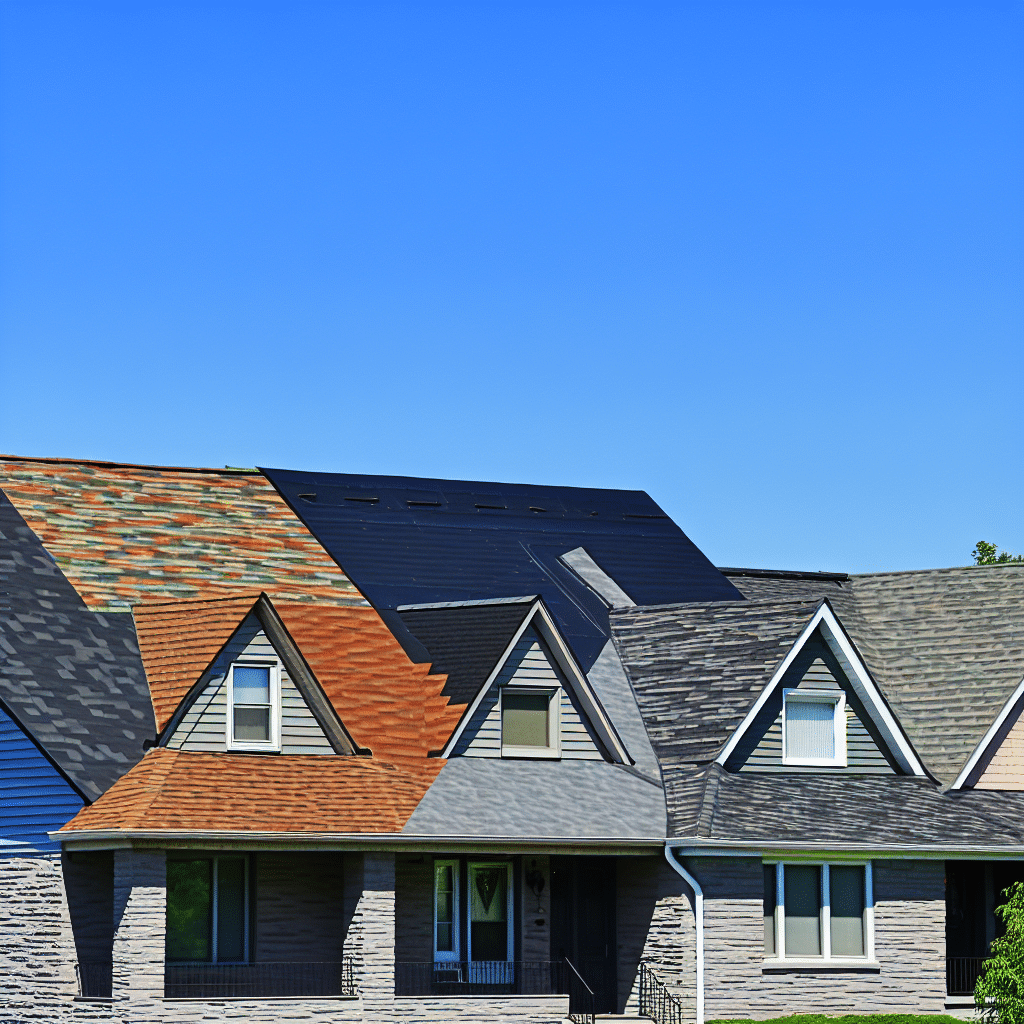
How to Choose the Right Roofing Material with New Brunswick Pros
Choosing the right roofing material ranks among the most significant decisions you’ll make for your property. Your roof protects everything beneath it, and the material you select affects energy costs, maintenance requirements, and your home’s resale value for decades to come. For property owners in the New Brunswick area—whether in New Brunswick, Canada, or New Brunswick, New Jersey—understanding how regional climate, local building codes, and contractor availability intersect with material options ensures you make an investment that stands the test of time.
This guide walks you through climate-specific considerations, material comparisons, and professional vetting strategies that help New Brunswick homeowners and property managers make confident roofing decisions.
Key Takeaways: Climate suitability matters more than aesthetics. Metal and slate offer the longest lifespans for New Brunswick weather patterns. Always verify contractor credentials before signing contracts. Multiple written estimates protect your interests.
Understanding New Brunswick Climate and Its Impact on Roofing
Before examining specific materials, you need to understand how your region’s weather shapes roofing performance. New Brunswick experiences four distinct seasons with considerable variation between its Canadian and American counterparts.
Seasonal Temperature Variations
New Brunswick, Canada faces cold winters with temperatures frequently dropping below freezing and significant snowfall accumulation. New Brunswick, New Jersey experiences milder winters but still endures freeze-thaw cycles that stress roofing materials. Both regions see hot, humid summers that test material UV resistance and ventilation systems.
These temperature swings cause materials to expand and contract continuously. Materials lacking flexibility or proper installation suffer premature cracking, splitting, or fastener failure. Your roofing choice must accommodate this thermal cycling without degrading.
Precipitation Patterns
Both regions receive substantial annual precipitation, though the Canadian province averages higher snowfall totals. Heavy rain, snow accumulation, and ice dam formation all threaten roof integrity. Materials must shed water effectively and resist moisture penetration through joints and flashing points.
UV Exposure Considerations
Summer UV levels stress roofing surfaces, causing oxidation in some materials and thermal heating that increases cooling costs. Light-colored or reflective materials offer advantages in combatting heat gain.
Wind and Storm Resilience
Nor’easters and summer thunderstorms bring high winds that test roof assemblies. Building codes in both regions specify wind resistance requirements that vary by roof zone and building height. Your material selection and installation method must meet or exceed these local requirements.
Popular Roofing Materials: Pros and Cons
Each roofing material offers distinct advantages and limitations. Understanding these helps you weigh options against your specific priorities.
Suggested read: How to Choose the Right Roofing Material for New Brunswick Climate
Asphalt Shingles
Asphalt shingles dominate residential roofing across North America, accounting for roughly 80% of steep-slope installations according to industry data. Three-tab shingles offer economical protection with 15-20 year lifespans, while architectural shingles provide enhanced durability and visual depth with 25-30 year expected service lives.
Pros: Affordable upfront cost, wide availability, numerous color options, straightforward installation for qualified contractors, repairable if damage occurs.
Cons: Shorter lifespan than premium alternatives, susceptible to wind damage at edges, organic varieties prone to algae in humid conditions, moderate energy efficiency.
Metal Roofing
Metal roofing spans standing seam panels, interlocking shingles, and stone-coated systems. Aluminum, steel, and copper options serve residential and commercial applications. The Metal Roofing Alliance reports properly installed metal roofs lasting 40-70 years.
Pros: Exceptional longevity, excellent wind resistance, fire resistance, reflective properties reduce cooling costs, recyclable at end of life, sheds snow effectively preventing ice dams.
Cons: Higher upfront investment, requires specialized installation expertise, potential for denting from hail, noise during rain or hail without proper underlayment, expansion and contraction require flexible fastening systems.
Slate Roofing
Natural slate offers unmatched aesthetic appeal and remarkable durability, with some historic installations exceeding 150 years. It’s quarried primarily in Vermont, Pennsylvania, and Canada.
Pros: Extraordinary lifespan, fireproof, resists mold and algae, maintains color stability, adds distinctive character to historic or high-end homes.
Cons: Significant weight requires structural assessment and potential reinforcement, brittle nature makes walking hazardous, expensive material and installation costs, requires highly skilled installers, limited repair options if damaged.
Cedar and Shake Roofing
Cedar offers natural beauty and insulation value, developing a silver-gray patina over time. Shake refers to thicker, hand-split pieces while shingle denotes sawn material.
Pros: Natural aesthetic appeal, excellent insulation properties, lightweight, sustainable material when sourced from managed forests.
Suggested read: Emergency Locksmith Services: How to Choose the Right Professional for Your Urgent Lock Needs
Cons: Requires regular maintenance including cleaning and treating, susceptible to moisture, moss, and algae in humid climates, fire hazard without treatment, attracts insects, shorter lifespan than alternatives in harsh climates, higher maintenance costs.
Composite and Synthetic Materials
Modern composite materials—often made from recycled plastics and rubber—mimic natural materials while offering enhanced performance. Manufacturers like GAF and CertainTeed produce lines with 50-year warranties.
Pros: Lightweight, durable, fire-resistant options available, low maintenance, variety of styles, often made from recycled content.
Cons: Quality varies significantly between manufacturers, relatively newer products with limited long-term track records, some products fade or become brittle over time, higher cost than basic asphalt.
EPDM and TPO (Commercial Focus)
Single-ply membrane systems dominate flat and low-slope commercial roofing. EPDM (ethylene propylene diene monomer) is a rubber membrane, while TPO (thermoplastic polyolefin) combines rubber and plastic properties.
Pros: Excellent waterproofing for flat roofs, relatively easy to install and repair, energy-efficient white options available, long warranties.
Cons: Primarily for flat or low-slope applications, requires professional installation, potential for punctures, seam failures, and ponding water issues.
Material Comparison: Cost, Lifespan, and Maintenance
The following comparison matrix synthesizes key factors to guide your decision. These ranges reflect typical costs in the New Brunswick region and may vary based on material grade, roof complexity, and market conditions.
| Material | Upfront Cost | Lifespan | Maintenance | Climate Rating | Energy Efficiency |
|---|---|---|---|---|---|
| Asphalt (3-tab) | $3–$5/sq ft | 15–20 years | Low | Good | Moderate |
| Asphalt (architectural) | $5–$8/sq ft | 25–30 years | Low | Good | Moderate |
| Metal | $10–$25/sq ft | 40–70 years | Very Low | Excellent | High (reflective) |
| Slate | $15–$30/sq ft | 75–150 years | Low | Excellent | Moderate |
| Cedar/Shake | $8–$14/sq ft | 20–40 years | High | Moderate | Good |
| Composite | $8–$15/sq ft | 30–50 years | Low | Good | Varies |
These cost ranges include materials only. Installation typically adds $5–$10 per square foot depending on complexity and local labor rates. Always request itemized estimates from contractors that separate material and labor costs.
Key Factors in Your Material Selection
Beyond climate suitability, several personal factors should shape your final decision.
Budget Constraints and Long-Term Value
Calculate total cost of ownership rather than focusing solely on upfront expenses. A metal roof costs more initially but may require no replacement for 50+ years, potentially offering better value despite higher initial investment. Factor in maintenance costs, expected lifespan, and potential energy savings.
Suggested read: New Brunswick Pros Roofing Repair and Install: Your Complete Guide
Aesthetic Preferences and Home Style
Your roof comprises a significant visual portion of your property. Traditional homes often suit asphalt or slate, while contemporary designs may call for metal or composite materials. Some municipalities or HOA agreements restrict material options—verify any exterior appearance guidelines before finalizing your choice.
Energy Efficiency Goals
Cool roofing options with high solar reflectance reduce heat absorption, lowering cooling costs during New Brunswick’s warm summers. Metal roofing with reflective coatings and light-colored asphalt shingles both offer energy advantages. The Canada Mortgage and Housing Corporation provides guidance on energy-efficient roofing options for Canadian properties.
Existing Structure Requirements
Your roof deck and framing have weight capacity limits. Slate and concrete tiles require structural reinforcement in most cases. An assessment by a qualified contractor identifies any necessary upgrades before material installation.
HOA or Municipal Restrictions
Check with your homeowners association and local building department for approved materials and colors. New construction and renovation permits may require aesthetic conformity with neighborhood standards.
Finding and Vetting Qualified New Brunswick Roofing Professionals
The best material selection fails without proper installation. Your contractor determines long-term performance more than the product itself in many cases.
Licensing Verification
In New Brunswick, Canada, roofing contractors should hold valid provincial business licenses. New Jersey contractors need state home improvement contractor registration. Request license numbers and verify independently through the appropriate licensing authority—never rely solely on contractor-provided documentation.
Insurance Requirements
Your contractor must carry both general liability insurance (minimum $1 million recommended) and workers’ compensation coverage. Request certificates of insurance directly from their carrier to confirm current coverage. Without proper insurance, you assume liability for workplace injuries and property damage.
Local References and Reviews
Ask for references from projects completed within the past two years in your immediate area. Follow up by visiting completed jobs if possible. Online reviews provide additional insight but verify they represent genuine customer experiences rather than fabricated testimonials.
Portfolio Assessment
Review the contractor’s portfolio of completed projects similar to yours. Pay attention to details visible in photos: consistent alignment, clean flashing details, proper ventilation integration, and quality edge treatment. Experienced contractors welcome inspection of their work.
Estimate Transparency
Written estimates should itemize costs for materials, labor, underlayment, flashing, ventilation improvements, and any permit fees. Vague estimates lacking detail make comparison shopping impossible and signal potential problems. The National Roofing Contractors Association provides guidance on what estimates should include.
Red Flags to Avoid
Be cautious of contractors who demand full payment upfront, pressure immediate decisions, quote significantly below market rates, lack physical business premises, cannot provide local references, or refuse to provide written contracts. These patterns often indicate scams or unqualified operators.
Suggested read: New Brunswick roofing contractor: How to Choose a Reliable Roofin
Essential Questions to Ask Before Hiring
Prepare these questions for your contractor consultations:
- How long have you operated in the New Brunswick area, and how many roofs similar to mine have you installed?
- Will you handle permit acquisition, and what permit fees should I expect?
- Who supervises my project, and how do I reach them during work?
- What ventilation improvements does my roof need, and are they included in your estimate?
- What brand and grade of materials do you recommend, and why?
- What warranty covers your workmanship, and what does it specifically include?
- How do you handle damage to landscaping or property during work?
- What payment schedule do you require, and do you offer financing options?
- Can I see a certificate of insurance before we sign an agreement?
- What happens if weather delays my project?
Reputable contractors answer these questions confidently and provide clear, documented responses.
What to Expect During the Roofing Process
Understanding the process reduces anxiety and helps you prepare accordingly.
Pre-installation assessment: Your contractor inspects the existing roof, checks structural integrity, measures accurately, and identifies any repairs needed before new installation begins.
Permit acquisition: Your contractor typically obtains necessary permits. This process may take several days to weeks depending on local workload.
Material delivery and staging: Materials arrive before work begins. Your contractor ensures proper storage and positions a dumpster or debris container conveniently.
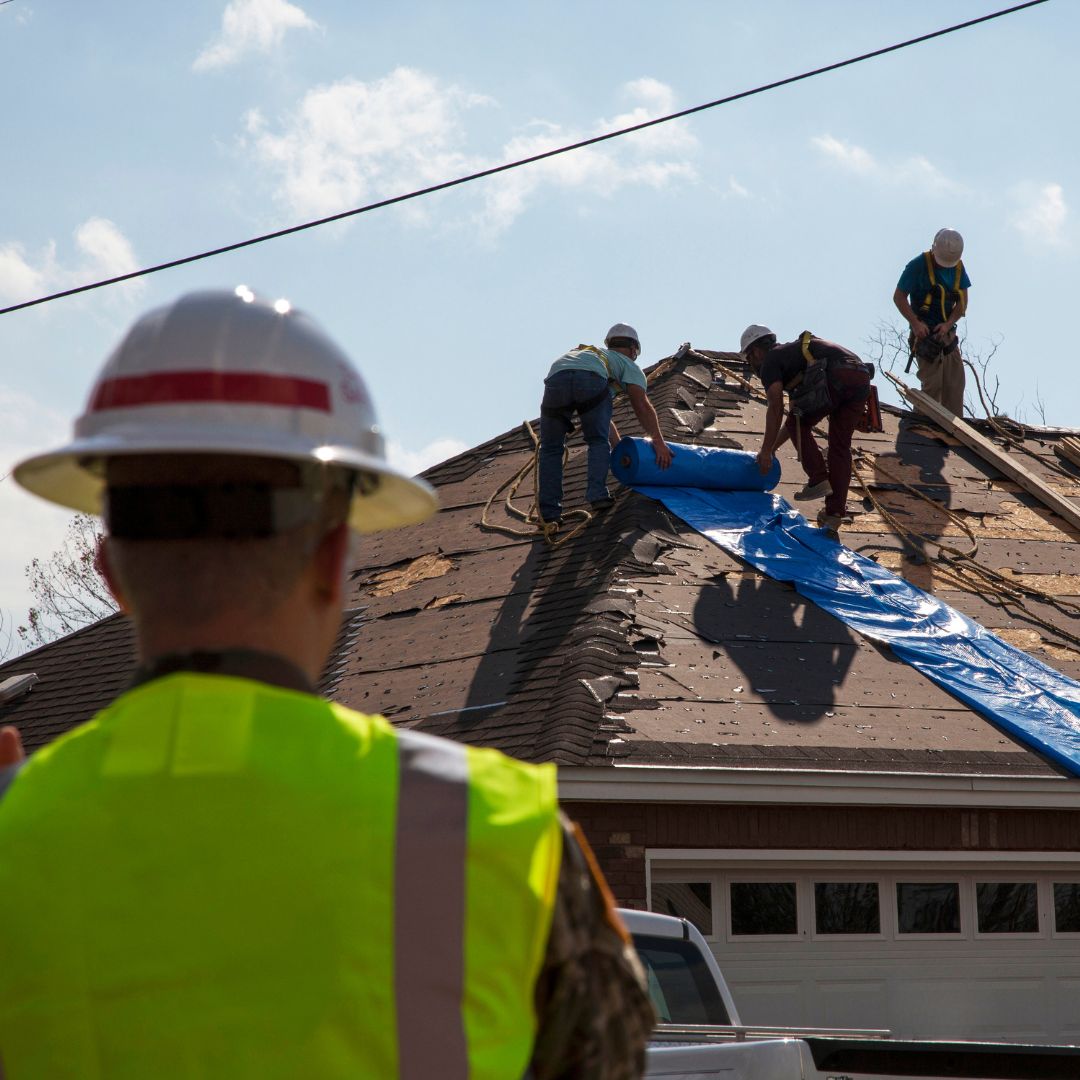
Old roof removal: Depending on local codes and roof condition, existing materials may be stripped completely or installed over existing layers. Complete removal allows inspection of the deck and identification of hidden problems.
Installation: Work proceeds systematically: underlayment, flashing, base and ridge caps, ventilation integration. Quality contractors follow manufacturer specifications precisely to maintain warranty coverage.
Inspection and cleanup: Local inspectors verify code compliance at appropriate stages. Your contractor performs final cleanup, removes debris, and conducts a walkthrough explaining maintenance requirements.
Frequently Asked Questions
What roofing material lasts longest in New Brunswick’s climate?
Metal and slate typically offer the longest lifespans in New Brunswick weather conditions, with properly installed systems lasting 50 years or more. However, material longevity depends heavily on correct installation, adequate ventilation, and regular maintenance. Even durable materials fail prematurely without proper installation practices.
How much does a new roof cost in New Brunswick?
Costs vary significantly based on material selection, roof size, pitch complexity, and whether you require complete tear-off or overlay installation. Basic asphalt shingles may cost $8,000-$15,000 for an average home, while metal roofing typically ranges $20,000-$40,000. Obtain detailed estimates from at least three qualified contractors for accurate pricing specific to your project.
Suggested read: roofing repair process New Brunswick pros: What to Expect During
Do I need a permit for roof replacement in New Brunswick?
Permit requirements vary by municipality in both the Canadian province and New Jersey. Most jurisdictions require permits for complete roof replacement but may waive them for re-roofing over existing shingles. Contact your local building department early in planning to understand requirements and associated fees.
How do I verify a roofing contractor’s license and insurance?
For New Brunswick, Canada, verify provincial business licenses through Service New Brunswick. In New Jersey, check contractor registration through the state Division of Consumer Affairs. Request certificates of insurance directly from the contractor’s insurance carrier, and confirm coverage dates and policy limits match their claims.
What warranties should I expect with a new roof?
Two warranty types protect your investment. Manufacturer warranties cover materials—typically ranging from 25 years to lifetime coverage depending on product grade. Workmanship warranties from your contractor cover installation quality, usually spanning 2-10 years. Understand exactly what each warranty covers, what actions void coverage, and what steps to take if problems develop.
Conclusion
Selecting the right roofing material for your New Brunswick property requires balancing climate demands, budget constraints, aesthetic preferences, and long-term value calculations. Climate-appropriate materials—particularly metal and quality asphalt systems—perform well across both New Brunswick regions’ seasonal challenges.
However, material selection matters little without qualified installation. Vet contractors thoroughly, request multiple detailed estimates, and verify credentials independently before committing. The investment of time in proper research protects your property and ensures your new roof delivers decades of reliable service.
Ready to move forward? Schedule estimates with at least three vetted New Brunswick roofing professionals. Prepare your list of questions, request detailed written proposals, and verify insurance and licensing before making your final selection. Your roof represents a significant investment—choose wisely by choosing qualified professionals.
Sources & References
- Source: National Roofing Contractors Association (NRCA) (official)
Primary industry association offering roofing material guidelines, installation best practices, and contractor credential verification resources [verified topical overlap: roofing, material] - Source: Metal Roofing Alliance (industry)
Industry authority providing statistics on metal roof longevity (40-70 years) and installation standards for North American climate conditions [verified topical overlap: roofing]