New Brunswick’s harsh Atlantic climate creates unique roofing challenges, including ice dam formation, freeze-thaw damage, ventilation issues, and storm damage—but professional contractors use specialized techniques and materials to repair and prevent these problems year-round.
- Ice dams are the most prevalent roofing issue, caused by repeated freeze-thaw cycles that force water under shingles
- Professional repairs include proper flashing installation, improved attic ventilation, and climate-appropriate underlayment
- Moss and algae thrive in New Brunswick’s humidity, requiring specialized cleaning and zinc strip prevention
- Atlantic storm damage often requires emergency tarping followed by full shingle or metal roof replacement
- Preventive maintenance through bi-annual inspections can extend roof lifespan by 10-15 years in this climate
Common Roofing Problems in New Brunswick and How Professionals Repair Them
Common Roofing Problems in New Brunswick and How Professionals Repair Them
New Brunswick’s Atlantic Canadian climate creates unique stresses on residential roofing systems that homeowners in warmer regions rarely encounter. From the relentless freeze-thaw cycles of Interior winters to the heavy snow loads that accumulate along the Bay of Fundy coastline, roofs in this province face challenges that demand specialized knowledge and professional intervention. Understanding these climate-specific problems—and how qualified contractors address them—helps property owners protect their investments and avoid costly emergency repairs.
Climate-Specific Roofing Challenges in New Brunswick
New Brunswick’s geographic position exposes residential properties to weather patterns fundamentally different from those affecting most North American homeowners. These environmental factors combine to create roofing stresses that require proactive management and expert repair. For comprehensive winter home preparation, understanding your roof’s vulnerabilities is essential.
Freeze-Thaw Cycle Damage
The repeated pattern of temperatures climbing above and below freezing creates one of the most destructive forces affecting New Brunswick roofs. When snow melts during brief warming periods, water seeps into tiny cracks, gaps, and porous materials. When temperatures plummet again, this water freezes and expands—sometimes by up to 9%—prying apart shingles, degrading sealants, and compromising flashing integrity. This cycle repeats dozens of times each winter, causing progressive damage that often remains invisible until significant problems develop.
Snow Load and Structural Stress
Atlantic Canada receives substantial snowfall, particularly in higher-elevation regions and areas influenced by coastal weather systems. Wet Atlantic snow carries significant weight, and accumulated loads can stress roof structures beyond their design limits. Older homes with aging trusses or rafters face particular vulnerability, especially where previous modifications may have compromised structural integrity. Consider having a professional assess your roof replacement costs if structural concerns arise.
Atlantic Storm Exposure
Properties along the Bay of Fundy and other coastal areas experience accelerated deterioration from salt-laden winds. This maritime exposure attacks metal components—including flashing, nails, and ventilation hardware—with corrosive intensity. Simultaneously, powerful Atlantic storms bring high winds capable of lifting shingles, driving rain beneath roofing layers, and scattering debris that impacts roof surfaces.
Humidity and Condensation
New Brunswick’s humid summers create ideal conditions for moisture-related problems. When warm, moisture-laden air contacts cool attic surfaces, condensation forms within roof assemblies. This hidden moisture compromises insulation performance, encourages wood rot, and creates environments where mold thrives—often before homeowners detect any visible symptoms. Proper attic insulation installation can significantly reduce condensation issues.
Common Roofing Problems: Symptoms and Causes
Recognizing early warning signs helps New Brunswick homeowners address problems before they escalate into major repairs or premature replacement needs.
Asphalt Shingle Deterioration
Curling, cracking, and granule loss represent the most visible indicators of shingle aging in New Brunswick’s climate. Curling occurs when moisture trapped beneath shingles freezes and expands, lifting edges upward. Cracking develops from the repeated stress of thermal expansion and contraction. Granule loss—the erosion of protective mineral coatings—accelerates in areas experiencing heavy rainfall or wind-driven snow. Properties with southern exposures often show accelerated deterioration due to increased sun exposure, while heavily shaded sections may develop problems from prolonged moisture retention.
Suggested read: roofing repair process New Brunswick pros: What to Expect During
Flashing Failures
Flashing—the metal or flexible material installed where roof surfaces meet vertical structures like chimneys, skylights, and wall intersections—suffers particular stress from New Brunswick’s climate. Freeze-thaw activity penetrates small gaps, while thermal movement causes connections to loosen over time. When flashing fails, water penetrates roof assemblies at these vulnerable transition points, often traveling significant distances before becoming visible inside homes.
Attic Ventilation Deficiencies
Inadequate attic ventilation creates cascading problems throughout roof systems. During winter, warm air trapped in attics melts snow from below, creating water that refreezes at cold eave edges as ice dams. In summer, trapped heat烘烤 roofing materials from below, accelerating aging and increasing cooling costs. Warning signs include ice dam formation, condensation on attic surfaces, mold growth on wooden components, and noticeably uneven attic temperatures between areas.
Moss, Algae, and Lichen Growth
The combination of humidity, shade, and moderate temperatures creates ideal conditions for biological growth on New Brunswick roofs. While often dismissed as merely cosmetic concerns, these organisms retain moisture against roofing surfaces, degrading materials more rapidly than exposure alone. Lichens particularly damage asphalt shingles by rooting into surfaces with root-like structures, while moss accumulations can physically lift shingles and block water flow toward gutters.
Ice Dam Damage
Ice dams form when heat escaping through ceilings melts snow on upper roof surfaces. This meltwater flows downward until reaching cold eave edges, where it refreezes into ice formations. As ice accumulates, subsequent meltwater backs up beneath shingles, finding pathways into homes through gaps, cracks, and compromised flashing. The resulting water intrusion damages ceilings, walls, insulation, and electrical systems while creating conditions for mold growth.
Professional Repair Methods for New Brunswick Roofs
Licensed roofing contractors employ systematic approaches tailored to New Brunswick’s specific climate challenges when addressing these common problems.
Ice Dam Removal and Prevention
Professional ice dam removal requires careful technique to avoid damaging roofing materials. Contractors use soft-roofing rakes for safe snow removal from ground level, while specialized steam equipment melts ice channels without prying or hammering that could damage shingles. For prevention, professionals assess ventilation systems, recommend improved attic insulation, and may install heat cables in problematic areas. Proper ventilation correction addresses the root cause by maintaining uniform roof temperatures that prevent the melt-refreeze cycle.
Shingle Replacement and Repair
When addressing individual shingle damage, professionals carefully remove affected units without disturbing surrounding materials, then install replacements that match existing roofing in both style and color. For widespread but localized damage, partial re-roofing—replacing sections while preserving structurally sound areas—often provides cost-effective solutions. Contractors ensure proper nailing patterns, adequate overlap, and correct sealant application to restore weather-tight integrity.
Flashing Repair and Replacement
Flashing repair typically involves removing siding or roofing materials adjacent to the flashing, addressing any underlying water damage to sheathing or structural components, then installing new flashing with proper step configurations and appropriate sealant at all transition points. Quality contractors use materials rated for cold-climate performance and ensure adequate overlap to direct water away from vulnerable intersections.
Ventilation Assessment and Improvement
Professional ventilation evaluation includes examining soffit screens for blockage, measuring airflow patterns, assessing insulation coverage and quality, and identifying sources of interior moisture generation. Solutions may involve adding or enlarging vents, installing ridge ventilation systems, improving soffit airflow with continuous vent strips, or correcting ductwork that bypasses attic insulation. These improvements typically provide energy savings while extending roof lifespan.
Moss and Algae Treatment
Professional treatment combines chemical application with physical removal. Contractors apply algaecide and fungicide solutions specifically formulated for roofing use, allowing these products to penetrate biological growth before gentle rinsing removes accumulated debris. Critically, professionals address underlying conditions—trimming overhanging branches to reduce shade and improve airflow—that encourage biological colonization. Zinc or copper strips installed near roof ridges provide ongoing protection as rainwater distributes trace metals across roof surfaces.
Storm Damage Assessment and Documentation
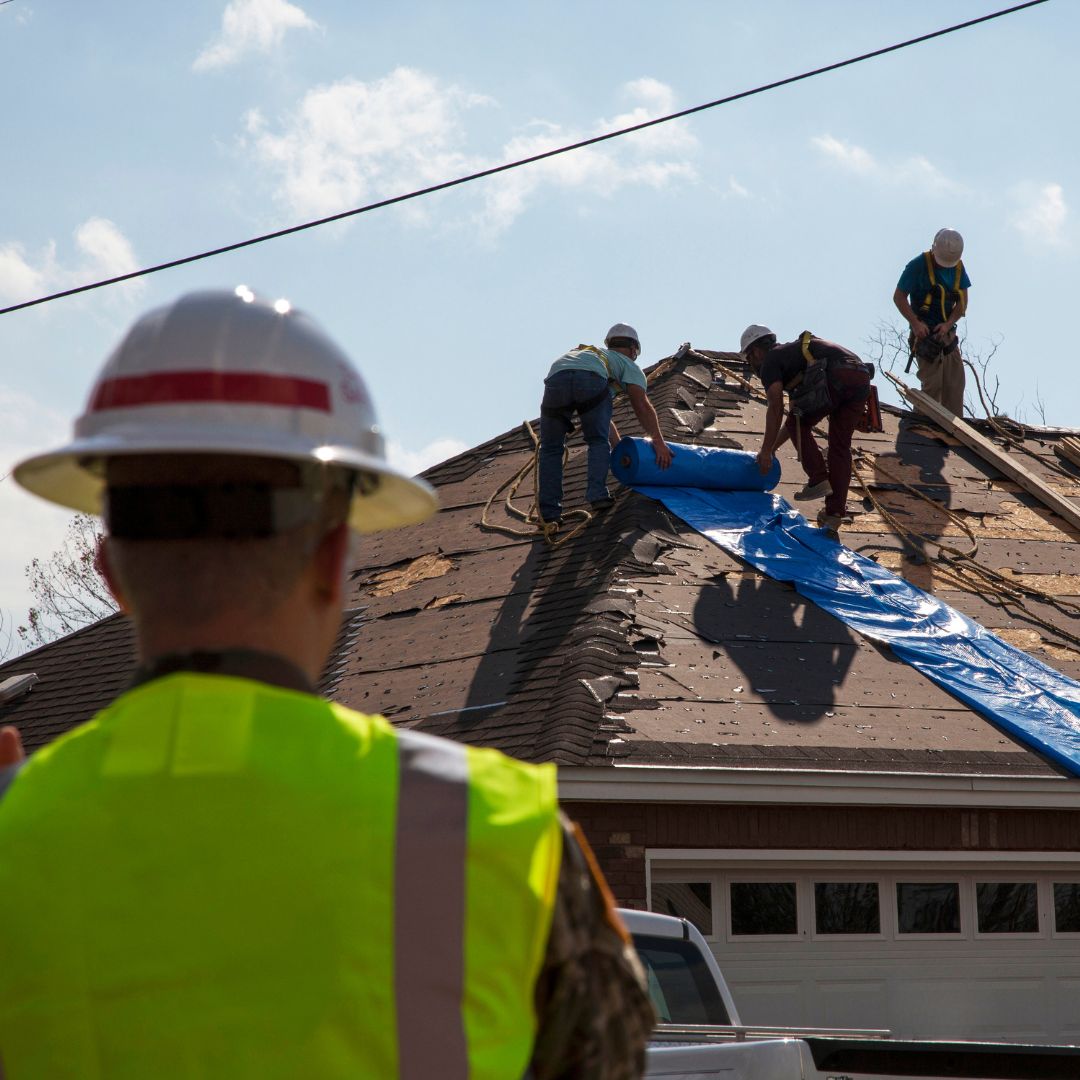
Following significant Atlantic storms, professional contractors conduct systematic inspections documenting all damage with photographs and detailed notes. This documentation proves essential when filing insurance claims. Repairs address missing or damaged shingles, dented or displaced flashing, structural compromise to roof decking, and any interior water intrusion. Emergency tarping stabilizes damaged areas until permanent repairs proceed.
Suggested read: Choose the Best Roofing Material for Your New Brunswick Home
Seasonal Maintenance and Prevention Strategies
Proactive maintenance extends roof lifespan and prevents minor problems from becoming major expenses. Regular seasonal home maintenance should include roof inspections to catch issues early.
Spring inspections should assess winter damage while snow remains visible on north-facing slopes or shaded areas. Look for missing, cracked, or lifted shingles; damaged flashing; and any visible signs of water intrusion in attic spaces. Clear accumulated debris from valleys and gutters as snow melts.
Summer maintenance focuses on ventilation optimization. Ensure attic vents remain unblocked by insulation or storage items. Trim tree branches that shade roof surfaces, promoting moisture retention and biological growth. Address any ventilation deficiencies identified during spring inspections before fall weather arrives.
Fall preparation proves critical for New Brunswick winters. Clean gutters thoroughly to ensure proper drainage during freeze-thaw cycles. Inspect and repair flashing before winter stress begins. Consider installing snow guards or heat cables on problem areas. Schedule professional inspections for comprehensive assessment of aging roofs.
Winter monitoring requires vigilance without unnecessary roof access. Watch for ice dam formation, excessive snow accumulation, and visible interior signs of water intrusion. Use roofing rakes from ground level to safely remove snow from eave edges where ice dams typically form. Never attempt roof access during icy or snowy conditions—leave that work to professionals with proper safety equipment.
Hiring Professional Roofers in New Brunswick
Selecting qualified contractors protects homeowners from substandard repairs and potential liability issues. Our guide to choosing a roofing contractor provides detailed recommendations.
Verifying Credentials
Licensed New Brunswick roofing contractors carry appropriate provincial registration. Homeowners should request contractor numbers and verify status through provincial licensing authorities. Industry certifications from organizations like the Canadian Roofing Contractors Association indicate commitment to professional standards and ongoing education. Manufacturer certifications for specific product lines ensure proper installation techniques and often preserve warranty coverage.
Evaluating Contractors
Reliable contractors provide detailed written estimates following thorough on-site inspection rather than phone quotes alone. These estimates should itemize materials, labor, disposal fees, and timeline. Ask contractors about their approach to New Brunswick’s specific climate challenges—professionals familiar with the region will discuss ventilation, ice dam prevention, and appropriate material choices without prompting. Request references from recent local projects and follow up with those homeowners about their experience.
Repair Versus Replacement Decisions
Professional assessment determines whether repair or replacement makes economic sense. Generally, replacement becomes advisable when roofs exceed 20-25 years of age, damage affects more than 30% of surface area, or recurring problems indicate systemic issues that patchwork repairs cannot resolve. Repairs remain appropriate for newer roofs with isolated damage or specific component failures like flashing or ventilation systems.
Frequently Asked Questions
What are the most common roofing problems in New Brunswick?
New Brunswick roofs commonly experience ice dam formation, freeze-thaw damage to shingles and flashing, ventilation-related condensation, moss and algae growth from humidity, and storm damage from Atlantic storms. These issues are exacerbated by the region’s unique climate patterns that differ substantially from continental North American conditions.
How does the freeze-thaw cycle damage roofs in New Brunswick?
During New Brunswick winters, melting snow refreezes repeatedly, causing water to seep into small cracks and gaps. When water freezes, it expands, widening cracks in shingles, flashing, and mortar. This cycle progressively compromises roof integrity over multiple seasons, often creating problems that remain hidden until significant deterioration occurs.
Suggested read: How to Choose the Right Roofing Material for New Brunswick Climate
What causes ice dams and how are they professionally removed?
Ice dams form when warm air from the home melts snow on the roof, which then refreezes at colder eaves. Professional removal involves careful ice chipping, steam equipment, and calcium chloride application. Prevention focuses on proper attic insulation, ventilation improvements, and sometimes heat cable installation to maintain uniform roof temperatures.
How do professionals repair storm damage to New Brunswick roofs?
Professionals conduct thorough inspections for missing shingles, dented flashing, and structural compromise. Repairs include shingle replacement, flashing resealing, structural assessment, and documentation for insurance claims. Emergency tarping prevents further damage before permanent repairs can be completed.
When should New Brunswick homeowners repair versus replace their roof?
Repair is appropriate for isolated damage, recent installations under 15 years old, or specific issues like flashing failures. Replacement becomes necessary for roofs over 20-25 years old, widespread damage exceeding 30% of the surface, or multiple recurring problems that indicate systemic failure requiring comprehensive solution.
Conclusion
New Brunswick’s Atlantic Canadian climate subjects residential roofing to stresses that demand specialized understanding and professional expertise. From the destructive freeze-thaw cycles that pries apart aging shingles to the ice dams that threaten interior finishes, these climate-specific challenges require targeted solutions rather than generic approaches.
Professional roofing contractors bring essential knowledge of regional conditions, appropriate materials, and repair techniques suited to New Brunswick’s unique environment. Regular seasonal maintenance prevents minor issues from escalating while extending roof service life. When problems arise, prompt professional assessment ensures appropriate intervention before damage spreads.
Property owners who understand their roofs’ climate-specific vulnerabilities and maintain relationships with qualified local contractors protect their investments against the Atlantic Canadian elements. Schedule professional inspections this fall to assess your roof’s condition before winter stress arrives.
For a related perspective, see our care for birchwood kitchen utensils.
Sources & References
- Source: Ice Dams – Building Science Corporation Resource Library (research)
Peer-reviewed building science research on ice dam formation, prevention, and repair techniques applicable to New Brunswick's climate [verified topical overlap: new, brunswick, repair] - Source: Roofing Canada – Canadian Roofing Contractors Association (industry)
National roofing contractor association providing industry standards for professional repair techniques and materials appropriate for Canadian climates [verified topical overlap: roofing, repair]