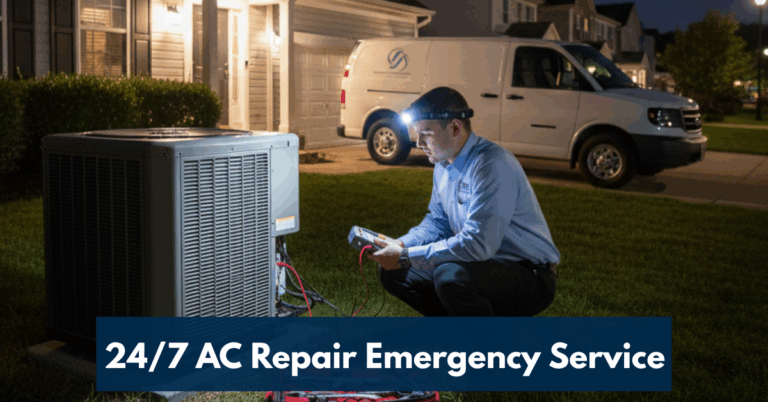
AC emergencies requiring immediate 24/7 repair service include refrigerant leaks, complete system failures during extreme heat, compressor failures, electrical hazards, and situations involving vulnerable household members. Recognizing these urgent signs helps homeowners make critical decisions about when to call for emergency service versus scheduling regular repairs.
- Refrigerant leaks require immediate professional attention due to health risks and EPA regulations restricting homeowner handling
- Complete system failure during temperatures exceeding 90°F poses health risks, especially for elderly, infants, or those with respiratory conditions
- Strange odors (burning, chemical, or gas) indicate potential electrical issues or gas leaks requiring urgent response
- Visible water damage or electrical issues suggest immediate danger and warrant emergency contact
- Answer three key questions to determine if your situation qualifies as an emergency before scheduling repair
Common AC Emergencies Requiring 24/7 Repair Service
When your air conditioning fails during a summer heat wave, the difference between a minor inconvenience and a genuine emergency depends on recognizing the warning signs. Every year, thousands of homeowners face sudden AC breakdowns that demand immediate professional attention. Understanding which situations require ac emergency repair services—and which can wait for a scheduled appointment—protects your home, your wallet, and your family’s safety.
This guide walks you through the most common AC emergencies, helps you assess your situation quickly, and explains exactly what steps to take before help arrives.
Quick Assessment: Is This an Emergency?
Before diving into specific emergencies, answer these three questions to determine your situation’s urgency:
- Is someone in the household elderly, an infant, or have respiratory or cardiac conditions?
- Are you detecting strange smells—burning, chemical, or gas odors?
- Is there visible water damage, electrical issues, or refrigerant leaking?
If you answered yes to any of these questions, you likely have an AC emergency requiring immediate professional intervention. If your AC simply isn’t cooling but no safety hazards are present, you may be able to schedule a repair within 24-48 hours.
Top AC Emergencies Requiring Immediate 24/7 Service
1. Refrigerant Leaks
Refrigerant is the chemical compound that cools the air in your AC system. When leaks develop—often indicated by hissing sounds, warm air blowing from vents, or visibly iced-over coils—you have a genuine emergency on your hands.
Beyond affecting cooling performance, refrigerant exposure poses health risks. According to EPA regulations under Section 608, refrigerant handling requires certified technicians. Never attempt to locate or repair refrigerant leaks yourself.
Warning signs: Hissing or bubbling sounds, reduced cooling capacity, higher-than-normal electricity bills, ice buildup on indoor coils, sweet chemical smell near the unit.
2. Complete System Failure During Extreme Heat
An AC that stops working entirely during temperatures exceeding 90°F creates health risks, especially for vulnerable household members. If your system fails completely and indoor temperatures are climbing rapidly, this qualifies as an emergency.
Warning signs: No cool air despite the system running, indoor temperatures matching or exceeding outdoor levels, thermostat displays error codes.
Suggested read: 24 Hour AC Repair: Comprehensive Guide to Emergency Cooling Services
3. Compressor Failure
The compressor serves as your AC system’s heart, circulating refrigerant through the unit. When it fails, your entire cooling system stops functioning. Compressor issues often develop gradually—watching for early warning signs can prevent complete failure.
Warning signs: Clicking sounds when the system starts, warm air instead of cool, circuit breaker tripping frequently, rattling or grinding noises from the outdoor unit.
4. Electrical Problems and Burning Smells
Any electrical issue with your HVAC system presents immediate fire hazards. Burning smells, flickering lights when the AC runs, or units that fail to start indicate serious electrical problems requiring emergency service.
Warning signs: Burning plastic or electrical smells, frequent circuit breaker trips, visibly damaged wiring, flickering lights when the AC cycles on.
5. Frozen Evaporator Coils
While frozen coils might seem like the system working too hard, they typically indicate airflow problems or refrigerant issues. If left unaddressed, frozen coils cause water damage to your home and escalate repair costs significantly.
Warning signs: Visible ice on indoor coils, water leaking from the air handler, reduced airflow from vents, hissing sounds near the indoor unit.
6. Gas Leaks (Heat Pump Systems)
If your home uses a heat pump system with gas backup heating, any gas smell near the unit constitutes an immediate emergency. Evacuate the home and call emergency services before contacting an HVAC technician.
Warning signs: Rotten egg or sulfur smell near the outdoor unit, hissing sounds, visible damage to gas lines, dizziness or headaches in household members.
7. Major Water Leaks
While some condensation is normal, significant water pooling near your indoor unit indicates drain line clogs, frozen coils, or pump failures. Standing water causes structural damage and promotes mold growth.
Warning signs: Water pooling around the air handler, water stains on walls or ceilings, musty odors, gurgling sounds from the unit.
Immediate Actions During an AC Emergency
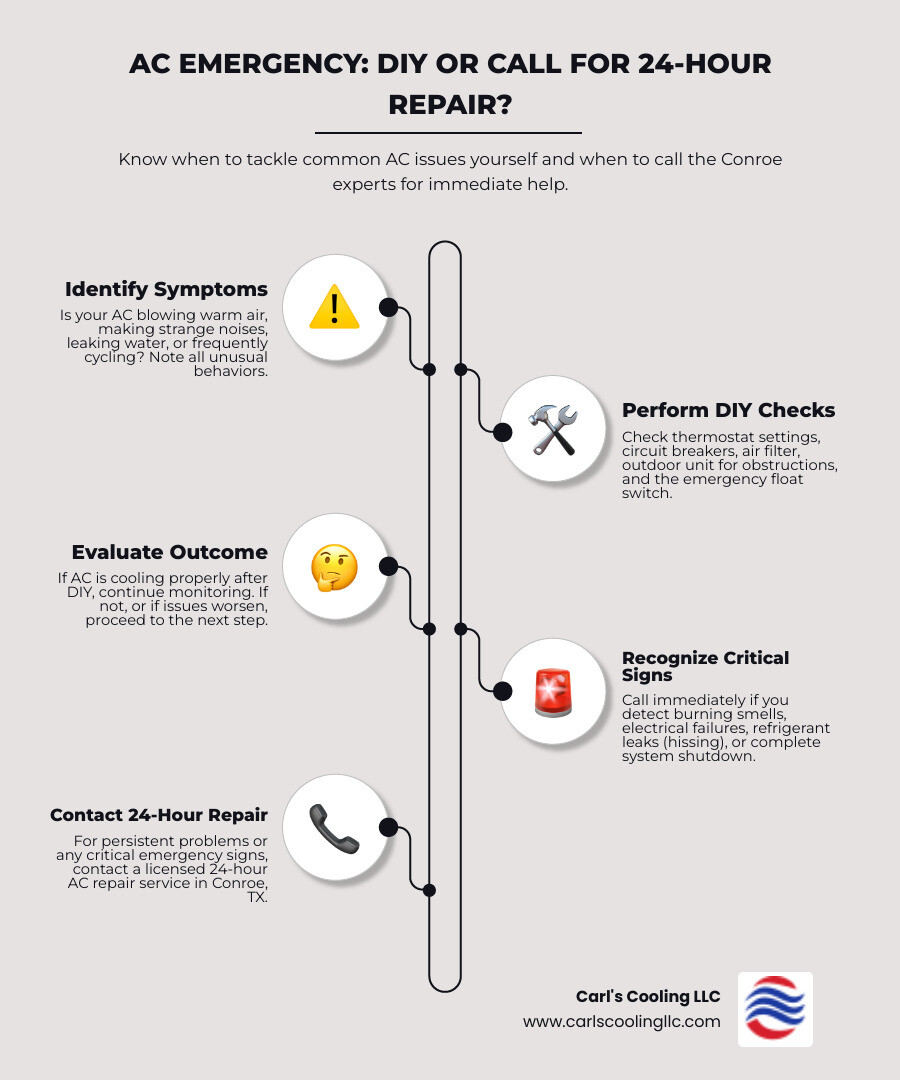
When you identify an AC emergency, take these steps while waiting for professional help:
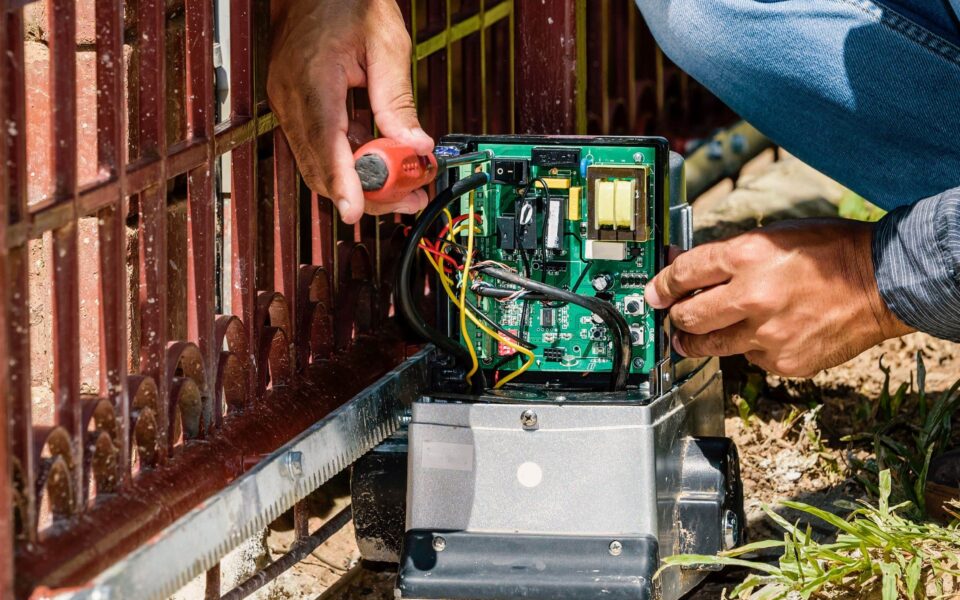
Suggested read: Electric Gate Motor Repair: Common Issues & Fixes
- Turn off the system at the thermostat and the circuit breaker serving the AC unit.
- For gas smells: Evacuate immediately and call your gas company or 911 from outside the home.
- For electrical issues: Avoid touching the outdoor unit and keep the circuit breaker off.
- Open windows and doors to improve ventilation if safe to do so.
- Move vulnerable family members (elderly, infants, those with health conditions) to cooler locations.
- Document the issue with photos or videos for insurance purposes if relevant.
- Call a 24/7 emergency HVAC service and describe symptoms clearly.
When NOT to Attempt DIY Repairs
Many minor AC issues can wait for scheduled repairs, but certain situations make DIY attempts dangerous. According to the Consumer Product Safety Commission, HVAC-related incidents from improper repairs result in hundreds of emergency room visits annually.
Never attempt repairs involving:
- Refrigerant handling or recovery
- Electrical components or wiring
- Gas lines or heat pump gas systems
- Compressor issues
- Sealed system repairs
- Any situation where you’ve turned off the breaker and still feel uncertain
Even seemingly simple tasks like cleaning coils or replacing air filters carry risks if you’re unfamiliar with your specific system. Always err on the side of safety.
Choosing a 24/7 Emergency HVAC Service
Not all emergency services are created equal. When selecting a provider, verify these qualifications:
- NATE certification (North American Technician Excellence) indicates properly trained technicians
- EPA 608 certification required by law for any refrigerant handling
- State licensing — requirements vary by state, but proper credentials matter
- Insurance coverage protecting both their workers and your property
- Transparent pricing with estimates provided before work begins
- Warranty policies on parts and labor
Ask specific questions: How quickly can they arrive? What diagnostic process will they follow? Will they provide a written estimate? Reputable companies answer these questions confidently and clearly.
Understanding Emergency Repair Costs
Emergency AC repairs typically cost 20-50% more than scheduled appointments due to after-hours labor and availability charges. While costs vary by region and system type, expect to budget for:
- Service call and diagnostic fees: $75-$200
- Common emergency repairs (refrigerant recharge, fan motor replacement): $150-$600
- Major repairs (compressor replacement, extensive electrical work): $800-$2,500+
Always request written estimates before authorizing work. Prices that seem significantly below market rates may indicate unqualified technicians or substandard parts. Understanding HVAC repair costs helps you evaluate quotes and avoid overpaying.
Preventing Future AC Emergencies
Regular maintenance significantly reduces emergency frequency. Industry standards recommend professional inspections twice yearly—ideally in spring before peak cooling season and in fall before heating season begins. Consider enrolling in our preventive maintenance program to keep your system running efficiently.
Between professional visits:
- Replace air filters monthly during heavy use (or as manufacturer recommends)
- Keep the outdoor unit clear of debris, vegetation, and obstructions
- Monitor your system for unusual sounds, odors, or performance changes
- Consider installing a smart thermostat that alerts you to system anomalies
- Address minor issues promptly before they escalate into emergencies
Preventive maintenance costs a fraction of emergency repairs and extends your system’s operational lifespan considerably.
Conclusion
AC emergencies require quick thinking and decisive action. Recognizing warning signs—refrigerant leaks, complete system failures, electrical problems, gas odors, or major water damage—helps you respond appropriately when they occur. Turn off the system, ensure household safety, and contact certified 24/7 professionals immediately. Regular maintenance and prompt attention to early warning signs prevent most emergencies from developing in the first place.
Suggested read: 24 Hour AC Repair: Complete Guide to Emergency Cooling Services
Frequently Asked Questions
What is considered an AC emergency?
An AC emergency includes refrigerant leaks posing health and environmental risks, complete system failures during extreme heat affecting vulnerable individuals, electrical burning smells indicating fire hazards, gas odors from heat pumps requiring immediate evacuation, significant water leaks causing property damage, and any situation involving potential carbon monoxide exposure. These scenarios demand immediate professional intervention rather than scheduled appointments.
Should I turn off my AC if it’s not cooling properly?
If you notice refrigerant leaks, burning smells, unusual noises, or water leaking near electrical components, turn off your AC at the thermostat and circuit breaker immediately. However, reduced cooling without other warning signs may not require emergency shutdown. When uncertain, turning off the system and calling a professional is always the safer choice.
How quickly can I expect emergency AC service?
Reputable 24/7 HVAC services typically offer same-day emergency response, often within hours of your call. Response times may increase during peak summer months or extreme weather events when demand surges. Ask about estimated arrival times when scheduling and mention if anyone in the household faces health vulnerabilities.
What questions should I ask an emergency HVAC technician?
Before work begins, ask about their NATE and EPA 608 certifications, state licensing status, specific experience with your system type (brand and model), warranty coverage on repairs, and whether they provide a written estimate before starting. Request proof of insurance and clarification on payment expectations for after-hours service.
How much does emergency AC repair typically cost?
Emergency AC repairs typically cost 20-50% more than scheduled repairs due to overtime availability. Common emergency issues range from $150-$600 for repairs like refrigerant recharge or fan motor replacement, while major repairs such as compressor replacement or extensive electrical work range from $800-$2,500 or more depending on your system and location.
Sources & References
- EPA Section 608 Technical Overview — Federal regulations governing refrigerant handling and certification requirements.
- CPSC HVAC Safety Warnings — Consumer Product Safety Commission guidance on HVAC hazards and prevention.
- NATE Certification — North American Technician Excellence certification standards for HVAC technicians.
- DOE Energy Saver: AC Maintenance — Department of Energy recommendations for air conditioning maintenance.
For a related perspective, see our modern kitchen island lighting.
Sources & References
- Source: ACCA Technical Standards Manual (industry)
Air Conditioning Contractors of America industry standards provide professional guidelines on what constitutes HVAC emergencies and proper service protocols. [source_origin: project_reuse] - Source: National Weather Service – Heat Safety Tips (government)
NWS information on heat index dangers when temperatures exceed 90°F and associated health risks [verified topical overlap: service]