Common Motor Issues in Automatic Gates and How to Fix Them
When your automatic gate refuses to open on a rainy evening or leaves your property exposed during a security concern, the frustration is immediate. Electric gate motors experience failures that range from simple fixes homeowners can handle safely to complex issues requiring certified technicians. Understanding the difference prevents costly mistakes and restores your gate’s functionality faster.
This guide provides a systematic approach to diagnosing electric gate motor problems. You’ll learn to identify symptoms accurately, understand repair boundaries, and make informed decisions about when professional service makes sense. Safety remains the priority throughout—proper precautions protect you from electrical hazards and prevent further damage to your system.
Key Takeaways:
- Most gate motor failures stem from a handful of recurring issues that follow recognizable patterns
- Systematic diagnosis prevents replacing expensive parts unnecessarily
- Clear boundaries exist between safe DIY troubleshooting and professional-required work
- Regular maintenance significantly extends motor lifespan beyond typical 10-15 year ranges
Quick Symptom Checker: Finding Your Problem Fast
Before diving into detailed troubleshooting, identify which category matches your situation. This directs you to the most relevant sections without wading through unrelated content.
Use this decision guide based on what your gate is doing:
- Gate won’t move at all → Proceed to “Motor Won’t Start” troubleshooting
- Motor runs but gate stays stationary → Check the mechanical drive section
- Grinding, humming, or unusual sounds → Focus on the noise diagnosis section
- Gate starts, stops, or reverses unexpectedly → Investigate limit switches and sensors
- Intermittent operation (works sometimes) → Review wiring and control issues
Multiple symptoms appearing together typically indicate a single root cause. For example, a failing capacitor often produces both startup failure and humming noises when you attempt to open the gate.
Common Motor Problems by Symptom Category
Motor Won’t Start
When you press the remote or wall button and nothing happens, the problem usually traces back to four common sources.
Power Supply Problems represent the most frequent cause of complete startup failure. Before assuming the motor itself has failed, verify that your circuit breaker hasn’t tripped, the outlet provides power, and all cable connections remain secure. For gate systems hardwired to electrical panels, check the disconnect switch located near the gate operator.
Capacitor Failure affects AC motors and produces specific symptoms. When you attempt to start the gate, you may hear a clicking sound without motor activation, or the motor might hum without producing movement. Capacitors store electrical energy needed for motor startup and wear out over time. Testing requires multimeter skills and caution around stored electrical charge.
Battery Backup Depletion affects gates equipped with emergency power systems. If your gate works when power is restored but fails during outages, the backup battery likely needs replacement. Most backup batteries require replacement every 3-5 years depending on usage frequency.
Suggested read: Why Is My Electric Gate Not Opening? Troubleshooting Common Issues
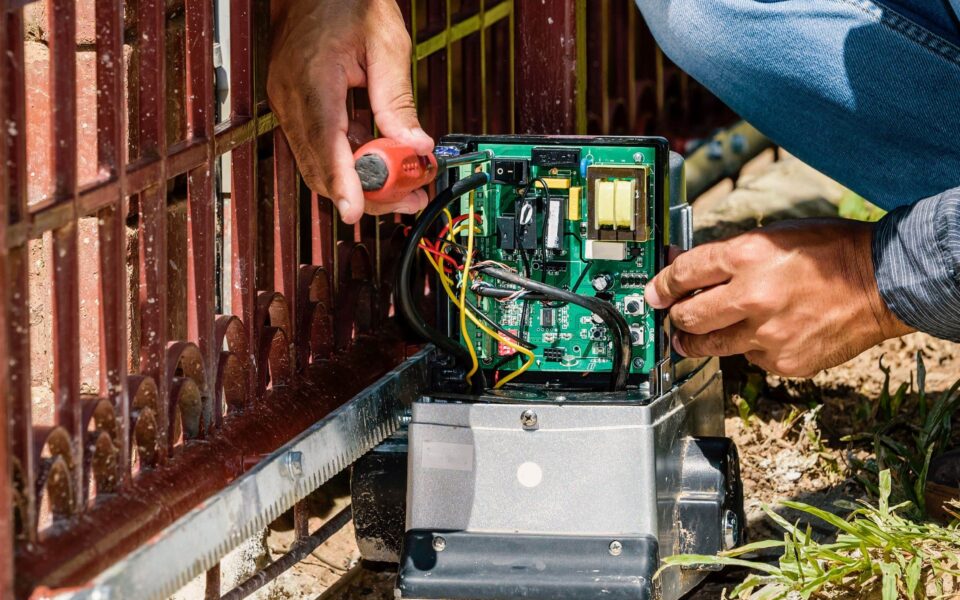
Control Board Malfunction symptoms include unresponsive controls, erratic behavior, or complete system shutdown. The circuit board processes commands from remotes, keypads, and safety sensors. Visual indicators like burnt components, corrosion, or moisture damage point toward board failure.
Motor Runs but Gate Doesn’t Move
This scenario indicates the motor receives power but cannot transfer force to the gate. Two primary categories explain this behavior.
Clutch Slippage occurs in gate motors equipped with overload protection mechanisms. When the clutch engages improperly due to wear or incorrect adjustment, the motor spins without driving the gate. You might notice the motor sound changing pitch without corresponding gate movement. Clutch adjustment specifications vary by manufacturer—consult your operator manual for torque settings.
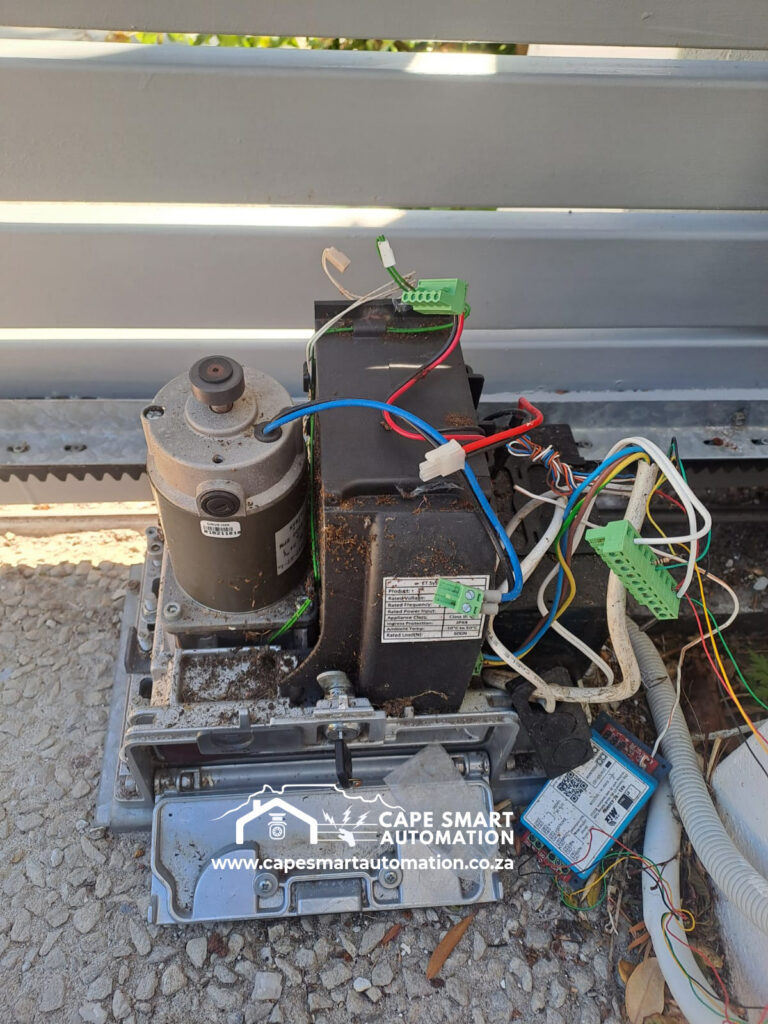
Mechanical Disconnection between motor and gate happens through damaged drive components. Chain-drive sliding gates experience chain breakage or dislodgement. Belt-drive systems suffer belt cracking or pulley misalignment. Gear-drive mechanisms fail when gears strip, crack, or separate from their housing. Visual inspection typically reveals these problems if you examine the drive system where the motor connects to the gate.
Gate Makes Grinding or Humming Noises
Auditory symptoms provide valuable diagnostic information when you know what to listen for.
Brush Wear in DC Motors produces crackling or sputtering sounds. DC brush-type motors (common in budget operators and battery-backup systems) develop this symptom as carbon brushes wear down over 3-5 years of regular use. The sound intensifies under load when the gate attempts to move.
Lack of Lubrication creates grinding, squealing, or scraping sounds. Gate tracks, chain joints, gear assemblies, and hinge points require periodic lubrication. Without maintenance, metal components rub against metal, accelerating wear and increasing motor strain.
Worn Gears generate clicking, grinding, or ratcheting noises. The gearbox inside your motor operator contains gears that mesh during operation. Teeth wear down or break from age, overloading, or inadequate lubrication. Damaged gearbox internals typically require complete motor replacement rather than individual gear service.
Intermittent or Unpredictable Operation
Gate behavior that varies without clear pattern suggests control system issues rather than mechanical failure.
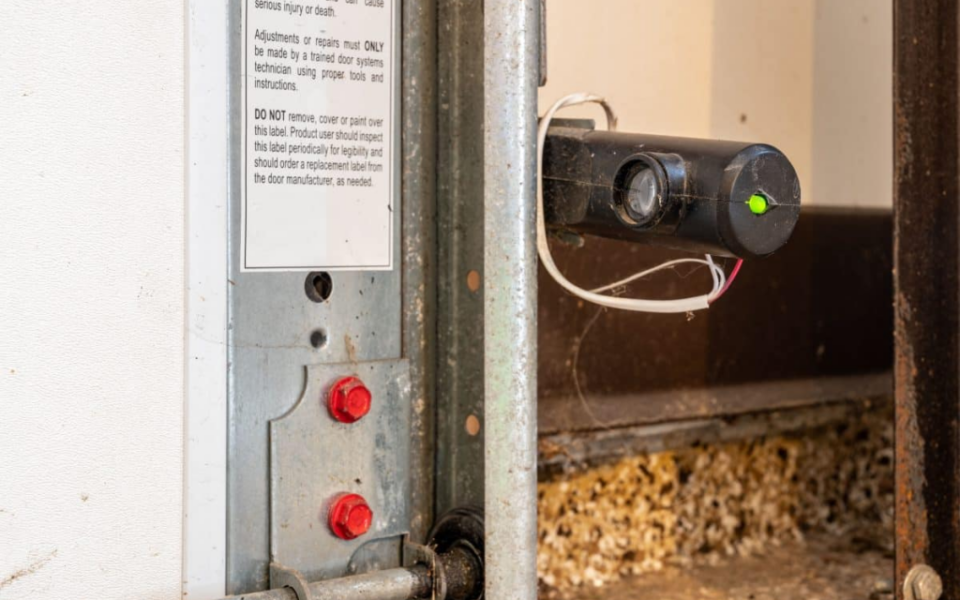
Limit Switch Malfunction causes gates to stop prematurely, reverse direction unexpectedly, or fail to complete opening or closing cycles. These magnetic or mechanical sensors tell the motor when the gate has reached its fully open or closed positions. Misalignment, debris accumulation, or electrical failure disrupts their signal.
Loose Wiring Connections produce symptoms that appear and disappear as components heat and cool or vibrations shift conductors. Inspect terminal connections inside the control box and at motor junctions. Look for wire corrosion, loose screws, and signs of overheating like discoloration or melting insulation.
Suggested read: Electric Gate Troubleshooting: Identifying and Fixing Common Issues
Remote Signal Interference prevents reliable operation from distance. Neighboring wireless devices, metal obstructions, and degraded remote batteries all contribute to communication failures. Try the wall-mounted control button to determine whether the problem affects all operation methods or remote-only control.
Step-by-Step Troubleshooting Guide
Essential Safety Precautions
Before beginning any troubleshooting, follow these critical safety steps:
- Disconnect power at the circuit breaker or main disconnect before opening motor enclosures
- Activate manual release to isolate the gate from motor force during inspection
- Wait five minutes after power disconnection before servicing capacitors, which retain dangerous charge
- Keep body parts away from pinch points and moving components during any power restoration tests
- Use properly insulated tools designed for electrical work
If you lack confidence in any troubleshooting step, stop immediately and contact a qualified gate technician. Working beyond your skill level creates electrical shock hazards and may void manufacturer warranties.
Visual Inspection Protocol
Begin every troubleshooting session with visual assessment before using any tools. Check for obvious problems:
- Visible damage to motor housing, cables, or mounting brackets
- Disconnected or damaged chains, belts, or drive screws
- Obvious obstructions blocking gate movement path
- Rodent damage to wiring insulation
- Water intrusion or corrosion on electrical components
- Misaligned limit switch magnets or sensors
Power Supply Verification
Test the electrical supply systematically. Verify the outlet using a voltage tester or plug in a known-working device. Check the gate system’s fuse or circuit breaker. For hardwired installations, confirm the disconnect switch is fully engaged. Document any voltage readings to share with service technicians if problems persist.
Capacitor Testing Methods
Capacitor failure requires cautious handling. Discharge the capacitor through an appropriate resistor tool before testing. Use a capacitor-specific multimeter function or ESR meter to check capacitance values against manufacturer specifications. Replacement capacitors must match exact voltage and microfarad ratings—installation of incorrect specifications creates fire hazards.
Limit Switch Adjustment Procedures
Limit switches control gate travel distance. Mechanical switches adjust via threaded actuators. Magnetic limit switches position by relocating magnets along the gate track or arm. Consult your operator manual for specific adjustment procedures and travel limits for your gate type. Small adjustments produce significant position changes—turn adjustment screws one-quarter turn at a time.
Understanding Electric Gate Motor Repair Costs
Gate motor repair pricing varies based on multiple factors. Understanding these variables helps you evaluate service estimates.
Typical Cost Ranges:
- Limit switch adjustment: $75-150
- Capacitor replacement: $150-300 including parts and labor
- Brush replacement (DC motors): $100-200
- Control board replacement: $300-600 parts alone
- Complete motor replacement: $400-1,500 depending on gate type and specifications
- Emergency or after-hours service: 1.5-2x standard rates
Factors Affecting Repair Costs:
Gate type and weight determine motor specifications and pricing. Heavy commercial gates require more powerful, expensive operators than residential residential applications. Motor brand affects parts availability and cost—common manufacturers like LiftMaster and Chamberlain offer readily available parts while specialty brands may require longer wait times and higher shipping costs.
Suggested read: Electric Gate Repair: Troubleshooting & Solutions Guide
Component accessibility matters significantly. Motors mounted in tight spaces or requiring excavation around concrete pads increase labor time. Geographic location influences rates—urban areas typically see higher labor costs than rural markets. Finally, scheduled service costs less than emergency repairs, so addressing problems promptly when you first notice symptoms saves money.
Repair vs. Replace Decision Framework
Not every failing motor merits replacement, but certain situations clearly call for new equipment rather than repair investment.
Consider Motor Replacement When:
- The motor exceeds 10-12 years of age
- Repair costs exceed 50% of replacement cost
- You experience repeated failures of the same component
- The motor model is discontinued with limited parts availability
- Technological advances offer significantly improved features (smartphone integration, enhanced safety sensors)
- Warranty coverage no longer applies and reliability is compromised
Repair May Be Appropriate When:
- The motor is relatively new (under 5 years)
- A single identifiable component has failed
- Regular maintenance has been documented
- The repair addresses the root cause rather than symptoms
- Parts are readily available at reasonable cost
Preventive Maintenance Schedule
Regular maintenance prevents most premature motor failures and extends equipment lifespan significantly.
Monthly Tasks:
- Clean debris from gate tracks, chain channels, and hinge areas
- Test safety sensors by obstructing the beam during gate closure
- Check remote batteries and replace annually regardless of apparent charge
- Listen for unusual sounds during operation cycles
Seasonal Tasks (Four Times Yearly):
- Lubricate chains, screw drives, and hinge points with manufacturer-recommended products
- Inspect and tighten all electrical connections
- Check drive belt tension (belt-drive systems)
- Verify chain tension and alignment (chain-drive systems)
- Clean photoelectric sensors with soft cloth
Annual Professional Service:
- Comprehensive inspection by qualified gate technician
- Motor performance testing under load
- Control board diagnostics
- Battery backup system testing and replacement if needed
- Safety system certification per UL 325 standards
When to Call a Professional Gate Technician
Certain situations clearly exceed safe DIY scope and require licensed professionals.
Red Flags Requiring Professional Service:
- Suspected control board failure or burned components
- Electrical issues beyond basic connection inspection
- Motor replacement or internal gear repair
- Gate structural problems affecting alignment
- Any work requiring high-voltage expertise
- Repeated failures after basic troubleshooting
Questions to Ask Potential Service Providers:
Suggested read: Walk-In Cooler Repair — A Step-by-Step Tutorial for DIY Troubleshooting and Common Fixes
- Are you licensed, bonded, and insured for gate operator work?
- What is your experience with my specific gate motor brand and model?
- Can you provide references from recent gate service projects?
- Do you specialize in my gate type—swing or sliding?
- What warranty do you provide on repaired components and labor?
- Do you offer maintenance agreements for ongoing service?
Frequently Asked Questions
Why won’t my automatic gate motor start at all?
A gate motor that won’t start typically stems from power supply interruption, capacitor failure, depleted backup battery, or control board malfunction. Begin troubleshooting by verifying your circuit breaker hasn’t tripped and the outlet or disconnect provides power. If power reaches the motor but startup fails, capacitor or control board issues are likely. These components require professional diagnosis and replacement.
Is it safe to troubleshoot my electric gate motor myself?
Basic visual inspection and simple troubleshooting are safe for most homeowners if proper precautions are followed. Always disconnect power before opening motor housings, wait for capacitors to discharge, and keep body parts away from moving components. However, control board work, electrical testing beyond basic voltage verification, and any repairs requiring circuit analysis should be left to licensed professionals.
How long do electric gate motors typically last?
With proper maintenance, residential gate motors typically function reliably for 10-15 years. Commercial applications often see shorter lifespans of 5-8 years due to higher usage frequency. Regular lubrication, electrical connection inspection, and professional annual servicing significantly extend motor life and prevent premature failures.
What is the average cost to repair an electric gate motor?
Simple repairs like limit switch adjustment cost $75-150. Capacitor replacement runs $150-300 including parts and labor. Control board issues and motor replacement range from $400-1,500 depending on gate type, motor specifications, and whether you choose repair or replacement. Emergency service calls increase costs by 50-100% compared to scheduled appointments.
How do I manually release my automatic gate during a power outage?
Most gate motors include a manual release mechanism located near the motor housing. This typically consists of a key-operated lock or pull lever that disengages the drive system. Consult your owner’s manual for brand-specific instructions—mechanisms vary between manufacturers and gate types. Practice locating and operating this release before emergencies occur so you can access your property during power failures.
Can I replace my gate motor with any brand, or do I need the same manufacturer?
While universal replacement motors exist, compatibility depends on your gate type, weight capacity requirements, and existing mounting configurations. Using the same manufacturer ensures proper fit but isn’t always necessary. Before purchasing any replacement motor, verify voltage requirements, gate weight capacity, and mounting dimensions match your installation. A professional installer can confirm compatibility and ensure safe, code-compliant operation.
Conclusion
Electric gate motor repair becomes less intimidating when you understand the systematic approach to diagnosis. Most failures follow recognizable patterns that skilled homeowners can identify with proper safety precautions. Power supply issues, capacitor failure, and mechanical disconnection account for the majority of problems—each has distinct symptoms that guide your troubleshooting.
However, recognizing your limitations protects both your safety and your investment. Control board work, motor replacement, and complex electrical issues belong to qualified technicians. The cost of professional service rarely exceeds the risk of injury or equipment damage from improper DIY attempts.
Invest in preventive maintenance to reduce failure frequency. Monthly inspections and seasonal lubrication extend motor life and catch developing problems before they strand you outside your own gate. Locate your manual release mechanism now, before you need it during an emergency.
When your gate motor fails, approach diagnosis methodically rather than replacing parts randomly. Accurate problem identification saves money, prevents frustration, and restores your gate’s reliability faster. For persistent issues or any work beyond basic troubleshooting, professional service ensures safe, lasting repairs that protect your property’s security and convenience.
For a related perspective, see our commercial kitchen pest control.
Suggested read: electric gate sensor repair: Electric Gate Sensor Alignment and R
Sources & References
- Source: Door and Hardware Institute (DHI) – Gate Hardware Standards (official)
Industry authority on door and gate hardware standards, installation best practices, and professional certification requirements that define boundaries between DIY and professional work. - Source: UL 325 Standard for Safety: Door, Drapery, Gate, Louver, and Window Operators (documentation)
Primary safety standard governing automatic gate operator design, installation, and maintenance requirements. Essential reference for safety precautions and proper repair boundaries mentioned in the article.