When running a business, the last thing you need is a broken door handle disrupting your operations or a leaky faucet damaging your inventory. Commercial handyman services have become an essential resource for businesses of all sizes, providing quick, reliable solutions to maintenance challenges that can otherwise derail productivity and customer experience. Unlike residential handyman work, commercial services cater specifically to the unique demands of business environments, where downtime equals lost revenue and professional appearance directly impacts your brand reputation.
The commercial property maintenance landscape has evolved dramatically over the past decade. Business owners are increasingly recognizing that partnering with professional commercial handyman services delivers far more value than attempting DIY fixes or managing multiple specialized contractors. A skilled commercial handyman brings versatility, speed, and business-focused solutions that keep your operations running without the hefty price tag of emergency contractors or the delays of scheduling multiple specialists.
What Are Commercial Handyman Services?
Commercial handyman services encompass a wide range of maintenance, repair, and installation tasks specifically designed for business properties. These services differ significantly from residential handyman work in scope, scale, and specialization. A commercial handyman understands the unique pressures of business environments, including the need for after-hours work, minimal disruption to operations, and compliance with commercial building codes and safety regulations.
The typical commercial handyman service provider offers expertise across multiple trades without requiring the specialized licensing of contractors for smaller jobs. This versatility is what makes them invaluable for businesses. Rather than calling a separate electrician for a light fixture, a plumber for a minor leak, and a carpenter for a broken cabinet, you have one trusted professional who can handle all three issues in a single visit. This consolidated approach saves time, reduces coordination headaches, and often significantly lowers costs compared to engaging multiple specialized contractors.
Core Services Offered by Commercial Handymen
Commercial handyman professionals typically provide an extensive menu of services that address the most common maintenance needs in business settings:
- Minor electrical work – Installing light fixtures, replacing outlets and switches, troubleshooting electrical issues that don’t require a licensed electrician
- Plumbing repairs – Fixing leaky faucets, unclogging drains, replacing toilet components, repairing minor pipe issues
- Carpentry and woodwork – Repairing doors, installing shelving, fixing cabinets, building simple structures
- Drywall repair and painting – Patching holes, fixing water damage, repainting walls and trim
- Furniture assembly – Setting up office furniture, installing workstations, assembling storage units
- HVAC filter changes – Regular maintenance of heating and cooling systems
- Lock and hardware installation – Replacing door handles, installing new locks, fixing windows
- Tile and flooring repairs – Replacing broken tiles, fixing loose flooring, addressing minor floor damage
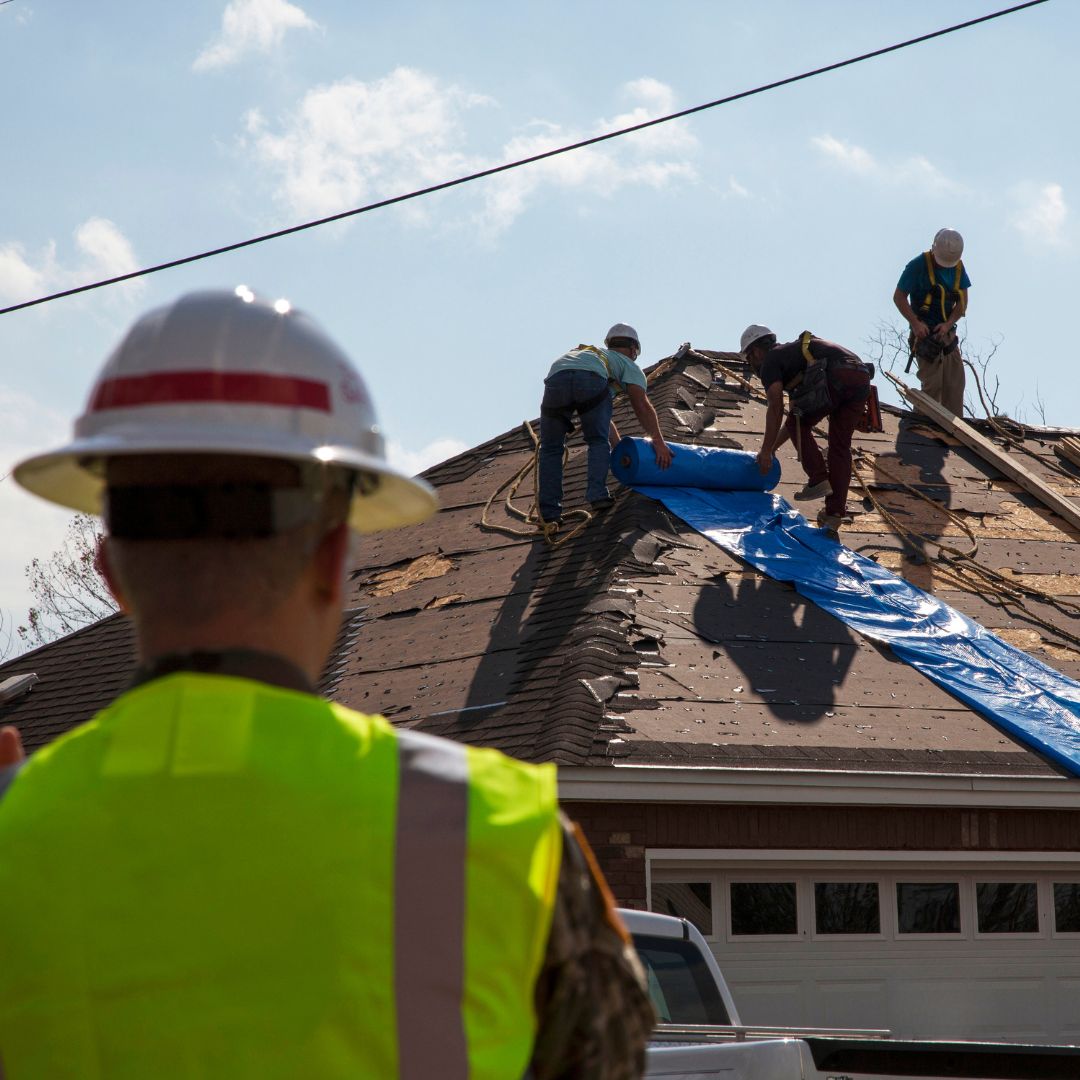
- Exterior maintenance – Minor roof repairs, gutter cleaning, exterior painting touch-ups
- Safety equipment installation – Mounting fire extinguishers, installing safety signage, ensuring ADA compliance
According to industry research from the Building Owners and Managers Association (BOMA), businesses that utilize regular handyman services report 37% fewer emergency repair calls and maintain property values approximately 12% higher than comparable properties with reactive-only maintenance approaches.
The Business Case for Commercial Handyman Services
Investing in professional commercial handyman services isn’t just about fixing what’s broken—it’s a strategic business decision that impacts your bottom line in multiple ways. Smart business owners recognize that property maintenance is not an expense to minimize, but rather an investment in operational efficiency, safety, and brand image.
Cost Savings Through Preventive Maintenance
One of the most compelling reasons to establish a relationship with commercial handyman services is the dramatic cost savings achieved through preventive maintenance. When minor issues are addressed promptly, they rarely escalate into major, expensive problems. A small water stain on the ceiling might cost $150 to investigate and repair when caught early, but ignore it for six months and you’re looking at thousands in water damage remediation, mold removal, and structural repairs.
The economics are straightforward. Emergency repairs cost 3-5 times more than scheduled maintenance work. When you call a contractor at 9 PM because your front door won’t lock, you’re paying premium rates for after-hours service, rush fees, and often higher per-hour charges. A commercial handyman who knows your property can spot potential issues during routine visits and address them before they become emergencies. This proactive approach transforms your maintenance budget from unpredictable crisis management to planned, controlled expenses.
| Maintenance Approach | Average Annual Cost (10,000 sq ft facility) | Emergency Call Frequency | Downtime Hours |
|---|---|---|---|
| Reactive Only | $18,500 | 12-15 per year | 48-60 hours |
| Scheduled + Reactive | $12,200 | 4-6 per year | 12-18 hours |
| Preventive Program | $8,900 | 1-2 per year | 3-5 hours |
Minimizing Business Disruption
Every minute your business is disrupted by maintenance issues represents lost productivity and potentially lost revenue. Commercial handyman services understand this reality and structure their work accordingly. Professional services offer flexible scheduling, including after-hours and weekend availability, ensuring repairs happen when they least impact your operations.
Suggested read: Emergency Locksmith Services: How to Choose the Right Professional for Your Urgent Lock Needs
Consider a retail environment where a broken restroom door needs repair. A commercial handyman can schedule the work for 6 AM before the store opens, complete the repair in 45 minutes, and leave the facility spotless—all before your first customer arrives. This level of responsiveness and business awareness separates commercial services from residential handymen who may not appreciate the critical nature of timing in business environments.
The productivity gains extend beyond avoiding disruption. When your team doesn’t need to coordinate repairs, wait for multiple contractors, or manage maintenance crises, they can focus on revenue-generating activities. A study by the International Facility Management Association found that businesses using integrated handyman services reported their facilities managers spent 28% less time on maintenance coordination, freeing them for strategic planning and improvement projects.
Types of Businesses That Benefit from Commercial Handyman Services
While virtually every business can benefit from professional handyman services, certain industries and property types see particularly significant advantages from establishing ongoing relationships with commercial maintenance providers.
Retail and Hospitality Establishments
Retail stores, restaurants, and hotels face unique maintenance challenges due to high customer traffic, extended operating hours, and the critical importance of maintaining an attractive, functional environment. For these businesses, commercial handyman services become an extension of the customer experience. A broken door handle, flickering lights, or damaged flooring doesn’t just create inconvenience—it directly impacts customer perception and potentially sales.
Restaurant owners, for example, must navigate complex health department requirements while maintaining aging equipment and high-traffic areas. A commercial handyman familiar with food service environments can quickly address issues like loose hood vent connections, damaged wall surfaces, or malfunctioning door closers before they trigger health code violations or customer complaints. The relationship between reliable maintenance and positive customer reviews is well-documented, with hospitality businesses reporting correlation of 0.73 between maintenance responsiveness and overall guest satisfaction scores.
Office Buildings and Coworking Spaces
Modern office environments demand seamless functionality to support productivity and employee satisfaction. From adjusting ergonomic workstations to ensuring conference room technology functions properly, office buildings generate constant, varied maintenance needs. Commercial handyman services for office settings address everything from installing whiteboards and mounting monitors to fixing HVAC issues and maintaining common areas.
The shift toward flexible workspaces and hot-desking has increased maintenance complexity. Furniture constantly moves, technology requirements change, and spaces need rapid reconfiguration. A reliable commercial handyman can adapt office layouts quickly, install necessary infrastructure, and maintain the professional appearance that employees and clients expect. Companies utilizing flexible office designs report spending 22% more on maintenance than traditional office layouts but see 34% higher space utilization efficiency when supported by responsive handyman services.
Medical and Healthcare Facilities
Healthcare environments require specialized attention to cleanliness, safety, and regulatory compliance. While major medical equipment requires licensed technicians, commercial handyman services handle the hundreds of smaller maintenance tasks that keep medical facilities operational. From installing safety rails and replacing damaged ceiling tiles to maintaining waiting room furniture and repairing staff areas, handyman services ensure healthcare facilities remain safe, compliant, and welcoming.
The stakes are particularly high in medical settings. A malfunctioning door lock in a medication storage area or damaged handrail in a patient corridor aren’t just inconveniences—they’re potential compliance violations and safety hazards. Commercial handymen experienced with healthcare facilities understand these requirements and work within the stringent protocols that govern medical environments, including infection control procedures and HIPAA privacy considerations.
Educational Institutions
Schools, universities, and training facilities face relentless wear and tear from heavy daily use. Classroom doors, desks, whiteboards, and facilities all require constant attention. Educational institutions benefit tremendously from commercial handyman services that can respond quickly to maintain safe, functional learning environments without the bureaucratic delays often associated with school maintenance departments.
For precision air services plc and similar educational facility management, the ability to address multiple small issues efficiently prevents the backlog that commonly plagues school maintenance systems. A commercial handyman can rotate through classrooms during breaks, addressing accumulated minor issues before they compound into major problems that disrupt learning.
Suggested read: Outsourcing Accounting Services for Small Business: Your Strategic Financial Solution
How to Choose the Right Commercial Handyman Service Provider
Selecting the right commercial handyman services partner requires careful evaluation beyond simply comparing hourly rates. The cheapest option often becomes the most expensive when you factor in quality, reliability, and business disruption. Smart business owners look for specific qualities and qualifications that indicate a handyman service truly understands commercial needs.
Essential Qualifications and Credentials
Professional commercial handyman services should carry appropriate licensing for your jurisdiction, though requirements vary significantly by location. More importantly, verify they maintain comprehensive commercial liability insurance with coverage limits appropriate for your property value and business operations. Request certificates of insurance and verify coverage directly with their insurance carrier—not just reviewing documents they provide.
Bonding provides additional protection, particularly for businesses where handymen will have access to valuable equipment, inventory, or sensitive areas. A bonded handyman service demonstrates financial stability and accountability. Workers’ compensation insurance is equally critical; if their employee is injured while working on your property and they lack coverage, your business could face significant liability.
Beyond insurance and bonding, look for handymen with relevant trade experience and ongoing training. The best commercial services invest in keeping their teams updated on building codes, new materials, and emerging technologies. Ask potential providers about their training programs and whether team members hold any relevant certifications, even if not legally required. Organizations like the National Association of Home Builders or local trade associations often provide certification programs that demonstrate commitment to professional standards.
Evaluating Experience and References
Years in business matters, but relevant commercial experience matters more. A handyman with 20 years of residential experience may struggle with commercial-specific requirements like understanding fire codes, working within occupied business spaces, or managing the scale of commercial properties. Request references specifically from commercial clients in industries similar to yours.
When checking references, ask targeted questions:
- How quickly does the service respond to urgent requests?
- Do they complete projects on schedule and within budget?
- How do they handle unexpected complications?
- Are their technicians professional and respectful of your business environment?
- Do they clean up thoroughly after completing work?
- Have they ever recommended preventive measures that saved money?
The most telling reference information often comes from what past clients don’t say. If a reference is lukewarm or hesitates when recommending the service, that’s valuable information. Stellar service providers generate enthusiastic recommendations because they’ve consistently exceeded expectations.
Service Agreements and Response Times
Professional commercial handyman services should offer clear, written service agreements that outline response times, pricing structures, and scope of services. Understand whether they charge by the hour, by the project, or offer retainer arrangements for ongoing maintenance. Each pricing model has advantages depending on your needs.
Hourly rates work well for unpredictable, small repairs. Project pricing provides cost certainty for defined work. Retainer agreements often deliver the best value for businesses with consistent maintenance needs, typically including priority scheduling, discounted rates, and allocated time blocks each month.
Response time commitments separate adequate services from exceptional ones. What constitutes an “emergency” and what response time can you expect? Can you reach someone 24/7 for true emergencies, or only during business hours? How quickly will they respond to routine, non-urgent requests? A service agreement should specify these details clearly, not leave them to interpretation.
Case Study: How Commercial Handyman Services Saved a Growing Company Thousands
A mid-sized software company with 150 employees in a 25,000 square foot office space was spending approximately $32,000 annually on facility maintenance through a combination of employee time, multiple contractors, and emergency repairs. Frustrated by the unpredictability and coordination challenges, the facilities manager decided to engage a professional commercial handyman services provider on a retainer basis.
Suggested read: Professional Warehouse Cleaning Services: Expert Solutions for Industrial Facilities
The handyman service conducted an initial property assessment, identifying 47 minor issues that would likely become problems within 6-12 months. Over the first quarter, they addressed these preventive items while handling routine repairs as they arose. The company paid a fixed monthly retainer of $1,800 plus materials, which included:
- Weekly property walkthroughs to identify emerging issues
- Priority response for urgent repairs (4-hour response time)
- Scheduled maintenance visits every Monday before 8 AM
- After-hours availability for true emergencies
- Detailed reporting of all work completed
Results after one year:
- Total maintenance costs dropped to $24,600 (23% reduction)
- Emergency repairs decreased from 18 to 3 incidents
- Zero compliance violations (previously averaged 2 per year)
- Employee satisfaction with workplace environment increased 31%
- Facilities manager reported saving 12 hours per week on maintenance coordination
The most significant benefit wasn’t the direct cost savings—it was the predictability and peace of mind. The facilities manager could budget accurately, plan improvements proactively, and focus on strategic initiatives rather than firefighting maintenance crises. The company has since renewed the service agreement for three consecutive years with consistent positive results.
Best Practices for Working with Commercial Handyman Services
Maximizing the value from your commercial handyman services relationship requires more than just hiring the right provider. Successful businesses develop collaborative partnerships that leverage the handyman’s expertise while maintaining clear communication and accountability.
Maintaining Clear Communication
Establish a single point of contact within your organization for all handyman service coordination. This prevents miscommunication, ensures consistent priorities, and builds a relationship where the handyman team understands your business’s specific needs and preferences. Whether it’s the facilities manager, office manager, or owner, having one primary contact streamlines the entire maintenance process.
Document everything. When requesting repairs, provide clear descriptions, photos when relevant, and specific details about timing requirements or operational constraints. After work is completed, review documentation of what was done, materials used, and any recommendations for future attention. This creates a valuable maintenance history that helps with budgeting, warranty tracking, and identifying recurring issues that might indicate larger problems.
Create a preferred communication method and stick to it. Whether it’s email, a project management system, or a specialized facility management platform, consistent communication channels prevent requests from falling through the cracks. Many commercial handyman services now offer client portals or mobile apps for submitting requests, tracking status, and reviewing work history—tools that provide transparency and accountability.
Scheduling for Success
Work with your handyman service to establish a regular maintenance schedule that aligns with your business operations. For retail businesses, this might mean early morning or late evening appointments. For office environments, perhaps utilizing lunch hours or after-hours access. Manufacturing facilities might schedule around production shifts. The right timing minimizes disruption while ensuring problems are addressed promptly.
Prioritization systems prevent minor issues from being treated as emergencies. Develop a simple classification system with your handyman service:
- Emergency – Immediate safety hazard or complete operational shutdown (same-day response)
- Urgent – Significant impact on operations or customer experience (24-48 hour response)
- Routine – Normal maintenance needs (next scheduled visit)
- Planned – Improvements or updates (scheduled at mutual convenience)
This framework helps both parties manage expectations and allocate resources appropriately. It also prevents the “everything is an emergency” syndrome that leads to inefficiency and higher costs.
Building a Long-Term Partnership
The real value of commercial handyman services emerges over time as your provider develops deep familiarity with your property, understands your business priorities, and can anticipate needs before they become urgent. Treat your handyman service as a strategic partner, not just a vendor.
Suggested read: Diversified Agency Services: Transform Your Business with Multi-Channel Solutions
Invite them to provide input on facility improvement projects. A handyman who knows your building might suggest cost-effective solutions you haven’t considered or identify opportunities to consolidate repairs for efficiency. Their practical, hands-on perspective often reveals possibilities that purely theoretical planning misses.
Provide feedback regularly—both positive recognition when service exceeds expectations and constructive criticism when it falls short. Professional services value this input because it helps them improve and better serve your needs. Annual reviews of the relationship, including analysis of costs, response times, and quality metrics, ensure the partnership continues delivering value for both parties.
The ROI of Professional Commercial Handyman Services
Business decisions should be driven by return on investment, and commercial handyman services deliver ROI across multiple dimensions beyond just repair costs. Understanding the full financial impact helps justify the investment and optimize the relationship for maximum value.
Direct Cost Savings
The most obvious ROI comes from reduced repair costs. As demonstrated in the case study above, preventing small problems from becoming large ones delivers immediate savings. But equally important is the rate arbitrage between handyman services and specialized contractors. A licensed electrician might charge $125-175 per hour for work that a qualified handyman can perform for $65-85 per hour. For jobs that don’t legally require a licensed contractor, using handyman services can cut costs by 40-60%.
Bulk purchasing power provides additional savings. Commercial handyman services buy materials regularly and often secure better pricing than individual businesses can obtain. While you’ll pay for materials used, the markup is typically 10-20% versus the 50-100% markup you’d pay if a specialized contractor supplies materials. Some businesses negotiate arrangements where they provide materials directly, further reducing costs.
Indirect Value Creation
The less obvious but often more significant ROI comes from business continuity and productivity. When a critical system fails and restoration takes three days instead of three hours, the revenue impact far exceeds the repair cost difference. A retail business losing $5,000 per day in sales due to a non-functional point-of-sale system doesn’t care whether the repair costs $200 or $400—they care about getting back to business immediately.
Employee productivity represents another major indirect benefit. When workplace issues like uncomfortable temperatures, poor lighting, or malfunctioning equipment are addressed quickly, employee satisfaction and output improve. Research from the World Green Building Council indicates that optimized workplace environments can improve productivity by 8-11%, a substantial impact that dwarfs typical maintenance cost differences.
Property value preservation may be the ultimate long-term ROI. Well-maintained commercial properties command higher sale prices, lease rates, and occupancy levels. According to the National Association of Realtors, properly maintained commercial properties sell for 15-25% more than comparable properties with deferred maintenance. Regular handyman services keep your property in excellent condition, protecting and enhancing your real-time investment.
Technology and Innovation in Commercial Handyman Services
The commercial handyman industry has embraced technology to improve efficiency, communication, and service quality. Understanding these innovations helps you select forward-thinking providers and leverage tools that enhance the partnership.
Digital Work Order Systems
Modern commercial handyman services utilize digital platforms for work order management, replacing the old clipboard-and-phone system. These platforms allow you to submit requests with photos, track progress in real-time, receive notifications when work is completed, and access historical records of all maintenance activities. The transparency eliminates the “black box” feeling that often accompanies maintenance management.
From the handyman’s perspective, digital systems improve efficiency by optimizing routes, ensuring technicians have necessary information before arriving, and enabling quick communication with the office for questions or material needs. This technology reduces the time between identifying an issue and resolving it while creating audit trails that support quality control and accountability.
Suggested read: Commercial Plumbing Services: Everything Property Managers and Business Owners Need to Know
Preventive Maintenance Scheduling Software
Advanced handyman services employ preventive maintenance software that automatically schedules regular inspections and routine tasks. Rather than relying on memory or manual tracking, the system ensures critical maintenance happens on schedule. For example, HVAC filter changes, smoke detector testing, and seasonal exterior maintenance can all be programmed to generate automatic work orders at appropriate intervals.
These systems often integrate with Internet of Things (IoT) sensors that monitor building systems and alert the handyman service to emerging issues before they cause failures. A leak detection sensor might trigger a work order automatically, allowing repair before water damage occurs. Temperature sensors can identify HVAC issues before they escalate. While the technology investment may seem sophisticated for a handyman service, forward-thinking providers recognize that preventing problems is far more valuable than just fixing them.
Mobile Technology for Real-Time Updates
Field technicians equipped with smartphones or tablets can provide real-time updates, including before-and-after photos, detailed work descriptions, and time tracking. This transparency builds trust and provides documentation useful for insurance claims, warranty tracking, and facilities planning. Many businesses appreciate being able to see exactly what was done without needing to be physically present during the work.
Mobile technology also enables immediate approval workflows for unexpected situations. If a handyman discovers additional problems while making a repair, they can photograph the issue, send it to you for review, and receive approval for additional work without needing to schedule a second visit. This responsiveness reduces total project time and costs while keeping you in control of spending.
Common Misconceptions About Commercial Handyman Services
Several myths and misconceptions discourage businesses from fully leveraging commercial handyman services. Understanding the reality helps you make informed decisions and avoid leaving value on the table.
Myth: Handymen Are Only for Small Jobs
While handymen excel at small repairs, professional commercial services often handle substantial projects that don’t require specialized contractor licensing. Complete office reconfigurations, multi-room painting projects, and extensive carpentry work all fall within the capability of qualified handyman teams. The distinction isn’t about project size—it’s about licensing requirements and specialized expertise.
In many jurisdictions, handymen can perform electrical work under a certain amperage, plumbing repairs that don’t involve main lines, and carpentry projects below specific square footage or structural complexity. Understanding these thresholds helps you maximize handyman service utilization without running afoul of building codes or insurance requirements. Professional handyman services know exactly where these lines are and will recommend licensed contractors when necessary.
Myth: Any Maintenance Person Can Handle Commercial Needs
Residential handyman skills don’t automatically translate to commercial competency. Commercial properties have different building codes, safety requirements, and operational constraints. A handyman comfortable working on someone’s home while they’re at work may struggle with the coordination, communication, and discretion required in active business environments. Commercial-specific experience matters significantly.
The liability environment also differs dramatically. Residential work typically involves lower stakes and simpler insurance considerations. Commercial handymen must navigate complex liability scenarios, maintain higher insurance coverage, and understand business continuity implications. These factors require a different mindset and professional approach than residential work demands.
Myth: Handyman Services Are Too Expensive for Small Businesses
Small businesses often assume professional commercial handyman services are only cost-effective for large enterprises. In reality, small businesses frequently benefit most because they lack the resources to maintain in-house maintenance staff or negotiate favorable rates with specialized contractors. A retail shop with 2,000 square feet and three employees can achieve better maintenance outcomes at lower cost through handyman services than trying to manage contractor relationships independently.
Many handyman services offer flexible arrangements for small businesses, including pay-as-you-go pricing, minimal monthly retainers, or membership programs that provide discounted rates and priority service. The key is finding a provider who serves your business segment and understands the constraints small businesses face.
Suggested read: Why Universal Technical Services Are Essential for Modern Business Success in 2026
Industry Trends Shaping Commercial Handyman Services
The commercial maintenance landscape continues evolving, driven by technological advancement, changing building materials, and shifting business expectations. Staying informed about these trends helps you anticipate how commercial handyman services can better serve your evolving needs.
Sustainability and Green Building Practices
Businesses increasingly prioritize environmental responsibility, and maintenance practices play a significant role in sustainability efforts. Modern commercial handymen receive training in eco-friendly materials, energy-efficient solutions, and waste reduction practices. From installing LED lighting and low-flow plumbing fixtures to using zero-VOC paints and sustainable materials, green maintenance practices reduce environmental impact while often lowering operating costs.
Energy efficiency improvements represent a growing service category. Handymen can identify and address issues like air leaks, inadequate insulation, and inefficient lighting that unnecessarily increase energy consumption. For businesses seeking LEED certification or other sustainability credentials, partnering with handyman services knowledgeable about green building standards provides valuable support for certification requirements.
Specialization in Vertical Markets
While versatility remains a core handyman value proposition, some services are developing specialized expertise in specific industries. Medical facility maintenance, restaurant and food service, retail environments, and manufacturing facilities all have unique requirements that specialized training addresses. This trend allows businesses to engage handyman services with deep knowledge of their specific operational needs and regulatory environments.
Industry-specific handyman services command premium pricing but deliver corresponding value through faster problem resolution, better preventive maintenance, and reduced compliance risk. A handyman specializing in restaurant maintenance, for example, understands health department requirements, commercial kitchen equipment, and food safety protocols in ways a general commercial handyman might not.
Integration with Facility Management Platforms
Enterprise-level facility management software increasingly integrates with handyman services, creating seamless workflows from issue identification through resolution and documentation. These platforms enable businesses to manage multiple service providers, track maintenance across multiple locations, and generate analytics that inform strategic facility decisions.
For commercial handyman services, integration capabilities are becoming competitive differentiators. Services that can plug into popular facility management platforms like ServiceChannel, FMX, or Corrigo make themselves more attractive to businesses with sophisticated facility management operations. This trend will likely continue as businesses demand greater transparency, control, and data-driven insights from all service providers.
Safety and Compliance Considerations
Working with professional commercial handyman services involves understanding the safety and regulatory landscape that governs commercial property maintenance. Responsible businesses ensure their service providers meet all applicable requirements and maintain appropriate safety standards.
OSHA and Workplace Safety Standards
The Occupational Safety and Health Administration (OSHA) sets standards that apply to commercial maintenance work. While the primary responsibility falls on the handyman service as the employer, property owners can face liability if unsafe conditions on their property contribute to worker injuries. Professional handyman services maintain comprehensive safety programs, provide proper safety equipment to technicians, and train their staff on relevant OSHA requirements.
When evaluating providers, ask about their safety record, training programs, and how they handle safety compliance. Request their Experience Modification Rate (EMR) from workers’ compensation insurance—rates below 1.0 indicate better-than-average safety performance for their industry. This metric provides objective evidence of safety commitment beyond just verbal assurances.
Building Codes and Permit Requirements
Depending on the scope of work, some handyman projects require permits and inspections to ensure code compliance. Professional commercial handyman services understand local permitting requirements and can advise when permits are necessary. While minor repairs typically don’t require permits, more substantial work like electrical panel modifications, structural changes, or plumbing alterations often do.
Suggested read: Roof Coating Services: Transform and Protect Your Commercial Property Investment
Working without required permits creates liability exposure and can result in fines, required removal of completed work, or complications when selling property. Reputable handyman services will never encourage cutting corners on permitting, even though it might be tempting to avoid the time and expense. Their willingness to follow proper procedures protects both parties and ensures work meets safety standards.
Insurance and Liability Protection
Verify that your handyman service carries appropriate insurance coverage limits for the work they perform on your property. General liability insurance should have minimum limits of $1 million per occurrence and $2 million aggregate, though higher limits may be appropriate for higher-value properties or more extensive work. Professional liability insurance (errors and omissions) provides additional protection for design or planning errors.
Request updated certificates of insurance at least annually and verify that your business is listed as an additional insured on their policy. This designation provides direct protection if claims arise from their work. Don’t rely solely on documents they provide—call the insurance carrier to verify coverage is current and limits are accurate.
Maximizing Your Investment in Commercial Handyman Services
Getting optimal value from commercial handyman services requires active partnership and strategic thinking beyond simply calling when something breaks. Sophisticated businesses approach maintenance as a competitive advantage and leverage their handyman relationships accordingly.
Developing a Maintenance Calendar
Work with your handyman service to create an annual maintenance calendar that schedules preventive tasks seasonally. Spring might focus on exterior preparation for summer weather, HVAC system checks, and landscape-related repairs. Summer could address interior projects while weather is favorable for ventilation. Fall means preparing for winter weather, checking heating systems, and addressing weather-sealing. Winter might focus on interior projects and emergency preparation.
This proactive scheduling prevents the feast-or-famine cycle where maintenance demands cluster unpredictably. Distributed scheduling improves cash flow predictability, ensures work happens during optimal seasons, and allows your handyman service to allocate resources more efficiently—potentially translating to better pricing or priority treatment.
Training Your Team to Identify Issues Early
Employees who understand what to look for and how to report maintenance issues become your first line of defense against property deterioration. Brief training on identifying common problems—water stains, unusual noises, flickering lights, loose fixtures—empowers your team to flag issues before they become urgent. Implement a simple reporting system that makes it easy for employees to communicate concerns to whoever manages your handyman relationship.
Recognize and reward employees who identify issues early. Creating a culture where maintenance awareness is valued rather than ignored prevents the too-common scenario where problems are obvious to staff but never reported until they cause major disruptions. Your employees spend more time in the facility than you do—leverage their observations.
Analyzing Maintenance Data for Strategic Decisions
Maintain detailed records of all maintenance activities, costs, and outcomes. Over time, this data reveals patterns that inform strategic decisions. If a particular system requires constant repairs, replacement might be more cost-effective than ongoing fixes. If certain areas generate disproportionate maintenance needs, root cause analysis might identify design problems or usage issues to address.
Commercial handyman services can partner with you in this analysis, providing professional insights into what the data reveals. An experienced handyman might recognize that recurring electrical issues indicate inadequate capacity for current demands, or that frequent plumbing problems suggest deteriorating pipes nearing the end of useful life. These insights allow you to plan and budget for necessary improvements before emergency replacements become necessary.
Frequently Asked Questions About Commercial Handyman Services
What is the difference between commercial handyman services and residential handyman services?
Commercial handyman services specialize in business environments and understand the unique demands of commercial properties, including compliance requirements, after-hours scheduling, minimal disruption protocols, and business-focused communication. They carry higher insurance limits, work efficiently in occupied spaces, and typically have experience with commercial-grade materials and systems that differ from residential applications. Commercial handymen also understand that time is money in business settings and prioritize rapid response and completion.
Suggested read: Gas Fireplace Service: Expert Maintenance Solutions for Safety and Peak Performance
How much do commercial handyman services typically cost?
Pricing varies significantly by location, expertise level, and service model, but commercial handyman services generally charge $65-$125 per hour depending on the market and skill requirements. Project-based pricing might range from $150-$500 for simple repairs to several thousand dollars for more extensive work. Retainer agreements for ongoing maintenance typically start around $500-$2,000 monthly depending on property size and service level. While commercial rates exceed residential handyman pricing, they’re substantially lower than specialized contractors for work that doesn’t require specific licensing.
Do I need to hire a contractor instead of commercial handyman services for certain jobs?
Yes, some work legally requires licensed contractors depending on your jurisdiction. Major electrical work, structural modifications, HVAC installation, and extensive plumbing often require specific contractor licenses. However, the thresholds vary by location—what requires a contractor in one jurisdiction might be permissible for handymen elsewhere. Professional commercial handyman services understand these requirements and will either have appropriate licensing for the work or recommend licensed contractors when necessary. Never work with a provider who encourages avoiding legally required licensing.
How quickly can commercial handyman services respond to urgent issues?
Response times vary by provider and service agreement, but professional commercial services typically offer same-day or next-business-day response for urgent issues and 4-24 hour response for true emergencies. Retainer agreements often include priority response guarantees. For routine, non-urgent work, scheduling typically occurs within 3-7 days. Emergency services available 24/7 usually cost premium rates but provide peace of mind for businesses that can’t tolerate extended downtime. Always clarify response time commitments in your service agreement.
Can commercial handyman services work in specialized environments like medical facilities or restaurants?
Yes, many commercial handyman services have experience in specialized environments and understand the unique requirements of healthcare facilities, food service establishments, educational institutions, and other regulated industries. However, not all handymen have this specialized knowledge, so specifically ask about relevant experience when selecting a provider. Specialized environments may require additional certifications, background checks, or training that general commercial handymen don’t possess. Choose providers with demonstrated experience in your industry for best results.
Should I use one commercial handyman service or multiple providers?
For most businesses, establishing a relationship with one primary commercial handyman service delivers better value through consistency, relationship development, and accountability. A single provider develops familiarity with your property, understands your priorities, and can provide more efficient service over time. However, some businesses use primary and secondary providers for redundancy, particularly if they operate multiple locations or have specialized needs that no single provider can fully address. The key is avoiding the fragmentation that comes from constantly rotating providers without strategic reason.
What should I look for in a service agreement with commercial handyman services?
Essential elements of a comprehensive service agreement include: clear pricing structures (hourly rates, minimum charges, after-hours premiums), response time commitments for different priority levels, scope of services covered, insurance requirements and verification procedures, warranty terms for completed work, cancellation policies, payment terms, and dispute resolution procedures. The agreement should also address property access procedures, safety protocols, supervision requirements, and how changes to work scope are handled. Never proceed with substantial work without a written agreement that protects both parties.
How do commercial handyman services handle materials and supplies?
Most commercial handyman services purchase necessary materials and bill you at cost plus a markup, typically 10-30%. This arrangement provides convenience and leverages their supplier relationships for better pricing than you could obtain independently. Some agreements allow you to provide materials directly, eliminating markup but requiring your time for procurement. For planned projects, discuss material procurement in advance—you might be able to source specialty items while letting the handyman handle standard supplies. Always request itemized invoices showing material costs separately from labor.
Ready to Experience the Benefits of Professional Commercial Handyman Services?
Don’t let maintenance issues disrupt your business operations or deteriorate your property value. Professional commercial handyman services provide the expertise, responsiveness, and cost-effective solutions your business needs to maintain a safe, functional, and attractive environment. Contact a qualified commercial handyman provider today to discuss your specific needs and develop a maintenance partnership that protects your investment while supporting your business success.
Whether you need immediate repairs, want to establish a preventive maintenance program, or simply want to explore how professional handyman services can reduce your facility management burden, taking action now prevents problems from escalating and positions your business for sustained operational excellence. Your property represents a significant investment—protecting it through professional maintenance is simply smart business.