Step-by-Step Roof Repair Process for New Brunswick Homeowners
New Brunswick’s climate presents unique challenges for homeowners. Heavy Atlantic snowfall, persistent freeze-thaw cycles, and seasonal storms test roofing systems year-round. Understanding the roof repair process before damage occurs saves time, money, and stress.
This guide walks you through each phase—from initial assessment through final repairs—with practical steps tailored to New Brunswick’s specific climate and regulatory requirements.
Key Takeaways
- Always prioritize personal safety during any roof inspection
- Professional inspections reveal damage invisible to untrained eyes
- Document all damage thoroughly for insurance and contractor discussions
- Permit requirements vary by municipality—verify with local authorities
- Seasonal timing affects both scheduling and repair quality
Step 1: Initial Damage Assessment
Begin with a ground-level inspection using binoculars for close observation. Look for these warning signs:
- Missing or cracked shingles—asphalt shingles damaged by high winds or age
- Curling or buckling—often caused by moisture trapped beneath shingles
- Granule loss—check gutters for accumulated shingle granules
- Sagging sections—potential structural concerns requiring immediate attention
- Water stains on interior ceilings—indicates active leaking
New Brunswick homeowners should pay special attention after major storms. Ice dam damage frequently occurs along roof edges where snow melts and refreezes. Look for icicles forming under gutters—a common sign of inadequate attic ventilation or insulation problems.
Safety note: Never climb onto your roof without proper equipment and training. Ground-level and attic inspections provide sufficient initial information for most situations.
Step 2: Professional Roof Inspection
A licensed roofing contractor brings expertise that goes beyond surface damage. Professional inspections typically include:
- Structural assessment—checking roof deck integrity and support structures
- Membrane evaluation—for flat or low-slope roofs common in newer construction
- Flashing inspection—around chimneys, vents, skylights, and wall junctions
- Ventilation analysis—ensuring proper airflow to prevent moisture buildup
- Gutter and drainage check—confirming water flows away from your home
- Interior inspection—examining attic spaces for mold, water stains, and wood rot
Request a written inspection report with photographs. This documentation proves invaluable when filing insurance claims or comparing contractor estimates.
Step 3: Documentation and Insurance Claims
Thorough documentation strengthens your position with both contractors and insurers. Photograph all damage from multiple angles before any temporary repairs.
Contact your insurance provider promptly after discovering significant damage. Most Atlantic Canada insurers cover storm-related damage, though policies vary. Your adjuster will schedule an inspection to assess the claim.
Tips for working with insurance adjusters:
Suggested read: New Brunswick roof repair installation guide: Complete Guide to R
- Provide your contractor’s inspection report alongside the adjuster’s assessment
- Be present during the adjuster’s visit to point out specific concerns
- Request clarification on coverage limits and depreciation schedules
- Keep copies of all correspondence and claim numbers
For example, if wind gusts from an Atlantic storm lifted shingles on your Fredericton home, document the date of the event and submit claims within your policy’s timeframe. Many policies have specific deadlines for reporting weather-related damage.
Step 4: Permit Requirements in New Brunswick
Under the New Brunswick Building Code Act, Section 9.26 governs roofing requirements. Permit needs depend on the scope of work and your municipality’s regulations.
Generally, permits are required when:
- Structural changes affect roof dimensions or pitch
- Work involves changing roof materials significantly
- Repairs exceed certain square footage thresholds set by your municipality
Permits typically are not required for:
- Replacing damaged shingles with similar materials
- Minor flashing repairs
- Patching small leak areas
Contact your local municipal office or Service New Brunswick to verify requirements for your specific situation. Fees vary by municipality but generally range from $50 to $200 depending on project scope. Budget for this additional cost and timeline when planning repairs.
Step 5: Contractor Selection
Choosing the right contractor protects your investment and ensures quality work. Use this verification checklist:
- Verify licensing through Consumer Protection NB
- Confirm insurance coverage—request certificates for liability and workers’ compensation
- Check affiliations—CRCA (Canadian Roofing Contractors Association) membership indicates industry standards
- Review references—ask for local references from similar projects
- Get three written estimates—compare scope, materials, timelines, and warranties
Red flags to watch for:
- Contractors who demand full payment upfront
- Door-to-door solicitors offering “leftover materials” from nearby jobs
- Estimates significantly lower than other quotes—may indicate substandard materials or workmanship
- Lack of physical business address or verifiable references
Ask potential contractors about their experience with New Brunswick’s climate. Metal roofing installation, for instance, requires specific techniques to handle thermal expansion and ice dam prevention. Experienced local contractors understand regional challenges.
Step 6: Repair Execution
Once you’ve selected a contractor, expect the following during repair work:
Timeline Expectations
Minor repairs may complete in a single day. Moderate repairs typically require three to five days. Extensive damage involving structural repairs or full roof sections may take one to two weeks. Weather delays are common in Atlantic Canada—build buffer time into your expectations.
Materials by Roof Type
For asphalt shingle roofs—the most common in New Brunswick—ensure your contractor uses architectural shingles rated for high-wind conditions (typically rated for 130 km/h or higher). For flat roofs, modified bitumen or EPDM membranes provide better performance against ponding water. Metal roofing, while initially more expensive, offers superior longevity in freeze-thaw environments.
Suggested read: roofing repair process New Brunswick pros: What to Expect During
What Happens During Repairs
Reputable contractors will:
- Protect landscaping and exterior features with tarps
- Remove old materials and debris daily
- Install proper underlayment and flashing
- Seal all joints and transitions
- Clean the work area upon completion
Step 7: Final Inspection and Ongoing Maintenance
Before final payment, conduct a walkthrough with your contractor. Verify:
- All agreed-upon repairs were completed
- Materials match your contract specifications
- Flashing and seals appear properly installed
- No visible damage to siding, gutters, or landscaping
- Contractor provides written warranty information
Preventive maintenance schedule:
- Spring and fall inspections—check for winter damage and prepare for upcoming season
- Gutter cleaning—twice yearly, or more if surrounded by trees
- Trim overhanging branches—prevent abrasion and debris accumulation
- Monitor attic ventilation—proper airflow prevents ice dams and extends roof life
- Address minor issues immediately—small repairs prevent major expenses
Cost Overview
Roof repair costs in New Brunswick vary based on damage extent, materials, and labor. General ranges include:
- Minor repairs (patching, single shingle replacement): $200–$800
- Moderate repairs (section replacement, flashing repair): $1,000–$4,000
- Extensive repairs (large sections, structural work): $4,000–$10,000+
Factors affecting pricing include roof pitch (steeper roofs require more safety equipment), accessibility, material costs (asphalt remains most affordable; metal commands premium pricing), and whether your home is single-story or multi-level.
Always obtain detailed written estimates that specify materials, labor, disposal fees, and warranty terms. The lowest bid rarely represents the best value when quality materials and experienced workmanship matter for your home’s protection.
Seasonal Timing Considerations
New Brunswick’s climate dictates repair scheduling. Late spring through early fall offers the most reliable weather windows. Summer provides consistent conditions, though thunderstorms occasionally interrupt work. Early fall works well before temperatures drop.
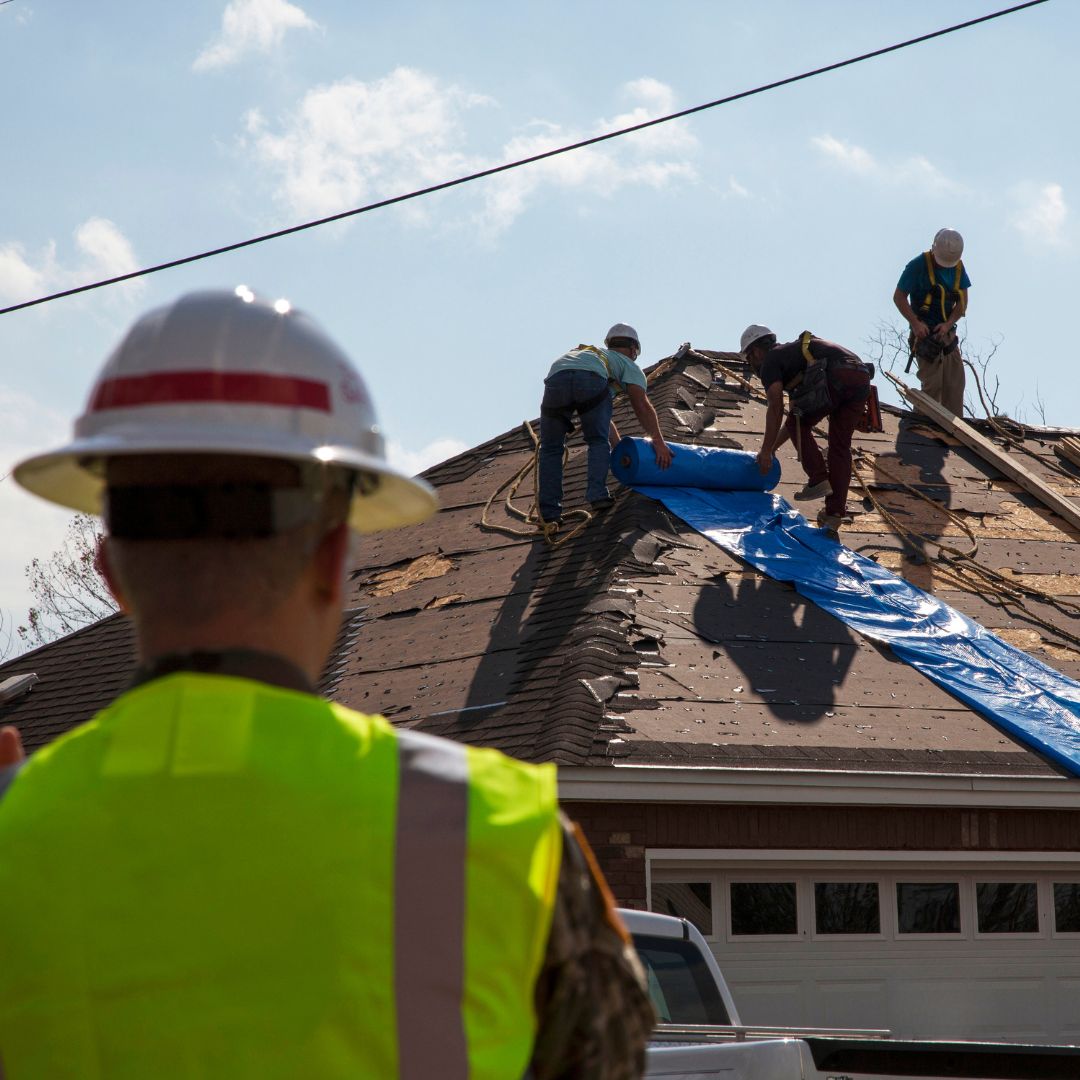
Winter repairs present challenges. Cold temperatures affect shingle sealants and create safety hazards. However, emergency repairs for active leaks may be necessary regardless of season. In these cases, temporary solutions—such as tarping—can prevent further damage until permanent repairs become feasible.
Plan ahead whenever possible. Scheduling inspections in late winter or early spring identifies damage from the harshest months, allowing you to book contractors before their busy summer seasons.
Frequently Asked Questions
What are the step-by-step phases of the roof repair process in New Brunswick?
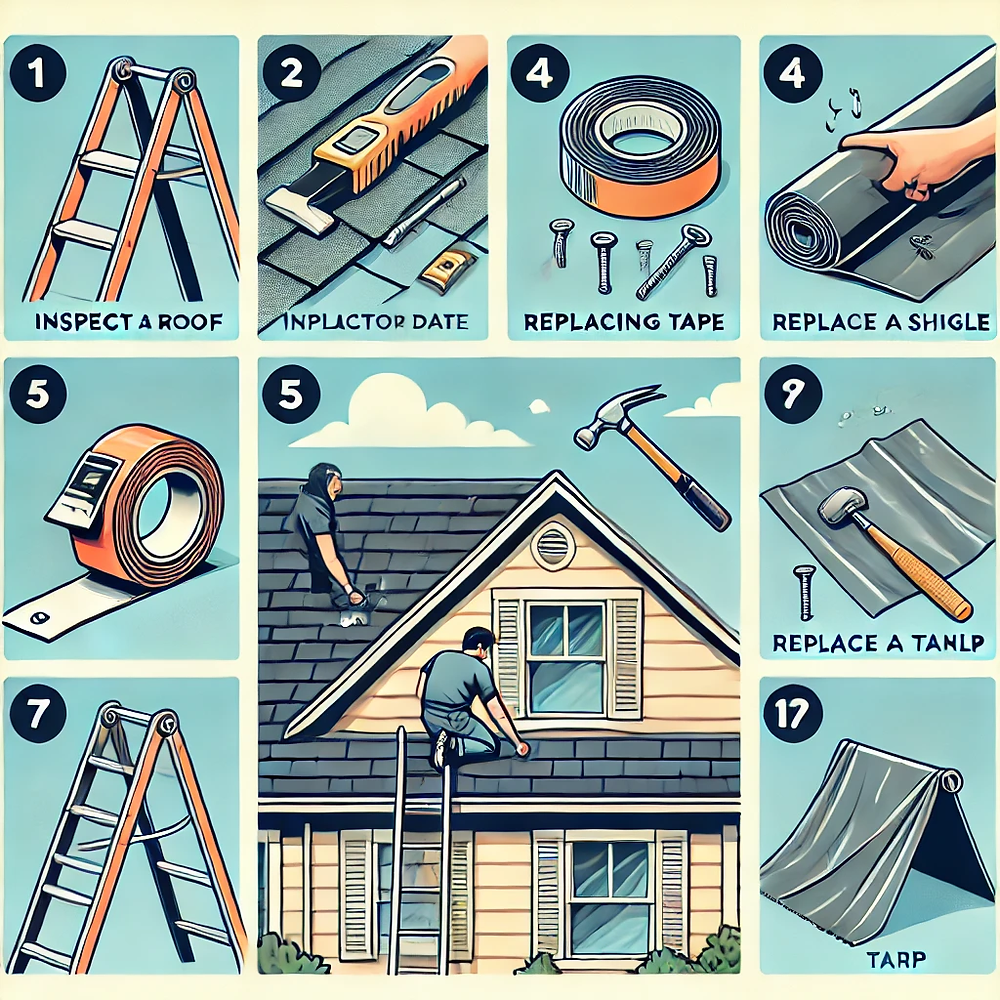
The roof repair process follows seven key phases: initial damage assessment, professional inspection, documentation and insurance claims if applicable, permit acquisition when required, contractor selection, repair execution, and final inspection with ongoing maintenance planning.
How do I assess if my roof needs repair versus replacement?
Roof age, damage extent, and material type determine whether repair or replacement is appropriate. Localized damage on a relatively new roof typically warrants repair. Widespread deterioration, structural issues, or roofs approaching the end of their expected lifespan—typically 20–25 years for asphalt shingles—may require full replacement.
Suggested read: Choose the Best Roofing Material for Your New Brunswick Home
What does a professional roof inspection include?
Professional inspections assess structural integrity, membrane or shingle condition, flashing around penetrations, ventilation systems, gutters, and evidence of water intrusion. Inspectors examine both exterior surfaces and attic spaces to identify hidden damage invisible from ground level.
How much does roof repair typically cost in New Brunswick?
Costs vary significantly based on damage extent, roof type, and materials selected. Minor repairs may cost a few hundred dollars while extensive repairs can reach several thousand. Requesting multiple estimates from licensed contractors provides accurate pricing for your specific situation.
Do I need permits for roof repair in New Brunswick?
Permit requirements depend on scope of work and local municipal regulations. Minor repairs replacing like materials typically do not require permits. Significant structural work or changes affecting roof dimensions generally require approval from your local building authority.
How do I select a reputable roofing contractor in New Brunswick?
Verify contractor licensing through Consumer Protection NB, check for CRCA affiliations, request references from recent local projects, review insurance coverage documentation, and obtain written estimates from at least three different contractors before making your decision.
What are common signs of roof damage specific to New Brunswick’s climate?
Ice dam damage along roof edges, shingle deterioration from repeated freeze-thaw cycles, storm-related impact damage from Atlantic weather systems, and water infiltration during heavy rainfall events are particularly common issues in New Brunswick’s climate.
How long does a typical roof repair take?
Minor repairs may be completed in one day. More extensive repairs typically require three to five days. Projects involving structural work or full section replacement can take one to two weeks, with weather conditions as a significant variable in Atlantic Canada.
What maintenance prevents future roof repairs?
Regular inspections twice yearly and after major storms, keeping gutters clean and functional, trimming overhanging branches, addressing minor damage promptly before it worsens, and ensuring proper attic ventilation all extend roof lifespan and reduce repair frequency.
Conclusion
Navigating the roof repair process in New Brunswick requires attention to regional climate challenges, regulatory requirements, and contractor selection. By following this step-by-step approach—from initial assessment through final maintenance planning—you protect your home investment and ensure quality repairs that withstand Atlantic Canada’s demanding weather patterns.
Start with careful self-inspection, engage qualified professionals for thorough assessments, document everything thoroughly for insurance purposes, and maintain your roof consistently after repairs. These proactive steps minimize long-term costs and extend your roof’s service life.
For a related perspective, see our New Brunswick pros roofing repair and install.
Sources & References
- Source: WorkSafeNB – Roof Work Safety Guidelines (official)
Official provincial workplace safety authority providing roof work safety requirements [verified topical overlap: roof] - Source: Environment and Climate Change Canada – Climate Data (official)
Authoritative source for New Brunswick climate statistics including snowfall and freeze-thaw cycle data [verified topical overlap: new, brunswick]