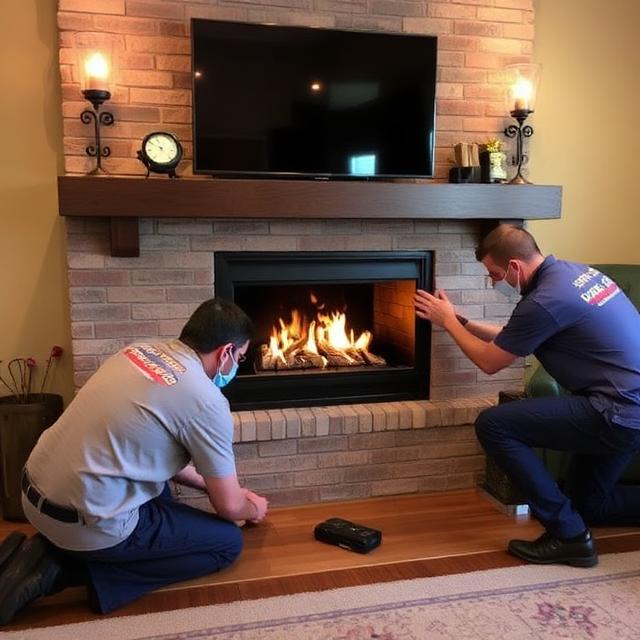
 When the temperature drops and you rely on your gas fireplace for warmth and ambiance, the last thing you want is a malfunction or safety hazard. Gas fireplace service is not just a luxury—it’s a critical investment in your home’s safety, energy efficiency, and long-term comfort. Whether you’re dealing with a flickering pilot light, unusual odors, or simply haven’t had your unit inspected in years, understanding the importance of professional gas fireplace maintenance can save you thousands in repairs while protecting your family from dangerous carbon monoxide exposure.
In this comprehensive article, we’ll explore everything you need to know about gas fireplace service, from identifying when your unit needs professional attention to understanding the maintenance process, costs, and benefits of regular servicing. By the end, you’ll have the knowledge to make informed decisions about keeping your gas fireplace operating safely and efficiently for decades to come.
Why Professional Gas Fireplace Service Matters More Than You Think
Many homeowners make the costly mistake of treating their gas fireplace like a simple appliance that requires minimal attention. Unlike traditional wood-burning fireplaces, gas fireplaces contain sophisticated mechanical and electronic components that require specialized knowledge to service properly. Professional gas fireplace service addresses multiple critical areas that impact both safety and performance.
The primary concern with any gas appliance is safety. Gas fireplaces produce carbon monoxide, a colorless, odorless gas that can be lethal in enclosed spaces. According to the Centers for Disease Control and Prevention (CDC), more than 400 Americans die from unintentional carbon monoxide poisoning annually, with thousands more requiring emergency medical treatment. A properly serviced gas fireplace includes thorough inspection of ventilation systems, gas line integrity, and combustion efficiency to prevent dangerous gas buildup in your home.
Beyond safety, regular gas fireplace maintenance directly impacts your energy bills and the lifespan of your investment. A poorly maintained gas fireplace can consume up to 30% more fuel than a properly tuned unit, according to industry studies. When burners become clogged with debris, pilot lights malfunction, or thermocouples fail, your fireplace works harder to produce the same amount of heat, driving up your monthly utility costs. Professional technicians can identify and correct these efficiency problems before they escalate into expensive repairs or complete system failures.
Environmental responsibility also plays a role in the importance of regular servicing. An improperly functioning gas fireplace releases more pollutants into the atmosphere, including nitrogen oxides and particulate matter. By ensuring your unit burns cleanly and efficiently through professional service, you’re reducing your carbon footprint while maintaining optimal indoor air quality for your family.
Common Warning Signs Your Gas Fireplace Needs Immediate Service
Understanding when to call for gas fireplace service can prevent minor issues from becoming major emergencies. Homeowners should remain vigilant for several telltale indicators that professional attention is required. Recognizing these warning signs early can save you from costly repairs, dangerous situations, and uncomfortable nights without heat.
Suggested read: Why Your Business Needs Commercial Handyman Services: Expert Solutions for Property Maintenance
Visual and Performance Indicators
The flame pattern in your gas fireplace provides valuable diagnostic information about its condition. A healthy gas fireplace flame should burn predominantly blue with minimal yellow or orange coloring. If you notice excessive yellow or orange flames, this indicates incomplete combustion caused by dirt buildup on burners, improper air-to-gas mixture ratios, or ventilation problems. This condition not only reduces heating efficiency but also increases carbon monoxide production, creating a serious health hazard.
Soot accumulation on the glass doors or surrounding fireplace walls is another critical warning sign. While some minimal discoloration is normal over extended use periods, rapid or excessive soot buildup indicates combustion problems that require immediate professional evaluation. This issue often results from clogged burner ports, damaged logs or embers, or insufficient oxygen supply to the combustion chamber.
If your pilot light refuses to stay lit or requires multiple ignition attempts, you’re dealing with a problem that needs expert diagnosis. Common culprits include faulty thermocouples, dirty pilot assemblies, gas pressure irregularities, or draft issues in the venting system. Attempting to repeatedly light a malfunctioning pilot can waste gas and potentially create dangerous situations if unburned gas accumulates in the firebox.
Audible Warning Signals
Strange noises emanating from your gas fireplace should never be ignored. Popping, banging, or whistling sounds during operation typically indicate problems with the burner assembly, gas pressure regulation, or structural components expanding and contracting unevenly. These sounds can signal everything from harmless mineral deposits on burners to dangerous gas line issues requiring immediate professional intervention.
A persistent clicking sound when the fireplace is off often indicates problems with the ignition system or gas valve. Modern gas fireplaces use electronic ignition systems that can malfunction due to electrical issues, component wear, or environmental factors. These systems require specialized knowledge and tools for proper diagnosis and repair.
Odor and Air Quality Concerns
While gas fireplaces produce minimal odor during normal operation, certain smells demand immediate attention. A strong gas odor at any time—whether the fireplace is operating or not—requires you to immediately shut off the gas supply, evacuate the building, and contact emergency services before calling for repair service. Natural gas suppliers add mercaptan, a sulfur compound with a distinctive “rotten egg” smell, specifically to make gas leaks detectable.
Burning plastic or chemical odors during fireplace operation suggest overheating components, melting wiring insulation, or foreign materials in the combustion chamber. These situations create fire hazards and potential toxic fume exposure, warranting immediate shutdown and professional inspection.
The Comprehensive Gas Fireplace Service Process Explained
Understanding what happens during a professional gas fireplace service appointment helps homeowners appreciate the value they’re receiving and ensures technicians are performing thorough work. A complete service call encompasses multiple inspection points, cleaning procedures, and safety tests that protect your investment and your family.
Suggested read: Professional Warehouse Cleaning Services: Expert Solutions for Industrial Facilities
Initial Assessment and Safety Inspection
Professional technicians begin every service call with a comprehensive visual inspection of the entire fireplace system. This includes examining the external condition of the fireplace surround, glass doors, and control panel for signs of damage, discoloration, or unusual wear patterns. Experienced technicians can identify potential problems simply by observing how the fireplace has aged and been used.
The gas line inspection represents one of the most critical safety components of any service call. Technicians check all connections, valves, and supply lines for leaks using specialized detection equipment. Even microscopic gas leaks can accumulate over time, creating explosion risks or chronic low-level carbon monoxide exposure. This inspection extends from the main gas supply through all connection points to the fireplace itself.
Ventilation system evaluation ensures your fireplace exhausts combustion byproducts safely outside your home. Technicians inspect the vent pipe or chimney for obstructions, damage, proper slope, and secure connections. They also verify that termination caps are intact and positioned correctly to prevent downdrafts or animal entry. Blocked or damaged venting is a leading cause of carbon monoxide incidents in homes with gas fireplaces.
Component Cleaning and Maintenance
The burner assembly cleaning forms the heart of most gas fireplace service appointments. Over time, dust, pet hair, and other debris accumulate on burner ports, restricting gas flow and creating uneven flame patterns. Technicians carefully remove burner assemblies, thoroughly clean each port using specialized tools and compressed air, and reassemble everything to manufacturer specifications. This process alone can restore proper flame appearance and improve heating efficiency by 20-30%.
Pilot assembly service includes cleaning the pilot orifice, thermocouple, and surrounding components. The thermocouple is a safety device that shuts off gas flow if the pilot light extinguishes, preventing dangerous gas accumulation. Mineral deposits and corrosion can cause thermocouples to malfunction, leading to pilot light problems that frustrate homeowners. Professional cleaning and testing ensure this critical safety component functions reliably.
Technicians also clean or replace glass doors and ceramic logs as needed. While these components seem purely aesthetic, they actually play important roles in fireplace efficiency and safety. Properly positioned ceramic logs create the correct flame pattern and heat distribution, while clean glass doors maximize radiant heat transfer into your living space. Many homeowners don’t realize that rearranged or damaged logs can significantly impact fireplace performance and safety.
Testing, Calibration, and Final Verification
After cleaning and inspection, technicians perform a series of operational tests to verify proper function. This includes testing the ignition system, verifying gas pressure at the appliance, checking the flame sensor operation, and ensuring all safety shutoff systems function correctly. These tests often reveal problems that weren’t apparent during visual inspection but could cause failures during the heating season.
Thermostat and remote control verification ensures your fireplace responds properly to commands and maintains desired temperature settings. Modern gas fireplaces include sophisticated electronic controls that can drift out of calibration or develop intermittent faults. Technicians test these systems under various operating conditions to ensure reliability.
Suggested read: AllTerrain Services: Expert Solutions for Every Landscape Challenge
The final step involves a carbon monoxide emissions test using professional-grade detection equipment. This test measures the concentration of carbon monoxide in the exhaust stream and around the fireplace to ensure safe operation. Readings above established safety thresholds indicate combustion problems requiring additional service before the fireplace can be safely used.
Gas Fireplace Service Cost: Investment Analysis and Value Breakdown
Understanding the financial aspects of gas fireplace service helps homeowners budget appropriately and recognize the value of preventive maintenance versus emergency repairs. While costs vary based on location, fireplace type, and service provider, certain industry standards help establish reasonable expectations.
Standard Service Call Pricing
Most professional gas fireplace service providers charge between $150 and $350 for a comprehensive annual maintenance visit. This typically includes all inspection, cleaning, and testing procedures described above, plus minor adjustments and consumable parts like thermocouple replacements if needed. Geographic location significantly impacts pricing, with urban areas and regions with higher costs of living generally commanding premium rates.
Flat-rate pricing has become increasingly common in the HVAC and fireplace service industry. This approach benefits homeowners by eliminating surprise charges and ensuring consistent pricing regardless of how long the service takes. However, major repairs or parts replacements discovered during service typically incur additional charges beyond the base service fee.
Many companies offer annual service contracts or membership programs that reduce per-visit costs in exchange for commitment to regular maintenance. These programs often include priority scheduling, discounted repair rates, and extended warranties on parts and labor. For homeowners who use their gas fireplaces extensively throughout the heating season, these programs typically pay for themselves through reduced energy consumption and prevented repairs.
Repair Costs and Common Issues
Beyond routine maintenance, understanding common gas fireplace repair costs helps homeowners prepare for potential expenses:
| Component/Issue | Typical Cost Range | Average Timeline |
|---|---|---|
| Thermocouple replacement | $150 – $300 | 1-2 hours |
| Gas valve replacement | $300 – $600 | 2-4 hours |
| Ignition system repair | $200 – $500 | 1-3 hours |
| Blower motor replacement | $350 – $700 | 2-4 hours |
| Glass door replacement | $200 – $600 | 1-2 hours |
| Complete burner assembly | $400 – $1,200 | 3-6 hours |
| Control board replacement | $350 – $800 | 2-4 hours |
| Venting system repair | $500 – $2,000 | 4-8 hours |
These costs demonstrate why preventive gas fireplace service represents such excellent value. A $250 annual service call that prevents a $1,500 emergency repair during the coldest week of winter pays for itself six times over while ensuring continuous comfort and safety.
Long-term Financial Benefits
Regular gas fireplace maintenance delivers quantifiable financial benefits beyond avoiding major repairs. Improved fuel efficiency typically saves homeowners 15-30% on the gas consumed by their fireplace compared to neglected units. For a fireplace used extensively during a four-month heating season, this can amount to $100-$300 in annual savings depending on local gas prices and usage patterns.
Suggested read: Everything You Need to Know About Hello Mobile Customer Service: Your Ultimate Resource for Support and Solutions
Extended equipment lifespan represents another significant value proposition. Gas fireplaces properly maintained through regular professional service commonly operate reliably for 20-25 years, while neglected units often require major repairs or replacement within 10-15 years. Considering that new gas fireplace installations cost $3,000-$10,000 depending on style and features, the return on investment for regular maintenance becomes crystal clear.
Seasonal Gas Fireplace Service: Timing Your Maintenance for Maximum Benefit
Strategic timing of your gas fireplace service appointments maximizes both safety and convenience while ensuring your fireplace performs flawlessly when you need it most. Understanding seasonal considerations helps homeowners develop a maintenance schedule that fits their usage patterns and regional climate.
Fall: The Optimal Pre-Season Service Window
September through early November represents the ideal timeframe for annual gas fireplace service in most North American regions. Scheduling service during this window provides several strategic advantages that benefit both homeowners and service providers. Technicians have greater availability before the rush of emergency calls that inevitably arrives with the first cold snap, allowing more flexible scheduling and often lower rates.
Pre-season service ensures your fireplace is ready to perform reliably from the first moment you need heat. There’s nothing more frustrating—or potentially dangerous—than discovering a malfunction during the year’s first cold evening when service companies are overwhelmed with emergency calls and wait times extend to days or even weeks. By servicing your fireplace before heating season begins, you gain peace of mind knowing your system will function safely and efficiently throughout the winter months.
The fall service window also allows time to order and install any necessary replacement parts before they’re urgently needed. Supply chain issues can delay parts delivery, particularly for older fireplace models or specialty components. Discovering during a routine fall service that your gas valve needs replacement gives you time to source the correct part and schedule installation at your convenience, rather than suffering through a cold house while waiting for emergency repairs.
Spring: Post-Season Inspection and Off-Season Storage
While less common than fall service, spring gas fireplace service offers specific benefits for certain homeowners. If you use your fireplace heavily throughout winter, a post-season inspection can identify damage or wear caused by intensive use. This allows you to address issues during the off-season when service providers offer better availability and competitive pricing.
Spring service also provides an opportunity to properly prepare your fireplace for summer storage. This includes final cleaning to remove any accumulated debris, inspection of seals and gaskets that may have degraded during heavy use, and verification that all safety systems function correctly. Some technicians recommend leaving the pilot light on year-round to prevent moisture accumulation and corrosion, while others suggest shutting it off to save energy—your spring service appointment is the perfect time to discuss the best approach for your specific situation.
For homeowners following comprehensive maintenance schedules, bi-annual service (fall and spring) provides maximum protection and performance. This approach is particularly valuable for high-end fireplace installations, commercial applications, or situations where fireplace reliability is critical due to limited alternative heating sources.
Suggested read: Retail Customer Service: Modern Strategies for Building Customer Loyalty and Driving Sales Growth
DIY Maintenance vs. Professional Gas Fireplace Service: Understanding the Boundaries
While certain basic maintenance tasks can be safely performed by homeowners, understanding the distinction between appropriate DIY maintenance and necessary professional gas fireplace service is crucial for both safety and legal compliance. Crossing these boundaries can void warranties, violate local codes, and create dangerous situations.
Safe Homeowner Maintenance Tasks
Homeowners can and should perform several basic maintenance activities between professional service calls. Regular glass cleaning maintains aesthetic appeal and allows better radiant heat transfer. Use only cleaners specifically formulated for gas fireplace glass, as harsh chemicals can damage the ceramic coating and residue can affect combustion. Clean glass when the fireplace is completely cool, and avoid abrasive scrubbing pads that can scratch the surface.
Visual inspection represents another valuable homeowner activity. Monthly checks during the heating season should include observing flame color and pattern, listening for unusual sounds, checking for soot accumulation, and verifying that the glass remains clear. These observations help you identify problems early and schedule professional service before minor issues become major failures.
Basic exterior cleaning of the fireplace surround, mantel, and controls keeps your fireplace looking attractive while removing dust and debris that could be drawn into the combustion chamber. Use soft cloths and appropriate cleaning products for your fireplace materials, avoiding moisture near gas controls and electronic components.
Tasks Requiring Professional Service
Anything involving gas line connections, pressure adjustments, or component replacement should only be performed by licensed professionals. Even seemingly simple tasks like replacing a thermocouple require specialized knowledge to ensure proper installation, correct torque specifications, and verification of safe operation. Improper installation of gas components can create leak risks that endanger your entire household.
Combustion chamber cleaning and burner service requires specialized tools and knowledge to avoid damaging delicate components. Burner ports have specific diameters and patterns that must be maintained precisely for proper operation. Amateur cleaning attempts often enlarge ports or alter configurations, leading to dangerous flame patterns and combustion inefficiency that creates carbon monoxide hazards.
Venting system inspection and repair requires professional expertise to ensure safe operation. Even small gaps in vent pipes or improper sealing can allow combustion byproducts to enter living spaces. Many jurisdictions require licensed professionals to perform any work on gas appliance venting systems due to the serious safety implications of improper installation.
Suggested read: Professional Daycare Cleaning Services: Health Standards, Safety Protocols, and Best Practices
It’s worth noting that the salute service recovery model approach to customer service emphasizes the importance of knowing when to seek professional help rather than attempting repairs beyond your skill level. This principle applies perfectly to gas fireplace maintenance—recognizing your limitations protects both your safety and your investment.
Choosing the Right Gas Fireplace Service Provider: Quality Indicators and Red Flags
Selecting a qualified, reputable gas fireplace service provider ensures you receive safe, effective maintenance that protects your investment. Understanding what to look for—and what to avoid—helps homeowners make informed decisions in a market filled with varying levels of expertise and professionalism.
Essential Qualifications and Credentials
Licensed professionals should possess specific certifications that demonstrate their expertise with gas appliances. Look for technicians certified by the National Fireplace Institute (NFI) or equivalent regional certifying bodies. NFI certification requires passing comprehensive examinations covering gas fireplace installation, service, and safety protocols. These credentials indicate that the technician has invested in professional development and stays current with industry standards.
Proper licensing and insurance protects homeowners from liability and ensures service providers meet local regulatory requirements. Gas work typically requires specific contractor licenses that vary by jurisdiction. Request proof of both liability insurance and workers’ compensation coverage before allowing anyone to work on your gas fireplace. Unlicensed or uninsured service providers may offer lower rates, but they expose you to significant legal and financial risks if accidents occur.
Manufacturer-authorized service represents the gold standard for certain fireplace brands. Premium manufacturers often maintain networks of authorized service providers who receive specialized training on their specific products. While these providers may charge slightly higher rates, they offer advantages including access to proprietary parts, manufacturer support for complex issues, and maintenance that preserves warranty coverage.
Service Quality Indicators
Reputable gas fireplace service companies demonstrate their professionalism through multiple quality indicators. Detailed written estimates before beginning work show respect for customers and prevent surprise charges. Estimates should itemize labor, parts, and any applicable service fees, while clearly explaining what work will be performed and what is excluded.
Comprehensive service documentation after appointment completion provides valuable records for warranty claims, future service reference, and potential home sale situations. Quality service companies provide detailed reports documenting all work performed, parts replaced, test results, and recommendations for future service. This documentation demonstrates thoroughness and accountability while giving you clear records of your fireplace’s service history.
Clear communication throughout the service process indicates professionalism and customer focus. Technicians should arrive within scheduled time windows, explain their findings in understandable terms, and provide honest recommendations without high-pressure sales tactics. They should welcome your questions and take time to ensure you understand any issues identified and recommended solutions.
Suggested read: Professional Bilingual Answering Service Solutions for Growing Businesses
Warning Signs to Avoid
Several red flags indicate potential problems with gas fireplace service providers. Lack of proper licensing or reluctance to provide proof of insurance should immediately disqualify any service company. Similarly, providers who cannot or will not provide references from previous customers may be hiding poor service quality or business practices.
Extremely low pricing that seems too good to be true often indicates inexperience, lack of insurance, or plans to upsell unnecessary services once in your home. While competitive pricing is reasonable, rates significantly below market averages suggest the provider may be cutting corners on training, insurance, or service quality.
High-pressure sales tactics during service calls indicate the company prioritizes revenue over customer needs. Quality service providers identify genuine problems and explain recommended solutions without aggressive sales pressure. Be wary of technicians who “discover” extensive problems requiring immediate expensive repairs during routine service calls, particularly if they offer significant discounts for immediate authorization.
Maximizing Your Gas Fireplace Investment Through Regular Service
Viewing gas fireplace service as an ongoing investment rather than an occasional expense changes how homeowners approach fireplace ownership. This perspective shift leads to better maintenance habits, improved safety, and significantly enhanced long-term value from your heating system.
Performance Optimization Strategies
Regular professional service allows technicians to fine-tune combustion efficiency beyond what’s possible during initial installation. As fireplaces age and usage patterns become established, minor adjustments to gas pressure, air mixture, and burner positioning can dramatically improve both heating output and fuel economy. These optimizations require professional equipment and expertise but deliver measurable improvements in fireplace performance.
Seasonal adjustment of ventilation and combustion parameters accounts for changing environmental conditions throughout the year. Temperature, humidity, and barometric pressure all affect gas fireplace operation. Experienced technicians understand these variables and can adjust your fireplace to perform optimally under local conditions during service appointments.
Technology Integration and Upgrades
Modern gas fireplace service often includes opportunities to upgrade older systems with contemporary technology. Smart thermostats and remote controls can be retrofitted to many existing fireplaces, providing convenient operation and improved energy management. Professional service appointments represent ideal opportunities to discuss these upgrades and have them installed properly.
Efficiency-enhancing accessories like blower kits, programmable timers, and zone control systems can be added during service calls to improve fireplace functionality. Your service technician can recommend upgrades appropriate for your specific fireplace model and usage patterns, then install them correctly to ensure reliable operation and preserved warranty coverage.
Suggested read: Why Digital Safety Matters: Understanding Aura Service and Identity Protection
Documentation and Value Protection
Maintaining comprehensive service records through regular professional maintenance substantially enhances your home’s value. When selling your home, documented gas fireplace service history demonstrates responsible ownership and provides potential buyers confidence in the system’s condition. Many home inspectors specifically look for evidence of regular gas appliance maintenance when evaluating property condition.
These records also prove invaluable for warranty claims and insurance purposes. If fireplace problems develop, documented regular maintenance can help establish that the issue results from component failure rather than owner neglect. This documentation often determines whether repairs are covered under warranty or insurance policies.
Frequently Asked Questions About Gas Fireplace Service
How often should I schedule gas fireplace service?
Most manufacturers and industry experts recommend annual professional gas fireplace service for optimal safety and performance. Homeowners who use their fireplaces extensively (daily during heating season) may benefit from twice-yearly service appointments in fall and spring. At minimum, you should have your gas fireplace professionally serviced every two years, though annual service provides better protection and value.
Can I service my own gas fireplace to save money?
While homeowners can perform basic maintenance tasks like cleaning glass and visual inspections, professional gas fireplace service should be performed by licensed technicians. Gas appliances present serious safety risks when improperly serviced, including carbon monoxide exposure, gas leaks, and fire hazards. Professional service also ensures warranty compliance and adherence to local building codes. The relatively modest cost of annual professional service is insignificant compared to the risks of DIY gas work.
What happens if I skip regular gas fireplace service?
Neglecting gas fireplace service leads to progressive deterioration in safety, efficiency, and reliability. Component wear accelerates without proper maintenance, increasing the likelihood of expensive failures during peak usage periods. More seriously, undetected combustion problems can create dangerous carbon monoxide levels in your home. Skipped maintenance also typically voids manufacturer warranties, leaving you fully responsible for repair costs that proper service would have prevented.
How do I know if my gas fireplace service provider is qualified?
Qualified gas fireplace service providers should possess National Fireplace Institute (NFI) certification or equivalent credentials, appropriate state or local contractor licenses for gas work, and current liability insurance and workers’ compensation coverage. Request proof of these qualifications before hiring any service provider. Additionally, look for providers with established reputations, positive customer reviews, and transparent pricing policies. Membership in professional organizations like the Hearth, Patio & Barbecue Association (HPBA) indicates commitment to industry standards.
What’s included in a standard gas fireplace service appointment?
Comprehensive gas fireplace service includes inspection of all gas lines and connections for leaks, thorough cleaning of burner assemblies and pilot components, testing of ignition systems and safety shutoffs, verification of proper venting and combustion, carbon monoxide emissions testing, inspection and cleaning of glass doors and ceramic logs, and testing of thermostats and remote controls. Technicians should provide detailed documentation of all work performed and recommendations for any needed repairs or improvements.
Is gas fireplace service really necessary for newer fireplaces?
Yes—even brand new gas fireplaces benefit from professional gas fireplace service. Initial break-in periods can reveal installation issues or factory defects best addressed promptly. Annual service ensures warranty compliance and prevents minor issues from developing into major problems. Moreover, combustion efficiency requires periodic adjustment as environmental conditions change and components settle into regular use patterns. Regular service from the beginning establishes baseline performance data that helps identify developing problems throughout the fireplace’s lifetime.
Suggested read: Service Elevator: Essential Vertical Transportation for Commercial and Industrial Buildings
How much does professional gas fireplace service typically cost?
Standard gas fireplace service appointments typically cost between $150 and $350 depending on your location, service provider, and fireplace type. This investment includes comprehensive inspection, cleaning, testing, and minor adjustments. Major repairs or parts replacements incur additional charges. Many companies offer annual service contracts that reduce per-visit costs while providing priority scheduling and other benefits. Given that regular service prevents expensive emergency repairs and improves fuel efficiency, annual professional service represents excellent value for fireplace owners.
Take Action: Schedule Your Gas Fireplace Service Today
Don’t wait for problems to develop or risk going into heating season with an unserviced fireplace. Professional gas fireplace service provides essential safety protection, improved efficiency, and peace of mind that your heating system will perform reliably when you need it most. The modest investment in annual service pays for itself through prevented repairs, reduced energy consumption, and the priceless value of knowing your family is safe from carbon monoxide and fire hazards.
Contact a licensed, certified gas fireplace service provider today to schedule your pre-season maintenance appointment. Ask about service contracts that provide ongoing protection at reduced rates, and inquire about any current promotions or seasonal discounts. Your fireplace is a significant investment in your home’s comfort and value—protect it with the professional care it deserves.
For reliable, experienced gas fireplace service from certified technicians who prioritize your safety and satisfaction, reach out to qualified providers in your area who demonstrate the credentials, insurance, and customer focus that ensure quality results. Don’t compromise on something as important as your family’s safety and comfort—choose professional service that delivers lasting value and peace of mind.
Citations and Sources
Information in this article about gas fireplace service, maintenance procedures, safety protocols, and industry standards comes from multiple authoritative sources:
- National Fireplace Institute (NFI): Professional certification standards and recommended maintenance practices for gas fireplace service professionals
- Centers for Disease Control and Prevention (CDC): Carbon monoxide poisoning statistics and safety information
- Hearth, Patio & Barbecue Association (HPBA): Industry standards and consumer education resources for gas fireplace service
- Manufacturer technical documentation: Service procedures and specifications from leading gas fireplace manufacturers
- National Fire Protection Association (NFPA): Safety codes and standards for gas-fired appliances and venting systems
For more comprehensive information about gas fireplace service and related home heating solutions, consult certified professionals and manufacturer resources specific to your fireplace model.
This article was created to provide comprehensive information about gas fireplace service for homeowners seeking to maintain their heating systems safely and effectively. Always consult with licensed professionals for service specific to your gas fireplace model and local code requirements.