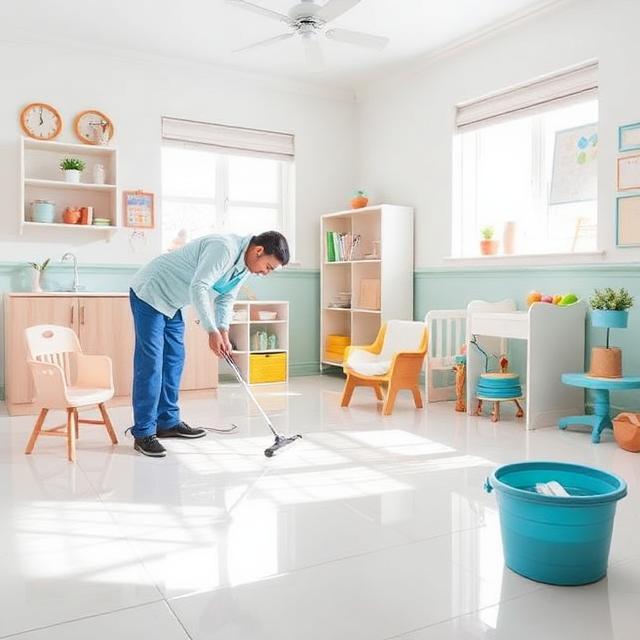
What Is a Professional Daycare Cleaning Service and Why It Matters
A daycare cleaning service refers to specialized professional cleaning companies that cater specifically to the unique needs of childcare facilities, preschools, and early childhood education centers. These services go far beyond standard commercial cleaning by implementing protocols designed to eliminate pathogens, allergens, and harmful substances while remaining safe for infants and young children. The primary goal of a daycare cleaning service is to create and maintain a sanitized environment that protects the health and safety of children, staff members, and parents while complying with state and federal childcare regulations. Professional daycare cleaners understand the distinct challenges of cleaning spaces where children spend significant time, where illness spreads quickly, and where chemical exposure must be minimized due to developing immune systems and respiratory systems.
The importance of specialized daycare cleaning services cannot be overstated, as research consistently demonstrates that childcare facilities are high-risk environments for disease transmission. Studies from the Centers for Disease Control and Prevention show that children in group childcare settings experience significantly higher rates of respiratory infections, gastroenteritis, and other communicable diseases compared to children in home-based care. The shared spaces, frequent hand-to-mouth contact, and limited hygiene practices of young children create ideal conditions for pathogen transmission. Professional daycare cleaning service providers address these challenges by implementing evidence-based cleaning and disinfection protocols that target the surfaces and objects most likely to harbor dangerous bacteria and viruses. Beyond health protection, maintaining immaculate facilities demonstrates professional standards to parents, builds trust in the facility’s management, and creates a welcoming environment that positively impacts enrollment and retention rates.
Understanding Regulatory Standards for Daycare Facility Cleaning
Every state maintains specific regulations governing sanitation and cleanliness standards in childcare facilities, making compliance a non-negotiable aspect of facility operation. These regulations, typically found in state childcare licensing rules, establish baseline requirements that all daycare cleaning services must understand and implement. For example, states may require that surfaces be cleaned and disinfected daily, that bathrooms receive multiple cleaning passes throughout the day, and that food preparation areas meet health department standards equivalent to commercial restaurants. Understanding these regulatory requirements helps facility directors evaluate whether prospective daycare cleaning service providers can actually meet legal obligations rather than simply offering general cleaning services.
The specific cleaning and sanitation regulations for daycare cleaning services vary by state but typically include requirements such as these core standards: all surfaces that children touch must be cleaned daily with appropriate cleansers and disinfected with EPA-approved products; bathrooms must be cleaned and sanitized at least twice daily with emphasis on toilet seats, handles, and sink areas; food service areas must meet state health department standards for restaurants; carpets must be vacuumed daily and deep cleaned at least quarterly; bedding and soft furnishings must be washed weekly or more frequently if soiled; and outdoor play areas must be inspected and cleaned regularly to prevent injuries and remove contamination. Many states also require that cleaning materials and chemicals be stored securely away from children’s access and that documentation of cleaning schedules be maintained for health inspections.
Suggested read: Raquel's Cleaning Services: The Professional Cleaning Solution Your Home and Office Deserves
Key Regulatory Compliance Areas for Professional Daycare Cleaning Services
| Regulatory Area | Specific Requirements | Inspection Frequency | Documentation Needs |
|---|---|---|---|
| Bathroom Sanitation | 2x daily cleaning, disinfection | Monthly inspections | Cleaning logs |
| Food Preparation | Health department standards | Quarterly health dept audits | Cleaning checklists |
| Floor and Carpet | Daily vacuuming, quarterly deep clean | Bi-annual inspections | Service records |
| Toy and Equipment Sanitization | Daily for frequently used items | Monthly spot checks | Inventory cleaning logs |
| Disease Outbreak Response | Enhanced disinfection protocols | As needed during outbreaks | Incident documentation |
| Chemical Storage | Locked storage away from children | Annual reviews | Inventory management |
| Air Quality and Ventilation | Regular HVAC maintenance | Annual testing | Service agreements |
How Professional Daycare Cleaning Services Work
Understanding the operational framework of a professional daycare cleaning service helps facility administrators evaluate whether potential vendors can meet their specific needs. Most daycare cleaning services operate through several distinct service models, with the most common being nightly cleaning after children leave, daytime touch-up services between activities, or a combination approach that includes comprehensive nightly cleaning supplemented by midday sanitization of high-touch surfaces. The nightly cleaning model typically occurs after all children and staff have departed, allowing cleaners to perform deep cleaning of all spaces, strip and wax floors if needed, sanitize bathrooms thoroughly, and address areas that cannot be cleaned while children are present. This approach works well for facilities with standard business hours, though it requires coordination to ensure the facility is accessible and secure during evening cleaning times.
The daytime daycare cleaning service approach involves cleaners coming during operating hours to perform quick sanitization of high-touch surfaces, bathrooms, and common areas throughout the day. This method has gained popularity in recent years as research has shown that pathogens persist on frequently touched surfaces for extended periods, making multiple cleaning passes throughout the day more effective at disease prevention than a single nightly cleaning. Professional daytime cleaners work discreetly to avoid disrupting learning and play activities, often cleaning while activities are happening in other spaces. The hybrid approach combines both methods, with a comprehensive nightly cleaning that includes deep cleaning, floor care, and attention to neglected areas, supplemented by 1-2 daytime visits focused on quick sanitization of bathrooms, diaper changing areas, food service zones, and other high-contact areas. Facility directors should evaluate which model best fits their budget, facility layout, operational schedule, and health priorities when selecting a daycare cleaning service.
Standard Operating Procedures in Professional Daycare Cleaning
- Pre-cleaning assessment – Cleaner inspects all areas, notes problem zones, identifies special cleaning needs
- Removal of clutter – Organizing toys, books, and materials before cleaning to access all surfaces
- Bathroom sanitation – Cleaning toilets, sinks, floors, and changing tables with appropriate disinfectants
- High-touch surface disinfection – Targeting doorknobs, light switches, railings, toy handles, and other frequently touched areas
- Floor cleaning – Vacuuming carpets thoroughly, mopping hard floors, addressing spills and sticky spots
- Food service area cleaning – Sanitizing tables, highchairs, food prep surfaces according to health codes
- Equipment and toy sanitization – Using approved disinfectants on toys that cannot go in dishwashers
- Fabric surface care – Vacuuming upholstered furniture, washing cushions and covers as needed
- Ventilation system maintenance – Checking HVAC filters, ensuring proper air circulation
- Documentation – Recording what was cleaned, products used, any issues noted, and time spent
Specialized Cleaning Protocols for Different Daycare Environments
Daycare cleaning services must adapt their approaches based on the specific age groups served, facility layout, and specialized spaces within the facility. Infant rooms require particularly sensitive approaches since infants place objects directly in their mouths and their immune systems are still developing. Cribs, changing tables, and toy sanitization must happen multiple times daily, and any fabric items must be washed frequently to prevent the spread of infections common in infant populations. The cleaning products used in infant rooms must be exceptionally safe, as these young children have vulnerable skin and respiratory systems that can be harmed by harsh chemicals. Many facilities working with infants specifically request daycare cleaning services that use only fragrance-free, hypoallergenic, baby-safe disinfectants and cleaning products.
Toddler and preschool areas require different focus areas, as these children are more mobile, explore their environment extensively, and engage in shared play activities that increase disease transmission risk. Play structures, climbing equipment, and soft toys in toddler areas must be sanitized regularly, and the high-traffic nature of these spaces means floors require more frequent attention. School-age rooms within before-and-after care programs may have homework areas, computer stations, and craft supplies that accumulate clutter requiring specialized organization and cleaning approaches. The distinction in daycare cleaning service protocols across age groups reflects the different developmental stages and associated risks, ensuring that each area receives appropriate attention tailored to its specific population and use patterns.
Specialized spaces within daycare facilities also require unique cleaning approaches that professional daycare cleaning services must understand. Food preparation and serving areas must meet commercial kitchen standards, including regular deep cleaning of appliances, sanitization of food contact surfaces, and pest prevention protocols. Bathrooms serving multiple age groups need multiple sinks at appropriate heights and require extra attention to preventing cross-contamination between toilet use and handwashing areas. Outdoor play areas need regular inspection for hazards, sanitization of high-touch equipment like handles and railings, and removal of debris that could contaminate surfaces. Art and science activity areas may require more frequent cleaning due to exposure to paints, glues, and other materials that can harbor bacteria. A comprehensive daycare cleaning service provider will develop customized protocols for each unique space rather than applying a one-size-fits-all approach.
Suggested read: Professional Warehouse Cleaning Services: Expert Solutions for Industrial Facilities
Chemical Safety and Product Selection in Daycare Cleaning Services
One of the most critical aspects of professional daycare cleaning services is the careful selection of cleaning and disinfecting products that effectively eliminate pathogens while remaining safe for children. The cleaning products used in childcare facilities must strike a delicate balance between antimicrobial efficacy and safety, as improper product selection can create health hazards that rival the problems the cleaning is meant to solve. Many facilities have experienced situations where children developed respiratory irritation, skin reactions, or other health effects from exposure to harsh cleaning chemicals, making product selection a legitimate concern for parents and administrators. Professional daycare cleaning service providers stay informed about which products are approved for use in childcare settings and understand the difference between products that are merely “child-safe” versus those specifically formulated and tested for use in facilities serving young children.
The Environmental Protection Agency (EPA) maintains a list of disinfectant products that have been tested and approved for use, including a subset specifically designated as safe for use in schools and childcare facilities. These approved products have demonstrated effectiveness against a broad spectrum of pathogens while meeting safety criteria for use in spaces where children are present. Professional daycare cleaning services should be familiar with this EPA list and be able to explain which products they use, why they selected those particular products, and what safety data exists for each product in their cleaning arsenal. Many facilities also request that cleaning services use EPA’s “List N” products, which are specifically authorized for use against SARS-CoV-2 and typically have strong efficacy against other viruses and bacteria as well. Beyond EPA approval, some facilities request organic, plant-based, or fragrance-free cleaning products that align with their values or accommodate children with sensitivities or allergies.
Comparison of Cleaning Product Categories for Daycare Use
| Product Category | Efficacy Level | Safety Profile | Best Uses | Limitations |
|---|---|---|---|---|
| Quaternary Ammonium (Quats) | Broad spectrum | Generally safe when diluted | Hard surfaces, high-touch areas | Less effective against some viruses |
| Hypochlorite (Bleach) | Excellent virucidal | Requires dilution, eye protection | Outbreak response, heavy contamination | Corrosive, requires ventilation |
| Hydrogen Peroxide | Good broad spectrum | Very safe for children | Soft surfaces, toys, mattresses | Lower concentration needed for safety |
| EPA List N Products | High efficacy against enveloped viruses | Tested for childcare safety | General facility disinfection | May be higher cost |
| Plant-Based Cleaners | Moderate efficacy | Excellent safety profile | Daily maintenance cleaning | May require higher concentrations |
| Enzymatic Cleaners | Effective on organic matter | Hypoallergenic options available | Biological contamination cleanup | Slower acting |
Disease Prevention and Outbreak Management Through Professional Cleaning
The connection between professional daycare cleaning services and disease prevention has become increasingly apparent, especially following the COVID-19 pandemic and renewed attention to infectious disease control in childcare settings. Research demonstrates that enhanced cleaning and disinfection protocols can significantly reduce the transmission of respiratory viruses, gastroenteritis-causing pathogens, and other communicable diseases common in childcare environments. A seminal study published in the American Journal of Infection Control found that daycare facilities implementing twice-daily disinfection protocols experienced 50% fewer confirmed cases of respiratory infections compared to facilities with once-daily cleaning. This dramatic reduction in illness translates directly to fewer children absent due to sickness, improved learning outcomes, reduced parental work absences, and enhanced facility reputation among families concerned about health and safety.
When disease outbreaks occur, professional daycare cleaning services must pivot quickly to enhanced protocols designed to interrupt transmission and prevent further spread. Upon notification of an outbreak, enhanced daycare cleaning service protocols may include multiple disinfection passes of high-touch surfaces throughout the day, more frequent bathroom sanitization, increased attention to food preparation and serving areas, and specialized treatment of any equipment or materials used by affected children. Some facilities maintain agreements with their daycare cleaning service providers that specify outbreak response procedures, including escalated frequency and scope of cleaning, use of specific disinfectants, and documentation requirements. These proactive arrangements ensure that when urgent cleaning needs arise, the facility can implement enhanced protocols immediately without scrambling to find emergency cleaning services or attempting to manage outbreak response without professional guidance.
Enhanced Cleaning Protocols During Outbreaks
- Increase cleaning frequency to 3-4 times daily instead of standard 1-2 times
- Extend dwell time of disinfectants (time product remains wet on surface)
- Include all surfaces even those not typically touched by children
- Sanitize toys more frequently with dishwasher safe items washed daily
- Address soft furnishings with appropriate treatment or replacement
- Implement contactless systems when possible (touchless soap dispensers, etc.)
- Improve ventilation by keeping windows open and ensuring HVAC systems function optimally
- Use EPA List N products specifically designed for virus elimination
- Document all actions to demonstrate due diligence if illnesses occur
- Communicate transparently with parents about steps being taken
Cost Factors and Budget Considerations for Daycare Cleaning Services
Understanding the cost structure of professional daycare cleaning services helps facility directors evaluate value and make informed budgeting decisions. The price of daycare cleaning services varies significantly based on facility size, cleaning frequency, geographic location, specific services included, and the complexity of your facility layout. A typical small home-based daycare serving 6-12 children might budget $300-600 monthly for twice-weekly cleaning visits, while a mid-sized facility serving 40-60 children might spend $1,500-3,000 monthly for regular nightly cleaning service. Larger centers with 100+ children, multiple specialized spaces, and daily enhanced cleaning protocols may invest $3,000-6,000 or more monthly in professional daycare cleaning services. These costs, while seemingly substantial, must be evaluated against the benefits of reduced illness transmission, maintained regulatory compliance, enhanced facility reputation, and staff time freed from cleaning duties.
Suggested read: Professional Concrete Cleaning Services: Transform Your Property's Curb Appeal
The price structure of daycare cleaning services typically includes several components that should be understood when evaluating quotes. Base service fees cover the standard cleaning visits at agreed-upon frequency, usually calculated as an hourly rate multiplied by the estimated time needed for thorough cleaning of your specific facility. Additional fees may apply for specialized services such as deep cleaning carpets quarterly, shampooing upholstered furniture, stripping and waxing floors, or cleaning HVAC systems and ventilation components. Emergency or outbreak-related enhanced cleaning typically incurs additional charges beyond the standard service agreement. Some daycare cleaning service providers offer discounts for longer-term contracts or bundled services, while others may charge premium rates for evening or weekend cleaning when staff are unavailable during regular business hours.
Cost Breakdown for Professional Daycare Cleaning Services
| Facility Size | Typical Monthly Cost | Included Services | Additional Costs |
|---|---|---|---|
| Small (under 20 children) | $400-$800 | 2x weekly cleaning, bathrooms | Deep clean: +$200-400 |
| Medium (20-60 children) | $1,200-$2,500 | 3-5x weekly, specialized spaces | Carpet cleaning: +$300-600 |
| Large (60-100+ children) | $2,500-$5,000 | Daily cleaning, multiple zones | Floor stripping: +$400-800 |
| Multi-building Campus | $5,000-$10,000+ | Comprehensive facility coverage | Specialized services: $500+ |
Choosing the Right Daycare Cleaning Service Provider
Selecting an appropriate daycare cleaning service provider requires careful evaluation based on experience, qualifications, insurance coverage, references, and alignment with your facility’s standards and values. The provider should be able to demonstrate specific experience working in childcare facilities and understanding of state childcare regulations, not simply offering general commercial cleaning services. Ask prospective daycare cleaning service providers to explain their knowledge of childcare sanitation standards, their familiarity with your state’s regulations, and how they stay current with evolving health and safety requirements. Many states require background checks and clearances for anyone working in childcare facilities, so verify that your potential daycare cleaning service provider complies with these requirements and can provide documentation of necessary clearances.
Insurance coverage is a critical but often overlooked factor when evaluating daycare cleaning service providers. Your facility’s liability insurance policy likely requires that contractors maintain their own general liability insurance, protecting your facility in the event that a cleaner is injured on-site or causes damage to facility equipment or property. Request proof of current liability insurance with your facility named as an additional insured party on the policy. Workers’ compensation insurance is equally important, demonstrating that the provider properly protects their own employees and won’t expect your facility to assume responsibility for worker injuries. References from other childcare facilities are invaluable, allowing you to speak directly with administrators who can describe the quality of service, responsiveness to special requests, reliability, and professionalism of potential daycare cleaning service providers. Ask references specifically about how the provider handles unexpected situations, responds to complaints, and adjusts protocols when needed.
Evaluation Checklist for Daycare Cleaning Service Providers
Experience and Qualifications
- [ ] Minimum 3 years experience cleaning childcare facilities
- [ ] Understanding of state childcare sanitation regulations
- [ ] Training in infection control and disease prevention
- [ ] Background check clearance and any required state certifications
Insurance and Legal Compliance
Suggested read: Direct Educational Services: Benefits and Implementation
- [ ] Current general liability insurance ($1M+ recommended)
- [ ] Your facility named as additional insured on policy
- [ ] Workers’ compensation insurance for all employees
- [ ] Compliance with state employment laws and regulations
References and Track Record
- [ ] Minimum 5 references from childcare facilities
- [ ] Ability to provide customer satisfaction ratings
- [ ] Demonstrated reliability and attendance record
- [ ] History of handling special situations professionally
Cleaning Standards and Protocols
- [ ] Written cleaning procedures matching state regulations
- [ ] Specific protocols for outbreaks and enhanced situations
- [ ] Transparency about products and chemicals used
- [ ] Willingness to accommodate facility-specific requests
Communication and Responsiveness
- [ ] Designated primary contact person
- [ ] Clear communication about scheduling and changes
- [ ] Receptiveness to feedback and service adjustments
- [ ] Documentation system for recording cleaning activities
Common Health Hazards Addressed by Professional Daycare Cleaning
Professional daycare cleaning services address numerous health hazards present in childcare environments that can have serious consequences if not properly managed. Diaper changing areas present particular challenges, as they’re sites of frequent contamination with fecal material containing pathogens like norovirus, rotavirus, and cryptosporidium that can cause severe gastroenteritis in infants and young children. The changing table surface, surrounding floor area, and supplies must be cleaned and disinfected after each use, with extra attention paid to preventing cross-contamination between diaper changing and food preparation areas. Professional daycare cleaning services understand the importance of using separate cleaning equipment for these different areas and following proper hand hygiene and disinfection procedures that many untrained staff members might overlook.
Respiratory droplet contamination represents another significant hazard that professional daycare cleaning services must address, as respiratory viruses spread through air droplets expelled during coughing and sneezing that land on surfaces. Hard surfaces in areas where respiratory symptoms are prevalent, such as areas where coughing or sneezing has occurred, require prompt disinfection to prevent others from becoming infected. The prevalence of rhinovirus, respiratory syncytial virus, influenza, and other respiratory pathogens in childcare settings makes comprehensive surface disinfection an essential component of daycare cleaning services. Soft surfaces like carpets, upholstered furniture, and toys can harbor respiratory viruses for extended periods, requiring specialized cleaning approaches that professional services provide through vacuuming with HEPA filters, enzymatic cleaning, or replacement of items that cannot be adequately sanitized.
Suggested read: Emergency Locksmith Services: How to Choose the Right Professional for Your Urgent Lock Needs
Allergenic substances present another health hazard addressed by daycare cleaning services, as many children develop allergies to dust mites, pet dander, mold spores, or pollen that accumulate in carpets and ventilation systems. Thorough vacuuming with HEPA filters captures these allergens rather than spreading them throughout the facility as regular vacuums do. Professional daycare cleaning services that include HVAC filter changes and ventilation system maintenance help reduce airborne allergens and improve overall air quality that benefits all children, particularly those with asthma or allergies. The seemingly simple task of maintaining clean ventilation systems has documented benefits for children’s respiratory health and academic performance, making this aspect of comprehensive daycare cleaning services particularly valuable.
Technology Integration in Modern Daycare Cleaning Services
Contemporary daycare cleaning services increasingly incorporate technology tools that enhance efficiency, transparency, and documentation. Many providers now use mobile applications that allow cleaners to document completed tasks with timestamps and photos, providing facility administrators with proof of service completion and detailed records of what was cleaned. These digital systems often include checklists that ensure every required task is completed, notes about any issues discovered during cleaning, and alerts to schedule specialized services like carpet deep cleaning or HVAC maintenance when appropriate. The documentation provided by tech-enabled daycare cleaning services proves invaluable during health inspections, when administrators must demonstrate compliance with sanitation regulations, and when disputes arise regarding whether specific tasks were completed.
UV-C light technology represents an emerging addition to the arsenal of professional daycare cleaning services, with some providers now offering UV-C sanitization of toys, equipment, and surfaces as a supplementary service to chemical disinfection. UV-C light damages the DNA of microorganisms, effectively killing bacteria, viruses, and fungi without chemical residue that might harm children. This technology is particularly valuable for items that cannot be easily disinfected through traditional methods and for facilities seeking chemical-free disinfection alternatives. However, UV-C technology should supplement rather than replace traditional chemical disinfection, as UV light requires line-of-sight contact and cannot reach shadowed areas or the interior of items. Forward-thinking daycare cleaning service providers stay informed about emerging technologies and offer clients the option to incorporate evidence-based innovations that enhance cleaning effectiveness.
Training and Certification for Daycare Cleaning Service Professionals
The quality of daycare cleaning services depends substantially on the training, knowledge, and commitment of the individual cleaners who perform the work. Unlike general commercial cleaning, which requires knowledge of standard cleaning and disinfection practices, childcare facility cleaning requires specialized understanding of infection control, disease transmission prevention, chemical safety in environments with young children, and regulatory compliance with childcare-specific rules. Professional daycare cleaning services that invest in ongoing training for their staff provide substantially better quality and more reliable service than companies that simply assign general cleaners to childcare accounts without specialized preparation. Many reputable daycare cleaning services require all staff to complete bloodborne pathogen training, first aid and CPR certification, and facility-specific orientation before working in childcare settings.
Suggested read: Why Digital Safety Matters: Understanding Aura Service and Identity Protection
Some states and professional organizations offer certification programs specifically for childcare cleaning professionals, validating expertise and commitment to high standards. The National Association for the Education of Young Children (NAEYC) and various state childcare licensing agencies provide resources and training materials focused on sanitation and infection control in childcare settings. Cleaners working for professional daycare cleaning services who pursue these certifications demonstrate knowledge of evidence-based practices and commitment to professional development. When evaluating daycare cleaning service providers, inquire about the training requirements for their staff, the frequency of continuing education, and any certifications their employees hold. Providers who invest in training their staff signal that they take quality seriously and understand the important role professional cleaning plays in children’s health and facility success.
Addressing Special Cleaning Needs and Customization
Every childcare facility has unique characteristics that may require specialized cleaning approaches, and high-quality daycare cleaning services offer customization to address specific needs. Some facilities include outdoor play areas that require regular cleaning and sanitization of equipment, removal of debris, and attention to ground surfaces that can harbor contamination. Others have specialized equipment like water tables, sensory materials, or outdoor learning structures that require particular care. Facilities with separate infant rooms, toddler classrooms, preschool areas, and school-age programs may need different cleaning protocols tailored to each age group’s specific risks and vulnerabilities. A flexible daycare cleaning service provider will work with facility administrators to develop customized service plans that address your specific layout, populations served, operational schedule, and health priorities.
Special events or situations sometimes create increased cleaning needs that should be addressed through formal agreements with your daycare cleaning service. Summer deep cleaning when enrollment may be lower, transition cleaning when facility areas are temporarily closed for renovation or repairs, and emergency cleaning following water damage, pest problems, or severe contamination events all require specialized responses. Reputable daycare cleaning services include these scenarios in their service agreements, specifying how additional charges will be calculated and how quickly they can respond to emergency situations. Some facilities establish retainer agreements that guarantee their daycare cleaning service provider can respond within specific timeframes for urgent cleaning needs, ensuring that problems don’t linger without professional attention while you scramble to find emergency services.
Building a Successful Partnership with Your Daycare Cleaning Service
Establishing a strong working relationship with your daycare cleaning service provider creates the foundation for reliable, high-quality service that truly supports your facility’s health and safety goals. Clear communication about expectations, preferences, and any concerns helps prevent misunderstandings and ensures that both parties are working toward the same objectives. Regular check-ins with your service provider allow you to address any issues promptly, provide feedback about specific tasks, and make adjustments as your facility’s needs evolve. Many facility administrators find it valuable to conduct periodic walk-throughs during or immediately after cleaning to observe the quality of work, identify any areas needing improved attention, and express appreciation for jobs done well.
Documentation and communication systems strengthen partnerships between facilities and daycare cleaning service providers by creating clear records of expectations, service delivery, and any issues. Service agreements should specify exactly what cleaning tasks are included, the frequency of service, response time for special requests, pricing structure, and how problems are addressed if they arise. Some facilities establish communication logs where cleaners can note any issues discovered during cleaning—broken equipment, pest signs, water damage, or other concerns—ensuring that facility administrators are informed about problems requiring attention. Conversely, administrators can leave notes about areas needing special attention, upcoming events requiring enhanced cleaning, or feedback about specific aspects of service. This ongoing dialogue demonstrates that both parties value the partnership and are committed to maintaining the facility at the highest standards.
Suggested read: Dental SEO Services: How to Rank Your Practice at the Top of Google and Get More Patients
Case Study: Outbreak Response in a Mid-Sized Daycare Center
A mid-sized daycare facility serving 75 children across five classrooms experienced a confirmed outbreak of respiratory syncytial virus (RSV) that spread across multiple age groups, resulting in 23 confirmed cases among children and staff over a two-week period. The facility’s established relationship with their daycare cleaning service provider proved critical in managing the outbreak. Upon notification of the outbreak, the service provider immediately shifted to enhanced protocols: cleaning and disinfecting all surfaces was increased from twice daily to four times daily, with special attention paid to high-touch areas and surfaces in classrooms where affected children had spent time. The provider used EPA List N disinfectants approved specifically for virus elimination and ensured adequate dwell time for products to effectively kill pathogens.
The facility also requested enhanced attention to ventilation systems, leading their daycare cleaning service provider to replace HVAC filters more frequently than scheduled and check systems for proper operation. Toys used by affected children were either sent home for extended isolation or disinfected with UV-C light technology as a supplementary approach. Soft surfaces like carpets and upholstered furniture in affected areas received special treatment using enzyme-based cleaners designed to break down viral particles. The comprehensive response from the daycare cleaning service provider, combined with enhanced health protocols and parental communication, helped bring the outbreak under control within three weeks rather than the month-long spread that might have occurred without professional intervention. Following the outbreak, the facility and their daycare cleaning service provider developed enhanced outbreak response procedures that could be implemented quickly if similar situations recurred.
Frequently Asked Questions About Daycare Cleaning Services
What is a daycare cleaning service and how is it different from regular cleaning?
A daycare cleaning service is specialized professional cleaning focused specifically on childcare facility needs rather than general commercial or residential cleaning. The difference lies in understanding childcare-specific sanitation standards, familiarity with disease transmission prevention in facilities serving young children, knowledge of products safe for use around infants and toddlers, and compliance with state childcare regulations. Regular cleaning services lack this specialized expertise and may not address the unique contamination risks present in childcare environments, particularly around diaper changing areas and food service zones.
How often should daycare facilities use a daycare cleaning service?
Most states require daily cleaning and disinfection of childcare facility surfaces, making daily or five-days-per-week daycare cleaning services the most common frequency. However, the optimal frequency depends on your facility’s size, operational schedule, number of children and staff, and state regulations. Some facilities contract for nightly deep cleaning supplemented by daytime touch-ups of high-contact areas, while others prefer daily comprehensive cleaning. During outbreaks or high-illness seasons, many facilities increase the frequency of their daycare cleaning service to multiple times daily for enhanced disease prevention.
What products do professional daycare cleaning services use?
Professional daycare cleaning services should use EPA-approved disinfectants that are safe for use in childcare facilities. Many providers use products from the EPA’s “List N” of disinfectants effective against viruses, or products specifically formulated and tested for use in schools and childcare environments. Ask your potential daycare cleaning service provider to provide information about specific products they use, safety data sheets for those products, and their rationale for selecting those particular products. Some facilities prefer plant-based, fragrance-free, or organic cleaning products, and reputable daycare cleaning services can accommodate these preferences.
Suggested read: Singapore Exhibition Services: Transform Your Brand Presence at Trade Shows and Events
How much does a daycare cleaning service cost?
Pricing for daycare cleaning services varies widely based on facility size, service frequency, geographic location, and specific services included. Small facilities might spend $400-800 monthly for twice-weekly service, while larger centers could spend $2,500-5,000+ monthly for daily comprehensive cleaning. Request quotes from multiple daycare cleaning service providers and compare what’s included in each quote. The lowest price doesn’t necessarily represent the best value—evaluate the experience of the provider, references from other childcare facilities, and the comprehensiveness of services included.
Can daycare cleaning services help prevent disease outbreaks?
Yes, professional daycare cleaning services with enhanced protocols can significantly reduce disease transmission in childcare facilities. Studies demonstrate that facilities implementing multiple-times-daily disinfection of high-touch surfaces experience substantially fewer respiratory infections and other communicable diseases. However, cleaning is one component of a comprehensive outbreak prevention strategy that also includes hand hygiene education, vaccination, health policies, and prompt removal of sick children from the facility.
What should I look for when choosing a daycare cleaning service provider?
Evaluate potential daycare cleaning service providers based on their specific experience in childcare settings, understanding of state regulations, liability insurance, references from other facilities, and responsiveness to your facility’s specific needs. Ask about training provided to staff, protocols for outbreak response, documentation systems, and flexibility to accommodate special requests. Many facility administrators find it valuable to observe the cleaning service in action before committing to a longer-term agreement.
Are daycare cleaning services required by law?
State childcare regulations require that facilities maintain clean and sanitary conditions meeting specific standards, but don’t necessarily mandate use of professional cleaning services. Many states allow facilities to meet sanitation requirements through staff-conducted cleaning. However, most childcare administrators recognize that professional daycare cleaning services provide superior results, ensure regulatory compliance, and free staff time for direct child care rather than cleaning duties.
How can I ensure my daycare cleaning service is meeting standards?
Establish clear expectations in your service agreement, conduct periodic inspections during or after cleaning, maintain documentation of cleaning activities, and address any concerns promptly with your daycare cleaning service provider. Regular communication, feedback, and walk-throughs help ensure the service continues meeting your facility’s standards and any evolving needs.
Suggested read: When Families Need Help: Understanding Infant Crisis Services and Support Systems
Schedule Your Professional Daycare Cleaning Service Today
Investing in professional daycare cleaning services is one of the most important decisions you can make for your facility’s health, safety, and success. Don’t leave disease prevention and regulatory compliance to chance with inadequate cleaning practices. Professional daycare cleaning services provide the expertise, reliability, and specialized knowledge needed to maintain the highest sanitation standards while creating a safe, healthy environment where children can learn and thrive.
Reach out to reputable daycare cleaning service providers in your area and request quotes today. Ask about their experience in childcare facilities, specific service offerings, training provided to their staff, and how they handle special situations and outbreak response. For comprehensive information about childcare facility requirements and sanitation standards, visit your state’s childcare licensing website or contact your local childcare licensing office.
Take control of your facility’s hygiene and health today by partnering with a professional daycare cleaning service that understands the unique challenges of maintaining childcare environments. Your children, staff, and parents deserve nothing less than the highest standards of cleanliness and safety. Learn more about how dentaquest customer service number can help connect you with qualified service providers who meet your facility’s specific needs.
Citation: Information about daycare cleaning services, sanitation standards, and infection control protocols is sourced from the Centers for Disease Control and Prevention (CDC), state childcare licensing regulations, the Environmental Protection Agency (EPA), and the American Journal of Infection Control. Professional guidelines from the National Association for the Education of Young Children (NAEYC) and research from the Institute of Medicine inform evidence-based practices for childcare facility sanitation and disease prevention.