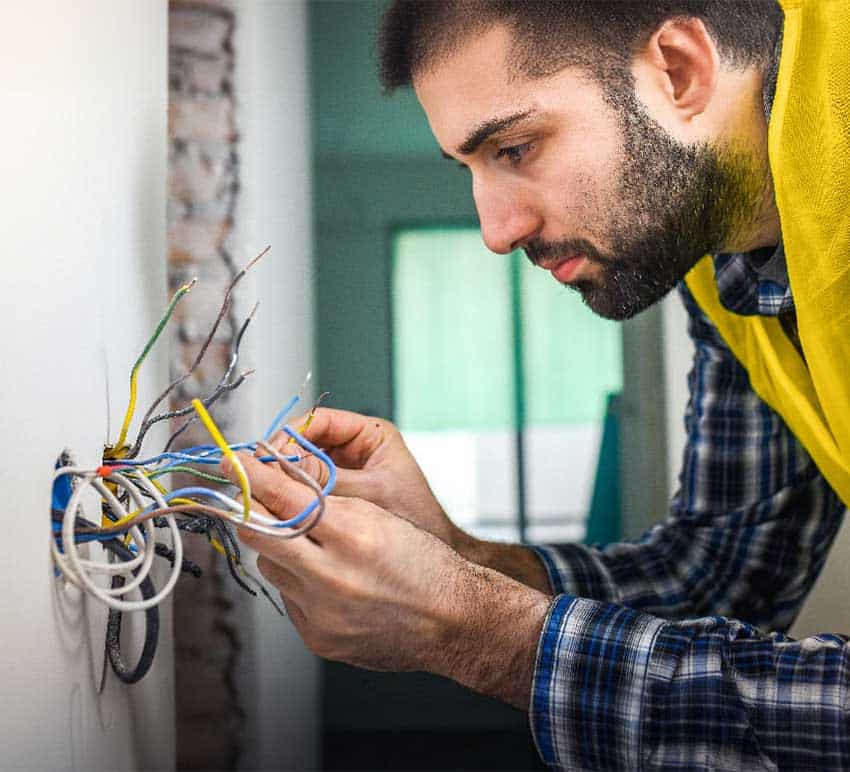
When the lights go out unexpectedly at 2 AM, or you notice smoke coming from an outlet, panic can set in quickly. Emergency electrical services exist for precisely these moments—when electrical problems can’t wait until morning and require immediate professional intervention. Understanding when to call for emergency electrical assistance, what to expect, and how to choose the right service provider can make the difference between a minor inconvenience and a catastrophic electrical fire.
Electrical emergencies affect millions of homeowners and businesses annually, with the National Fire Protection Association reporting that electrical failures or malfunctions caused an estimated 44,880 home fires per year between 2015-2019. These incidents resulted in approximately 440 deaths, 1,250 injuries, and $1.3 billion in property damage annually. When you’re facing an electrical crisis, having access to reliable emergency electrical services isn’t just convenient—it’s essential for protecting your property, your loved ones, and your peace of mind.
What Qualifies as an Electrical Emergency?
Not every electrical issue requires an emergency call, but certain situations demand immediate attention from qualified electricians. Emergency electrical services become necessary when electrical problems pose an immediate threat to safety or property. Understanding the distinction between urgent and non-urgent electrical issues helps you make informed decisions and potentially saves money on unnecessary emergency service fees.
Life-threatening electrical emergencies include any situation where electricity poses an immediate danger to human life or has the potential to cause severe property damage within hours. These scenarios require you to contact emergency electrical services immediately, often before even attempting to assess the situation yourself. Electrical shocks, visible sparks or flames from outlets or electrical panels, burning smells emanating from electrical equipment, and buzzing or sizzling sounds from your electrical system all fall into this critical category.
Power outages affecting only your property while neighbors have electricity often indicate a serious problem with your main electrical service or panel. While a widespread outage typically signals a utility company issue, an isolated outage in your home or business could mean dangerous wiring failures, panel malfunctions, or other critical problems requiring immediate attention. According to the Electrical Safety Foundation International, approximately 51,000 electrical fires occur in U.S. homes each year, many of which could have been prevented with timely emergency electrical intervention.
Exposed wiring represents another clear emergency situation. When wires become exposed due to damaged insulation, animal interference, or structural damage, they create immediate shock and fire hazards. Similarly, any electrical equipment or outlets that feel hot to the touch signal dangerous overloading or faulty wiring that requires emergency assessment. Water contact with electrical systems—whether from flooding, plumbing leaks, or storm damage—creates electrocution risks and demands immediate professional response.
Common Non-Emergency Electrical Issues
While urgent, some electrical problems don’t necessarily qualify as emergencies. A single non-functioning outlet in a low-traffic area, a light fixture that needs replacement, or a circuit breaker that trips occasionally but resets successfully typically can wait for standard business hours. However, recurring electrical problems that seem minor often indicate underlying issues that could escalate into genuine emergencies without proper attention.
Suggested read: Understanding National Petroleum Services: Your Essential Resource for Energy Solutions
Preventive electrical maintenance helps identify potential emergency situations before they become critical. Regular electrical inspections, especially in older homes or commercial properties, can reveal outdated wiring, overloaded circuits, or deteriorating electrical panels before they fail catastrophically. The National Electrical Code recommends comprehensive electrical system evaluations every 3-5 years for residential properties and more frequently for commercial buildings with heavy electrical demands.
Understanding Emergency Electrician Response Times
When you call for emergency electrical services, response time becomes a critical factor in preventing property damage and ensuring safety. Most reputable emergency electrical service providers aim to respond within 1-2 hours of an emergency call, though response times vary based on several factors including geographic location, time of day, weather conditions, and current call volume.
24/7 availability distinguishes true emergency electrical services from standard electrical contractors. Emergency electricians maintain on-call rotations, ensuring qualified professionals can respond to crisis situations at any hour, including nights, weekends, and holidays. This round-the-clock coverage comes at a premium, with emergency service rates typically ranging from 1.5 to 3 times standard hourly rates, but the cost pales in comparison to potential fire damage or prolonged business interruption.
Geographic service areas significantly impact response times. Urban areas generally benefit from shorter response times due to higher electrician density and shorter travel distances. Rural properties may experience longer wait times, sometimes extending to 2-4 hours depending on the nearest available emergency electrician. When selecting an emergency electrical service provider, confirming their typical response time for your specific location helps set realistic expectations during crisis situations.
What Happens During an Emergency Electrical Service Call?
Professional emergency electrical services follow systematic protocols to ensure safety and effective problem resolution. Upon arrival, emergency electricians first assess the immediate safety situation, often beginning with power shut-off to affected areas or the entire property if necessary. This initial safety step prevents further damage and eliminates immediate electrocution or fire risks while evaluation proceeds.
The diagnostic phase involves comprehensive electrical system inspection to identify the root cause of the emergency. Emergency electricians use specialized testing equipment including multimeters, circuit analyzers, thermal imaging cameras, and voltage detectors to pinpoint problems safely and accurately. Unlike routine electrical work, emergency services often require creative problem-solving skills as electricians work to stabilize dangerous situations with whatever materials and resources they can access immediately.
Temporary repairs frequently constitute the first response to electrical emergencies. Emergency electricians prioritize safety and functionality, implementing interim solutions that make the property safe for occupation while scheduling comprehensive permanent repairs for standard business hours when supply houses are open and full repair crews can be assembled. This approach balances immediate safety needs with cost-effectiveness, preventing inflated emergency pricing on extensive repair work that can wait.
The True Cost of Emergency Electrical Services
Emergency electrical services command premium pricing that reflects 24/7 availability, rapid response capabilities, and the specialized expertise required to safely resolve electrical crises. Understanding emergency electrical service pricing structures helps property owners budget appropriately and avoid sticker shock when emergencies strike.
Suggested read: Emergency Tree Service: What You Need to Know When Disaster Strikes Your Property
| Service Component | Standard Rate | Emergency Rate | Premium Percentage |
|---|---|---|---|
| Diagnostic Fee | $75-150 | $150-300 | 100-200% |
| Hourly Labor | $80-120 | $150-250 | 87-208% |
| Weekend/Holiday Surcharge | N/A | +$50-100/hour | Variable |
| After-Hours Premium (9PM-6AM) | N/A | +$75-150/hour | Variable |
Most emergency electrical service providers charge a trip fee or emergency service call fee ranging from $150-300 just to dispatch a technician to your location. This fee typically includes the first hour of diagnostic work and travel time. Beyond the initial hour, emergency hourly rates apply, often ranging from $150-250 per hour compared to standard rates of $80-120 per hour during regular business hours.
Material costs remain relatively constant whether purchased during emergencies or regular business hours, though some emergency situations require premium payment for after-hours parts procurement. Emergency electricians sometimes maintain inventory of common repair components to avoid delays, though specialized parts may require waiting until supply houses open or accepting substitutions that meet safety requirements without matching original specifications exactly.
Factors Influencing Emergency Electrical Service Costs
Several variables affect the final cost of emergency electrical services. The complexity and severity of the electrical problem directly impact both labor time and material requirements. A tripped circuit breaker requiring simple resetting costs substantially less than a complete electrical panel replacement necessitated by fire damage or catastrophic component failure.
Time of day significantly influences pricing structures. Late-night emergency calls (10 PM-6 AM) typically incur the highest premiums, often 200-300% above standard rates. Weekend and holiday emergencies also command surcharges, though generally lower than overnight premiums. Strategic timing, when possible without compromising safety, can generate substantial savings—an electrical issue discovered at 5 PM might cost less if addressed immediately rather than waiting until after traditional business hours close.
Geographic location creates considerable pricing variation for emergency electrical services. Metropolitan areas with higher costs of living generally charge more for emergency electrical work, while rural areas may charge additional travel fees to offset longer response distances. Coastal regions and areas with harsh weather conditions sometimes maintain higher baseline emergency rates reflecting increased operational costs and elevated risk of weather-related electrical emergencies.
Choosing the Right Emergency Electrical Service Provider
Selecting a qualified emergency electrical service provider before crisis situations arise provides significant advantages when emergencies strike. Pre-established relationships with reputable electricians eliminate frantic internet searches during high-stress situations and ensure you’re working with properly licensed, insured, and experienced professionals.
Licensing and certification represent the most critical qualification factors when evaluating emergency electrical service providers. All states require electricians to hold current licenses demonstrating they’ve completed required training, passed competency examinations, and maintain continuing education in electrical safety and code compliance. Master electricians possess the highest qualification level, having demonstrated extensive experience and advanced electrical system knowledge beyond standard journeyman requirements.
Insurance coverage protects both the electrician and property owner during emergency electrical work. General liability insurance covers property damage that might occur during repair work, while workers’ compensation insurance protects you from liability if the electrician suffers injuries on your property. Reputable emergency electrical services carry substantial insurance policies—typically $1-2 million in general liability coverage—reflecting the inherent risks in emergency electrical work.
Suggested read: Why Universal Technical Services Are Essential for Modern Business Success in 2026
Red Flags When Selecting Emergency Electricians
Certain warning signs indicate potentially problematic emergency electrical service providers. Electricians who cannot provide proof of current licensing and insurance should be avoided regardless of pricing or availability. Similarly, emergency services that provide quotes without conducting on-site evaluation likely lack the diagnostic expertise to properly assess complex electrical problems.
Extremely low pricing often signals inexperienced electricians, unlicensed contractors, or companies cutting corners on safety protocols and code compliance. While emergency electrical services are expensive, prices significantly below market averages should raise concerns about work quality and safety. The old adage “you get what you pay for” applies particularly to electrical work where poor workmanship can have deadly consequences.
Pressure tactics and rushed decision-making represent additional red flags. Legitimate emergency electricians understand that property owners need time to review estimates and consider options for extensive repairs, even in emergency situations. Contractors who demand immediate authorization for expensive work before explaining the problem, alternatives, and pricing structure may prioritize sales over customer service and safety.
Emergency Electrical Services for Commercial Properties
Commercial properties face unique electrical emergency challenges that differ substantially from residential scenarios. Emergency electrical services for businesses must consider not only safety and property protection but also business continuity, regulatory compliance, and the financial impact of electrical downtime on operations.
Revenue loss from electrical failures can dwarf repair costs for commercial operations. Restaurants, retailers, healthcare facilities, and manufacturing operations may lose thousands of dollars per hour during electrical outages. According to the Information Technology Intelligence Consulting Corporation, the average cost of IT downtime is $5,600 per minute, translating to over $336,000 per hour for operations dependent on electrical power for critical computer systems.
Commercial electrical emergencies often involve more complex systems than residential properties. Three-phase power systems, industrial equipment, emergency lighting systems, fire alarm integration, and commercial HVAC systems require specialized expertise beyond standard residential electrical knowledge. When selecting emergency electrical services for commercial properties, verify that the provider has specific experience with commercial electrical systems and maintains appropriate licensing for commercial electrical work.
Business Continuity Planning for Electrical Emergencies
Proactive emergency planning minimizes disruption when electrical failures occur. Developing relationships with emergency electrical service providers before crises strike ensures rapid response when problems emerge. Many commercial property managers maintain service agreements with electrical contractors, guaranteeing priority response during emergencies in exchange for regular maintenance contracts.
Emergency backup systems provide business continuity during electrical service restoration. Uninterruptible power supplies (UPS) offer short-term power during brief outages or while backup generators activate. Whole-building generators can maintain operations indefinitely during extended electrical service interruptions, though they require their own maintenance protocols and occasional emergency repairs.
Suggested read: Roof Coating Services: Transform and Protect Your Commercial Property Investment
Critical infrastructure identification helps prioritize emergency electrical service allocation when complete restoration isn’t immediately possible. Security systems, refrigeration, emergency lighting, and critical computer systems may receive temporary power restoration ahead of less essential electrical systems, allowing partial business operations to continue while comprehensive electrical repairs proceed.
Preventing Electrical Emergencies: Proactive Strategies
While emergency electrical services provide essential crisis response, preventing emergencies through proactive maintenance delivers superior value and safety. Regular electrical system maintenance identifies potential problems before they escalate into dangerous situations requiring emergency intervention.
Annual electrical inspections catch developing problems early. Professional electricians can identify loose connections, overloaded circuits, deteriorating insulation, and outdated components before they fail catastrophically. The modest cost of annual inspections—typically $200-400 for residential properties and $500-1,500 for commercial buildings—pales in comparison to emergency service costs and potential fire damage from undetected electrical problems.
Thermal imaging surveys represent advanced preventive electrical maintenance techniques particularly valuable for commercial properties and older residential buildings. Infrared cameras detect hot spots in electrical panels, wiring, and connections before they become visible problems. These temperature anomalies often indicate loose connections, overloaded circuits, or deteriorating components that will eventually fail without intervention. Thermal imaging electrical surveys typically cost $300-800 but can prevent emergency situations costing thousands in damage and emergency service fees.
Warning Signs That Indicate Potential Electrical Emergencies
Recognizing early warning signs helps property owners address electrical problems before they become emergencies. Flickering lights may seem like minor annoyances but often signal serious underlying issues. While occasional flickering during heavy appliance startup is normal, persistent flickering indicates loose connections, overloaded circuits, or problems with your electrical service that require professional evaluation.
Frequent circuit breaker trips represent your electrical system’s safety mechanism working to prevent more serious problems. While occasional trips are normal when circuits experience temporary overloads, repeated trips from the same circuit indicate either circuit overload from too many connected devices or developing wiring problems requiring professional attention. Ignoring frequent trips by simply resetting breakers can lead to electrical fires, as the protective mechanism is warning of unsafe conditions.
Buzzing, sizzling, or crackling sounds from outlets, switches, or electrical panels should never be ignored. These noises indicate arcing electricity—a serious fire hazard that can ignite surrounding materials. Similarly, burning smells near electrical equipment suggest overheating wiring or components on the verge of failure. Both situations warrant immediate electrical service, even if they don’t quite rise to emergency status initially.
Outlets or switches that feel warm or hot to the touch signal dangerous overloading or loose connections. While some warmth is normal for devices under heavy load, excessive heat indicates problems requiring professional attention. Similarly, discolored or scorched outlets show that dangerous arcing or overheating has already occurred, creating immediate fire risks that may require emergency electrical services.
Suggested read: Local SEO Services by Garage2Global: Transform Your Business Visibility in 2026
The Role of Emergency Electrical Services in Storm Recovery
Natural disasters and severe weather events create surges in demand for emergency electrical services. Hurricanes, tornadoes, ice storms, and flooding damage electrical infrastructure, creating widespread emergency situations that overwhelm local electrical service providers and extend response times significantly.
Storm damage assessment requires specialized expertise beyond routine emergency electrical work. Flood-damaged electrical systems often require complete replacement rather than repair, as water contamination compromises insulation integrity and creates ongoing safety hazards even after systems dry. Emergency electricians evaluating storm-damaged properties must balance immediate safety needs with realistic assessments of what can be salvaged versus what requires replacement.
Temporary power restoration frequently represents the first priority in storm recovery situations. Emergency electricians may establish temporary electrical service bypassing damaged components to restore partial functionality while comprehensive repairs await materials, permits, and full repair crews. These interim solutions prioritize safety and essential electrical services like refrigeration, heating, and lighting over complete system restoration.
Insurance Considerations for Storm-Related Electrical Emergencies
Property insurance policies typically cover storm-related electrical damage, though coverage specifics vary significantly between policies. Emergency electrical services costs generally fall under covered storm damage when electrical problems result from weather events, though deductibles apply and coverage limits may affect reimbursement for extensive damage.
Documentation becomes critical for insurance claims related to emergency electrical services. Property owners should photograph damage before repairs, save all invoices from emergency electrical service providers, and document conversations with insurance adjusters. Emergency electricians can provide detailed reports documenting storm damage, repair necessity, and work performed, which support insurance claims and justify emergency service costs to skeptical adjusters.
Flood insurance requires separate coverage from standard homeowners policies and typically covers electrical system damage from flooding. However, standard homeowners insurance generally excludes flood damage, creating coverage gaps that leave property owners personally responsible for flood-related emergency electrical services and repairs. Understanding insurance coverage before emergencies strike helps property owners make informed decisions about coverage adequacy and potential out-of-pocket costs.
Case Study: Commercial Kitchen Electrical Emergency
A recent case study from an Atlanta-based restaurant illustrates the critical importance of rapid emergency electrical services response. At 6:30 PM on a busy Friday evening, the restaurant’s electrical panel began emitting smoke and a burning odor. The manager immediately evacuated customers and staff, called 911, and contacted their pre-established emergency electrical service provider.
Suggested read: Church Cleaning Services: Everything Your House of Worship Needs to Stay Spotless
Response timeline demonstrates the value of pre-established emergency electrical service relationships:
- 6:30 PM: Electrical panel begins smoking
- 6:32 PM: Building evacuated, 911 contacted
- 6:35 PM: Emergency electrician dispatched
- 7:15 PM: Emergency electrician arrives on scene
- 7:20 PM: Power shut off, immediate fire hazard eliminated
- 7:45 PM: Diagnosis completed – main breaker failure with arc damage to panel
- 8:30 PM: Temporary service established to refrigeration and security systems
- Saturday 9:00 AM: Full panel replacement begins
- Saturday 2:00 PM: Restaurant electrical service fully restored
The total cost for emergency electrical services including the Friday evening response, temporary service establishment, and Saturday panel replacement reached $4,200. However, the restaurant avoided potentially catastrophic outcomes including building fire, complete inventory loss from extended refrigeration failure, and days of lost business during peak weekend service periods.
Financial analysis revealed that rapid emergency electrical service response prevented estimated losses of:
- Weekend revenue (Friday dinner + Saturday): $18,000
- Refrigerated inventory spoilage: $8,500
- Fire damage to building and equipment: Potentially $200,000+
- Business interruption during repairs: $50,000+
The restaurant manager credited their decision to establish an emergency electrical service relationship before crisis struck, noting that the electrician’s rapid response and knowledge of their facility enabled faster diagnosis and restoration than would have been possible with an unfamiliar contractor contacted during the emergency.
Technology and Emergency Electrical Services
Modern technology transforms emergency electrical services through enhanced diagnostic capabilities, improved customer communication, and predictive maintenance opportunities. Smart home electrical systems, remote monitoring, and advanced diagnostic tools enable electricians to identify and often resolve electrical problems more efficiently than traditional methods.
Remote diagnostics increasingly allow emergency electricians to begin problem assessment before arriving on-site. Smart electrical panels and monitoring systems can transmit real-time data about circuit loads, power consumption patterns, and system anomalies to electricians’ diagnostic software. This advance information helps emergency electricians arrive with appropriate tools and replacement parts, reducing on-site diagnostic time and accelerating repairs.
Thermal imaging technology enables emergency electricians to safely identify problems invisible to visual inspection. Infrared cameras detect temperature anomalies in electrical panels, wiring, and connections without requiring direct contact with potentially dangerous electrical components. This technology proves particularly valuable in emergency situations where time pressure and safety concerns limit traditional diagnostic approaches.
Future Trends in Emergency Electrical Services
Artificial intelligence and predictive analytics represent the future of electrical emergency prevention. Smart electrical systems can analyze power consumption patterns, identify anomalies indicating developing problems, and alert property owners to potential issues before they become emergencies. These systems may eventually contact emergency electrical services automatically when detecting conditions likely to result in failures requiring emergency response.
Suggested read: How B2B SEO Services Transform Your Business Growth in 2024
Drone technology shows promise for emergency electrical assessment, particularly after natural disasters when accessing damaged electrical infrastructure poses safety challenges. Drones equipped with thermal imaging and high-resolution cameras can survey storm-damaged electrical equipment, helping emergency electricians prioritize response and arrive prepared for specific repair scenarios.
Virtual reality training improves emergency electrician preparation for crisis situations. VR simulations allow electricians to practice responding to various emergency scenarios in safe, controlled environments before encountering them in actual emergencies where time pressure and safety risks complicate learning. This advanced training methodology produces more capable emergency electricians better prepared to handle the stress and complexity of genuine electrical emergencies.
Frequently Asked Questions About Emergency Electrical Services
What constitutes an electrical emergency that requires immediate professional help?
Emergency electrical services become necessary when electrical problems pose immediate safety threats or fire risks. Situations requiring emergency electrician response include smoking or sparking electrical equipment, burning odors from electrical systems, exposed wiring, electrical shocks, complete power loss affecting only your property, water contact with electrical systems, and unusual sounds like buzzing or crackling from electrical panels or outlets. When in doubt, err on the side of caution—potential electrical fires and electrocution risks justify emergency service costs far more than risking catastrophic outcomes to save money.
How much do emergency electrical services typically cost?
Emergency electrical service costs vary significantly based on timing, problem complexity, and geographic location, but generally range from $200-500 for simple after-hours issues to $1,000+ for complex emergency repairs. Most providers charge emergency service call fees of $150-300 covering the first hour and travel, then hourly rates of $150-250 for additional work. Late-night emergencies (10 PM-6 AM) command the highest premiums, often 200-300% above standard rates, while weekend and holiday emergencies fall between regular and late-night pricing.
Can I perform emergency electrical repairs myself to save money?
Attempting DIY electrical emergency repairs poses serious risks including electrocution, fire, and violations of electrical codes that may void insurance coverage and create liability issues. Only licensed electricians possess the training, tools, and expertise to safely diagnose and repair electrical emergencies. Property owners should limit their emergency response to shutting off power at the main breaker if safe to do so, evacuating if fire risk exists, and contacting professional emergency electrical services immediately. Even minor electrical work can have major safety implications when not performed correctly.
How quickly can emergency electricians respond to calls?
Response times for emergency electrical services typically range from 1-2 hours for urban locations to 2-4 hours for rural properties, though individual circumstances vary. Weather conditions, current call volume, time of day, and distance from the electrician’s location all affect response times. Establishing relationships with emergency electrical service providers before emergencies occur often guarantees priority response for existing customers, potentially reducing wait times during crisis situations.
Are emergency electrical services available 24/7, including holidays?
Reputable emergency electrical service providers maintain 24/7/365 availability through on-call rotation systems ensuring licensed electricians can respond to emergencies at any hour. This round-the-clock coverage includes nights, weekends, and holidays, though premium pricing typically applies for after-hours and holiday emergency calls. When selecting an emergency electrical service provider, confirm their availability policies and typical response times for various times and days.
What should I do while waiting for emergency electrical services to arrive?
While waiting for emergency electrical services, prioritize safety by shutting off power to affected areas at the circuit breaker or main panel if accessible and safe. Evacuate the building if you smell smoke, see flames, or feel unsafe remaining inside. Never touch electrical equipment or outlets that appear damaged, hot, or are producing unusual sounds or odors. Keep family members and pets away from affected areas, and gather relevant information like your electrical panel location, problem symptoms, and when issues began to help the emergency electrician diagnose problems efficiently upon arrival.
Suggested read: Off Page SEO Services: How to Build Authority and Rankings Beyond Your Website
Does homeowners insurance cover emergency electrical service costs?
Insurance coverage for emergency electrical services depends on your specific policy and the cause of the electrical emergency. Most homeowners insurance policies cover electrical emergencies resulting from covered perils like storm damage, fire, or vandalism, subject to deductibles and coverage limits. However, electrical failures from normal wear and tear, deferred maintenance, or gradual deterioration typically aren’t covered. Review your insurance policy or contact your agent to understand your coverage before emergencies occur, and document all emergency electrical service work thoroughly to support potential insurance claims.
How can I find reliable emergency electrical services in my area?
Finding reliable emergency electrical services before emergencies strike provides significant advantages. Start by verifying electricians hold current licenses through your state licensing board and maintain appropriate insurance coverage. Check online reviews on platforms like Google, Yelp, and the Better Business Bureau, focusing on emergency service experiences specifically. Ask for references from friends, neighbors, or local contractors who may have experience with emergency electricians. Consider scheduling non-emergency electrical work with potential providers to evaluate their professionalism, expertise, and customer service before relying on them during crisis situations.
What’s the difference between an electrical contractor and emergency electrical services?
All emergency electricians are electrical contractors, but not all electrical contractors offer emergency services. Emergency electrical services specifically refers to electricians maintaining 24/7 availability and rapid response capabilities for crisis situations. Emergency electrical service providers invest in on-call systems, maintain emergency parts inventory, and staff appropriately to respond to calls outside regular business hours. Standard electrical contractors typically work only during regular business hours and may not prioritize rapid response to urgent situations, making them unsuitable for genuine electrical emergencies requiring immediate attention.
Can emergency electrical services prevent future electrical problems?
While emergency electrical services primarily focus on immediate crisis response, emergency electricians often identify underlying problems contributing to emergencies during repair work. Many emergency electrical service providers offer preventive maintenance programs, comprehensive electrical system evaluations, and equipment upgrades that reduce future emergency likelihood. Following emergency repairs, property owners should schedule thorough electrical system inspections to address any deferred maintenance or potential problems the emergency situation revealed, preventing recurring emergencies and potentially reducing long-term electrical service costs.
Taking Action: Preparing for Electrical Emergencies
Property owners can take several concrete steps to prepare for potential electrical emergencies before crisis situations arise. Creating an electrical emergency action plan, establishing relationships with qualified emergency electrical service providers, and conducting preventive maintenance all reduce emergency likelihood and improve outcomes when electrical problems occur.
Document your electrical system by photographing your electrical panel with breakers labeled, noting locations of all circuit breakers and shutoffs, and maintaining records of electrical work performed on your property. This documentation helps emergency electricians respond more efficiently and provides valuable information for insurance claims if electrical emergencies result in property damage.
Assemble an electrical emergency kit containing flashlights with fresh batteries, a battery-powered radio, contact information for your pre-selected emergency electrical service provider, and copies of recent electrical inspection reports or service records. Store this kit in an easily accessible location that family members or employees can quickly retrieve during electrical emergencies.
The Bottom Line on Emergency Electrical Services
Emergency electrical services represent essential resources for protecting property and lives when electrical problems can’t wait for regular business hours. While emergency electrical work commands premium pricing, the cost of professional emergency response pales in comparison to potential losses from electrical fires, extended business interruptions, or catastrophic equipment damage.
Suggested read: What Size Wire for 200 Amp Service: Essential Electrical Sizing Requirements
Selecting qualified, licensed, and insured emergency electrical service providers before emergencies occur provides significant advantages when crisis situations develop. Pre-established relationships ensure priority response, eliminate frantic contractor searches during high-stress situations, and provide peace of mind that your property has access to reliable emergency support when electrical problems strike.
Investing in preventive electrical maintenance reduces emergency likelihood while identifying potential problems before they escalate into expensive crisis situations. Annual electrical inspections, prompt attention to warning signs like flickering lights or unusual sounds, and proactive equipment updates all contribute to electrical system reliability and safety.
Don’t wait for an electrical emergency to find yourself searching frantically for help at 2 AM. Research reputable emergency electrical service providers in your area today, verify their licensing and insurance, read customer reviews, and save their contact information in multiple accessible locations. Consider scheduling non-emergency electrical work to evaluate potential providers before relying on them during crisis situations. Your electrical system’s safety and reliability deserve the same proactive attention you give other critical home systems.
For comprehensive service solutions beyond electrical emergencies, explore additional resources on adult protective services georgia and other essential services that protect your property and well-being.
Citations and Resources
Information about electrical fire statistics and safety recommendations sourced from the National Fire Protection Association (NFPA) and Electrical Safety Foundation International (ESFI). Electrical code requirements and inspection recommendations based on National Electrical Code (NEC) published by NFPA. Commercial downtime cost data derived from Information Technology Intelligence Consulting Corporation industry research on business continuity and disaster recovery.
For more information about emergency electrical services, safety protocols, and electrical system maintenance, consult licensed electricians in your area or contact professional electrical trade organizations like the Independent Electrical Contractors or National Electrical Contractors Association.
Ready to protect your property from electrical emergencies? Don’t wait until disaster strikes. Contact qualified emergency electrical services in your area today to establish a relationship before you need emergency help. Schedule a comprehensive electrical inspection to identify potential problems, save emergency contact information in multiple locations, and create an electrical emergency action plan for your family or business. When electrical emergencies happen, preparation makes all the difference between minor inconvenience and major catastrophe.