What is Unity Service Recovery?
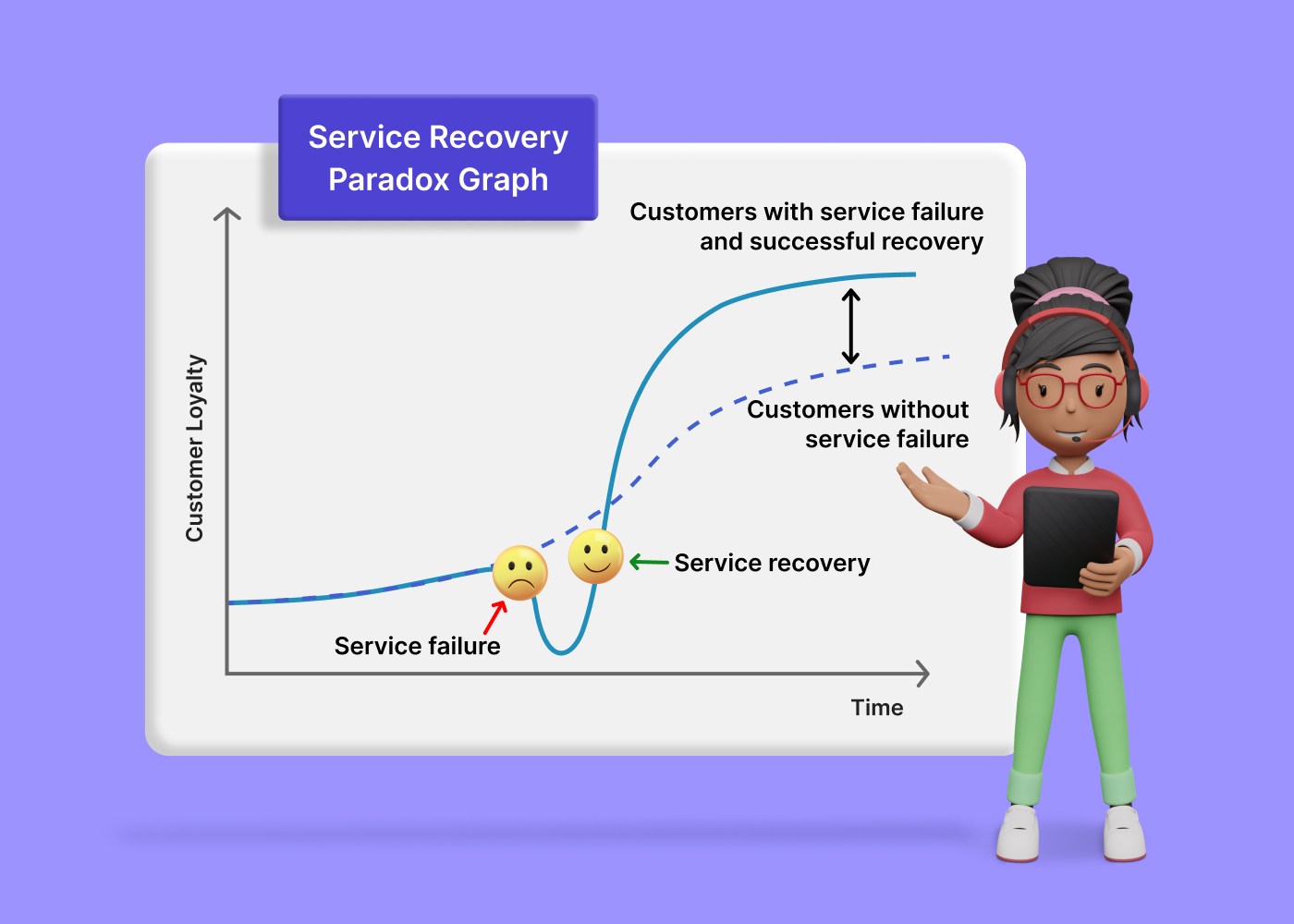
Unity service recovery refers to the systematic approach organizations use to address service failures, restore customer satisfaction, and rebuild trust after negative service experiences. This comprehensive framework combines immediate problem resolution with long-term relationship management strategies to turn dissatisfied customers into loyal advocates. The concept emerged from service management research showing that customers who experience effective service recovery often become more loyal than those who never experienced problems in the first place, a phenomenon known as the “service recovery paradox.”
Unity service recovery encompasses multiple dimensions including acknowledgment of the service failure, sincere apologies, swift action to rectify problems, compensation when appropriate, and follow-up to ensure customer satisfaction. Organizations implementing unity service recovery protocols recognize that service failures are inevitable in any business operation, but the response to these failures determines long-term customer relationships and brand reputation. Research published in the Journal of Service Research indicates that 70% of customers who experience successful service recovery will do business with the company again, compared to only 9% when recovery efforts fail.
The foundation of unity service recovery lies in creating unified systems across all customer touchpoints where employees are empowered to resolve issues quickly and effectively. This includes establishing clear escalation procedures, providing staff with adequate authority and resources, implementing real-time monitoring systems to detect service failures early, and maintaining detailed records of recovery efforts for continuous improvement. Companies that excel at service recovery typically invest 15-20% more in customer service training compared to industry averages, recognizing that frontline employees serve as the first line of defense in recovering from service disruptions.
The Critical Components of Unity Service Recovery Systems
Unity service recovery systems integrate several essential elements that work together to transform service failures into opportunities for strengthening customer relationships. The first component involves rapid response mechanisms that detect and address service issues before they escalate. Organizations utilize monitoring technologies, customer feedback systems, and employee reporting channels to identify problems in real-time. Studies from the Harvard Business Review show that companies responding to service failures within one hour achieve customer retention rates 40% higher than those taking 24 hours or longer.
Empowerment represents another crucial element where frontline employees receive authority to make immediate decisions regarding compensation, replacements, or alternative solutions without requiring managerial approval for routine issues. This autonomy reduces resolution time significantly and demonstrates organizational commitment to customer satisfaction. Companies practicing effective unity service recovery typically establish clear guidelines outlining what employees can offer independently, such as discounts up to certain percentages, free replacements for products under specific price points, or expedited shipping at no charge. Research from Service Management Institute reveals that empowered employees resolve 65% of service issues during first contact compared to 23% in organizations requiring multiple approval layers.
Communication protocols form the third pillar where organizations establish standardized yet personalized approaches to acknowledging failures, explaining what went wrong without making excuses, and outlining specific steps being taken to prevent recurrence. Effective communication in unity service recovery balances transparency with professionalism, avoiding technical jargon while providing sufficient detail to rebuild trust. The International Customer Service Association found that customers receiving detailed explanations of service failures show 55% higher satisfaction with recovery efforts compared to those receiving generic apologies. Additionally, organizations must implement systematic follow-up procedures to verify that solutions met customer expectations and to gather feedback for improving future service delivery.
How Unity Service Recovery Impacts Business Performance
The implementation of robust unity service recovery programs directly influences multiple business performance metrics beyond customer satisfaction. Financial analysis from consulting firm Bain & Company demonstrates that increasing customer retention rates by just 5% through effective service recovery can boost profits by 25-95% depending on the industry. This dramatic impact occurs because retained customers typically spend more over time, cost less to serve than new customer acquisition, and provide valuable referrals. Companies with mature service recovery systems report customer lifetime value increases averaging 30-50% compared to organizations with reactive or inconsistent recovery approaches.
Suggested read: SALUTE Service Recovery Model: Transform Patient Dissatisfaction Into Loyalty and Trust
Brand reputation benefits significantly from well-executed unity service recovery strategies, particularly in the digital age where customer experiences spread rapidly through social media and review platforms. Research by Dimensional Research found that 95% of customers who had bad experiences share them with others, but 70% of complaining customers will do business with a company again if their complaint is resolved favorably. Organizations demonstrating consistent recovery excellence often convert negative experiences into positive testimonials, as customers appreciate companies that acknowledge mistakes and make genuine efforts to correct them. This transparency builds authenticity in brand perception, with studies showing that brands known for excellent service recovery enjoy 12-18% higher Net Promoter Scores than competitors in similar markets.
Operational efficiency improves through systematic unity service recovery implementation as organizations develop better processes for identifying and addressing root causes of service failures. Companies maintaining detailed service recovery databases can analyze patterns to prevent recurring issues, optimize resource allocation, and refine service delivery systems. Manufacturing and service organizations using this data-driven approach report 25-40% reductions in repeat service failures within 12-18 months of implementing comprehensive recovery analytics. Furthermore, employee satisfaction tends to increase in organizations with clear service recovery protocols, as staff members feel better equipped to handle difficult situations and witness positive outcomes from their recovery efforts.
Essential Strategies for Implementing Unity Service Recovery
Organizations seeking to develop effective unity service recovery capabilities must begin with comprehensive service failure mapping exercises that identify all potential points where service breakdowns might occur. This process involves analyzing customer journey maps, reviewing historical complaint data, conducting employee interviews to uncover unreported issues, and examining competitor failures to learn from industry experiences. Companies should categorize service failures by severity, frequency, and impact on customer relationships, then develop specific recovery protocols for each category. For instance, critical failures affecting safety or causing significant financial harm require immediate executive involvement and substantial compensation, while minor inconveniences might be addressed through automated systems offering small discounts or loyalty points.
Training programs represent the cornerstone of successful unity service recovery implementation, requiring investment in both technical skills and emotional intelligence development. Frontline employees need extensive practice in active listening techniques, empathy expression, conflict de-escalation, and creative problem-solving under pressure. Role-playing exercises simulating various service failure scenarios help staff build confidence and competence in recovery situations. Leading organizations conduct quarterly service recovery training refreshers and supplement formal education with mentoring programs pairing experienced recovery specialists with newer employees. Research from the American Society for Training and Development shows that organizations spending $1,500 or more per employee annually on service recovery training achieve first-call resolution rates exceeding 80%, compared to 45% for companies investing less than $500 per employee.
Technology infrastructure supporting unity service recovery must integrate customer relationship management systems, service ticketing platforms, knowledge bases, and communication tools into unified interfaces accessible to all relevant personnel. This technological foundation enables seamless information sharing across departments, prevents customers from repeating their stories to multiple representatives, and provides complete interaction histories supporting personalized recovery approaches. Advanced systems incorporate artificial intelligence to recommend optimal recovery solutions based on customer value, failure type, and historical effectiveness data. Organizations implementing integrated service recovery platforms report 35-50% reductions in average handling time and 20-30% improvements in customer satisfaction scores within six months of deployment.
Unity Service Recovery in Different Industry Contexts
The hospitality industry exemplifies unity service recovery excellence through empowerment practices where hotel staff members can authorize room upgrades, complimentary services, or billing adjustments without management approval. The Ritz-Carlton famously allows any employee to spend up to $2,000 per guest to resolve service issues, demonstrating organizational commitment to recovery at the point of service failure. This approach has contributed to the luxury hotel chain maintaining occupancy rates 8-12% higher than luxury segment averages and achieving customer loyalty program participation exceeding 60%. Hospitality organizations implementing similar empowerment models report that 70% of authorized recovery expenses fall below $100, indicating that most service failures can be addressed cost-effectively when employees act quickly and appropriately.
Telecommunications companies face unique unity service recovery challenges due to service complexity, infrastructure dependencies, and high customer expectations for reliability. Leading providers have developed proactive recovery systems that automatically detect service outages, notify affected customers before they discover problems, and provide compensation without requiring customer requests. For example, some mobile network operators credit affected accounts automatically when network interruptions exceed specific durations. This proactive approach transforms potential negative experiences into demonstrations of company responsiveness and customer-centricity. Industry analysis shows that telecommunications providers implementing automated proactive recovery reduce customer churn by 15-25% compared to those relying solely on reactive complaint handling systems.
Suggested read: Understanding GC Services: What You Need to Know About Debt Collection and Recovery
Healthcare organizations apply unity service recovery principles to address clinical and non-clinical service failures while navigating strict regulatory requirements and the high stakes nature of medical care. Medical groups implementing service recovery programs focus heavily on communication quality, ensuring patients understand what occurred during negative experiences, what steps prevented or minimized harm, and what systemic changes will prevent recurrence.
The Agency for Healthcare Research and Quality found that healthcare organizations with formal service recovery programs experience 30% fewer medical malpractice claims and 40% faster resolution of patient grievances compared to facilities without structured approaches. For services like routine maintenance or equipment issues, facilities often partner with specialized providers, similar to how proper maintenance services such as water heater flush service prevent larger system failures through preventive care.
Measuring Unity Service Recovery Effectiveness
Organizations must establish comprehensive measurement frameworks to assess unity service recovery program performance and identify improvement opportunities. Primary metrics include first-contact resolution rate measuring the percentage of service failures resolved during initial customer interaction, which best-in-class organizations achieve at 75-85%. Time-to-resolution tracking monitors how quickly problems move from identification to complete resolution, with industry leaders resolving 50% of issues within 24 hours and 90% within one week. Customer effort score specifically measures how much work customers must invest in obtaining satisfactory resolution, with lower scores indicating more effective recovery processes. Research from CEB Global shows that reducing customer effort represents the strongest predictor of loyalty, even more than customer satisfaction scores.
Financial metrics for unity service recovery encompass both cost and revenue impacts including average cost per recovery incident, recovery costs as a percentage of total service delivery costs, customer retention rates following service failures, and revenue recovered from customers who otherwise would have defected. Advanced organizations calculate return on investment for service recovery programs by comparing program costs against retained customer lifetime value and reduced acquisition expenses. Companies with mature recovery measurement systems typically discover that spending $50-200 per incident on effective recovery generates $500-2,000 in retained customer value, representing returns on investment exceeding 400-1000% depending on industry and customer segment characteristics.
Qualitative assessment of unity service recovery effectiveness requires systematic collection and analysis of customer feedback through post-recovery surveys, follow-up interviews, social media monitoring, and review platform analysis. Organizations should examine not only overall satisfaction with recovery outcomes but also process elements such as communication clarity, employee empathy, solution appropriateness, and recovery speed. Text analytics tools can process large volumes of open-ended customer feedback to identify emerging themes, emotional sentiments, and specific pain points in recovery experiences. Leading companies conduct monthly service recovery reviews with cross-functional teams to discuss trends, celebrate successful recoveries, and develop action plans for addressing systemic issues revealed through measurement data.
Building Customer Loyalty Through Unity Service Recovery
The relationship between unity service recovery and customer loyalty extends beyond simple problem resolution to encompass emotional connections, trust development, and perceived organizational values. Psychological research demonstrates that customers evaluate organizations more on how they handle problems than on whether problems occur, recognizing that perfection remains impossible in complex service environments. When companies acknowledge failures honestly, take genuine ownership without defensive behaviors, and implement solutions quickly and fairly, customers often interpret these actions as evidence of organizational integrity and customer-centricity. Studies published in the Journal of Marketing show that customers rating service recovery as “excellent” demonstrate loyalty behaviors 20-30% stronger than customers who never experienced service failures, confirming the service recovery paradox effect.
Personalization elevates unity service recovery from transactional problem-solving to relationship-building by demonstrating that organizations view customers as individuals rather than account numbers. Personalized recovery incorporates customer history, preferences, and communication style preferences into resolution approaches. For example, recognizing that a customer has experienced multiple recent issues might prompt more generous compensation or executive-level attention, while understanding a customer prefers text communication over phone calls respects their preferences during the recovery process. Companies implementing personalized recovery approaches report 40-55% higher post-recovery Net Promoter Scores compared to standardized recovery methods, with particularly strong effects among high-value customer segments where personalization expectations run highest.
Transparency regarding unity service recovery processes and outcomes builds institutional trust that extends beyond individual incidents. Organizations sharing information about systemic improvements implemented in response to service failures demonstrate commitment to continuous enhancement rather than merely placating individual complainants. Some companies publish quarterly service quality reports detailing common failure types, resolution rates, and process improvements, which customers interpret as accountability and openness. Research from Edelman Trust Barometer indicates that 81% of customers consider trust a deciding factor in purchase decisions, and transparent recovery communications contribute significantly to trust building, with companies practicing open communication about failures and fixes experiencing 15-20% higher trust ratings than competitors operating with less transparency.
Suggested read: Everything You Need to Know About Hello Mobile Customer Service: Your Ultimate Resource for Support and Solutions
Technology Solutions Supporting Unity Service Recovery
Modern unity service recovery systems leverage artificial intelligence and machine learning to predict service failures before they occur, enabling proactive intervention. Predictive analytics examine patterns in service delivery data, customer interaction histories, and external factors to identify high-risk situations requiring preventive action. For example, telecommunications providers use predictive models to identify network nodes likely to fail within specific timeframes, allowing preemptive maintenance before customers experience service disruptions. Airlines apply similar technologies to predict flight delays or cancellations early enough to rebook passengers and minimize inconvenience. Organizations implementing predictive service recovery report 25-40% reductions in customer-impacting service failures and 30-50% decreases in recovery costs through preventing problems rather than reacting to them.
Customer relationship management platforms enhanced with unity service recovery modules provide unified views of customer interactions across all channels, ensuring consistent and informed recovery approaches regardless of contact method. These systems automatically route complex issues to specialists based on failure type, customer value, or required expertise while maintaining complete interaction histories accessible to all personnel involved in recovery efforts. Advanced CRM platforms incorporate recommendation engines suggesting optimal recovery actions based on customer characteristics, failure severity, and historical effectiveness data. Implementation studies show that integrated CRM-based recovery systems reduce average handling time by 30-45% while improving first-contact resolution rates by 20-35% through better information availability and decision support.
Communication automation in unity service recovery balances efficiency with personalization through intelligent systems that draft initial responses, provide status updates, and request feedback while allowing human oversight for complex or sensitive situations. Chatbots and virtual assistants handle routine recovery scenarios such as order tracking issues, minor billing questions, or basic troubleshooting, freeing human agents for situations requiring empathy, creativity, or complex problem-solving. However, best practices emphasize seamless escalation to human representatives when automation proves insufficient, as customers frustrated by ineffective automated recovery systems demonstrate significantly lower satisfaction and loyalty than those receiving immediate human assistance. Organizations achieving optimal balance between automated and human recovery efforts report 20-30% cost reductions while maintaining or improving customer satisfaction metrics.
Training Teams for Unity Service Recovery Excellence
Comprehensive unity service recovery training programs address both hard skills such as technical problem-solving and soft skills including emotional intelligence, communication, and empathy. Effective training begins with helping employees understand the business impact of service recovery, including effects on customer lifetime value, referral generation, and competitive positioning. This business context motivates staff to view recovery as strategic rather than merely operational, increasing engagement and commitment to excellence. Training curricula should cover specific recovery techniques for various failure types, communication frameworks for different customer personality types, conflict de-escalation methods, and creative problem-solving approaches when standard solutions prove inadequate.
Simulation exercises and role-playing constitute essential components of unity service recovery training, providing safe environments where employees practice handling difficult customers, managing their own emotional responses, and developing flexible approaches to unique situations. Advanced training programs utilize professional actors portraying challenging customer scenarios, recorded sessions for detailed performance feedback, and gradual difficulty progression building confidence through progressive skill development. Organizations investing in simulation-based training report that employees demonstrate 40-60% higher recovery success rates in their first six months compared to those receiving only classroom instruction. Additionally, simulation training reduces new employee anxiety about handling complaints, with 75% of participants reporting increased confidence after completing scenario-based training programs.
Ongoing coaching and mentoring sustain unity service recovery skills development beyond initial training programs. Many organizations establish expert recovery specialist roles where experienced employees with exceptional recovery skills support colleagues handling complex situations, provide real-time coaching during difficult interactions, and conduct regular skill refreshers. Peer learning communities where recovery professionals share success stories, discuss challenging cases, and collaboratively develop new approaches foster continuous improvement cultures. Companies maintaining active recovery communities of practice report 25-35% higher consistency in recovery quality across team members and 30-40% faster development of advanced recovery capabilities among newer employees compared to organizations relying solely on formal training programs.
The Psychology Behind Effective Unity Service Recovery
Understanding customer psychology proves crucial for unity service recovery success, as emotional responses to service failures often exceed rational proportions to objective harm caused. Research in consumer behavior demonstrates that service failures trigger feelings of betrayal, particularly when customers had developed trust in the organization, creating emotional impacts disproportionate to financial losses or inconveniences experienced. This emotional dimension means effective recovery requires addressing feelings alongside tangible problems. Studies show that customers receiving empathetic acknowledgment of emotional impacts demonstrate 50-70% higher satisfaction with recovery efforts compared to those receiving only practical solutions, even when practical solutions are identical in both groups.
Suggested read: Roof Coating Services: Transform and Protect Your Commercial Property Investment
Justice theory provides foundational frameworks for unity service recovery by identifying three justice dimensions customers evaluate during recovery: distributive justice (fairness of compensation received), procedural justice (fairness of processes used to resolve issues), and interactional justice (quality of interpersonal treatment during recovery). Research consistently shows that interactional justice—how respectfully, empathetically, and honestly organizations treat customers during recovery—exerts the strongest influence on overall satisfaction and future loyalty intentions. Customers who perceive fair interpersonal treatment forgive up to 60% more readily even when compensation might be perceived as slightly inadequate, while those experiencing disrespectful treatment rarely feel satisfied regardless of compensation generosity. This finding emphasizes that service recovery requires genuine human connection rather than merely transactional compensation.
Attribution theory explains how customers assign blame for service failures and how unity service recovery approaches should adapt based on these attributions. When customers blame external factors (weather delays for flights) they typically respond positively to acknowledgment and information, while internal organizational failures (scheduling errors, equipment neglect) require more substantial recovery efforts including apologies and compensation.
Customers distinguish between isolated incidents and pattern failures, reacting more negatively when they perceive systemic problems rather than one-time mistakes. Organizations achieving recovery excellence tailor approaches to customer attributions, providing extra reassurance and system improvement information when addressing pattern failures while maintaining proportionate responses to genuine one-time incidents. Companies adapting recovery strategies to customer attributions report 30-45% higher recovery success rates compared to standardized approaches.
Unity Service Recovery Case Studies and Real-World Examples
Case Study: Amazon’s Customer-Centric Recovery Approach
Amazon exemplifies unity service recovery through empowering customer service representatives with broad authority to resolve issues quickly without bureaucratic approval processes. The company’s philosophy prioritizes long-term customer relationships over short-term losses, reflected in policies allowing representatives to issue refunds, send replacement products, or provide account credits with minimal verification requirements. This approach occasionally results in recovery costs exceeding failure impacts, but Amazon’s analysis shows that aggressive recovery drives customer lifetime value increases that far exceed individual incident costs.
Third-party studies estimate Amazon’s customer retention rate at approximately 90%, significantly higher than e-commerce industry averages of 65-70%, attributing much of this advantage to service recovery excellence. The company’s recovery protocols emphasize speed, with 80% of issues resolved within first contact and average handling times under 10 minutes.
Case Study: Singapore Airlines’ Proactive Recovery Culture
Singapore Airlines demonstrates advanced unity service recovery through proactive identification and resolution of potential service issues before customers notice or complain. Flight crews monitor passenger experiences continuously, noting subtle signs of dissatisfaction or discomfort, then taking initiative to address concerns without waiting for complaints. For instance, crews observing passengers struggling with entertainment systems provide immediate assistance and complementary amenities acknowledging inconvenience.
Suggested read: Gas Fireplace Service: Expert Maintenance Solutions for Safety and Peak Performance
The airline maintains detailed preference records enabling personalized recovery gestures such as offering favorite beverages or dietary accommodations to frequent flyers experiencing disruptions. This proactive culture contributed to Singapore Airlines achieving top rankings in customer satisfaction surveys for over 25 consecutive years, with passenger retention rates exceeding 85% in highly competitive markets. Industry analysis estimates the airline’s proactive recovery approach reduces formal complaints by 40-50% compared to reactive strategies while generating positive word-of-mouth worth millions in marketing value.
Case Study: Zappos’ Legendary Service Recovery
Online retailer Zappos built its brand reputation substantially on unity service recovery excellence, famously encouraging customer service representatives to spend whatever time necessary resolving customer issues and empowering them with generous authority to exceed customer expectations. The company eliminated call time metrics and abolished scripts, instead hiring for cultural fit and training employees in judgment, empathy, and creative problem-solving. Zappos representatives have sent flowers to customers experiencing personal difficulties, stayed on calls for hours helping customers beyond product issues, and authorized overnight shipping upgrades routinely when standard delivery might cause customer inconvenience.
This investment in recovery excellence contributed to 75% of Zappos purchases coming from repeat customers and word-of-mouth referrals, compared to online retail industry averages of 35-45%. The company’s approach demonstrates that exceptional recovery, when authentic and consistent, transforms from cost center to competitive differentiator generating measurable business advantages.
Common Challenges in Unity Service Recovery Implementation
Organizations implementing unity service recovery programs frequently encounter resistance from employees concerned that empowerment might be exploited by opportunistic customers or lead to excessive recovery costs. This fear often stems from lack of confidence in their judgment or insufficient understanding of customer lifetime value economics. Overcoming this resistance requires transparent communication about program rationale, clear guidelines establishing empowerment boundaries, and regular sharing of success stories demonstrating positive outcomes from empowered recovery.
Companies should implement monitoring systems tracking recovery costs and customer retention to provide data supporting program value, typically showing that empowered recovery costs represent 2-5% of revenue while generating retention value exceeding costs by factors of 5-10x. Additionally, organizations must ensure adequate training and support systems so employees feel confident making recovery decisions without excessive anxiety about potential mistakes.
Inconsistency across channels and touchpoints undermines unity service recovery effectiveness when customers receive different responses depending on whether they contact organizations via phone, email, chat, social media, or in-person. This inconsistency damages credibility and frustrates customers who must repeat efforts across channels seeking satisfactory resolution. Addressing this challenge requires implementing unified customer records accessible across all channels, establishing consistent recovery policies regardless of contact method, and training all customer-facing personnel in core recovery principles regardless of their primary channel.
Suggested read: Wall Street Customer Service: Everything You Need to Know Before You Call
Organizations should regularly audit recovery consistency through mystery shopping programs and customer feedback analysis, identifying and correcting channel-specific variations. Companies achieving recovery consistency across channels report 35-50% higher customer satisfaction and 20-30% lower total recovery costs through eliminating duplicate efforts and preventing channel-hopping behaviors.
Technology limitations pose significant obstacles to unity service recovery when systems fail to provide comprehensive customer information, require manual data entry across multiple platforms, or lack integration enabling seamless collaboration across departments. Legacy systems particularly hinder recovery by limiting visibility into complete customer relationships, preventing identification of high-value customers deserving priority attention, or failing to track recovery effectiveness over time. Addressing technology constraints often requires substantial investment in platform modernization, API development enabling system integration, and change management supporting adoption of new tools. Organizations prioritizing technology investments supporting service recovery typically realize returns within 12-18 months through reduced handling times, improved resolution rates, and decreased customer churn, with payback periods shortening as customer lifetime values increase.
FAQs About Unity Service Recovery
What is unity service recovery and why does it matter for businesses?
Unity service recovery is a comprehensive approach to addressing service failures that integrates acknowledgment, resolution, compensation, and follow-up to restore customer satisfaction and rebuild trust. It matters for businesses because effective service recovery significantly impacts customer retention, with research showing that customers experiencing excellent recovery often become more loyal than those who never experienced problems. Organizations with strong recovery capabilities achieve 25-95% higher profitability through increased retention rates, reduced negative word-of-mouth, and enhanced brand reputation.
How quickly should organizations respond to service failures in unity service recovery?
Speed represents a critical factor in unity service recovery success, with research indicating that organizations responding within one hour of service failure identification achieve 40% higher customer retention compared to those taking 24 hours or longer. Best-in-class organizations aim for first-contact resolution in 75-85% of cases and resolve 50% of all issues within 24 hours and 90% within one week. However, response speed should not compromise solution quality, as rushing to inadequate resolutions often creates secondary failures requiring additional recovery efforts.
What level of empowerment should frontline employees have in unity service recovery?
Effective unity service recovery requires empowering frontline employees to make immediate decisions about compensation, replacements, or solutions without managerial approval for routine issues. Leading organizations establish clear guidelines based on customer value, failure severity, and recovery costs, typically allowing employees to authorize recovery expenses ranging from $50-500 for moderate issues and $500-2,000 for serious failures affecting high-value customers. The key is balancing sufficient authority to enable quick resolution with appropriate boundaries preventing excessive costs, supplemented by escalation procedures for complex or unusually expensive situations.
How can companies measure the return on investment of unity service recovery programs?
Organizations measure unity service recovery ROI by comparing program costs (training, technology, recovery expenses, personnel) against benefits including retained customer lifetime value, reduced acquisition costs from higher retention, increased referrals from satisfied recovered customers, and reduced negative word-of-mouth impacts. Companies with mature measurement systems typically find that spending $50-200 per recovery incident generates $500-2,000 in retained customer value, representing ROI exceeding 400-1000%. Additional metrics include improvements in customer satisfaction scores, Net Promoter Scores, first-contact resolution rates, and reductions in repeat service failures.
What role does technology play in modern unity service recovery systems?
Technology enables unity service recovery through unified customer relationship management platforms providing complete interaction histories, predictive analytics identifying high-risk situations before failures occur, communication automation handling routine recoveries while seamlessly escalating complex issues to human agents, and artificial intelligence recommending optimal recovery solutions based on customer characteristics and historical effectiveness. Organizations implementing integrated technology platforms report 30-45% reductions in average handling time, 35-50% decreases in customer-impacting failures through predictive intervention, and 20-35% improvements in first-contact resolution rates while reducing recovery costs by 20-30%.
How does unity service recovery differ across industries?
Unity service recovery principles remain consistent across industries but implementation varies based on service complexity, failure types, regulatory requirements, and customer expectations. Hospitality focuses heavily on empowerment and immediate resolution, telecommunications emphasizes proactive recovery and automated compensation, healthcare prioritizes communication transparency and regulatory compliance, while financial services balances recovery with fraud prevention and regulatory reporting requirements. Organizations should adapt recovery approaches to industry-specific contexts while maintaining core principles of acknowledgment, empowerment, speed, and follow-up that drive recovery effectiveness across all sectors.
Advanced Unity Service Recovery Strategies
Predictive service recovery represents the evolution of unity service recovery from reactive problem-solving toward proactive failure prevention. Organizations implementing predictive approaches analyze historical service delivery data, customer behavior patterns, and external factors to identify situations likely to produce service failures, then intervene before problems impact customers. For example, software companies monitor system performance metrics to detect degradation patterns indicating potential outages, proactively notifying affected customers and implementing fixes before service interruptions occur.
Airlines use predictive models combining weather data, aircraft maintenance histories, and crew scheduling to identify likely delays or cancellations hours or days in advance, enabling proactive rebooking and communication minimizing customer disruption. Organizations implementing predictive recovery report 30-50% reductions in customer-impacting service failures and significant improvements in customer satisfaction as proactive communications demonstrate care and competence.
Service recovery analytics enable continuous improvement of unity service recovery programs through systematic analysis of failure patterns, recovery effectiveness, and cost-benefit relationships. Leading organizations maintain comprehensive recovery databases capturing failure types, customer characteristics, recovery actions taken, costs incurred, and outcome measures including customer satisfaction and retention. Advanced analytics identify which recovery approaches work best for specific failure types and customer segments, revealing opportunities to standardize effective practices while eliminating ineffective approaches.
Companies using recovery analytics discover that certain failure types require specific recovery elements—for example, technical failures benefit most from expert explanations and system improvement commitments while interpersonal service failures respond better to empathy and process improvements. Organizations implementing systematic recovery analytics achieve 25-40% improvements in recovery success rates within 12-18 months through data-driven optimization.
Emotional recovery complements practical problem-solving in advanced unity service recovery by explicitly addressing psychological impacts of service failures on customers. While many organizations focus primarily on fixing tangible problems—replacing defective products, refunding charges, or expediting delayed services—research shows that emotional damage often persists even after practical resolution. Advanced recovery approaches incorporate specific elements addressing emotional needs including sincere apologies acknowledging emotional impacts, active listening allowing customers to express frustrations fully, empathy statements validating customer feelings, and personal accountability accepting organizational responsibility without excuses or defensiveness.
Studies demonstrate that customers receiving explicit emotional recovery alongside practical solutions report 40-60% higher satisfaction and 30-50% stronger loyalty intentions compared to those receiving only practical resolution, even when practical outcomes are identical.
Creating a Culture of Unity Service Recovery
Building organizational culture supporting unity service recovery excellence requires leadership commitment extending beyond policy statements to consistent actions demonstrating that recovery represents a strategic priority rather than merely operational necessity. Leaders must visibly participate in recovery efforts, celebrate recovery successes publicly, and treat recovery failures as learning opportunities rather than occasions for punishment. Organizations with strong recovery cultures typically feature executives regularly engaging in frontline recovery situations, leadership team meetings routinely reviewing recovery metrics and discussing systemic improvements, and recognition programs highlighting exceptional recovery efforts. Research shows that organizations where senior leaders actively champion service recovery achieve 50-70% higher employee engagement in recovery efforts and 30-45% better recovery outcomes compared to companies treating recovery as purely operational concern.
Employee recognition and reward systems significantly influence unity service recovery performance by reinforcing desired behaviors and motivating excellence. Effective programs recognize both individual recovery successes—such as creative solutions to unique problems or exceptional empathy during difficult interactions—and team achievements like improved first-contact resolution rates or reduced repeat failures. Recognition should emphasize specific recovery elements being celebrated rather than generic praise, helping employees understand exactly what behaviors organizations value.
Companies implementing robust recovery recognition programs report 35-50% higher employee satisfaction among customer-facing staff and 25-40% improvements in recovery quality metrics. However, reward systems must be designed carefully to avoid unintended consequences such as employees withholding recovery efforts from peers to protect individual recognition or focusing excessively on easily measured metrics while neglecting important qualitative elements.
Continuous learning mechanisms embed unity service recovery excellence into organizational DNA through systematic capture and dissemination of recovery knowledge. Leading organizations conduct regular recovery retrospectives analyzing both successful and unsuccessful recovery efforts to extract lessons applicable to future situations. These learning sessions involve frontline employees who handled recoveries, support personnel who contributed expertise, and managers who oversee recovery programs, creating comprehensive understanding of what worked, what didn’t, and why.
Companies also develop knowledge bases documenting effective recovery approaches for various failure types, making institutional knowledge accessible to all employees rather than residing only with experienced individuals. Organizations maintaining active recovery learning systems achieve 40-60% faster capability development among newer employees and 30-50% higher consistency in recovery quality across team members compared to companies lacking systematic learning mechanisms.
Take Action: Implement Unity Service Recovery Today
Ready to transform service failures into loyalty-building opportunities? Unity service recovery provides the framework and strategies your organization needs to not only resolve customer problems but strengthen relationships through exceptional recovery experiences. Start by assessing your current service recovery capabilities, identifying gaps in employee empowerment, technology support, or measurement systems. Then prioritize improvements based on failure frequency and customer impact.
For organizations seeking comprehensive solutions to service quality challenges, exploring proven recovery methodologies and best practices becomes essential. Learn more about implementing effective service recovery strategies by visiting authoritative resources on unity service recovery that provide detailed implementation guides and industry-specific recommendations.
Transform your service recovery from reactive problem-solving to strategic relationship-building by developing the capabilities, systems, and culture supporting unity service recovery excellence. The investment in recovery capabilities generates returns far exceeding costs through increased customer retention, enhanced brand reputation, and competitive differentiation in markets where service quality increasingly determines success.
Sources and Citations:
- Journal of Service Research – Service Recovery Paradox Studies
- Harvard Business Review – Customer Service Response Time Analysis
- International Customer Service Association – Communication Effectiveness Research
- Bain & Company – Customer Retention Financial Impact Studies
- American Society for Training and Development – Training Investment Research
- Agency for Healthcare Research and Quality – Healthcare Service Recovery Studies
- CEB Global – Customer Effort Score Research
- Edelman Trust Barometer – Trust and Transparency Studies