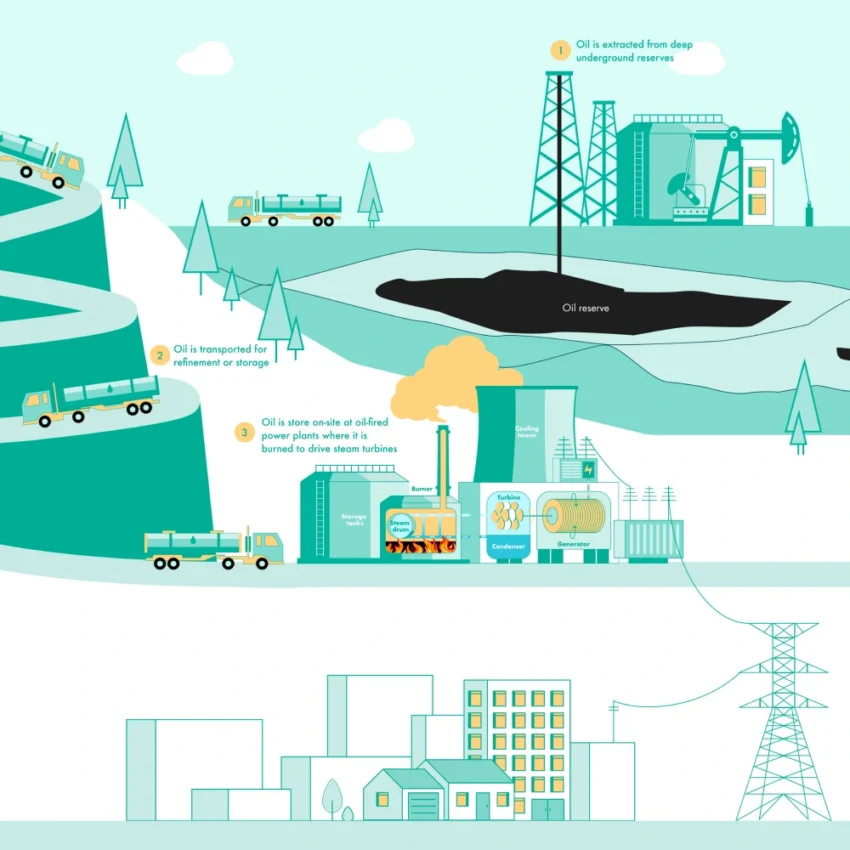
The energy sector forms the backbone of modern civilization, and national petroleum services play a critical role in ensuring that businesses, industries, and consumers have reliable access to fuel and energy resources. From fuel distribution networks to specialized storage solutions, these services encompass a wide range of operations that keep economies running smoothly. Whether you’re a business owner seeking reliable fuel suppliers or an industry professional looking to understand the petroleum services landscape, this comprehensive resource will provide you with the essential knowledge you need to make informed decisions about energy partnerships and solutions.
What Are National Petroleum Services?
National petroleum services represent a comprehensive network of fuel distribution, storage, transportation, and management solutions that operate across an entire country. These services are provided by companies and organizations that specialize in handling petroleum products from refineries to end-users. The scope of these services extends far beyond simple fuel delivery, encompassing everything from bulk fuel storage to emergency fuel services, fleet fueling solutions, and specialized petroleum product handling.
The petroleum services industry operates as a critical infrastructure component that connects oil refineries with millions of businesses and consumers. Companies offering national petroleum services typically maintain extensive distribution networks that include storage terminals, transportation fleets, and delivery systems designed to ensure consistent fuel availability. These organizations invest heavily in logistics technology, safety protocols, and regulatory compliance to meet the demanding standards of modern energy distribution. The infrastructure required to provide petroleum services nationally involves sophisticated supply chain management, real-time inventory tracking, and strategic positioning of fuel depots across geographic regions to minimize delivery times and maximize service reliability.
Understanding the distinction between regional and national petroleum services is important for businesses planning their energy procurement strategies. While regional providers may offer competitive pricing for localized operations, national petroleum services providers deliver advantages in terms of standardized service quality, broader geographic coverage, and the ability to support multi-location businesses with consistent fuel supply solutions. National providers typically have established relationships with major refineries, giving them access to larger fuel volumes and more favorable pricing structures that can be passed on to customers.
Core Components of National Petroleum Services
Fuel Distribution and Delivery Systems
The fuel distribution network forms the foundation of national petroleum services, representing a complex system of pipelines, tanker trucks, rail cars, and marine vessels that move petroleum products from refineries to distribution points and ultimately to end-users. This distribution infrastructure requires massive capital investment and ongoing maintenance to ensure safe and reliable operations. Modern fuel distribution systems incorporate advanced scheduling software that optimizes delivery routes, manages driver hours, and coordinates with customer demand patterns to ensure timely fuel deliveries while minimizing operational costs.
Suggested read: Everything You Need to Know About Hello Mobile Customer Service: Your Ultimate Resource for Support and Solutions
Fleet management represents a significant component of national fuel distribution services, with major providers operating thousands of tanker trucks equipped with GPS tracking, safety monitoring systems, and automated delivery documentation. These fleets must comply with strict Department of Transportation regulations regarding driver qualifications, vehicle maintenance, and hazardous materials handling. The most sophisticated national petroleum services companies have invested in telematics systems that provide real-time visibility into fleet operations, enabling proactive maintenance scheduling and rapid response to service disruptions. Additionally, many providers now offer emergency fuel delivery services that can respond to urgent customer needs outside of normal business hours, supported by strategically positioned fuel reserves and dedicated emergency response teams.
Storage Solutions and Terminal Operations
Storage capacity represents another critical element of petroleum services infrastructure, with national providers operating networks of above-ground storage tanks, underground fuel storage systems, and specialized containment facilities designed for different petroleum products. Storage terminals serve as regional distribution hubs where bulk fuel deliveries from refineries or pipelines are received, stored, and then redistributed to local delivery trucks for final delivery to customers. These facilities must meet rigorous environmental protection standards, including secondary containment systems, leak detection equipment, and spill prevention protocols that protect groundwater and surrounding ecosystems from potential contamination.
National petroleum services companies invest millions of dollars in storage infrastructure maintenance and upgrades to ensure compliance with evolving environmental regulations and safety standards. Modern storage facilities incorporate automated tank gauging systems that provide precise inventory management, vapor recovery systems that reduce emissions, and advanced fire suppression systems that protect against catastrophic incidents. The design and operation of petroleum storage terminals require specialized engineering expertise to address challenges such as product segregation, temperature control for different petroleum grades, and efficient loading/unloading procedures that maximize throughput while maintaining safety standards.
| Storage Type | Typical Capacity Range | Primary Use Cases | Key Safety Features |
|---|---|---|---|
| Above-Ground Storage Tanks | 10,000 – 500,000 gallons | Bulk fuel storage at terminals | Secondary containment, overfill prevention, fire suppression |
| Underground Storage Tanks | 5,000 – 50,000 gallons | Retail fueling stations, commercial facilities | Double-wall construction, leak detection, corrosion protection |
| Mobile Storage Tanks | 500 – 5,000 gallons | Temporary fuel storage, remote operations | Portable containment, DOT compliance, secure anchoring |
| Specialty Storage Systems | Varies | Aviation fuel, marine fuel, specialty products | Product-specific materials, temperature control, contamination prevention |
Types of National Petroleum Services Offered
Commercial Fueling Solutions
Commercial fueling services cater to businesses that operate vehicle fleets, construction equipment, or other fuel-powered assets. National petroleum services providers offer customized fueling programs that can include on-site fuel delivery, cardlock fueling networks, and fleet fuel management systems designed to track consumption, control costs, and ensure fuel availability. On-site fuel delivery eliminates the need for commercial vehicle operators to visit retail fueling stations, saving time and improving operational efficiency. Providers install metered dispensing equipment at customer locations and schedule regular deliveries to maintain adequate fuel inventory based on historical consumption patterns and projected demand.
Cardlock fueling networks represent another popular commercial fueling solution, providing fleet operators with 24/7 access to fuel at strategically located cardlock stations across the country. These unmanned fueling facilities use automated payment systems linked to fleet fuel cards that track individual vehicle consumption, enable driver identification, and provide detailed transaction reporting for fleet management purposes. The data generated through cardlock systems provides valuable insights into fleet fuel efficiency, potential fuel theft or misuse, and opportunities for cost optimization through route planning and vehicle performance improvements.
Industrial and Manufacturing Support
Industrial facilities and manufacturing plants often require specialized national petroleum services that go beyond standard fuel delivery. These operations may need bulk fuel storage systems, specialty petroleum products for manufacturing processes, or continuous fuel supply arrangements that support critical production operations. National petroleum providers work with industrial customers to design fuel supply solutions that meet specific volume requirements, delivery schedules, and product specifications. This might include installing dedicated fuel storage infrastructure on customer premises, providing backup fuel systems for emergency power generation, or delivering specialty lubricants and petroleum-based products used in manufacturing processes.
Suggested read: Understanding the Department of the Treasury Bureau of the Fiscal Service: Your Complete Resource for Federal Financial Operations
The relationship between national petroleum service providers and industrial customers typically involves long-term contracts that provide pricing stability and guaranteed supply arrangements. These contracts often include service level agreements that specify delivery response times, product quality standards, and contingency plans for supply disruptions. Industrial customers benefit from the extensive distribution networks maintained by national providers, which can source fuel from multiple refineries and distribution points to ensure continuous supply even during regional shortages or transportation disruptions.
Agricultural and Rural Petroleum Services
Agricultural operations present unique challenges for petroleum service providers due to their rural locations, seasonal demand fluctuations, and specific fuel requirements for farm equipment. National petroleum services companies that serve agricultural markets maintain specialized delivery fleets capable of navigating rural roads and farm properties, and they offer flexible delivery scheduling that accommodates planting and harvest seasons when fuel demand peaks dramatically. Farm fuel delivery services often include bulk diesel delivery for tractors and combines, gasoline for smaller equipment and vehicles, and propane for grain drying and heating applications.
Rural fuel distribution requires strategic positioning of satellite storage facilities and local delivery hubs to ensure reasonable response times to customer locations that may be hundreds of miles from major petroleum terminals. National providers leverage their distribution networks to maintain fuel availability in rural markets even when local demand surges during critical agricultural periods. Many agricultural customers also benefit from deferred payment programs offered by national petroleum service companies, which allow farmers to receive fuel deliveries during planting season and pay after harvest when crop revenues are realized.
The Role of Technology in Modern Petroleum Services
Fuel Management Systems and Automation
Technology has transformed how national petroleum services are delivered and managed, with modern fuel management systems providing unprecedented visibility into fuel consumption, inventory levels, and distribution operations. Automated tank monitoring systems use sensors and wireless communication to provide real-time data on fuel levels at customer storage tanks, enabling providers to schedule deliveries proactively before tanks run low. This automatic delivery approach eliminates customer concerns about running out of fuel and allows providers to optimize delivery routes by consolidating multiple customer deliveries into efficient route plans.
Advanced fuel dispensing systems incorporate card reader technology, driver identification systems, and automated transaction recording that creates detailed audit trails for fuel consumption. These systems help businesses track fuel usage by individual vehicles or equipment, identify unusual consumption patterns that might indicate theft or mechanical problems, and allocate fuel costs to specific departments or projects for accurate cost accounting. Cloud-based fuel management platforms aggregate data from multiple locations and provide executives with dashboard views of fleet fuel consumption, spending trends, and opportunities for efficiency improvements across entire organizations.
Supply Chain Optimization and Logistics
The complexity of operating a national fuel distribution network requires sophisticated logistics planning and optimization tools that balance inventory costs, transportation expenses, and service level requirements. National petroleum services companies employ supply chain management software that factors in refinery production schedules, pipeline transportation availability, trucking capacity, customer demand forecasts, and pricing dynamics to determine optimal fuel purchasing and distribution strategies. These systems use predictive analytics to anticipate demand fluctuations based on factors like weather patterns, economic trends, and seasonal variations in fuel consumption.
Suggested read: AllTerrain Services: Expert Solutions for Every Landscape Challenge
Route optimization technology has become essential for efficient fuel delivery operations, with advanced algorithms calculating the most efficient delivery sequences that minimize driving distances, reduce fuel consumption by delivery trucks, and maximize the number of deliveries each truck can complete in a shift. Modern route optimization considers real-time traffic conditions, delivery time windows specified by customers, regulatory restrictions on hazardous materials transport, and driver hour-of-service limitations to create delivery plans that balance efficiency with compliance and customer service requirements.
Environmental Considerations and Sustainability Initiatives
Emissions Reduction and Clean Energy Transition
The petroleum services industry faces increasing pressure to address environmental concerns and support the transition to cleaner energy sources. National petroleum services companies are responding by investing in emissions reduction technologies, offering alternative fuel options, and implementing sustainability programs that reduce the environmental impact of fuel distribution operations. Fleet modernization initiatives replace older delivery trucks with newer models that meet stringent emissions standards, while some providers are experimenting with alternative-fuel delivery vehicles powered by compressed natural gas, electricity, or renewable diesel.
Many national petroleum providers now offer renewable diesel and biodiesel blends as part of their product portfolios, giving customers access to lower-carbon fuel alternatives that can significantly reduce greenhouse gas emissions compared to conventional petroleum diesel. These renewable fuel products are chemically similar to petroleum diesel and can be used in existing diesel engines without modifications, making them attractive options for businesses seeking to reduce their environmental footprint without investing in new equipment. The development of renewable fuel supply chains requires national providers to establish relationships with biodiesel producers, implement product handling procedures that maintain renewable fuel quality, and educate customers about the benefits and proper use of alternative fuel products.
Spill Prevention and Environmental Protection
Environmental stewardship represents a core responsibility for national petroleum services providers, who must implement comprehensive spill prevention and response programs to protect soil, water resources, and ecosystems from petroleum contamination. Modern fuel storage and distribution facilities incorporate multiple layers of environmental protection, including secondary containment systems that capture any fuel that might leak from primary storage tanks, leak detection systems that identify even small releases before they become major environmental problems, and regular inspection and maintenance programs that ensure protective systems remain effective over time.
Spill response preparedness is a critical component of environmental protection programs, with national petroleum companies maintaining emergency response teams, spill cleanup equipment stockpiles, and coordination protocols with environmental regulatory agencies. These response capabilities enable rapid containment and remediation of any fuel releases that might occur during storage, transportation, or delivery operations. Employee training programs ensure that all personnel involved in fuel handling understand proper procedures for spill prevention, response protocols if spills occur, and the environmental consequences of petroleum contamination that make diligent safety practices essential.
Regulatory Compliance and Safety Standards
Federal and State Regulations
Operating national petroleum services requires navigating a complex regulatory environment that includes federal regulations administered by agencies like the Environmental Protection Agency, Department of Transportation, and Occupational Safety and Health Administration, as well as state and local regulations that may impose additional requirements beyond federal standards. Compliance with these regulations requires significant administrative resources, specialized expertise, and ongoing training programs that keep employees updated on changing regulatory requirements and best practices for safe fuel handling.
Suggested read: Understanding Substitute Service: A Complete Resource for Legal Process Delivery
Transportation regulations govern every aspect of fuel delivery operations, from driver qualifications and hours-of-service limitations to vehicle maintenance standards and hazardous materials placarding requirements. National petroleum service providers must maintain comprehensive driver training programs that cover safe driving practices, emergency response procedures, and proper fuel delivery techniques. Vehicle maintenance programs ensure that delivery trucks meet all safety equipment requirements and undergo regular inspections to identify and correct mechanical issues before they lead to accidents or regulatory violations.
Industry Certifications and Quality Standards
Beyond regulatory compliance, many national petroleum services companies pursue voluntary industry certifications that demonstrate commitment to quality and safety beyond minimum legal requirements. Programs like the National Association of Convenience Stores Petroleum Equipment Institute certification, Occupational Safety and Health Administration Voluntary Protection Program, and International Organization for Standardization quality management certifications provide frameworks for continuous improvement in safety performance and operational excellence. These certifications require companies to implement documented management systems, conduct regular internal audits, and demonstrate sustained compliance with rigorous performance standards.
Fuel quality assurance represents another critical aspect of petroleum services operations, with national providers implementing testing and quality control procedures that ensure fuel products meet industry specifications and customer requirements. This includes regular laboratory analysis of fuel samples to verify that products meet standards for properties like cetane number, sulfur content, and water contamination that affect engine performance and emissions. Quality assurance programs also include procedures for handling fuel quality complaints, investigating potential contamination incidents, and taking corrective action when fuel quality issues are identified.
Choosing the Right National Petroleum Services Provider
Key Selection Criteria
Selecting a national petroleum services provider requires careful evaluation of multiple factors that will impact service reliability, cost-effectiveness, and overall partnership success. Geographic coverage represents a fundamental consideration, particularly for businesses operating in multiple locations who need consistent service across their entire footprint. National providers with extensive distribution networks can offer standardized service levels and coordinated account management across multiple locations, simplifying procurement and administrative processes compared to working with multiple regional suppliers.
Financial stability and operational track record provide important indicators of provider reliability and sustainability. Established national petroleum services companies typically have decades of operating history, significant asset bases that demonstrate commitment to the industry, and diversified customer portfolios that reduce dependence on any single market segment. Checking references from existing customers, reviewing safety and environmental compliance records, and assessing the provider’s financial statements can help identify partners with the stability and performance history to support long-term relationships.
Service capabilities and technology offerings differentiate providers in an increasingly competitive market. Businesses should evaluate whether potential providers offer the specific services needed to support their operations, such as emergency fuel delivery, automated tank monitoring, fuel management reporting, or specialized product handling. Technology platforms that provide real-time visibility into fuel deliveries, consumption trends, and account activity add value by simplifying fuel management and supporting data-driven decision making about fleet operations and energy procurement strategies.
Suggested read: Roof Coating Services: Transform and Protect Your Commercial Property Investment
Pricing Structures and Contract Terms
Understanding national petroleum services pricing structures helps businesses make informed comparisons between providers and negotiate favorable contract terms. Fuel pricing typically includes two main components: the wholesale fuel cost that reflects market prices for petroleum products, and a delivery fee or markup that covers the provider’s distribution costs and profit margin. Some providers offer cost-plus pricing where customers pay current market prices plus a fixed markup, while others use rack pricing based on published terminal prices plus delivery charges. Contract terms may include price protection provisions that limit price increases during contract periods, volume discounts that reduce costs for high-volume customers, or index pricing that ties contract prices to published fuel price indices.
Payment terms and credit policies vary significantly among national petroleum service providers, with some requiring prepayment or cash on delivery while others extend credit based on creditworthiness evaluations. Understanding available payment options and credit terms helps businesses manage cash flow and take advantage of early payment discounts that some providers offer. Contract duration and termination provisions should be carefully reviewed to ensure flexibility to change providers if service quality or pricing becomes unsatisfactory, while also considering that longer contract commitments may unlock better pricing or service terms.
Case Study: National Petroleum Services Implementation
A mid-sized construction company with operations in 15 states faced challenges managing fuel procurement across multiple job sites using local fuel suppliers. Inconsistent pricing, variable service quality, and administrative complexity from managing relationships with dozens of suppliers led the company to explore consolidated national petroleum services solutions. After evaluating several national providers, the company selected a partner with comprehensive coverage across all their operating locations and robust fuel management technology.
The implementation process included installing bulk fuel storage tanks at major job sites, providing fuel cards for vehicles and equipment that moved between locations, and implementing automated tank monitoring that triggered deliveries when fuel levels reached predetermined reorder points. The fuel management platform provided headquarters with real-time visibility into fuel consumption across all locations, enabling identification of efficiency opportunities and potential fuel theft or misuse. Within the first year, the company realized significant benefits including:
- 12% reduction in overall fuel costs through volume purchasing and elimination of retail fuel station premiums
- Reduction of administrative time spent on fuel procurement from multiple part-time roles to one dedicated position
- Improved job site productivity by eliminating time spent by equipment operators traveling to fuel stations
- Enhanced fuel security through card-based access controls and consumption tracking
- Better project cost allocation through automated fuel usage reporting by project and equipment
This example demonstrates how comprehensive national petroleum services programs can deliver value beyond simple fuel supply by improving operational efficiency, providing better cost control, and simplifying fleet fuel management for multi-location organizations.
Industry Trends Shaping National Petroleum Services
Digital Transformation and Customer Experience
The petroleum services industry is undergoing digital transformation that is reshaping customer expectations and service delivery models. National petroleum services providers are investing in customer portal technologies that enable self-service account management, online ordering, real-time delivery tracking, and digital invoicing that streamlines administrative processes. Mobile applications provide field personnel and fleet managers with tools for monitoring fuel consumption, requesting emergency deliveries, and accessing account information from smartphones and tablets, increasing convenience and responsiveness to changing operational needs.
Suggested read: Gas Fireplace Service: Expert Maintenance Solutions for Safety and Peak Performance
Data analytics and business intelligence capabilities are becoming competitive differentiators for national petroleum providers, with advanced platforms providing customers with insights into fuel consumption patterns, cost optimization opportunities, and benchmarking against industry peers. Predictive analytics tools can identify potential equipment problems based on unusual fuel consumption patterns, forecast future fuel needs based on historical trends and projected business activity, and recommend optimal procurement strategies that balance cost savings with supply reliability.
Consolidation and Market Dynamics
The national petroleum services sector has experienced significant consolidation in recent years as larger providers acquire regional competitors to expand geographic coverage and achieve operational efficiencies through scale. This consolidation trend creates both opportunities and challenges for customers, with larger consolidated providers offering broader service capabilities and more extensive distribution networks, but potentially less flexibility and personalized service compared to smaller regional operators. Understanding market dynamics and provider ownership structures helps businesses anticipate potential service changes and make informed decisions about provider selection and contract commitments.
Vertical integration strategies are reshaping competitive dynamics in the petroleum services industry, with some national providers acquiring refinery assets, pipeline infrastructure, or retail distribution networks to gain greater control over supply chains and capture additional value across the petroleum product lifecycle. These vertical integration strategies can provide customers with access to more reliable fuel supplies and potentially better pricing through direct relationships with production sources, though they may also reduce provider flexibility to source fuel from the most competitively priced suppliers at any given time.
Frequently Asked Questions About National Petroleum Services
What are national petroleum services and how do they differ from local fuel suppliers?
National petroleum services encompass comprehensive fuel distribution, storage, and management solutions provided by companies operating across an entire country with extensive distribution networks, standardized service protocols, and the ability to serve customers in multiple geographic locations. Unlike local fuel suppliers that typically serve limited geographic areas, national providers maintain infrastructure and operations spanning multiple states or regions, enabling them to support multi-location businesses with consistent service quality and centralized account management. National petroleum services companies typically have larger fuel volumes, more diverse product offerings, and greater financial resources to invest in advanced technology and infrastructure compared to local suppliers.
How can businesses benefit from using national petroleum services providers?
Suggested read: Local SEO Services by Garage2Global: Transform Your Business Visibility in 2026
Businesses benefit from national petroleum services through multiple value drivers including simplified procurement for multi-location operations, volume purchasing discounts from consolidated fuel volumes, consistent service quality across all locations, advanced fuel management technology, and comprehensive account support. National providers can leverage their extensive distribution networks to ensure reliable fuel supply even during regional disruptions, provide emergency delivery services supported by strategically positioned fuel reserves, and offer specialized products and services that may not be available from smaller regional suppliers. Additionally, working with a single national provider reduces administrative complexity compared to managing relationships with multiple regional suppliers and enables better data visibility for strategic fuel management decisions.
What types of businesses typically use national petroleum services?
National petroleum services customers span diverse industry sectors including transportation and logistics companies operating vehicle fleets, construction firms with equipment across multiple job sites, agricultural operations requiring seasonal fuel deliveries, manufacturing facilities needing bulk fuel supplies for production and backup power, government agencies managing fleets and facilities, and retail chains operating multiple locations. Any organization with significant fuel consumption, operations in multiple geographic areas, or complex fuel management requirements can potentially benefit from national petroleum services. The common thread among these customers is the need for reliable fuel supply, professional service standards, and often specialized capabilities that national providers are best positioned to deliver.
What should I look for when evaluating national petroleum services companies?
When evaluating national petroleum services providers, businesses should assess geographic coverage to ensure the provider can serve all operating locations, review service capabilities to confirm they offer needed services such as bulk delivery or emergency fuel, examine technology platforms for fuel management and reporting features, and evaluate pricing structures and contract terms for competitiveness and flexibility. Additional evaluation criteria include the provider’s safety and environmental compliance record, financial stability indicators, customer references and satisfaction levels, and responsiveness and quality of customer service and account management. Site visits to provider facilities and conversations with existing customers can provide valuable insights into operational capabilities and service quality that may not be apparent from proposals and presentations alone.
How do national petroleum services providers ensure fuel quality and safety?
Suggested read: Church Cleaning Services: Everything Your House of Worship Needs to Stay Spotless
National petroleum services companies implement comprehensive quality assurance and safety programs including regular fuel testing to verify product specifications, contamination prevention procedures during storage and transportation, employee training on safe fuel handling practices, and equipment maintenance programs to ensure delivery vehicles and storage infrastructure meet safety standards. Fuel quality programs typically involve laboratory analysis of fuel samples throughout the distribution chain, implementation of housekeeping procedures that prevent cross-contamination between different fuel products, and documented investigation processes when quality issues are identified. Safety programs encompass driver qualification and training requirements, vehicle inspection and maintenance protocols, spill prevention and response capabilities, and compliance monitoring to ensure adherence to regulatory requirements and industry best practices.
What role do national petroleum services play in supporting renewable energy transition?
While traditionally focused on conventional petroleum products, national petroleum services providers are increasingly supporting renewable energy transitions through distribution of renewable diesel and biodiesel blends, investment in alternative fuel infrastructure such as compressed natural gas and electric vehicle charging, and consultation services helping customers evaluate and implement lower-carbon fuel alternatives. Many national providers recognize that the energy landscape is evolving and are positioning their businesses to remain relevant by diversifying beyond conventional petroleum into renewable and alternative fuel products. This evolution enables customers to access renewable fuel options through existing supply relationships rather than establishing entirely new supplier partnerships, facilitating smoother transitions to lower-carbon fuel alternatives while maintaining service continuity and reliability.
Making the Most of Your National Petroleum Services Partnership
Maximizing value from national petroleum services relationships requires active engagement and strategic utilization of available services and capabilities. Businesses should take advantage of fuel management technology platforms provided by their suppliers to gain visibility into consumption patterns, identify cost optimization opportunities, and improve operational efficiency through data-driven decision making. Regular communication with account representatives helps ensure service levels meet expectations and provides opportunities to discuss new services, contract optimizations, or operational challenges that the provider might help address.
Periodic benchmarking of fuel costs and service quality against industry standards and alternative providers helps ensure continued competitiveness of existing supplier relationships. While frequent provider changes can create operational disruptions and lose accumulated relationship value, businesses should remain informed about market alternatives and leverage competitive intelligence during contract renewals to negotiate favorable terms. Developing collaborative partnerships with national petroleum services providers rather than purely transactional relationships can unlock additional value through customized solutions, preferential pricing, and responsive service that recognizes the mutual benefits of long-term partnerships.
Understanding the full scope of services offered by national petroleum providers often reveals opportunities to consolidate additional product or service purchases beyond basic fuel delivery. Many national providers offer related products such as lubricants, DEF (diesel exhaust fluid), antifreeze, and other petroleum-based products that businesses can purchase through their existing fuel supplier relationships. Consolidating these purchases can simplify procurement, reduce the number of supplier relationships to manage, and potentially unlock volume discounts or other preferential terms through increased total spending with a single provider.
Suggested read: How B2B SEO Services Transform Your Business Growth in 2024
Call to Action: Partner With National Petroleum Services Experts
Finding the right national petroleum services partner is crucial for ensuring reliable fuel supply, optimizing energy costs, and supporting your operational success. Whether you’re looking to consolidate fuel procurement across multiple locations, implement advanced fuel management technology, or access specialized petroleum products and services, working with an experienced national provider can deliver significant value for your organization.
Take the next step by contacting national petroleum services providers to discuss your specific fuel requirements, request proposals from qualified suppliers, and evaluate options that align with your operational needs and budget constraints. The investment in selecting the right petroleum services partner pays dividends through improved supply reliability, cost savings, operational efficiency gains, and access to expertise that helps navigate the complex energy landscape.
For businesses looking to optimize their overall digital presence alongside their operational efficiency, exploring off page seo services can complement your petroleum services strategy by ensuring your organization is visible to customers and partners searching for your products and services online.
Sources and Citations:
- U.S. Energy Information Administration. (2024). “Petroleum Supply Chain and Distribution Infrastructure.” Retrieved from eia.gov
- National Association of Convenience Stores. (2024). “Fuel Distribution and Retail Trends Report.”
- American Petroleum Institute. (2024). “Industry Standards and Best Practices for Petroleum Product Handling.”
- Environmental Protection Agency. (2024). “Underground Storage Tank Regulations and Compliance Guidelines.”
- Department of Transportation. (2024). “Hazardous Materials Transportation Regulations.”
This article about national petroleum services provides informational content based on industry research and standards. Specific service offerings, pricing, and capabilities vary by provider and should be verified directly with suppliers during the evaluation process.