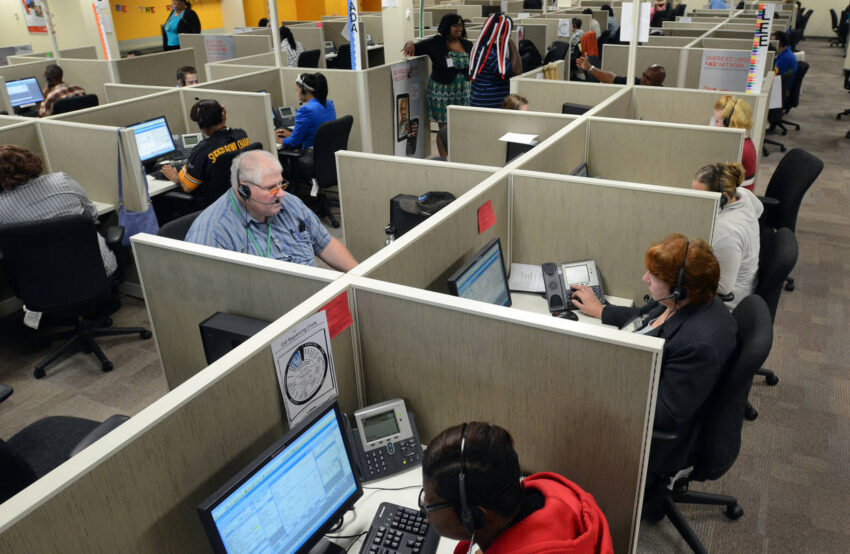
When most people hear “Wall Street,” they picture trading floors, stock tickers, and billion-dollar deals. But behind every investment account, brokerage platform, and financial product is a customer service infrastructure that millions of everyday Americans rely on every single day. Whether you’re disputing a transaction, checking on a wire transfer, or trying to unlock a frozen account, understanding how Wall Street customer service works can save you time, money, and a great deal of frustration.
This article breaks down everything you need to know — from how major Wall Street firms handle customer support, to what you should say when you call, to how you can escalate complaints effectively. If you’ve ever felt lost trying to navigate the support system of a major financial institution, you’re not alone — and this guide is designed specifically for you.
What Is Wall Street Customer Service?
Wall Street customer service refers to the support infrastructure provided by major financial institutions, brokerage firms, investment banks, and asset management companies headquartered in or associated with Wall Street — the financial district of Lower Manhattan, New York City.
These institutions include household names like:
- Goldman Sachs
- Morgan Stanley
- JPMorgan Chase
- Merrill Lynch (Bank of America)
- Charles Schwab
- Fidelity Investments
- TD Ameritrade (now Schwab)
- Citigroup
Each of these firms maintains dedicated customer service departments that handle everything from routine account inquiries to complex investment disputes. The quality, accessibility, and responsiveness of these departments vary significantly — which is exactly why knowing what to expect matters.
“The financial services industry spends billions on customer experience, yet satisfaction scores consistently lag behind other sectors. The gap between expectation and reality is where most consumer frustration lives.” — J.D. Power Financial Services Report, 2023
Why Wall Street Customer Service Matters More Than Ever
The financial services sector has undergone a massive transformation over the past decade. Mobile trading apps, robo-advisors, and 24/7 digital platforms have changed how people interact with their money. Yet despite all this technology, human customer service remains critical — especially when things go wrong.
Suggested read: Out of Service Sign: Everything You Need to Know Before You Buy One
According to the Consumer Financial Protection Bureau (CFPB):
- Over 180,000 complaints were filed against major financial companies in 2023 alone
- The most common issues include billing disputes, account management problems, and difficulty reaching support
- Complaints about investment products and brokerage accounts rose by 12% year-over-year
This data underscores a simple truth: Wall Street firms handle massive transaction volumes, but their customer service systems are not always equipped to handle the personal, urgent needs of individual investors and account holders.
Understanding how to navigate Wall Street customer service effectively is not just helpful — it’s a financial skill everyone needs.
How Major Wall Street Firms Structure Their Customer Service
JPMorgan Chase Customer Service
JPMorgan Chase is one of the largest banks in the United States, serving over 80 million households. Their customer service is divided into:
- Retail Banking Support — for Chase bank account holders
- Investment Banking Client Relations — for institutional and private wealth clients
- Chase Investment Services — for individual brokerage and IRA accounts
Contact Options:
| Support Channel | Availability | Best For |
|---|---|---|
| Phone (1-800-935-9935) | 24/7 | Urgent account issues |
| Secure Message (App) | 24/7 | Non-urgent inquiries |
| Branch Visit | Varies by location | In-person resolution |
| Online Chat | Business hours | Quick questions |
Goldman Sachs Customer Service
Goldman Sachs has historically catered to institutional clients, but with the launch of Marcus by Goldman Sachs, they now serve millions of retail consumers. Their support structure includes:
- Marcus Support Line — for savings accounts, personal loans, and credit cards
- Private Wealth Management Support — for high-net-worth individuals
- Institutional Client Services — for corporations and hedge funds
Goldman Sachs’s consumer arm, Marcus, has received above-average satisfaction scores in recent J.D. Power surveys, particularly for its high-yield savings account support.
Suggested read: Attic Cleaning Services: Everything You Need to Know Before Hiring a Pro
Morgan Stanley Customer Service
Morgan Stanley serves both retail and institutional clients through its Wealth Management and Investment Banking divisions. Key support channels include:
- Financial Advisor Network — clients are typically assigned a dedicated advisor
- Online Account Support — for self-directed accounts
- E*TRADE by Morgan Stanley — for retail brokerage customers
Key Fact: Morgan Stanley acquired E*TRADE in 2020, significantly expanding its retail customer base and bringing a more tech-forward customer service model into the fold.
Merrill Lynch (Bank of America) Customer Service
Merrill Lynch, now operating under the Bank of America umbrella, offers customer service through two primary channels:
- Merrill Edge — self-directed investing platform with robust online support
- Merrill Lynch Wealth Management — full-service advisory clients
One of the major advantages of Merrill’s integration with Bank of America is the ability to access investment and banking support through a single call to 1-800-637-7455.
What Services Does Wall Street Customer Service Cover?
When you contact Wall Street customer service, support agents are typically trained to handle a wide range of issues. Here’s a breakdown of the most common service categories:
1. Account Management
- Opening or closing accounts
- Updating personal information (address, beneficiaries, tax ID)
- Account consolidation and rollovers (especially for 401k and IRA accounts)
- Password resets and two-factor authentication issues
2. Transaction Support
- Verifying or disputing trades
- Wire transfer status and delays
- ACH transfer issues
- Check deposit holds
3. Investment Guidance
- Understanding investment product options
- Navigating fund prospectuses and disclosures
- Explaining fees, commissions, and expense ratios
- Tax form assistance (1099-DIV, 1099-B, etc.)
4. Complaint Resolution
- Filing formal complaints against brokers or advisors
- Escalating issues to supervisors or compliance departments
- FINRA arbitration referrals
5. Technical Support
- App and website troubleshooting
- Trading platform errors
- Login and security concerns
Wall Street Customer Service Hours: What You Need to Know
One of the most common frustrations people face is calling outside of service hours. Here’s a general overview of when major firms are reachable:
| Institution | Standard Phone Hours | After-Hours Support |
|---|---|---|
| JPMorgan Chase | 24/7 | Yes (automated + limited live) |
| Goldman Sachs (Marcus) | Mon–Fri 8AM–10PM ET | No live agent |
| Morgan Stanley | Mon–Fri 8AM–8PM ET | Limited |
| Merrill Lynch | Mon–Fri 8AM–9PM ET | Emergency line available |
| Charles Schwab | 24/7 | Yes (full support) |
| Fidelity Investments | 24/7 | Yes (full support) |
| Citigroup | 24/7 | Yes (automated) |
Pro Tip: If you need live human support, calling between 9 AM – 11 AM ET on Tuesday through Thursday typically yields the shortest wait times. Monday mornings and Friday afternoons are peak volume periods across most financial institutions.
Suggested read: Finding the Atmos Customer Service Number: Everything You Need to Know About Contacting Atmos Energy Support
How to Reach Wall Street Customer Service Quickly: 7 Proven Tips
Navigating large financial institutions can feel like being stuck in an endless phone tree. Here are seven proven strategies to get faster, more effective help:
Tip 1: Know Your Account Number Before You Call
Every Wall Street customer service call begins with identity verification. Having your account number, Social Security Number (last 4 digits), and recent transaction details ready speeds up the process dramatically.
Tip 2: Use the Secure Message Feature First
Many brokerage platforms offer in-app or online secure messaging. For non-urgent issues, this channel often produces faster written responses with a documented paper trail — invaluable if the issue escalates.
Tip 3: Call During Off-Peak Hours
As mentioned, Tuesday through Thursday mornings typically have the lowest call volumes. Avoid Mondays, market open/close times, and tax season (February–April) if possible.
Tip 4: Ask to Speak to a Specialist
General customer service agents may be limited in what they can resolve. Politely requesting a transfer to a specialist or senior representative for investment-specific issues often results in faster, more accurate solutions.
Tip 5: Document Everything
Keep a log of every interaction — date, time, name of representative, and what was discussed. This is especially important for dispute resolution and complaint escalation.
Tip 6: Use Social Media as a Last Resort
Firms like JPMorgan Chase and Charles Schwab have active Twitter/X support accounts. While not ideal for sensitive financial matters, a public post can sometimes accelerate a stalled resolution.
Suggested read: Everything You Need to Know About Hello Mobile Customer Service: Your Ultimate Resource for Support and Solutions
Tip 7: Know When to Escalate to FINRA or CFPB
If a firm is unresponsive, you have regulatory options:
- FINRA BrokerCheck (finra.org) — for broker disputes
- CFPB Complaint Portal (consumerfinance.gov) — for financial product complaints
- SEC Office of Investor Education (investor.gov) — for securities fraud concerns
Wall Street Customer Service Quality: A Data-Driven Comparison
Not all Wall Street firms deliver equal customer service. Here’s how some of the most prominent institutions ranked in recent independent surveys:
J.D. Power 2023 U.S. Full-Service Investor Satisfaction Study
| Firm | Satisfaction Score (out of 1,000) | Ranking |
|---|---|---|
| Edward Jones | 762 | #1 |
| Raymond James | 748 | #2 |
| Merrill Lynch | 730 | #3 |
| Morgan Stanley | 718 | #4 |
| Wells Fargo Advisors | 709 | #5 |
| UBS | 706 | #6 |
Source: J.D. Power 2023 U.S. Full-Service Investor Satisfaction Study
J.D. Power 2023 U.S. Self-Directed Investor Satisfaction Study
| Firm | Satisfaction Score (out of 1,000) | Ranking |
|---|---|---|
| Charles Schwab | 716 | #1 |
| Fidelity Investments | 714 | #2 |
| Merrill Edge | 703 | #3 |
| E*TRADE (Morgan Stanley) | 695 | #4 |
| TD Ameritrade | 693 | #5 |
These rankings reflect overall satisfaction across dimensions including problem resolution, communication quality, fee transparency, and digital experience.
Case Study: How JPMorgan Chase Transformed Its Customer Service Model
Background: In 2018, JPMorgan Chase faced growing criticism over long wait times, inconsistent support quality, and low first-call resolution rates — particularly in its Chase Investments division.
The Problem: With over 80 million customers and a rapidly expanding brokerage product line, Chase’s customer service infrastructure struggled to scale. Average wait times exceeded 12 minutes, and customer satisfaction scores lagged behind industry leaders like Fidelity and Schwab.
The Solution: JPMorgan invested over $1.5 billion in technology and support infrastructure between 2019 and 2022, including:
- AI-powered chatbot deployment to handle routine inquiries (account balances, trade confirmations, fee questions)
- Specialist routing technology that automatically directed complex investment calls to trained securities representatives
- Workforce expansion — adding 5,000+ customer service roles, with heavy emphasis on financial knowledge training
- Secure digital messaging integrated directly into the Chase Mobile app
The Results:
Suggested read: What Is Amazon Digital Services? Everything You Need to Know in 2025
- Average wait time dropped from 12 minutes to under 4 minutes by 2023
- First-call resolution rates improved by 31%
- Customer satisfaction scores increased by 18 points on J.D. Power’s scale
- Digital support adoption rose to 65% of all customer interactions
This case study illustrates a critical truth: Wall Street customer service quality is not fixed — it responds directly to investment, technology, and organizational commitment.
Common Complaints About Wall Street Customer Service (And How to Handle Them)
Despite improvements, customers continue to report recurring frustrations. Here are the most common complaints and actionable advice for each:
Complaint #1: “I Can’t Get a Live Person on the Phone”
Why it happens: Large institutions route high volumes of calls through automated systems. Pressing “0” repeatedly or saying “representative” or “agent” clearly can sometimes bypass menu trees. If that fails, try calling the branch directly rather than the main 800 number.
Complaint #2: “I Was Transferred Three Times and Nobody Could Help Me”
Why it happens: Customer service departments are siloed by product type. The fix: ask directly at the start of the call whether you’ve reached the correct department before explaining your issue. Getting to the right team first prevents unnecessary transfers.
Complaint #3: “My Dispute Has Been Pending for Weeks”
Why it happens: FINRA rules allow firms up to 60 days to investigate certain disputes. However, if you haven’t received a written acknowledgment within 10 business days, escalate in writing and reference the specific account number and transaction date.
Complaint #4: “I Can’t Get a Straight Answer About Fees”
Why it happens: Fee structures in investment products are often complex, buried in prospectuses, or split between different departments. Request a written fee disclosure summary in your secure message, which creates an accountable paper trail.
Complaint #5: “The App Is Down and I Can’t Trade”
Why it happens: High-volume market events (earnings seasons, Fed announcements, IPOs) can overload trading platforms. Always call the trading desk directly for time-sensitive trades rather than relying solely on the app.
Suggested read: Moving Services Greenville: Everything You Need to Know About Professional Movers in 2024
Wall Street Customer Service vs. Community Banks: Key Differences
Many consumers wonder whether dealing with a large Wall Street institution is inherently more difficult than working with a local community bank or credit union. Here’s a direct comparison:
| Feature | Wall Street Firms | Community Banks/Credit Unions |
|---|---|---|
| Product Range | Extensive (stocks, bonds, ETFs, options, derivatives) | Limited (basic savings, checking, loans) |
| 24/7 Availability | Common for large firms | Rare |
| Personalization | Lower (high volume model) | Higher (relationship model) |
| Wait Times | Longer on average | Shorter on average |
| Digital Tools | Highly sophisticated | Basic to moderate |
| Complaint Escalation | Multiple regulatory pathways | Simpler process |
| Fee Complexity | High | Low to moderate |
The bottom line: Wall Street customer service offers breadth and availability that smaller institutions cannot match, but often at the cost of personalization and simplicity. Knowing this tradeoff helps set realistic expectations.
How Wall Street Customer Service Is Evolving: Key Trends in 2024–2025
The financial services customer experience landscape is shifting rapidly. Here are the most significant trends reshaping Wall Street customer service right now:
1. AI-Powered Support Is Becoming the Norm
Major firms are deploying large language model (LLM)-based chatbots to handle Tier 1 support — routine questions about balances, rates, and account status. Goldman Sachs, Morgan Stanley, and JPMorgan have all announced significant AI investments in their customer operations.
2. Hyper-Personalization Through Data Analytics
Firms are leveraging account data to deliver proactive, personalized support — alerting customers to potential overdrafts, tax deadlines, or unusual account activity before they even call.
3. Video Banking and Virtual Advisor Meetings
Post-pandemic, many wealth management clients prefer virtual meetings via Zoom or proprietary video platforms rather than visiting a branch. Morgan Stanley and Edward Jones have expanded virtual advisory services significantly.
4. Omnichannel Integration
Top firms are eliminating the siloed experience by building unified support histories — so whether a customer calls, chats, or sends a message, the representative can see the full interaction history instantly.
Suggested read: Everything You Need to Know About Professional Repiping Services for Your Home
5. Self-Service Empowerment
Increasingly, firms are investing in comprehensive knowledge bases, educational video libraries, and interactive calculators so customers can resolve common issues entirely on their own — without needing to contact support at all.
How to File a Formal Complaint Against a Wall Street Firm
If your experience with Wall Street customer service has been seriously problematic — involving financial loss, discrimination, fraud, or repeated unresolved issues — you have formal complaint options beyond calling the firm.
Step 1: Exhaust Internal Escalation
Before going external, request in writing that your complaint be escalated to a compliance officer or customer relations department. Document this request with date and time.
Step 2: File with FINRA
The Financial Industry Regulatory Authority (FINRA) regulates brokerage firms and their registered representatives. File a complaint at finra.org/investors/have-problem.
Step 3: File with the CFPB
The Consumer Financial Protection Bureau handles complaints about financial products and services. Submit at consumerfinance.gov/complaint.
Step 4: Contact the SEC
For complaints involving securities fraud, misrepresentation, or broker misconduct, contact the U.S. Securities and Exchange Commission at sec.gov/tcr.
Step 5: Consider FINRA Arbitration
Many brokerage agreements include mandatory arbitration clauses. FINRA’s dispute resolution forum is the primary venue for resolving investment-related disputes between investors and broker-dealers.
Suggested read: Service Due Soon B1: Everything You Need to Know About Honda's B1 Maintenance Alert
Internal Resource: Finding the Right Customer Support Service
If you’re looking for comprehensive guidance beyond Wall Street, including local and community-level financial support options, explore resources on hampton social services — a helpful directory of customer support and social services to help you navigate financial institutions at every level.
Wall Street Customer Service: Quick Reference Cheat Sheet
Use this reference guide to contact the major Wall Street firms directly:
| Institution | Customer Service Number | Best Digital Channel |
|---|---|---|
| JPMorgan Chase | 1-800-935-9935 | Chase Mobile App |
| Goldman Sachs (Marcus) | 1-855-730-7283 | Marcus.com Secure Message |
| Morgan Stanley | 1-888-454-3965 | MS Online Portal |
| Merrill Lynch | 1-800-637-7455 | MyMerrill App |
| Charles Schwab | 1-800-435-4000 | Schwab.com Chat |
| Fidelity Investments | 1-800-343-3548 | Fidelity App |
| E*TRADE (Morgan Stanley) | 1-800-387-2331 | E*TRADE Pro Platform |
| Citigroup | 1-800-285-3000 | Citi Mobile App |
🚀 Ready to Get the Help You Deserve?
Don’t let a frustrating experience with Wall Street customer service cost you time or money. Whether you’re dealing with a frozen account, a disputed trade, or simply need answers about your investments, you have rights and resources. Use the contact information and strategies in this guide to get fast, effective support — and if a firm fails to resolve your issue, don’t hesitate to escalate through FINRA, the CFPB, or the SEC.
👉 Need broader financial support beyond Wall Street? Explore our full directory of wall street customer service resources and find the help that’s right for you.
Frequently Asked Questions About Wall Street Customer Service
What is Wall Street customer service?
Wall Street customer service refers to the support and assistance provided by major financial institutions, brokerage firms, and investment banks associated with Wall Street. This includes phone support, digital chat, secure messaging, and in-branch services for handling account issues, investment inquiries, dispute resolution, and general financial guidance.
How do I contact Wall Street customer service for my brokerage account?
The best way to contact your brokerage’s customer service is through the firm’s official website or mobile app. Most major Wall Street firms — including Fidelity, Charles Schwab, and Merrill Lynch — offer 24/7 phone lines as well as secure in-app messaging. Always verify contact information directly on the firm’s official website to avoid phishing scams.
What are the typical hours for Wall Street customer service?
Hours vary by institution. Large retail-facing firms like Charles Schwab and Fidelity offer 24/7 support. Others, like Goldman Sachs Marcus, operate Monday through Friday during standard business hours. Always check the firm’s official contact page for current hours, especially around holidays and major market events.
Suggested read: Coastal Moving Services: Everything You Need to Know for a Stress-Free Relocation
What should I do if Wall Street customer service doesn’t resolve my issue?
If your issue remains unresolved after escalating internally, you can file a formal complaint with the CFPB (consumerfinance.gov), FINRA (finra.org), or the SEC (sec.gov). For disputes involving monetary losses, FINRA arbitration is often the most effective formal resolution path.
Is Wall Street customer service available in languages other than English?
Many major Wall Street firms offer multilingual support, particularly in Spanish, Mandarin, Cantonese, and Korean, reflecting the diversity of their customer base. Charles Schwab and Fidelity, in particular, have expanded multilingual support significantly in recent years. Check with your specific institution for available language options.
How long does Wall Street customer service take to resolve disputes?
Resolution timelines vary widely depending on the type of dispute. Simple account errors may be resolved in 1–3 business days, while complex investment disputes can take 30–60 days or longer, particularly if FINRA investigation is required. Under Regulation E, unauthorized electronic fund transfer disputes must be resolved within 10 business days in most cases.
Can I walk into a Wall Street office for customer service?
For retail-focused firms with branch networks — such as JPMorgan Chase, Bank of America/Merrill Lynch, and Citibank — in-person branch visits are possible and often effective. Pure investment banking firms like Goldman Sachs and Morgan Stanley do not maintain retail walk-in branches for general consumers.
Conclusion
Navigating Wall Street customer service doesn’t have to be an ordeal. With the right knowledge, contact information, and escalation strategies, you can resolve most issues efficiently — and protect your financial interests when things go wrong. The key is preparation: know your account details, choose the right channel for your issue, document every interaction, and don’t hesitate to escalate when necessary.
The financial firms of Wall Street hold enormous resources, but so do you — in the form of regulatory protections, consumer rights, and the strategies outlined in this guide. Use them.
Sources:
- J.D. Power 2023 U.S. Full-Service Investor Satisfaction Study
- Consumer Financial Protection Bureau (CFPB) — Consumer Complaint Database
- FINRA — Investor Resources and Complaint Center
- SEC — Office of Investor Education and Advocacy
- Wall Street Customer Service — BedAsk.com