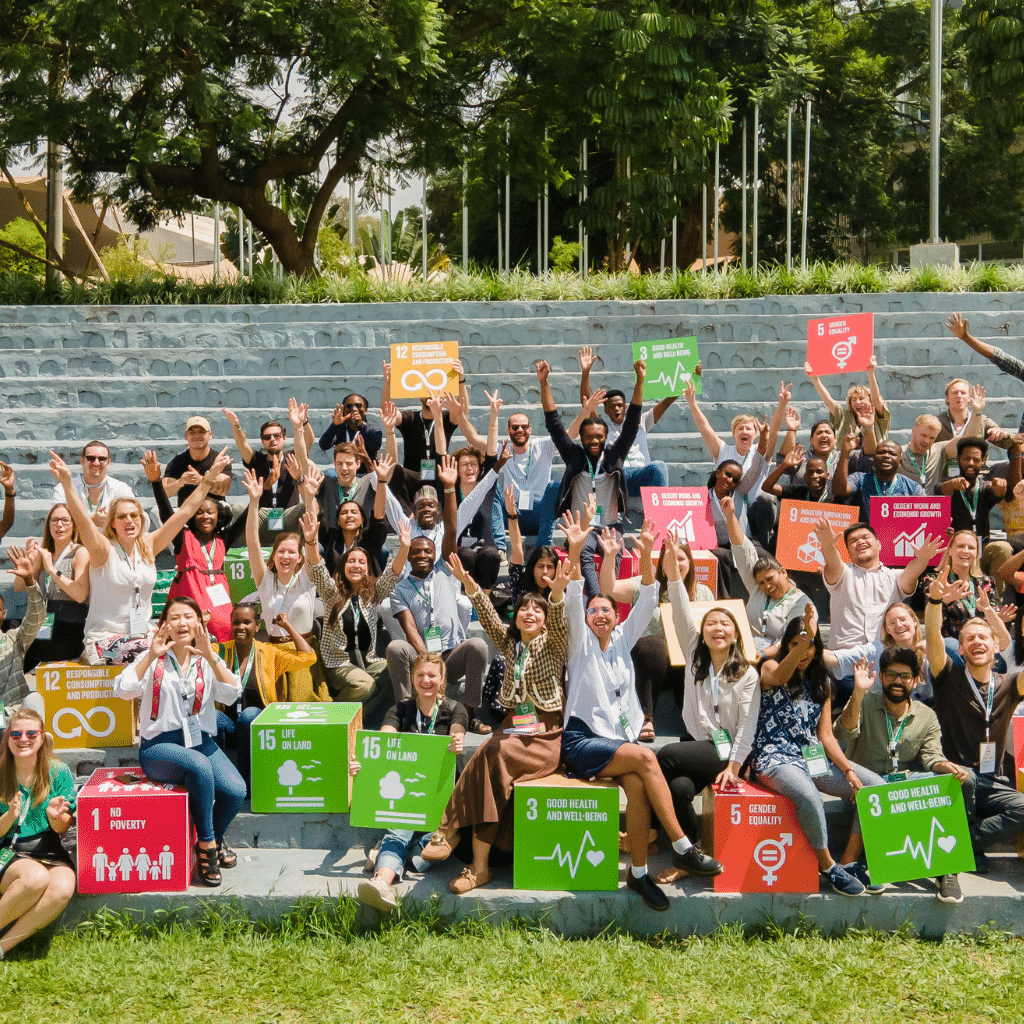
Want to make a difference in your community?
Editor’s Note: “Ideas on Community Service” have been published today, 2/15/23, to provide readers with information and inspiration for getting involved in their communities.
Weve compiled this guide to making a difference in your community to help you get started.
Key Differences:
| Service Type | Description | |—|—| | Direct Service | Providing hands-on assistance to individuals in need. Examples include volunteering at a soup kitchen, tutoring students, or helping out at a homeless shelter. | | Indirect Service | Supporting organizations or programs that provide services to individuals in need. Examples include donating money to a charity, volunteering for a fundraising event, or advocating for policy changes. | | Advocacy | Speaking out on behalf of individuals or groups who are marginalized or disadvantaged. Examples include lobbying for legislation, organizing protests, or raising awareness of social issues. | | Research | Conducting research to identify and understand the needs of a community. Examples include conducting surveys, analyzing data, and writing reports. | | | Education | Providing information and resources to help people learn about and address community issues. Examples include teaching classes, leading workshops, or developing educational materials. |
Transition to main article topics:
- The importance of community service
- The benefits of community service
- How to get involved in community service
- Tips for making a difference in your community
Community Service
Community service encompasses a wide range of activities that contribute to the well-being of a community. It can take many forms, from volunteering to advocacy to research. Here are nine key aspects of community service:
- Volunteering: Giving your time and skills to help others.
- Advocacy: Speaking out on behalf of those in need.
- Education: Teaching others about important issues.
- Research: Identifying and understanding community needs.
- Direct service: Providing hands-on assistance to individuals.
- Indirect service: Supporting organizations that provide services.
- Community organizing: Bringing people together to address community issues.
- Philanthropy: Donating money or resources to support community causes.
- Leadership: Taking on leadership roles in community organizations.
These aspects of community service are all interconnected and essential for creating healthy, vibrant communities. By getting involved in community service, you can make a real difference in the lives of others and help to build a better future for all.
Suggested read: Out of Service Sign: Everything You Need to Know Before You Buy One
Volunteering
Volunteering is a cornerstone of community service, offering individuals the opportunity to make a tangible difference in their communities. By giving their time and skills to help others, volunteers contribute to a wide range of causes and organizations, addressing diverse needs and challenges.
- Direct service: Volunteers provide hands-on assistance to individuals in need, such as serving meals at a soup kitchen, tutoring students, or helping out at a homeless shelter. This type of service allows volunteers to make a direct impact on the lives of others, providing support and assistance to those who need it most.
- Indirect service: Volunteers also support organizations and programs that provide services to individuals in need. This can involve fundraising, administrative tasks, or advocacy work. While indirect service may not involve direct contact with beneficiaries, it is essential for ensuring that organizations have the resources and support they need to carry out their missions.
- Community organizing: Volunteers play a vital role in bringing people together to address community issues. This can involve organizing neighborhood clean-ups, advocating for policy changes, or developing community gardens. Community organizing empowers residents to take ownership of their communities and work together to create positive change.
- Education: Volunteers can also share their knowledge and skills by teaching classes, leading workshops, or developing educational materials. This type of service helps to raise awareness about important issues, promote healthy behaviors, and empower individuals to make informed decisions.
Volunteering is a powerful way to give back to the community and make a real difference in the lives of others. By giving their time and skills, volunteers contribute to a more just, equitable, and compassionate society.
Advocacy
Advocacy is a powerful tool for social change. It involves speaking out on behalf of those who are marginalized, disadvantaged, or otherwise unable to speak for themselves. Advocacy can take many forms, from lobbying for policy changes to organizing protests to raising awareness of social issues.
Advocacy is an essential component of community service. By speaking out on behalf of those in need, advocates can help to create a more just and equitable society. For example, advocates may work to ensure that all children have access to quality education, that all families have access to affordable housing, or that all people have access to healthcare.
Advocacy can be challenging work, but it is also incredibly rewarding. By speaking out on behalf of those in need, advocates can make a real difference in the lives of others. Here are a few examples of how advocacy has been used to create positive change:
- In the United States, the civil rights movement used advocacy to fight for the rights of African Americans. This movement led to the passage of landmark legislation such as the Civil Rights Act of 1964 and the Voting Rights Act of 1965.
- In India, the Dalit movement used advocacy to fight for the rights of Dalits, who are considered to be the lowest caste in the Hindu social system. This movement has led to significant improvements in the lives of Dalits, including increased access to education and employment.
- In South Africa, the anti-apartheid movement used advocacy to fight against the system of apartheid, which segregated black people from white people. This movement led to the end of apartheid and the establishment of a democratic government.
These are just a few examples of how advocacy has been used to create positive change. By speaking out on behalf of those in need, advocates can make a real difference in the world.
Education
Education plays a vital role in community service, as it empowers individuals with the knowledge and skills they need to make a positive difference in their communities. By teaching others about important issues, we can raise awareness, promote understanding, and inspire action.
- Raising awareness: Education can help to raise awareness about important issues that affect our communities, such as poverty, homelessness, and environmental degradation. By sharing information and personal stories, we can help others to understand the challenges faced by these communities and motivate them to get involved in finding solutions.
- Promoting understanding: Education can also help to promote understanding of different perspectives and experiences. By learning about the lives of others, we can develop empathy and compassion, and break down stereotypes and prejudices. This understanding is essential for building strong and inclusive communities.
- Inspiring action: Education can inspire people to take action on the issues they care about. By providing information about volunteer opportunities, advocacy campaigns, and other ways to get involved, we can empower others to make a difference in their communities. Education can also inspire people to change their own behaviors and make choices that are more sustainable and just.
In short, education is a powerful tool for community service. By teaching others about important issues, we can raise awareness, promote understanding, and inspire action. This leads to more informed, engaged, and compassionate communities, where everyone has the opportunity to thrive.
Research
Research is the foundation of effective community service. It allows us to identify and understand the needs of our communities so that we can develop targeted and effective interventions.
- Needs assessment: The first step in conducting community research is to conduct a needs assessment. This involves gathering data about the community to identify its strengths, weaknesses, and areas for improvement. Needs assessments can be conducted using a variety of methods, such as surveys, interviews, and focus groups.
- Data analysis: Once the data has been gathered, it needs to be analyzed to identify trends and patterns. This analysis can be used to develop a profile of the community and to identify the most pressing needs.
- Developing interventions: The final step in the research process is to develop interventions to address the needs of the community. These interventions can be anything from programs and services to policy changes.
Research is an essential part of community service. It allows us to make informed decisions about how to allocate our resources and how to best serve our communities.
Suggested read: Direct Educational Services: Benefits and Implementation
Direct service
Direct service is a type of community service that involves providing hands-on assistance to individuals in need. This can include a wide range of activities, such as serving meals at a soup kitchen, tutoring students, or helping out at a homeless shelter. Direct service is an important component of community service because it allows volunteers to make a direct and tangible difference in the lives of others.
There are many benefits to providing direct service. For the volunteer, it can provide a sense of purpose and fulfillment. It can also help volunteers to develop new skills, such as communication and problem-solving. For the recipient of services, direct service can provide much-needed assistance and support. It can also help to build relationships between people from different backgrounds.
Here are a few examples of direct service in action:
- Volunteers at a local food bank help to sort and distribute food to families in need.
- Volunteers at a homeless shelter provide meals, shelter, and other services to people who are experiencing homelessness.
- Volunteers at a community center offer tutoring and other educational programs to children and adults.
- Volunteers at a hospital visit patients and provide companionship and support.
- Volunteers at a senior center help to organize activities and provide transportation for seniors.
These are just a few examples of the many ways that people can provide direct service in their communities. By giving their time and skills, volunteers can make a real difference in the lives of others.
In conclusion, direct service is an important component of community service. It allows volunteers to make a direct and tangible difference in the lives of others. If you are interested in getting involved in community service, there are many opportunities to provide direct service in your community.
Indirect service
Indirect service is a type of community service that involves supporting organizations that provide services to individuals in need. This can include a wide range of activities, such as donating money, volunteering time, or advocating for policy changes.
- Financial support: One way to provide indirect service is to donate money to organizations that provide services to individuals in need. This can include organizations that provide food, shelter, clothing, healthcare, and other essential services.
- Volunteering: Another way to provide indirect service is to volunteer time to organizations that provide services to individuals in need. This can involve a wide range of activities, such as serving meals at a soup kitchen, tutoring students, or helping out at a homeless shelter.
- Advocacy: Another way to provide indirect service is to advocate for policy changes that support organizations that provide services to individuals in need. This can involve contacting elected officials, writing letters to the editor, or participating in protests.
Indirect service is an important component of community service because it allows individuals to make a difference in the lives of others even if they do not have the time or resources to provide direct service. By supporting organizations that provide services to individuals in need, indirect service can help to ensure that everyone in the community has access to the resources they need to thrive.
Community organizing
Community organizing is a powerful tool for social change. It involves bringing people together to identify and address the issues that affect their community. Community organizing can take many forms, from organizing neighborhood clean-ups to advocating for policy changes. It is a vital part of community service, as it allows people to work together to create a better future for their community.
- Building relationships: Community organizing is all about building relationships. Organizers work to bring people together from all walks of life to work towards a common goal. This can be a challenge, but it is essential for building a strong and sustainable movement.
- Empowering residents: Community organizing is about empowering residents to take ownership of their community. Organizers work to help residents identify their own needs and develop their own solutions. This process can be transformative, as it helps people to realize that they have the power to make a difference.
- Creating change: Community organizing is about creating change. Organizers work to develop and implement strategies to address the issues that affect their community. This can be a long and difficult process, but it is ultimately rewarding, as it can lead to real and lasting change.
Community organizing is an essential part of community service. It allows people to work together to identify and address the issues that affect their community. By building relationships, empowering residents, and creating change, community organizing can help to create a better future for all.
Philanthropy
Philanthropy is the act of donating money or resources to support community causes. It is a powerful tool that can be used to make a real difference in the world. Philanthropy can be used to support a wide range of causes, from education and healthcare to the arts and the environment.
Suggested read: Humanitarian Service Medal: Recognition and Significance
- Direct support: Philanthropy can be used to provide direct support to community organizations and programs. This can include funding for operating costs, capital projects, and program development.
- Capacity building: Philanthropy can also be used to build the capacity of community organizations. This can include providing training and technical assistance, as well as funding for staff development and organizational infrastructure.
- Advocacy: Philanthropy can also be used to support advocacy efforts. This can include funding for research, policy development, and public education campaigns.
- Disaster relief: Philanthropy can also be used to provide disaster relief. This can include funding for emergency response, recovery, and rebuilding efforts.
Philanthropy is an essential part of community service. It provides the resources that community organizations need to make a difference in the world. By donating to, individuals and businesses can help to create a more just and equitable society.
Leadership
Leadership is essential for effective community service. Leaders are needed to develop and implement community service programs, motivate and inspire volunteers, and build relationships with community partners.
-
Vision and strategic planning
Leaders develop a vision for the community and create strategic plans to achieve that vision. They identify community needs, develop programs and services to address those needs, and set goals for the organization. -
Resource development
Leaders secure the resources needed to operate community service programs. This includes fundraising, grant writing, and developing partnerships with businesses and other organizations. -
Program implementation
Leaders are responsible for implementing community service programs. This includes developing curricula, training volunteers, and overseeing the day-to-day operations of the program. -
Evaluation and assessment
Leaders evaluate the effectiveness of community service programs and make adjustments as needed. This includes collecting data, analyzing results, and making changes to improve the program.
Effective leaders are passionate about their community and committed to making a difference. They are also skilled in communication, problem-solving, and decision-making.
If you are interested in getting involved in community service, consider taking on a leadership role. You can make a real difference in your community and help to create a better future for all.
FAQs on Community Service
This section addresses common questions and misconceptions surrounding community service.
Question 1: What is community service?
Community service encompasses a wide range of activities that contribute to the well-being of a community. It can involve direct service, such as volunteering at a soup kitchen or tutoring students, or indirect service, such as donating to a charity or advocating for policy changes.
Question 2: Why is community service important?
Suggested read: Professional Roof Washing Service: Protect Your Property Investment
Community service is important because it helps to make communities stronger and more vibrant. It provides support to those in need, builds relationships between people, and helps to create a sense of place and belonging.
Question 3: How can I get involved in community service?
There are many ways to get involved in community service. You can volunteer your time, donate money, or advocate for policy changes. You can also support community organizations by attending their events or spreading the word about their work.
Question 4: What are the benefits of community service?
Community service offers a number of benefits, including increased social connections, improved mental and physical health, and a sense of purpose and fulfillment. It can also help you to develop new skills, gain experience, and make a difference in your community.
Question 5: How can I make the most of my community service experience?
To make the most of your community service experience, find an opportunity that you are passionate about and that aligns with your skills and interests. Be prepared to commit your time and energy, and be open to new experiences and challenges. Reflect on your experiences and how they have impacted you and your community.
Suggested read: Amazon Reimbursement Service: Recover Lost Seller Profits Now
Question 6: What are some common misconceptions about community service?
One common misconception is that community service is only for people who have a lot of free time. However, there are many ways to get involved in community service, even if you have a busy schedule. Another misconception is that community service is only about helping others. While it is true that community service can benefit others, it can also be a rewarding experience for the volunteer.
Community service is a powerful way to make a difference in your community and the world. By getting involved in community service, you can help to create a more just, equitable, and compassionate society.
Transition to the next article section:
To learn more about community service opportunities in your area, visit the website of your local United Way or volunteer center.
Community Service Tips
Community service offers a multitude of opportunities to make a positive impact on your community. Here are some tips to help you get started and make the most of your community service experience:
Tip 1: Identify your interests and skills.
Consider your passions and the skills you possess. This will help you identify community service opportunities that align with your interests and allow you to contribute effectively.
Tip 2: Research different organizations.
Suggested read: Retail Customer Service: Modern Strategies for Building Customer Loyalty and Driving Sales Growth
Explore various organizations that offer community service opportunities. Learn about their missions, programs, and volunteer needs to find an organization that resonates with you.
Tip 3: Start small and gradually increase your involvement.
Don’t feel pressured to commit to a large amount of time initially. Begin with a small time commitment and gradually increase your involvement as you become more comfortable and find more opportunities that interest you.
Tip 4: Be reliable and responsible.
Once you commit to a volunteer opportunity, make sure to fulfill your responsibilities. Showing up on time and being prepared demonstrates your dedication and respect for the organization and those you serve.
Tip 5: Be open to new experiences and challenges.
Community service offers opportunities to step outside of your comfort zone and learn new skills. Embrace these experiences and challenges as they can lead to personal growth and a deeper understanding of the community.
Tip 6: Reflect on your experiences.
Take time to reflect on your community service experiences. Consider what you have learned, how you have contributed, and how you can continue to make a difference in your community.
Tip 7: Share your experiences with others.
Suggested read: IT Infrastructure Management Services: Essential Strategies for Modern Business Operations
Encourage others to get involved in community service by sharing your positive experiences. Talk about the organizations you have worked with, the people you have met, and the impact you have made. Your enthusiasm can inspire others to make a difference.
Community service is a rewarding and fulfilling experience that can make a significant contribution to your community. By following these tips, you can maximize your impact and make the most of your community service journey.
Conclusion
This exploration of “ideas on community service” underscores the significance of actively engaging in our communities to create positive change. Community service encompasses a wide range of opportunities, from direct service to advocacy and research, empowering individuals to contribute their skills and resources to address various social issues.
By embracing community service, we not only support those in need but also foster a sense of belonging, strengthen social connections, and promote a culture of empathy and compassion. It provides a platform for personal growth, skill development, and leadership, while fostering a deeper understanding of the challenges and opportunities within our communities.
As we continue to navigate the complexities of our world, community service remains an essential pillar for building a more just, equitable, and sustainable society. Let us all strive to be active participants in our communities, working together to create a better future for all.
Youtube Video:
