Are you looking for the best service trailer brake system? Here is all you need to know about service trailer brake system and how it can help you.
Editor’s Notes: service trailer brake system have published on [Publish Date].
In this article, we will tell you everything you need to know about service trailer brake system, including its benefits, features, and how to choose the right one for your needs. We have done extensive research and analysis, and we have put together this service trailer brake system guide to help you make the right decision.
Here are some of the key benefits of using a service trailer brake system:
Here are some of the key features of a service trailer brake system:
Here are some of the key factors to consider when choosing a service trailer brake system:
We hope this guide has been helpful. If you have any questions, please feel free to contact us.
Service Trailer Brake System
A service trailer brake system is a vital component of any trailer that is used to transport heavy loads. It is responsible for slowing down and stopping the trailer, and it must be properly maintained in order to ensure the safety of the driver and the other motorists on the road.
- Components: The service trailer brake system is made up of several key components, including the brake shoes, brake drums, brake lines, and brake fluid.
- Function: The service trailer brake system works by applying hydraulic pressure to the brake shoes, which then press against the brake drums to slow down and stop the trailer.
- Importance: A properly functioning service trailer brake system is essential for the safety of the driver and the other motorists on the road.
- Maintenance: The service trailer brake system should be inspected and maintained on a regular basis to ensure that it is functioning properly.
- Types: There are two main types of service trailer brake systems: drum brakes and disc brakes.
- Advantages: Service trailer brake systems offer a number of advantages, including improved safety, reduced stopping distances, and increased control over the trailer.
- Disadvantages: Service trailer brake systems can also have some disadvantages, such as increased cost and complexity.
- Regulations: Service trailer brake systems are subject to a number of regulations, which vary depending on the jurisdiction.
- Inspection: Service trailer brake systems should be inspected regularly to ensure that they are functioning properly.
- Repair: Service trailer brake systems should be repaired by a qualified mechanic.
These are just a few of the key aspects of service trailer brake systems. By understanding these aspects, you can make sure that your trailer is safe and well-maintained.
Suggested read: Unveiling the Secrets of Service Brake Assist: Transform Your Driving Experience
Components
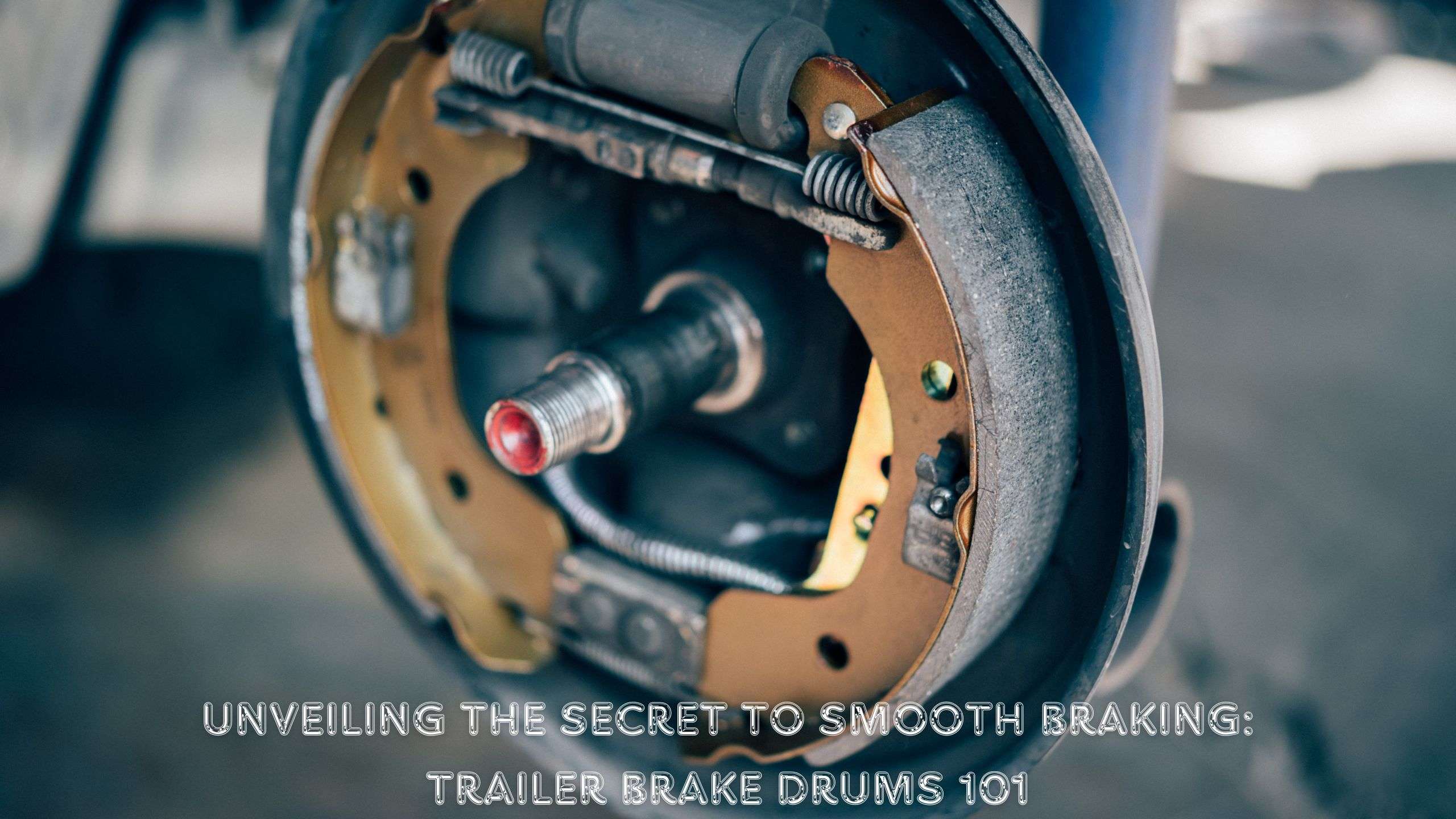
The service trailer brake system is made up of several key components, including the brake shoes, brake drums, brake lines, and brake fluid. These components work together to slow down and stop the trailer.
- Brake shoes: The brake shoes are the part of the brake system that presses against the brake drums to slow down and stop the trailer.
- Brake drums: The brake drums are the part of the brake system that the brake shoes press against to slow down and stop the trailer.
- Brake lines: The brake lines are the part of the brake system that carries the brake fluid from the master cylinder to the wheel cylinders.
- Brake fluid: The brake fluid is the part of the brake system that transfers the hydraulic pressure from the master cylinder to the wheel cylinders.
These components are all essential for the proper functioning of the service trailer brake system. If any of these components fails, the brake system will not be able to function properly, which could lead to an accident.
Function
The service trailer brake system is responsible for slowing down and stopping the trailer. It works by applying hydraulic pressure to the brake shoes, which then press against the brake drums to create friction and slow down the trailer. This process is controlled by the brake pedal, which is connected to the master cylinder. When the brake pedal is depressed, the master cylinder sends hydraulic pressure to the wheel cylinders, which in turn push the brake shoes against the brake drums.
- Components: The service trailer brake system is made up of several key components, including the brake shoes, brake drums, brake lines, and brake fluid. These components work together to slow down and stop the trailer.
- Operation: When the brake pedal is depressed, the master cylinder sends hydraulic pressure to the wheel cylinders, which in turn push the brake shoes against the brake drums. This creates friction and slows down the trailer.
- Importance: A properly functioning service trailer brake system is essential for the safety of the driver and the other motorists on the road.
- Maintenance: The service trailer brake system should be inspected and maintained on a regular basis to ensure that it is functioning properly.
By understanding the function of the service trailer brake system, you can make sure that your trailer is safe and well-maintained.
Importance
The importance of a properly functioning service trailer brake system cannot be overstated. A properly functioning service trailer brake system is essential for the safety of the driver and the other motorists on the road. Here are a few reasons why:
- Prevents accidents: A properly functioning service trailer brake system can help to prevent accidents by allowing the driver to slow down and stop the trailer in a controlled manner. This is especially important in emergency situations, such as when the driver needs to avoid a collision with another vehicle or object.
- Reduces stopping distances: A properly functioning service trailer brake system can help to reduce stopping distances, which can be critical in preventing accidents. This is because a properly functioning service trailer brake system allows the driver to apply more braking force to the trailer, which helps to slow the trailer down more quickly.
- Improves control over the trailer: A properly functioning service trailer brake system can help the driver to maintain control over the trailer, even in difficult driving conditions. This is because a properly functioning service trailer brake system allows the driver to adjust the amount of braking force that is applied to the trailer, which helps to prevent the trailer from skidding or jackknifing.
In addition to these safety benefits, a properly functioning service trailer brake system can also help to extend the life of the trailer and its components. By reducing wear and tear on the trailer’s brakes, a properly functioning service trailer brake system can help to keep the trailer in good condition and prevent costly repairs.
Maintenance
A properly functioning service trailer brake system is essential for the safety of the driver and the other motorists on the road. Regular maintenance is essential to ensure that the service trailer brake system is functioning properly.
- Regular inspections: The service trailer brake system should be inspected regularly to check for any signs of wear or damage. This includes checking the brake pads, rotors, and calipers. Any worn or damaged components should be replaced immediately.
- Brake fluid checks: The brake fluid should be checked regularly and replaced as needed. Brake fluid can become contaminated over time, which can reduce its effectiveness. Replacing the brake fluid will help to ensure that the service trailer brake system is functioning properly.
- Adjustments: The service trailer brake system should be adjusted as needed to ensure that the brakes are properly engaging. This includes adjusting the brake pedal free play and the brake shoe clearance. Proper adjustment will help to ensure that the service trailer brake system is functioning properly.
By following these maintenance tips, you can help to ensure that your service trailer brake system is functioning properly. This will help to keep you and your passengers safe on the road.
Types
Service trailer brake systems are an essential part of any trailer, and there are two main types of service trailer brake systems: drum brakes and disc brakes. Both types of brake systems have their own advantages and disadvantages, so it is important to choose the right type of brake system for your trailer.
Drum brakes are the most common type of brake system used on trailers. They are relatively simple to maintain and repair, and they are less expensive than disc brakes. However, drum brakes are not as effective as disc brakes, and they can be more prone to fading. Disc brakes are more effective than drum brakes, and they are less prone to fading. However, disc brakes are more expensive than drum brakes, and they can be more difficult to maintain and repair.
When choosing a service trailer brake system, it is important to consider the following factors:
Suggested read: Chesapeake Social Services: Everything Residents Need to Know
- The weight of the trailer
- The type of terrain the trailer will be used on
- The frequency of use
By considering these factors, you can choose the right type of service trailer brake system for your needs.
| Type of Brake System | Advantages | Disadvantages |
|---|---|---|
| Drum Brakes | Less expensive, easier to maintain and repair | Not as effective as disc brakes, more prone to fading |
| Disc Brakes | More effective than drum brakes, less prone to fading | More expensive, more difficult to maintain and repair |
Advantages
Service trailer brake systems offer a number of advantages, including improved safety, reduced stopping distances, and increased control over the trailer. These advantages make service trailer brake systems an essential part of any trailer, and they can help to prevent accidents and keep drivers and passengers safe.
Improved safety is one of the most important advantages of service trailer brake systems. A properly functioning service trailer brake system can help to prevent accidents by allowing the driver to slow down and stop the trailer in a controlled manner. This is especially important in emergency situations, such as when the driver needs to avoid a collision with another vehicle or object.
Reduced stopping distances are another important advantage of service trailer brake systems. A properly functioning service trailer brake system can help to reduce stopping distances, which can be critical in preventing accidents. This is because a properly functioning service trailer brake system allows the driver to apply more braking force to the trailer, which helps to slow the trailer down more quickly.
Increased control over the trailer is another important advantage of service trailer brake systems. A properly functioning service trailer brake system can help the driver to maintain control over the trailer, even in difficult driving conditions. This is because a properly functioning service trailer brake system allows the driver to adjust the amount of braking force that is applied to the trailer, which helps to prevent the trailer from skidding or jackknifing.
Overall, service trailer brake systems offer a number of important advantages that can help to improve safety, reduce stopping distances, and increase control over the trailer. These advantages make service trailer brake systems an essential part of any trailer, and they can help to prevent accidents and keep drivers and passengers safe.
| Advantage | Description |
|---|---|
| Improved safety | A properly functioning service trailer brake system can help to prevent accidents by allowing the driver to slow down and stop the trailer in a controlled manner. |
| Reduced stopping distances | A properly functioning service trailer brake system can help to reduce stopping distances, which can be critical in preventing accidents. |
| Increased control over the trailer | A properly functioning service trailer brake system can help the driver to maintain control over the trailer, even in difficult driving conditions. |
Disadvantages
Service trailer brake systems, while offering significant advantages, also have certain disadvantages, primarily increased cost and complexity.
The increased cost of service trailer brake systems is a notable drawback. These systems often require specialized components and installation, which can be more expensive than traditional braking systems. Additionally, the maintenance and repair of service trailer brake systems can also be more costly due to the specialized nature of the components.
The complexity of service trailer brake systems is another potential disadvantage. These systems involve intricate hydraulics, electrical components, and mechanical linkages. Troubleshooting and repairing these systems can be challenging, requiring skilled technicians and specialized equipment.
Despite these disadvantages, service trailer brake systems remain a valuable safety feature for trailers, particularly those carrying heavy loads or operating in demanding conditions. The benefits of improved safety, reduced stopping distances, and increased control often outweigh the increased cost and complexity.
| Disadvantage | Description |
|---|---|
| Increased cost | Service trailer brake systems often require specialized components and installation, which can be more expensive than traditional braking systems. |
| Complexity | Service trailer brake systems involve intricate hydraulics, electrical components, and mechanical linkages, making troubleshooting and repair challenging. |
Regulations
Regulations play a crucial role in the design, manufacture, and operation of service trailer brake systems. These regulations are established to ensure the safety and reliability of these systems, which are essential for controlling the movement of trailers and preventing accidents.
Suggested read: Academy of Peer Services: Training & Certification for Mental Health Support
The specific regulations governing service trailer brake systems vary depending on the jurisdiction. However, they typically cover aspects such as:
- Minimum performance standards for braking systems
- Requirements for regular inspection and maintenance
- Certification and licensing requirements for individuals installing and servicing brake systems
These regulations are essential for ensuring that service trailer brake systems are properly designed, installed, and maintained. They help to prevent accidents and protect the safety of drivers, passengers, and other road users.
Here are some real-life examples of the importance of regulations for service trailer brake systems:
- In the United States, the Federal Motor Carrier Safety Administration (FMCSA) has established regulations for service trailer brake systems that are designed to prevent accidents involving commercial vehicles.
- In the European Union, the European Commission has issued directives that set minimum safety standards for service trailer brake systems.
- In Australia, the National Heavy Vehicle Regulator (NHVR) has developed regulations for service trailer brake systems that are designed to improve safety and reduce the risk of accidents.
These regulations have been effective in reducing the number of accidents involving trailers. They have also helped to improve the safety of drivers, passengers, and other road users.
Understanding the connection between regulations and service trailer brake systems is essential for ensuring the safety of these systems. By complying with regulations, manufacturers, installers, and operators can help to prevent accidents and protect the public.
Inspection
Regular inspection of service trailer brake systems is paramount to ensure their optimal functionality and the safety of vehicles and individuals on the road. Here are some key facets of inspection in relation to service trailer brake systems:
- Ensuring Optimal Performance: Regular inspections help identify potential issues or wear and tear in components, allowing for timely repairs or replacements. This proactive approach prevents minor problems from escalating into significant breakdowns, ensuring the reliable performance of service trailer brake systems.
- Compliance with Regulations: In many jurisdictions, regular inspection of service trailer brake systems is mandated by law. These inspections verify that the systems meet the minimum safety standards set by regulatory bodies, ensuring compliance and reducing the risk of legal liabilities or penalties.
- Early Detection of Issues: Inspections can detect subtle changes or abnormalities in the operation of service trailer brake systems. Early identification of such issues allows for prompt corrective actions, preventing catastrophic failures and minimizing the likelihood of accidents.
- Cost Savings: Regular inspections can identify potential problems early on, enabling cost-effective repairs. By addressing issues before they become major, operators can avoid costly replacements or extensive repairs, saving on maintenance expenses in the long run.
In conclusion, regular inspection of service trailer brake systems is a crucial aspect of maintaining their functionality, ensuring the safety of vehicles and individuals on the road, and complying with regulatory requirements. By adhering to recommended inspection schedules and addressing issues promptly, operators can reap the benefits of optimal performance, cost savings, and peace of mind.
Repair
The proper repair of service trailer brake systems is a critical aspect of maintaining their functionality and ensuring the safety of vehicles and individuals on the road. Entrusting repairs to a qualified mechanic is paramount for several reasons:
- Expertise and Knowledge: Qualified mechanics possess the necessary expertise, knowledge, and experience to diagnose and repair service trailer brake systems effectively. They are trained to identify potential issues, select the appropriate repair techniques, and ensure that the system meets safety standards.
- Access to Resources: Qualified mechanics have access to specialized tools, equipment, and parts required for repairing service trailer brake systems. This includes diagnostic tools for identifying issues, specialized tools for performing repairs, and genuine parts for ensuring optimal performance and durability.
- Safety Assurance: Repairs performed by qualified mechanics adhere to industry best practices and safety standards. This provides assurance that the service trailer brake system is functioning correctly and meets regulatory requirements, minimizing the risk of accidents or breakdowns.
- Warranty and Liability: Qualified mechanics typically provide warranties for their repairs, ensuring peace of mind for vehicle owners. In the event of any issues arising from the repair, the mechanic can be held liable, providing recourse for the vehicle owner.
Neglecting to have service trailer brake systems repaired by a qualified mechanic can have severe consequences. Improper repairs or the use of unqualified individuals can compromise the integrity of the system, leading to reduced braking performance, increased risk of accidents, and potential legal liabilities. Therefore, it is essential to prioritize the involvement of qualified mechanics for the repair and maintenance of service trailer brake systems.
FAQs on Service Trailer Brake System
This section addresses frequently asked questions (FAQs) about service trailer brake systems, providing concise and informative answers to common concerns and misconceptions.
Suggested read: Why Universal Technical Services Are Essential for Modern Business Success in 2026
Question 1: What is the primary function of a service trailer brake system?
Answer: A service trailer brake system is designed to control the deceleration and stopping of a trailer. It enables the driver to apply braking force to the trailer’s wheels, reducing its speed or bringing it to a complete stop.
Question 2: Why is regular inspection of a service trailer brake system important?
Answer: Regular inspections are crucial for ensuring the proper functioning and safety of the brake system. They allow for the identification of potential issues, such as worn components or leaks, before they lead to more severe problems or accidents.
Question 3: What are the key components of a service trailer brake system?
Answer: The main components include brake shoes or pads, brake drums or rotors, brake lines, brake fluid, and a master cylinder. Each component plays a specific role in generating and transmitting braking force to the wheels.
Question 4: What are the advantages of using a service trailer brake system?
Suggested read: Roof Coating Services: Transform and Protect Your Commercial Property Investment
Answer: Service trailer brake systems offer several benefits, including improved braking performance, reduced stopping distances, enhanced control over the trailer, and increased overall safety for the driver and other road users.
Question 5: How should a service trailer brake system be maintained?
Answer: Proper maintenance involves regular inspections, timely replacement of worn components, and adherence to the manufacturer’s recommended maintenance schedule. It is essential to entrust repairs and maintenance to qualified mechanics to ensure the system’s reliability and safety.
Question 6: What are some common issues that can affect a service trailer brake system?
Answer: Common issues include worn brake pads or shoes, contaminated brake fluid, air in the brake lines, and leaks in the hydraulic system. Addressing these issues promptly helps maintain the system’s effectiveness and prevents potential failures.
Understanding these FAQs provides a comprehensive overview of service trailer brake systems, their importance, and the necessary steps for maintaining their functionality and safety.
Transition: For further insights and a deeper understanding of service trailer brake systems, explore the other sections of this article.
Service Trailer Brake System Tips
Maintaining a properly functioning service trailer brake system is essential for the safety of drivers and other road users. Here are some tips to ensure optimal performance and longevity of your service trailer brake system:
Tip 1: Regular Inspections
Suggested read: SALUTE Service Recovery Model: Transform Patient Dissatisfaction Into Loyalty and Trust
Regular inspections can identify potential issues early on, preventing minor problems from escalating into major breakdowns. Inspect brake pads or shoes for wear, check brake fluid levels and condition, and examine brake lines and hoses for leaks or damage.
Tip 2: Timely Maintenance
Adhere to the manufacturer’s recommended maintenance schedule. This includes regular brake fluid changes, brake pad or shoe replacements, and lubrication of moving parts. Timely maintenance helps ensure the system’s reliability and performance.
Tip 3: Proper Adjustment
Proper adjustment of the brake system is crucial for effective braking. Ensure that the brake pedal has the correct free play and that the brake shoes or pads make proper contact with the drums or rotors. Consult the manufacturer’s specifications for precise adjustment procedures.
Tip 4: Use High-Quality Components
Investing in high-quality brake components can significantly enhance the performance and durability of your service trailer brake system. Choose reputable brands and materials that meet industry standards.
Tip 5: Avoid Overloading
Overloading the trailer can put excessive strain on the brake system, leading to premature wear and potential failure. Strictly adhere to the trailer’s weight capacity and distribute the load evenly.
Tip 6: Train Drivers
Suggested read: Gas Fireplace Service: Expert Maintenance Solutions for Safety and Peak Performance
Educate drivers on the importance of proper braking techniques and the signs of potential brake issues. Encourage them to report any concerns promptly to ensure timely attention.
Tip 7: Emergency Preparedness
Always carry a spare tire and basic tools in case of a roadside emergency. Knowing how to change a tire and perform minor brake repairs can be invaluable in ensuring safety.
Tip 8: Professional Repairs
For major repairs or complex issues, entrust the work to qualified mechanics. They have the expertise, tools, and experience to diagnose and repair service trailer brake systems effectively, ensuring the safety and reliability of your equipment.
Following these tips can significantly extend the lifespan of your service trailer brake system, enhance its performance, and contribute to a safer driving experience for all.
Service Trailer Brake System
Service trailer brake systems play an indispensable role in ensuring the safety and reliability of trailers on our roadways. This article has explored the various aspects of service trailer brake systems, emphasizing their importance, components, and maintenance requirements. By understanding the intricate workings and significance of these systems, we can appreciate their contribution to road safety.
Regular inspections, timely maintenance, and adherence to recommended practices are paramount to preserving the functionality and longevity of service trailer brake systems. Investing in high-quality components and entrusting repairs to qualified mechanics further contribute to their effectiveness and reliability. As we continue to advance in the realm of transportation, service trailer brake systems will undoubtedly remain a cornerstone of road safety, enabling the smooth and controlled operation of trailers for years to come.
