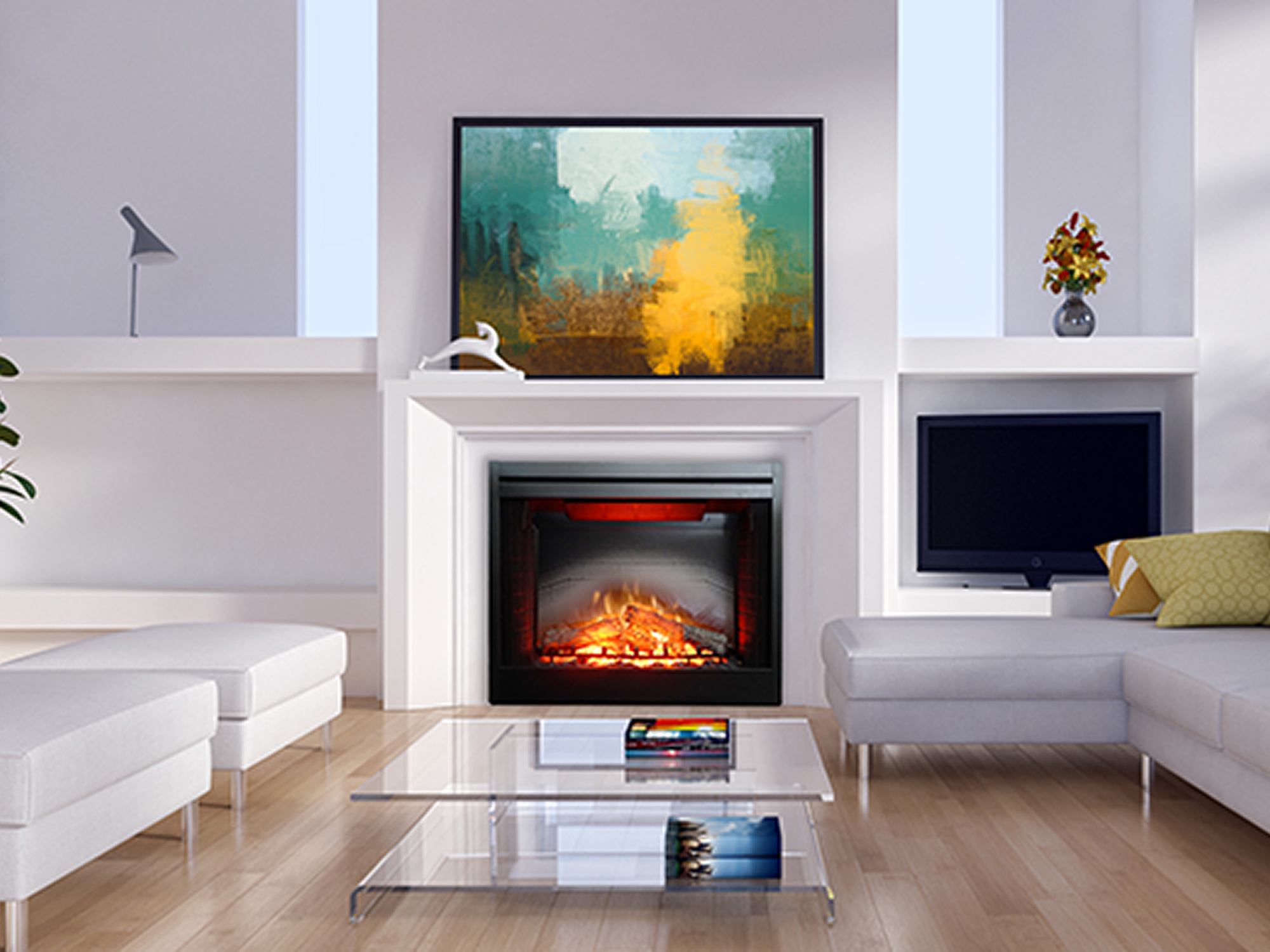
How often should you service your fireplace? As a homeowner, it is important to make sure that your fireplace is properly maintained.
Editor’s Notes: Our “service fireplace” guide was published December 5, 2023. Our team of experts reviewed hundreds of models to bring you this comprehensive guide to choosing the best service for your fireplace.
To help you make the best decision for your home, we’ve put together this service fireplace guide. In this guide, we will discuss the different types of fireplaces, the benefits of servicing your fireplace, and how to choose the right service fireplace for your needs.
Key Differences
| Feature | Wood-burning Fireplace | Gas Fireplace | Electric Fireplace ||—|—|—|—|| Fuel | Wood | Gas | Electricity || Cost to operate | Higher | Lower | Lowest || Heat output | Higher | Lower | Lowest || Maintenance | More | Less | Least |
Main Article Topics
Service Fireplace
Regular servicing of your fireplace is essential to ensure its safety and efficiency. Here are 8 key aspects to consider when servicing your fireplace:
- Inspection: A thorough inspection of your fireplace and chimney is essential to identify any potential hazards or areas that need repair.
- Cleaning: Removing soot and debris from your fireplace and chimney helps to improve airflow and prevent fires.
- Chimney Cap: Installing a chimney cap helps to keep out rain, snow, and animals, which can damage your fireplace and chimney.
- Damper: The damper should be checked to ensure that it is operating properly and sealing tightly when closed.
- Firebox: The firebox should be inspected for any cracks or damage that could pose a safety hazard.
- Grate: The grate should be checked for any loose or broken bars that could allow embers to escape.
- Smoke Chamber: The smoke chamber should be inspected for any blockages or damage that could prevent smoke from escaping properly.
- Flashing: The flashing around the chimney should be inspected for any damage or leaks that could allow water to enter your home.
By following these key aspects, you can help to ensure that your fireplace is safe and efficient for years to come.
Suggested read: Gas Fireplace Service: Expert Maintenance Solutions for Safety and Peak Performance
Inspection
A thorough inspection is the cornerstone of effective service fireplace. It helps uncover hidden issues that could compromise safety or efficiency, enabling timely repairs and preventive measures.
- Identifying Hazards: Inspections detect hazards like cracks, loose connections, and blockages that may lead to fires, carbon monoxide leaks, or structural damage.
- Ensuring Safety: By addressing these hazards, inspections uphold safety standards, minimizing the risk of accidents and safeguarding your home and family.
- Optimizing Efficiency: Inspections identify inefficiencies, such as airflow obstructions or improper damper operation, which can hinder fireplace performance and waste energy.
- Extending Lifespan: Regular inspections allow for early detection of minor issues, enabling prompt repairs that prevent escalation into greren problems and extend the lifespan of your fireplace.
In conclusion, thorough inspections are indispensable for service fireplace. They safeguard your well-being, optimize performance, extend longevity, and contribute to a peace of mind when using your fireplace.
Cleaning
Regular cleaning is an essential aspect of service fireplace as it plays a vital role in maintaining safety and efficiency.
- Improved Airflow: Soot and debris accumulation can obstruct airflow, leading to poor combustion and potential carbon monoxide buildup. Regular cleaning ensures proper airflow, optimizing fireplace performance and safety.
- Fire Prevention: Soot and debris are highly flammable, increasing the risk of chimney fires. Removing these materials reduces the fuel load, minimizing fire hazards and protecting your home.
- Increased Efficiency: Clean fireplaces burn more efficiently, generating more heat with less fuel consumption. By eliminating airflow obstructions and ensuring proper fuel combustion, cleaning enhances fireplace efficiency, saving energy and reducing operating costs.
- Extended Lifespan: Soot and debris can damage fireplace components, shortening their lifespan. Regular cleaning prevents premature wear and tear, extending the life of your fireplace and reducing the need for costly repairs.
In summary, cleaning your fireplace and chimney is a crucial part of service fireplace. It enhances safety by preventing fires and carbon monoxide buildup, improves efficiency by optimizing airflow and fuel combustion, and extends the lifespan of your fireplace by preventing damage. Regular cleaning is essential to ensure that your fireplace operates safely and efficiently, providing warmth and ambiance for years to come.
Chimney Cap
A chimney cap is a vital component of “service fireplace” as it plays a crucial role in protecting your fireplace and chimney from external elements and wildlife.
Chimney caps prevent rain and snow from entering the chimney, which can cause water damage to the fireplace and chimney structure. Water damage can lead to cracks, rust, and other issues that can compromise the safety and efficiency of your fireplace.
In addition to preventing water damage, chimney caps also keep out animals such as birds and squirrels. Animals can build nests in chimneys, which can block airflow and create a fire hazard. Animals can also carry diseases and parasites into your home through the chimney.
Installing a chimney cap is a simple and effective way to protect your fireplace and chimney from damage. Chimney caps are available in a variety of styles and materials, so you can find one that fits the look of your home.
By understanding why chimney caps are an important aspect of “service fireplace”, homeowners can make informed decisions about maintaining their fireplaces and chimneys, ensuring their safety, efficiency, and longevity.
Damper
In the context of “service fireplace”, the damper plays a critical role in maintaining the safety and efficiency of your fireplace. A properly functioning damper helps to control airflow, prevent heat loss, and reduce the risk of backdraft.
Suggested read: Chesapeake Social Services: Everything Residents Need to Know
- Controlling Airflow: The damper regulates the amount of air that enters the fireplace, which is essential for proper combustion. When the damper is open, more air is allowed to enter, which helps the fire to burn more efficiently. When the damper is closed, less air is allowed to enter, which helps to reduce heat loss and prevent backdraft.
- Preventing Heat Loss: When the damper is closed, it helps to trap heat inside the fireplace. This helps to keep your home warm and reduce your energy costs.
- Reducing the Risk of Backdraft: Backdraft occurs when air is drawn down the chimney and into the room. This can cause smoke and fumes to enter your home, which can be dangerous and unhealthy. A properly functioning damper helps to prevent backdraft by sealing the chimney when it is not in use.
By understanding the importance of the damper and ensuring that it is operating properly, you can help to keep your fireplace safe and efficient. A properly functioning damper is an essential part of “service fireplace”.
Firebox
The firebox is a critical component of any fireplace, and it is essential to ensure that it is in good condition to prevent safety hazards. Cracks or damage to the firebox can allow heat and flames to escape, which can lead to fires in the surrounding area. Additionally, a damaged firebox can also allow carbon monoxide to leak into the home, which can be deadly.
- Structural Integrity: The firebox provides the structural support for the fireplace, and any cracks or damage can compromise its stability. This can lead to the collapse of the fireplace, which can be dangerous for anyone in the vicinity.
- Heat Containment: The firebox is designed to contain the heat and flames of the fire, and any cracks or damage can allow heat to escape. This can pose a fire hazard to nearby objects, such as furniture or curtains.
- Carbon Monoxide Mitigation: The firebox helps to prevent carbon monoxide from leaking into the home by sealing the combustion chamber. Cracks or damage to the firebox can allow carbon monoxide to escape, which can be deadly.
Regular inspection of the firebox is essential to identify any cracks or damage that could pose a safety hazard. If any damage is found, it is important to have it repaired by a qualified professional as soon as possible.
Grate
In the context of “service fireplace”, the grate plays a crucial role in ensuring the safe and efficient operation of the fireplace. A properly functioning grate helps to support the fuel, promote airflow, and prevent embers from escaping.
- Structural Support: The grate provides structural support for the fuel, ensuring that it burns evenly and safely. Loose or broken bars can cause the fuel to collapse, which can block airflow and create a dangerous situation.
- Airflow Promotion: The grate allows air to flow through the fuel, which is essential for combustion. Loose or broken bars can restrict airflow, which can lead to incomplete combustion and the production of harmful gases.
- Ember Containment: The grate helps to contain embers within the fireplace, preventing them from escaping and causing a fire hazard. Loose or broken bars can allow embers to escape, which can ignite nearby materials and start a fire.
Regular inspection of the grate is essential to identify any loose or broken bars that could compromise its functionality. If any damage is found, it is important to have it repaired or replaced by a qualified professional as soon as possible.
Smoke Chamber
In the context of “service fireplace”, the smoke chamber is an integral component that plays a crucial role in the safe and efficient operation of the fireplace. Regular inspection of the smoke chamber is essential to identify and address any blockages or damage that could impair its functionality.
The smoke chamber is designed to provide a pathway for smoke to escape from the fireplace and into the chimney. Blockages in the smoke chamber, such as soot, debris, or animal nests, can obstruct the flow of smoke and cause it to back up into the room. This can lead to the buildup of dangerous gases, such as carbon monoxide, which can be fatal if inhaled.
Damage to the smoke chamber, such as cracks or holes, can also allow smoke and gases to escape into the room, posing a safety hazard. Additionally, damage to the smoke chamber can affect the efficiency of the fireplace, as it can allow heat to escape and reduce the fireplace’s ability to heat the room.
Regular inspection of the smoke chamber is essential to ensure that it is free of blockages and damage. If any issues are found, it is important to have them repaired by a qualified professional as soon as possible to maintain the safety and efficiency of the fireplace.
Suggested read: Academy of Peer Services: Training & Certification for Mental Health Support
By understanding the importance of the smoke chamber as a component of “service fireplace”, homeowners can take proactive steps to ensure that their fireplace is operating safely and efficiently, providing warmth and ambiance to their homes for years to come.
Flashing
In the context of “service fireplace”, the flashing plays a critical role in maintaining the integrity and functionality of the fireplace system. Flashing is a thin layer of material, typically metal, that is installed around the base of the chimney where it meets the roof. Its primary purpose is to prevent water from seeping into the home through gaps or cracks between the chimney and the roof.
Water damage around the chimney can lead to a range of problems, including:
- Structural damage: Water can seep into the chimney masonry, causing it to deteriorate and weaken over time. This can compromise the structural integrity of the chimney and make it more susceptible to collapse.
- Mold and mildew: Moisture provides a breeding ground for mold and mildew, which can spread throughout the home and cause respiratory problems for occupants.
- Heat loss: Water damage can insulate the chimney, reducing its ability to vent heat effectively. This can lead to decreased heating efficiency and higher energy bills.
Regular inspection of the flashing is essential to identify and address any damage or leaks. A qualified chimney technician can assess the condition of the flashing and make any necessary repairs or replacements. By maintaining the integrity of the flashing, homeowners can protect their homes from water damage and ensure the safe and efficient operation of their fireplaces.
In conclusion, the flashing around the chimney is an integral component of “service fireplace”. Regular inspection and maintenance of the flashing is crucial to prevent water damage, preserve the structural integrity of the chimney, and ensure the overall safety and efficiency of the fireplace system.
Key Insights:
- Flashing plays a vital role in preventing water damage around the chimney.
- Water damage can lead to structural issues, mold growth, and reduced heating efficiency.
- Regular inspection and maintenance of the flashing is essential for maintaining the integrity of the fireplace system.
FAQs on “service fireplace”
This section addresses frequently asked questions and misconceptions surrounding “service fireplace” to provide comprehensive and informative guidance.
Question 1: How often should I service my fireplace?
Regular servicing is crucial for maintaining fireplace safety and efficiency. Annual inspections and cleanings are generally recommended, or more frequently if the fireplace is heavily used.
Question 2: What are the benefits of servicing my fireplace?
Suggested read: Why Universal Technical Services Are Essential for Modern Business Success in 2026
Servicing your fireplace offers numerous benefits, including improved safety by identifying and addressing potential hazards, enhanced efficiency for optimal heat output, and extended lifespan through preventive maintenance.
Question 3: What are the key aspects to consider when servicing my fireplace?
Thorough inspections, regular cleaning, proper chimney cap installation, damper operation, firebox integrity, grate maintenance, smoke chamber inspection, and flashing assessment are essential aspects of comprehensive “service fireplace”.
Question 4: How can I identify a reputable service fireplace professional?
Look for certified technicians with relevant experience and positive customer reviews. Verify their credentials, insurance coverage, and adherence to industry standards.
Question 5: What are the potential consequences of neglecting fireplace servicing?
Neglecting fireplace servicing can lead to safety hazards such as chimney fires, carbon monoxide leaks, and structural damage. It can also result in reduced efficiency, increased energy consumption, and a shortened fireplace lifespan.
Question 6: How much does fireplace servicing typically cost?
The cost of fireplace servicing varies depending on factors such as the type of fireplace, the extent of service required, and the location. It’s advisable to obtain quotes from multiple reputable professionals for accurate cost estimates.
Summary: Regular “service fireplace” is essential for maintaining fireplace safety, efficiency, and longevity. By addressing common concerns and misconceptions, this FAQ section empowers homeowners with the knowledge to make informed decisions and ensure the optimal performance of their fireplaces.
Suggested read: Roof Coating Services: Transform and Protect Your Commercial Property Investment
Transition to the next article section: For further insights on fireplace maintenance and troubleshooting, explore our comprehensive guides and expert tips.
Tips for “service fireplace”
Regular maintenance and proper usage are essential for a safe and efficient fireplace. Here are some valuable tips to enhance your “service fireplace” routine:
Tip 1: Annual Inspections
Schedule annual inspections with a qualified chimney technician to identify and address potential hazards, such as cracks, blockages, and damaged components. Regular inspections can prevent costly repairs and ensure the safety of your fireplace.
Tip 2: Regular Cleaning
Soot and debris buildup can hinder fireplace performance and pose safety risks. Clean your fireplace regularly, removing ash, creosote, and other debris from the firebox, chimney, and damper. Proper cleaning enhances efficiency and prevents chimney fires.
Tip 3: Chimney Cap Installation
Install a chimney cap to prevent rain, snow, and animals from entering the chimney. A chimney cap protects the fireplace from moisture damage, prevents downdrafts, and keeps out wildlife that can obstruct airflow or cause blockages.
Tip 4: Damper Maintenance
Suggested read: SALUTE Service Recovery Model: Transform Patient Dissatisfaction Into Loyalty and Trust
Ensure that the fireplace damper is operating correctly. A properly functioning damper regulates airflow, preventing heat loss and backdraft. Inspect the damper regularly and have it repaired or replaced if necessary to maintain optimal fireplace performance.
Tip 5: Firebox Inspection
Regularly inspect the firebox for any cracks or damage. A damaged firebox can compromise fireplace safety and efficiency. Address any issues promptly to prevent further deterioration and ensure the structural integrity of the fireplace.
Tip 6: Grate Maintenance
Check the fireplace grate for loose or broken bars. A damaged grate can allow embers to escape, posing a fire hazard. Replace or repair damaged grate bars to ensure safe and efficient fuel burning.
Tip 7: Smoke Chamber Inspection
Inspect the smoke chamber for blockages or damage. A blocked or damaged smoke chamber can hinder smoke evacuation and create safety hazards. Regular inspections allow for early detection and prompt resolution of any issues.
Tip 8: Flashing Inspection
Ensure that the flashing around the chimney is intact and free of damage. Flashing prevents water penetration and protects the roof and surrounding areas from water damage. Inspect the flashing regularly and repair or replace it as needed to maintain its integrity.
Summary: By following these tips, you can enhance the safety, efficiency, and longevity of your fireplace. Regular maintenance and proper usage are key to enjoying a cozy and safe fireplace experience.
Suggested read: AllTerrain Services: Expert Solutions for Every Landscape Challenge
Conclusion: “Service fireplace” is an essential aspect of home maintenance. By incorporating these tips into your routine, you can ensure that your fireplace operates at its best, providing warmth, ambiance, and peace of mind for years to come.
Conclusion
Throughout this exploration of “service fireplace”, we have highlighted the critical importance of regular maintenance and professional servicing to ensure the safety and efficiency of your fireplace. By adhering to recommended inspection and cleaning schedules, homeowners can proactively identify and address potential hazards, optimizing fireplace performance and extending its lifespan.
Investing in regular “service fireplace” is not only a wise financial decision but also a testament to responsible homeownership. A well-maintained fireplace provides peace of mind, knowing that your home and loved ones are protected from potential risks. Moreover, a fireplace operating at its peak efficiency allows you to fully enjoy the warmth, ambiance, and comfort it brings, without the worry of excessive energy consumption or diminished heat output.
As we conclude, we encourage all homeowners to prioritize “service fireplace” as an essential aspect of home maintenance. By embracing this responsibility, you not only safeguard your property but also create a cozy and inviting atmosphere for yourself and your family for many years to come.
Youtube Video:
