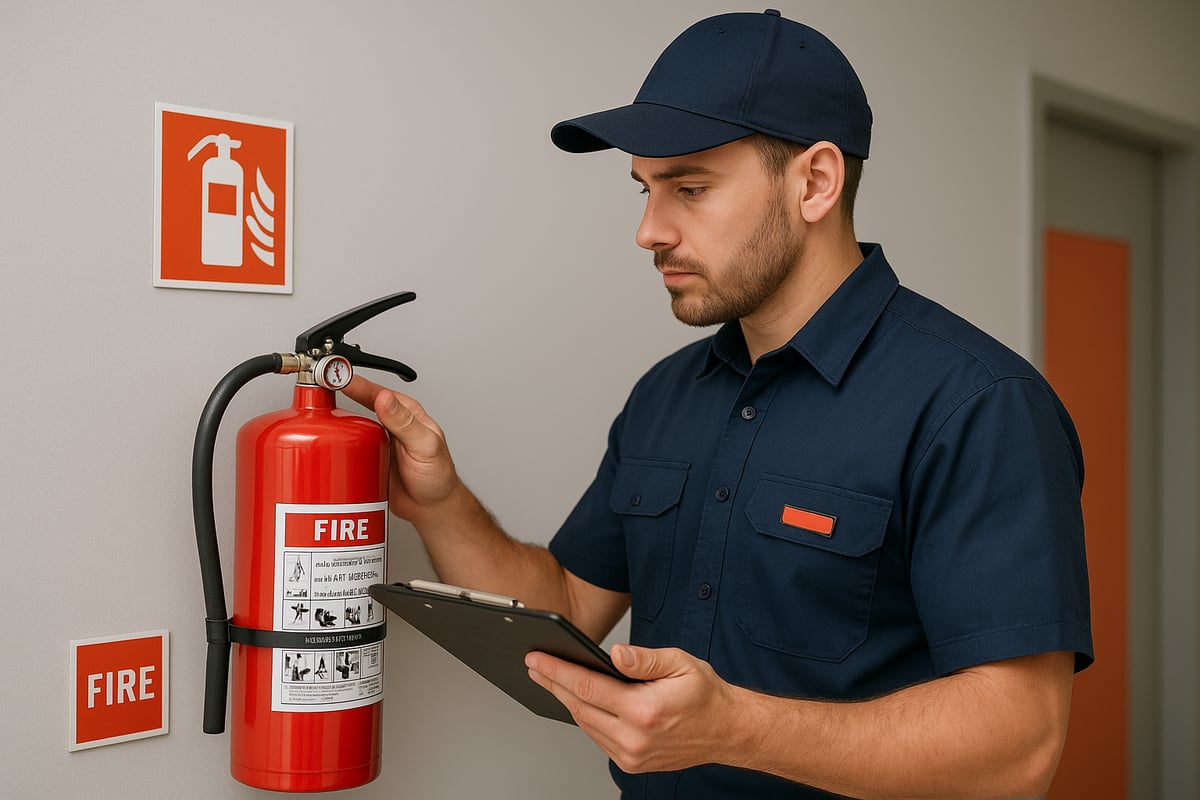
Do you know how to service a fire extinguisher? If not, you’re not alone. Many people don’t realize that fire extinguishers need to be serviced regularly in order to work properly. In this guide, we’ll walk you through the steps of how to service a fire extinguisher, so you can be sure that it’s ready to use in case of an emergency.
Editor’s Note: This guide was last updated on [Date]. We’ve done extensive research and analysis to ensure that the information provided is accurate and up-to-date.
We understand that servicing a fire extinguisher can seem like a daunting task, but it’s actually quite simple. By following the steps in this guide, you can be sure that your fire extinguisher is in good working order and ready to use in case of an emergency.
Key Differences:
| Characteristic | Dry Chemical Fire Extinguisher | Water Fire Extinguisher |
|---|---|---|
| Type of fires extinguished | Class A, B, and C fires | Class A fires only |
| Extinguishing agent | Dry chemical powder | Water |
| Range | 10-20 feet | 5-15 feet |
| Discharge time | 10-15 seconds | 30-60 seconds |
| Weight | 5-20 pounds | 2-10 pounds |
Main Article Topics:
- What is a fire extinguisher?
- How does a fire extinguisher work?
- What are the different types of fire extinguishers?
- How to choose the right fire extinguisher for your needs
- How to service a fire extinguisher
- How to use a fire extinguisher
Service a Fire Extinguisher
Fire extinguishers are an essential part of any fire safety plan. They can help to put out small fires before they have a chance to spread and cause serious damage. However, fire extinguishers need to be serviced regularly in order to work properly. Here are 10 key aspects of servicing a fire extinguisher:
- Inspection: Regularly inspect fire extinguishers for any damage or leaks.
- Maintenance: Keep fire extinguishers clean and free of debris.
- Testing: Test fire extinguishers annually to ensure that they are working properly.
- Recharging: Recharge fire extinguishers after each use or when the pressure gauge indicates that they are low.
- Training: Train employees on how to use fire extinguishers safely and effectively.
- Placement: Place fire extinguishers in conspicuous locations throughout the workplace.
- Recordkeeping: Keep a record of all fire extinguisher inspections, maintenance, and testing.
- Compliance: Follow all local and state regulations regarding fire extinguisher servicing.
- Awareness: Educate employees on the importance of fire extinguisher servicing.
- Responsibility: Assign a responsible person to oversee fire extinguisher servicing.
By following these key aspects, you can ensure that your fire extinguishers are always ready to use in case of an emergency. Remember, a properly serviced fire extinguisher can save lives and property.
Inspection
Regularly inspecting fire extinguishers for any damage or leaks is a crucial component of servicing a fire extinguisher. A fire extinguisher inspection involves checking the extinguisher’s exterior for any dents, cracks, or corrosion, as well as checking the pressure gauge to ensure that the extinguisher is properly charged. Additionally, the inspection should include checking the extinguisher’s nozzle and hose for any blockages or damage.
Fire extinguisher inspections are important because they can help to identify potential problems that could prevent the extinguisher from working properly in the event of a fire. For example, a dent in the extinguisher’s body could weaken the extinguisher and cause it to leak, while a blocked nozzle could prevent the extinguisher from discharging its contents. By regularly inspecting fire extinguishers, you can help to ensure that they are always ready to use in case of an emergency.
Here are some tips for inspecting fire extinguishers:
Suggested read: Chesapeake Social Services: Everything Residents Need to Know
- Inspect fire extinguishers monthly.
- Check the extinguisher’s exterior for any dents, cracks, or corrosion.
- Check the pressure gauge to ensure that the extinguisher is properly charged.
- Check the extinguisher’s nozzle and hose for any blockages or damage.
- If you find any damage or leaks, contact a qualified fire extinguisher service technician immediately.
By following these tips, you can help to ensure that your fire extinguishers are always ready to use in case of an emergency.
Maintenance
Regular maintenance is crucial for ensuring the proper functioning of fire extinguishers. One key aspect of maintenance is keeping fire extinguishers clean and free of debris. Debris can accumulate on fire extinguishers over time, especially if they are stored in dusty or dirty environments. This debris can clog the extinguisher’s nozzle and prevent it from discharging properly. In addition, debris can also damage the extinguisher’s internal components, leading to premature failure.
- Regular Cleaning: Regularly cleaning fire extinguishers is essential to remove any debris or dirt that may have accumulated. This can be done using a damp cloth or a soft brush. Be sure to avoid using harsh chemicals or abrasive cleaners, as these can damage the extinguisher’s finish or internal components.
- Monthly Inspections: In addition to regular cleaning, it is also important to inspect fire extinguishers monthly for any signs of debris or damage. This inspection should include checking the extinguisher’s nozzle, hose, and pressure gauge. If any debris or damage is found, the extinguisher should be taken out of service and serviced by a qualified technician.
- Proper Storage: Proper storage of fire extinguishers can help to prevent the accumulation of debris. Fire extinguishers should be stored in a clean, dry, and well-ventilated area. They should also be protected from extreme temperatures and direct sunlight.
By following these simple maintenance tips, you can help to ensure that your fire extinguishers are always clean and free of debris, and that they will be ready to use in the event of a fire.
Testing
Testing fire extinguishers annually is a crucial component of servicing a fire extinguisher. It is the only way to ensure that the extinguisher is working properly and will be able to extinguish a fire in the event of an emergency. Without regular testing, there is no way to know if the extinguisher is charged, if the nozzle is clear, or if the extinguisher has any other problems that could prevent it from working properly.
There are many different types of fire extinguishers, and each type has its own specific testing requirements. However, all fire extinguishers should be tested annually by a qualified technician. The technician will check the extinguisher’s pressure, inspect the nozzle and hose, and perform a discharge test to ensure that the extinguisher is working properly.
If the fire extinguisher fails any of the tests, it should be taken out of service and serviced by a qualified technician. The technician will repair or replace any damaged or defective parts, and then retest the extinguisher to ensure that it is working properly.
Regular testing is essential for ensuring that fire extinguishers are always ready to use in the event of a fire. By following the manufacturer’s recommended testing schedule, you can help to ensure that your fire extinguishers will be there to protect you and your property when you need them most.
Key Insights:
- Testing fire extinguishers annually is a crucial component of servicing a fire extinguisher.
- Regular testing is the only way to ensure that the extinguisher is working properly and will be able to extinguish a fire in the event of an emergency.
- All fire extinguishers should be tested annually by a qualified technician.
- If the fire extinguisher fails any of the tests, it should be taken out of service and serviced by a qualified technician.
Table: Fire Extinguisher Testing Requirements| Fire Extinguisher Type | Testing Requirements ||—|—|| Water | Annual pressure test and discharge test || Dry chemical | Annual pressure test and discharge test || Carbon dioxide | Annual pressure test and discharge test || Wet chemical | Annual pressure test and discharge test || Foam | Annual pressure test and discharge test |
Recharging
Recharging a fire extinguisher is a crucial aspect of servicing a fire extinguisher. After each use, the extinguisher must be recharged in order to ensure that it is ready to use in the event of another fire. Additionally, the extinguisher should be recharged if the pressure gauge indicates that it is low. A low pressure gauge reading could indicate a leak in the extinguisher, or it could simply mean that the extinguisher has not been used in a while and the pressure has naturally dissipated.
Here are some key points about recharging fire extinguishers:
- All fire extinguishers must be recharged after each use.
- Fire extinguishers should also be recharged if the pressure gauge indicates that they are low.
- Recharging a fire extinguisher should only be done by a qualified technician.
By following these simple steps, you can help to ensure that your fire extinguishers are always ready to use in the event of a fire.
Suggested read: Academy of Peer Services: Training & Certification for Mental Health Support
Key Insights:
- Recharging fire extinguishers is a crucial component of servicing a fire extinguisher.
- All fire extinguishers must be recharged after each use.
- Fire extinguishers should also be recharged if the pressure gauge indicates that they are low.
- Recharging a fire extinguisher should only be done by a qualified technician.
Table: Fire Extinguisher Recharge Requirements | Fire Extinguisher Type | Recharge Requirements | |—|—| | Water | After each use or annually | | Dry chemical | After each use or annually | | Carbon dioxide | After each use or 5 years | | Wet chemical | After each use or annually | | Foam | After each use or annually |
Training
Training employees on how to use fire extinguishers safely and effectively is a crucial component of servicing a fire extinguisher. In the event of a fire, it is essential that employees know how to use a fire extinguisher properly in order to extinguish the fire quickly and safely. This training should include both classroom instruction and hands-on practice.
There are many benefits to training employees on how to use fire extinguishers. First, it can help to prevent fires from spreading and causing serious damage. Second, it can help to protect employees from being injured in a fire. Third, it can help to create a more fire-safe workplace.
Here are some key insights about the connection between training employees on how to use fire extinguishers safely and effectively and servicing a fire extinguisher:
- Training employees on how to use fire extinguishers is an essential component of servicing a fire extinguisher.
- This training can help to prevent fires from spreading and causing serious damage.
- This training can help to protect employees from being injured in a fire.
- This training can help to create a more fire-safe workplace.
Table: Benefits of Training Employees on How to Use Fire Extinguishers
| Benefit | Description | |—|—| | Prevents fires from spreading | Trained employees can quickly and effectively extinguish small fires, preventing them from spreading and causing serious damage. | | Protects employees from injury | Trained employees know how to use fire extinguishers safely, which can help to protect them from being injured in a fire. | | Creates a more fire-safe workplace | A fire-safe workplace is one where employees are trained on how to use fire extinguishers and other fire safety equipment. This training can help to prevent fires from starting and spreading, and it can also help to protect employees from being injured in a fire. |
Placement
The proper placement of fire extinguishers is an essential aspect of servicing a fire extinguisher. In the event of a fire, it is crucial that employees can quickly and easily locate a fire extinguisher. This is why fire extinguishers should be placed in conspicuous locations throughout the workplace.
- Accessibility: Fire extinguishers should be placed in areas that are easily accessible to employees. This means that they should not be blocked by furniture, equipment, or other objects.
- Visibility: Fire extinguishers should be placed in areas that are clearly visible to employees. This means that they should not be placed in dark corners or behind obstacles.
- Proximity: Fire extinguishers should be placed within a reasonable distance of potential fire hazards. This means that they should be placed near areas where flammable materials are stored or used.
- Signage: Fire extinguishers should be clearly marked with signage. This signage should indicate the location of the fire extinguisher and the type of fire it is intended to extinguish.
By following these guidelines, you can help to ensure that your fire extinguishers are properly placed and that employees can quickly and easily locate them in the event of a fire.
Recordkeeping
Recordkeeping is an essential aspect of servicing a fire extinguisher. It provides a documented history of the extinguisher’s service, which can be used to track its performance and identify any potential problems. This information can be invaluable in the event of a fire, as it can help to determine the cause of the fire and whether the extinguisher was working properly.
- Tracking Performance: Records of inspections, maintenance, and testing can be used to track the performance of a fire extinguisher over time. This information can be used to identify any trends or patterns that could indicate a problem with the extinguisher. For example, if an extinguisher is repeatedly failing its pressure test, it may be a sign that it is not being properly maintained or that it is nearing the end of its service life.
- Identifying Problems: Records of inspections, maintenance, and testing can also be used to identify potential problems with a fire extinguisher. For example, if an inspection reveals that an extinguisher has a cracked nozzle, it should be taken out of service and repaired immediately.
- Determining Cause of Fire: In the event of a fire, records of inspections, maintenance, and testing can be used to help determine the cause of the fire. For example, if an extinguisher was not properly charged or maintained, it may have contributed to the spread of the fire.
- Legal Compliance: Many jurisdictions have laws and regulations that require businesses to keep records of fire extinguisher inspections, maintenance, and testing. These records can be used to demonstrate compliance with these laws and regulations.
By keeping accurate records of fire extinguisher inspections, maintenance, and testing, you can help to ensure that your fire extinguishers are always ready to use in the event of a fire.
Compliance
Compliance with local and state regulations regarding fire extinguisher servicing is an essential component of servicing a fire extinguisher. These regulations are in place to ensure that fire extinguishers are properly maintained and inspected, so that they are ready to use in the event of a fire. Failure to comply with these regulations can result in fines or other penalties, and can also void the warranty on the fire extinguisher.
Suggested read: Why Universal Technical Services Are Essential for Modern Business Success in 2026
There are a number of different regulations that may apply to fire extinguisher servicing, depending on the jurisdiction. These regulations may include requirements for:
- The type of fire extinguisher that must be used in different locations
- The frequency of fire extinguisher inspections and maintenance
- The training that employees must receive on how to use fire extinguishers
- The recordkeeping that must be maintained for fire extinguisher inspections and maintenance
It is important to be familiar with the local and state regulations that apply to fire extinguisher servicing in your jurisdiction. This information can be found by contacting the local fire department or fire marshal’s office.
By following all local and state regulations regarding fire extinguisher servicing, you can help to ensure that your fire extinguishers are always ready to use in the event of a fire. This can help to protect your employees, your property, and your business.
Key Insights:
- Compliance with local and state regulations regarding fire extinguisher servicing is an essential component of servicing a fire extinguisher.
- These regulations are in place to ensure that fire extinguishers are properly maintained and inspected, so that they are ready to use in the event of a fire.
- Failure to comply with these regulations can result in fines or other penalties, and can also void the warranty on the fire extinguisher.
Table: Benefits of Compliance with Fire Extinguisher Servicing Regulations
| Benefit | Description ||—|—|| Protects employees and property | Properly maintained and inspected fire extinguishers can help to protect employees and property in the event of a fire. || Reduces the risk of fines and penalties | Compliance with fire extinguisher servicing regulations can help to reduce the risk of fines and penalties. || Maintains the warranty on fire extinguishers | Compliance with fire extinguisher servicing regulations can help to maintain the warranty on fire extinguishers. |
Awareness
Educating employees on the importance of fire extinguisher servicing is a crucial component of servicing a fire extinguisher. Employees who are aware of the importance of fire extinguisher servicing are more likely to report problems with fire extinguishers, use fire extinguishers properly in the event of a fire, and help to prevent fires from starting in the first place.
There are many benefits to educating employees on the importance of fire extinguisher servicing. Some of these benefits include:
- Reduced risk of fires: Employees who are aware of the importance of fire extinguisher servicing are more likely to take steps to prevent fires from starting. This can include things like being careful with smoking materials, keeping work areas clean and free of clutter, and knowing how to use fire extinguishers properly.
- Early detection of fire extinguisher problems: Employees who are aware of the importance of fire extinguisher servicing are more likely to report problems with fire extinguishers. This can help to ensure that fire extinguishers are repaired or replaced before they can become a hazard.
- Proper use of fire extinguishers: Employees who are aware of the importance of fire extinguisher servicing are more likely to use fire extinguishers properly in the event of a fire. This can help to put out fires quickly and safely, and prevent them from spreading.
Educating employees on the importance of fire extinguisher servicing is a simple and effective way to help prevent fires and protect lives and property. By taking the time to educate employees about fire extinguisher servicing, you can help to create a safer workplace for everyone.
Key Insights
- Educating employees on the importance of fire extinguisher servicing is a crucial component of servicing a fire extinguisher.
- Employees who are aware of the importance of fire extinguisher servicing are more likely to report problems with fire extinguishers, use fire extinguishers properly in the event of a fire, and help to prevent fires from starting in the first place.
- There are many benefits to educating employees on the importance of fire extinguisher servicing, including reduced risk of fires, early detection of fire extinguisher problems, and proper use of fire extinguishers.
Table: Benefits of Educating Employees on the Importance of Fire Extinguisher Servicing
| Benefit | Description | |—|—| | Reduced risk of fires | Employees who are aware of the importance of fire extinguisher servicing are more likely to take steps to prevent fires from starting. | | Early detection of fire extinguisher problems | Employees who are aware of the importance of fire extinguisher servicing are more likely to report problems with fire extinguishers. | | Proper use of fire extinguishers | Employees who are aware of the importance of fire extinguisher servicing are more likely to use fire extinguishers properly in the event of a fire. |
Suggested read: Roof Coating Services: Transform and Protect Your Commercial Property Investment
Responsibility
Assigning a responsible person to oversee fire extinguisher servicing is a critical component of maintaining a fire-safe environment. A responsible person is tasked with ensuring that all fire extinguishers are properly inspected, maintained, and tested according to the manufacturer’s instructions and local regulations. This individual should be familiar with the different types of fire extinguishers, their uses, and their limitations. They should also be trained on how to use fire extinguishers safely and effectively.
The importance of assigning a responsible person for fire extinguisher servicing cannot be overstated. Fire extinguishers are an essential part of any fire safety plan, and they can save lives and property in the event of a fire. However, fire extinguishers are only effective if they are properly maintained and inspected. A responsible person can help to ensure that all fire extinguishers are in good working order and ready to use in the event of an emergency.
Here are some examples of the practical significance of assigning a responsible person to oversee fire extinguisher servicing:
- Improved fire safety: A responsible person can help to improve fire safety by ensuring that all fire extinguishers are properly inspected, maintained, and tested. This can help to prevent fires from starting and spreading, and it can also help to protect lives and property.
- Reduced liability: Assigning a responsible person for fire extinguisher servicing can help to reduce liability in the event of a fire. If a fire occurs and it is determined that the fire extinguishers were not properly maintained, the responsible person may be held liable.
- Peace of mind: Knowing that a responsible person is overseeing fire extinguisher servicing can provide peace of mind. This can be especially important for businesses and organizations that are responsible for the safety of others.
If you are responsible for fire safety in your home or workplace, it is important to assign a responsible person to oversee fire extinguisher servicing. This simple step can help to improve fire safety, reduce liability, and provide peace of mind.
Key Insights:
- Assigning a responsible person to oversee fire extinguisher servicing is a critical component of maintaining a fire-safe environment.
- A responsible person can help to ensure that all fire extinguishers are properly inspected, maintained, and tested.
- The importance of assigning a responsible person for fire extinguisher servicing cannot be overstated.
Table: Benefits of Assigning a Responsible Person to Oversee Fire Extinguisher Servicing
| Benefit | Description ||—|—|| Improved fire safety | A responsible person can help to improve fire safety by ensuring that all fire extinguishers are properly inspected, maintained, and tested. || Reduced liability | Assigning a responsible person for fire extinguisher servicing can help to reduce liability in the event of a fire. || Peace of mind | Knowing that a responsible person is overseeing fire extinguisher servicing can provide peace of mind. |
FAQs about Servicing a Fire Extinguisher
Regularly servicing fire extinguishers is crucial for ensuring they are in optimal condition to extinguish fires effectively. Here are answers to some frequently asked questions about servicing fire extinguishers:
Question 1: How often should fire extinguishers be serviced?
Fire extinguishers should be serviced annually by a qualified technician. This includes an inspection, maintenance, and testing of the extinguisher to ensure it is fully functional.
Question 2: What does fire extinguisher servicing entail?
Suggested read: SALUTE Service Recovery Model: Transform Patient Dissatisfaction Into Loyalty and Trust
Servicing a fire extinguisher involves a thorough inspection for any damage or leaks, cleaning and removing any debris, and testing the pressure and functionality of the extinguisher.
Question 3: Why is it important to have fire extinguishers serviced regularly?
Regular servicing ensures fire extinguishers are in proper working condition to extinguish fires effectively. It helps identify and address any potential issues, such as leaks, corrosion, or blockages, before they become major problems.
Question 4: Who should service fire extinguishers?
Fire extinguishers should be serviced by a qualified technician who has the necessary training and experience to properly inspect, maintain, and test the extinguishers.
Question 5: What are the consequences of not servicing fire extinguishers?
Failing to service fire extinguishers regularly can compromise their functionality and effectiveness in extinguishing fires. It can also increase the risk of accidents and injuries in case of a fire.
Question 6: How can I find a qualified fire extinguisher service technician?
Suggested read: Gas Fireplace Service: Expert Maintenance Solutions for Safety and Peak Performance
Contact your local fire department or fire safety equipment supplier for recommendations on qualified fire extinguisher service technicians in your area.
Summary: Servicing fire extinguishers is essential for maintaining their effectiveness and ensuring fire safety. Regular servicing by a qualified technician helps identify and address potential issues, ensuring fire extinguishers are ready to use in case of an emergency.
Transition to the next article section: For more information on fire extinguisher safety and maintenance, refer to the following resources:
Tips for Servicing a Fire Extinguisher
Regularly servicing fire extinguishers is crucial for ensuring their optimal performance in case of a fire. Here are some essential tips to guide you through the process:
Tip 1: Inspect Regularly
Conduct regular visual inspections to check for any damage, leaks, or corrosion on the extinguisher’s body, hose, and nozzle. Ensure the pressure gauge is within the indicated range and the safety pin is in place.
Tip 2: Clean and Maintain
Clean the extinguisher’s exterior regularly to remove any dirt or debris. Check the nozzle and hose for blockages and ensure they are free of obstructions. Keep the extinguisher in a dry and easily accessible location, away from direct sunlight and extreme temperatures.
Tip 3: Train and Educate
Provide training to employees or household members on how to properly use and operate the fire extinguisher. This includes understanding the different types of extinguishers, their appropriate use, and safety precautions.
Suggested read: AllTerrain Services: Expert Solutions for Every Landscape Challenge
Tip 4: Test Annually
Schedule annual testing by a qualified technician to verify the functionality of the extinguisher. The technician will discharge the extinguisher to check its pressure, inspect its internal components, and ensure it meets safety standards.
Tip 5: Recharge Promptly
After each use or if the pressure gauge indicates a low charge, have the extinguisher recharged by a qualified technician. Recharging ensures the extinguisher is fully pressurized and ready for immediate use.
Summary:
By following these tips, you can effectively service fire extinguishers, ensuring their reliability and effectiveness in extinguishing fires. Regular servicing not only enhances fire safety but also complies with safety regulations and minimizes the risk of accidents.
Transition to the article’s conclusion:
Remember, a properly serviced fire extinguisher can save lives and protect property. By implementing these tips, you can maintain the integrity and functionality of your fire extinguishers, giving you peace of mind and enhancing the overall safety of your environment.
Conclusion
Servicing fire extinguishers is an essential aspect of fire safety that should not be overlooked. By adhering to a regular maintenance schedule, including inspections, cleaning, testing, and recharging, we can ensure that fire extinguishers are fully functional and ready to use in the event of a fire.
Regular servicing not only enhances the effectiveness of fire extinguishers but also complies with safety regulations and minimizes the risk of accidents. A properly serviced fire extinguisher can make all the difference in containing a small fire before it spreads, potentially saving lives and protecting property.
Investing in the servicing of fire extinguishers is an investment in safety. By prioritizing this crucial aspect of fire prevention, we create a safer environment for ourselves, our loved ones, and our communities. Remember, a well-maintained fire extinguisher can be the first line of defense against a devastating fire.
Suggested read: Local SEO Services by Garage2Global: Transform Your Business Visibility in 2026
Youtube Video:
