The schools advisory service login represents a critical gateway for educators, administrators, and educational professionals seeking access to specialized support systems and resources. In today’s digital education landscape, understanding how to efficiently navigate these login portals can significantly impact the quality of educational services delivered to students. This comprehensive guide explores everything you need to know about accessing schools advisory service platforms, from initial registration through advanced features and troubleshooting common access issues.
Educational institutions worldwide rely on advisory services to enhance curriculum development, provide professional training, and offer strategic guidance for school improvement initiatives. The login portal serves as the central hub where authorized users can access valuable resources including training materials, consultation scheduling tools, policy documents, and collaborative platforms. Whether you’re a first-time user attempting to establish your credentials or an experienced educator seeking to maximize the platform’s capabilities, understanding the nuances of the schools advisory service login process is essential for seamless access to these critical educational resources.
Understanding Schools Advisory Service Platforms
Schools advisory service platforms have evolved dramatically over the past decade, transforming from simple information repositories into sophisticated digital ecosystems that support comprehensive educational improvement strategies. These platforms serve as centralized hubs where school districts, individual institutions, and educational professionals can access expert guidance, research-based resources, and collaborative tools designed to enhance teaching quality and student outcomes. The schools advisory service login mechanism protects sensitive educational data while ensuring that authorized personnel can quickly access the resources they need when they need them.
Modern advisory service platforms typically integrate multiple functional areas including curriculum planning tools, professional development modules, assessment resources, and communication systems that connect schools with expert advisors. The authentication system behind the schools advisory service login employs advanced security protocols to verify user identities and maintain compliance with educational data protection regulations such as FERPA in the United States and GDPR in Europe. Understanding the architecture and purpose of these platforms helps users appreciate why proper login procedures and credential management are so important to the overall security and functionality of the system.
The evolution of schools advisory services reflects broader trends in educational technology, with platforms increasingly offering mobile accessibility, cloud-based document storage, and integration with other educational management systems. Many advisory services now provide personalized dashboards that display relevant resources based on user roles, school demographics, and specific improvement priorities identified through needs assessments. This customization begins at the schools advisory service login stage, where the system identifies the user and configures their access permissions accordingly, ensuring they see only the information and tools relevant to their specific educational context and professional responsibilities.
Creating Your Schools Advisory Service Account
The account creation process for schools advisory service login credentials typically begins with an invitation from your school district or educational authority, though some platforms allow individual educators to request access directly. Initial registration requires providing specific verification information including your official email address, employee identification number, school affiliation, and role designation within the educational system. This detailed verification process ensures that only authorized educational professionals gain access to potentially sensitive materials including student assessment data, confidential school improvement plans, and proprietary training resources developed specifically for partner institutions.
Key steps in the account creation process include:
- Receiving an official invitation email from your district administrator or the advisory service provider containing a unique registration link with embedded security tokens
- Completing the personal information form with accurate details matching your official employment records, including full legal name, professional email address, and current position title
- Creating a strong password that meets the platform’s security requirements, typically including minimum character counts, mixed case letters, numbers, and special symbols
- Selecting security questions and providing answers that you’ll remember but others cannot easily guess, serving as additional authentication factors for account recovery situations
- Agreeing to terms of service and acceptable use policies that govern how you’ll interact with platform resources and protect confidential information accessed through your account
- Verifying your email address by clicking a confirmation link sent to your registered email, completing the initial authentication loop and activating your account
- Setting up multi-factor authentication if required by your organization, adding an extra security layer through smartphone apps, text messages, or hardware tokens
During the registration process, pay careful attention to the username format required by your specific advisory service platform, as some systems use email addresses while others generate unique identifiers based on your name and employee number. Understanding these requirements before attempting your first schools advisory service login can prevent frustration and access delays. Many platforms also offer optional profile customization during initial setup, allowing you to specify your subject areas of interest, grade levels taught, and particular school improvement focus areas, which helps the system recommend relevant resources and connect you with appropriate advisory specialists who can support your specific professional development needs.
Step-by-Step Schools Advisory Service Login Process
Accessing your schools advisory service account through the schools advisory service login portal follows a straightforward but security-conscious process designed to protect both your personal credentials and the sensitive educational resources housed within the platform. The login sequence incorporates multiple authentication checkpoints that verify your identity while maintaining a user-friendly experience that doesn’t impede legitimate access attempts. Understanding each step of this process helps users troubleshoot issues independently and recognize potential security threats such as phishing attempts that mimic legitimate login pages but actually seek to steal credentials.
Begin by navigating to the official schools advisory service login page, which should be bookmarked in your browser or accessed through a verified link provided by your school district’s technology department. The URL should always begin with “https://” indicating a secure, encrypted connection, and should match the exact domain name communicated by your organization during account setup. Avoid clicking login links in unsolicited emails, as these may lead to fraudulent sites designed to capture your username and password. Instead, type the URL directly into your browser’s address bar or use your saved bookmark to ensure you’re accessing the legitimate platform.
Detailed login procedure:
- Enter your username or email address in the designated field, ensuring you type it exactly as registered without extra spaces or typographical errors that could trigger failed login attempts
- Input your password carefully, remembering that these fields are case-sensitive and any difference between your actual password and what you type will result in access denial
- Complete any CAPTCHA or similar automated challenge designed to prevent bot-driven hacking attempts, which may involve identifying images, typing distorted text, or checking a box confirming you’re human
- Click the “Login” or “Sign In” button to submit your credentials for verification by the platform’s authentication servers, which typically process requests within seconds
- If multi-factor authentication is enabled, retrieve the secondary verification code from your authenticator app, text message, or email and enter it in the additional field that appears after initial credential verification
- Review the platform’s dashboard or home page that appears after successful authentication, confirming that you see your name, school affiliation, and appropriate access permissions displayed
- Immediately report any unusual activity, unexpected permission levels, or unfamiliar account details that might indicate unauthorized access or account compromise
After completing the schools advisory service login process successfully, take a moment to verify that you’re seeing the correct personalized dashboard with resources appropriate to your role. Different user types—such as teachers, administrators, district supervisors, and external consultants—typically see different interface layouts and available tools based on their assigned permissions. If your dashboard doesn’t match your expected access level, contact your district technology coordinator or the advisory service help desk to review your account settings and ensure proper permission configuration. Many platforms also display the date and time of your previous login, which serves as a useful security indicator allowing you to identify any suspicious access attempts occurring when you weren’t actively using the system.
Suggested read: Munis Self Service: Your Complete Resource for Employee and Citizen Portal Access
Common Schools Advisory Service Login Issues and Solutions
Technical difficulties with the schools advisory service login process represent one of the most frequent challenges reported by educational professionals, ranging from simple password errors to complex authentication system failures requiring technical support intervention. Understanding the most common issues and their solutions empowers users to resolve many problems independently, saving valuable time that would otherwise be spent waiting for help desk assistance. Most login difficulties fall into predictable categories including credential errors, browser compatibility problems, network connectivity issues, and account status complications that require administrative intervention to resolve completely.
Password-related problems dominate schools advisory service login troubleshooting requests, with forgotten passwords, expired credentials, and locked accounts representing the majority of access denial cases. Most platforms implement password expiration policies requiring users to create new passwords every 60 to 90 days, which enhances security but also creates opportunities for confusion when users forget they’ve recently updated their credentials. Additionally, many systems lock accounts temporarily after multiple failed login attempts, a security feature designed to prevent brute-force hacking attempts but which can frustrate legitimate users who repeatedly mistype their passwords or confuse credentials between different platforms they access regularly.
Troubleshooting strategies for common login problems:
- Forgotten Password: Click the “Forgot Password” link on the login page and follow the recovery process, which typically sends a password reset link to your registered email address where you can create a new password meeting current security requirements
- Account Locked: Wait 30 minutes for automatic unlock after failed login attempts, or contact your district technology coordinator to manually unlock your account if you need immediate access for time-sensitive work
- Browser Compatibility: Try accessing the schools advisory service login page using a different web browser such as Chrome, Firefox, or Edge, as some platforms have specific browser requirements or may experience issues with outdated browser versions
- Cache and Cookies: Clear your browser’s cached data and cookies, which can sometimes store corrupted login information that prevents successful authentication even when credentials are entered correctly
- JavaScript Disabled: Ensure JavaScript is enabled in your browser settings, as most modern web applications including advisory service platforms require JavaScript to process login forms and authentication requests
- Network Restrictions: Verify that you’re connected to an approved network if the platform restricts access to specific IP address ranges or requires VPN connections for off-campus access attempts
- Multi-Factor Authentication Problems: If you’re not receiving verification codes, check your phone’s signal strength, verify the correct phone number is registered in your account settings, and ensure your authenticator app hasn’t been accidentally deleted
For persistent schools advisory service login difficulties that resist basic troubleshooting efforts, document the specific error messages you’re receiving, note the exact steps you’re taking when the problem occurs, and capture screenshots if possible before contacting technical support. This information helps support staff diagnose issues more quickly and provide targeted solutions rather than working through generic troubleshooting steps that you’ve already attempted. Many advisory service platforms also maintain status pages showing known system issues and planned maintenance windows, which can explain widespread login problems affecting multiple users simultaneously and provide estimated resolution timeframes so you can plan your work accordingly.
Security Best Practices for Advisory Service Access
Protecting your schools advisory service login credentials represents a critical professional responsibility, as unauthorized access to your account could expose sensitive student information, confidential school data, and strategic planning documents to inappropriate disclosure or manipulation. Educational professionals handle increasing amounts of protected data subject to strict privacy regulations, making credential security an ethical obligation as well as a legal requirement. Implementing robust security practices around your advisory service account protects not only your own professional reputation but also safeguards the students, colleagues, and community members whose information you access through the platform.
Password management forms the foundation of effective schools advisory service login security, with strong, unique passwords serving as the primary barrier preventing unauthorized account access. Many educators make the mistake of reusing the same password across multiple platforms, creating a vulnerability where a data breach at one service could compromise their advisory service account along with numerous other systems. Password manager applications offer an excellent solution to this challenge, generating complex random passwords for each platform you use and storing them securely behind a single master password you need to remember, eliminating the temptation to write passwords down or use predictable patterns that hackers can easily guess.
Essential security practices include:
- Creating passwords with at least 12 characters combining uppercase letters, lowercase letters, numbers, and special symbols in unpredictable patterns that don’t include dictionary words or personal information
- Avoiding password sharing with colleagues even when collaborating on projects, as shared credentials create accountability issues and make it impossible to audit who accessed specific information
- Enabling multi-factor authentication whenever available, adding a critical second verification step that prevents account access even if someone steals or guesses your password
- Logging out of the schools advisory service login session when finishing work rather than simply closing your browser, particularly important when using shared computers or devices in staff rooms or computer labs
- Being cautious about public Wi-Fi networks when accessing educational platforms, as unsecured connections can allow attackers to intercept credentials transmitted between your device and the service’s servers
- Regularly reviewing your account activity logs if the platform provides them, watching for unusual login locations, unexpected access times, or unfamiliar device identifications that might indicate unauthorized use
- Immediately reporting suspected account compromises to your IT department and the advisory service provider, allowing them to secure your account, investigate the incident, and prevent further unauthorized access
- Updating security questions and recovery information periodically, ensuring these backup authentication methods remain current and haven’t been compromised through social engineering or public information research
Beyond personal credential protection, consider the physical security of devices you use for schools advisory service login access, particularly if working from home or traveling between school locations. Laptop computers, tablets, and smartphones should all have strong device-level passwords or biometric security preventing unauthorized access if lost or stolen. Many advisory service platforms also support session timeout settings that automatically log you out after a period of inactivity, adding another layer of protection against unauthorized access through unattended devices. Balancing security requirements with practical usability remains an ongoing challenge, but erring on the side of stronger protection helps maintain the trust that students, families, and colleagues place in educational professionals to handle sensitive information responsibly and ethically.
Navigating the Advisory Service Dashboard After Login
Once you’ve successfully completed the schools advisory service login process, you’ll encounter a personalized dashboard designed to provide intuitive access to the resources, tools, and information most relevant to your role within the educational system. Dashboard layouts vary significantly between different advisory service providers, but most follow common design principles placing frequently accessed features prominently while organizing additional resources in logical categories accessible through navigation menus or search functions. Taking time to familiarize yourself with your specific platform’s organizational structure dramatically improves efficiency, allowing you to locate needed materials quickly without repeatedly navigating through multiple menu levels or conducting broad searches for commonly used resources.
The typical advisory service dashboard presents several distinct functional areas including a personalized notification feed highlighting recent updates, upcoming events, or new resources matching your interests; quick access buttons or tiles linking to frequently used tools such as consultation scheduling, document libraries, or communication portals; and customizable widgets displaying relevant data such as professional development progress, pending tasks, or recommended resources. Many platforms allow users to personalize their dashboard layout by rearranging widgets, hiding less relevant sections, or creating custom shortcuts to their most frequently accessed materials, enhancing the schools advisory service login experience by tailoring the interface to individual workflow preferences and priorities.
Key dashboard components to explore:
- Resource Libraries containing research articles, curriculum guides, assessment tools, policy documents, and other materials organized by subject area, grade level, or improvement focus area with advanced filtering and search capabilities
- Professional Development Modules offering self-paced training courses, video tutorials, webinar recordings, and certification programs designed to enhance educator skills in specific pedagogical approaches or content areas
- Consultation Tools enabling users to schedule meetings with advisory specialists, submit questions for expert response, or access recorded consultations addressing common challenges faced by educators and administrators
- Collaboration Spaces providing discussion forums, project workspaces, or shared document repositories where educators from different schools can exchange ideas, share successful practices, and coordinate improvement initiatives
- Assessment and Planning Tools allowing schools to conduct needs assessments, develop improvement plans, track progress toward goals, and generate reports demonstrating evidence of growth and achievement
- Communication Features facilitating direct messaging with advisory staff, email notifications about new resources or opportunities, and announcement systems keeping users informed about platform updates or policy changes
- Administrative Functions giving authorized users the ability to manage account settings, view usage statistics, download reports, or configure permissions for other staff members at their school or district
After each schools advisory service login session, develop a habit of checking the notification area for important updates you might have missed, as advisory services frequently add new resources, announce professional development opportunities, or communicate time-sensitive information through these channels. Many platforms also provide email notification options allowing you to receive alerts about specific types of updates even when you’re not actively logged into the system, helping you stay informed without requiring constant platform monitoring. Exploring the full range of available features beyond the immediately visible dashboard elements often reveals powerful capabilities that remain underutilized simply because users don’t realize they exist within the platform they access regularly.
Mobile Access to Schools Advisory Services
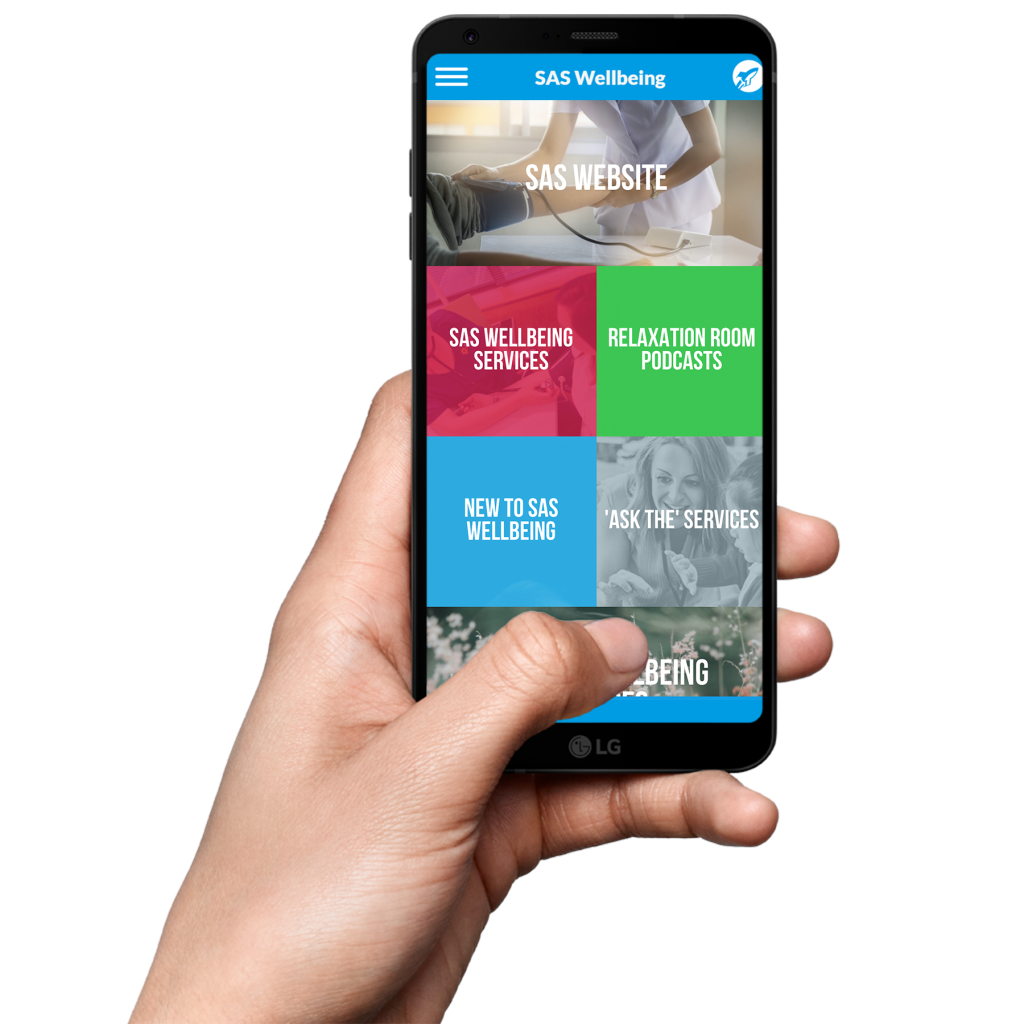
The increasing prevalence of mobile technology in education has prompted most advisory service providers to develop mobile-optimized interfaces or dedicated smartphone applications enabling educators to maintain productivity while away from their computers. Mobile schools advisory service login capabilities prove particularly valuable for administrators who spend significant time visiting classrooms, attending meetings at different locations, or working with community partners in various settings where laptop computers are impractical. Understanding how to effectively access and use advisory services through mobile devices extends the platform’s utility beyond traditional desk-based work patterns, allowing educational professionals to respond to time-sensitive issues, access reference materials during real-time situations, or complete brief tasks during transitional moments throughout their busy days.
Mobile platforms for schools advisory service login typically offer streamlined interfaces emphasizing the most frequently accessed features while potentially limiting some advanced capabilities better suited to larger screens and full keyboard input. Common mobile functions include viewing notifications and announcements, accessing key reference documents such as policy guides or curriculum frameworks, scheduling and joining virtual consultations, sending messages to advisory staff or colleagues, and completing brief surveys or feedback forms. Some advisory services provide fully featured mobile apps downloadable from iOS or Android app stores, while others rely on responsive web design that automatically adjusts the login page and dashboard layout to accommodate smaller smartphone screens without requiring separate application installations.
Mobile access considerations:
- Download official advisory service apps only from legitimate app stores rather than third-party sources, verifying the developer name matches the advisory service provider before installation
- Configure mobile device security settings including strong passcodes, biometric authentication, and automatic screen locking to protect credentials and data accessed through the schools advisory service login on devices more easily lost or stolen
- Consider cellular data usage when accessing resource-heavy materials such as video training modules or large document downloads, potentially limiting mobile access to essential materials and saving bandwidth-intensive activities for Wi-Fi connections
- Familiarize yourself with the mobile interface layout and navigation patterns before needing to access critical information in time-sensitive situations, as mobile interfaces often differ significantly from desktop versions
- Enable push notifications for important alerts while carefully managing notification settings to avoid constant interruptions during instructional time or meetings when immediate responses aren’t necessary
- Understand that some advanced features such as complex data analysis tools, collaborative document editing, or multi-page form submissions may function better on computers than mobile devices
- Keep mobile apps updated to the latest versions, as updates frequently include security patches, bug fixes, and feature improvements enhancing the mobile schools advisory service login experience
When working primarily from mobile devices, consider the ergonomic and practical challenges of extended mobile platform use including smaller screen sizes that can make reading lengthy documents uncomfortable, touchscreen keyboards that slow text input compared to physical keyboards, and battery consumption that can drain smartphone power during extended work sessions.
Mobile access works best for quick reference tasks, time-sensitive communications, and brief interactions rather than serving as a complete replacement for desktop access. Developing a strategic approach to platform usage that leverages mobile access for appropriate tasks while reserving more complex work for computer-based sessions maximizes overall productivity and ensures the schools advisory service login experience remains positive and efficient regardless of which device you’re using at any particular moment.
Integrating Advisory Services with Other Educational Platforms
Modern educational technology ecosystems rarely consist of isolated platforms, instead featuring numerous interconnected systems that share data, streamline workflows, and provide unified experiences across multiple applications. Understanding how your schools advisory service login credentials and platform data integrate with other educational technology tools you use daily can significantly enhance efficiency by reducing redundant data entry, eliminating the need for multiple separate logins, and creating comprehensive views of educational initiatives spanning multiple systems. Many advisory services now offer integration capabilities with learning management systems, student information systems, professional development tracking platforms, and communication tools commonly used in educational settings.
Single sign-on functionality represents perhaps the most valuable integration feature, allowing educators to authenticate once through their district’s identity management system and then seamlessly access multiple platforms including advisory services without repeatedly entering usernames and passwords. When configured properly, single sign-on eliminates the need to remember separate schools advisory service login credentials, as the system recognizes your district identity and automatically grants appropriate access based on your authenticated session. This convenience also enhances security by centralizing credential management under district IT oversight, allowing administrators to immediately revoke all system access when employees leave the organization rather than needing to track down and disable accounts across multiple independent platforms.
Common integration scenarios include:
- Learning Management System Connections that allow advisory service resources such as curriculum guides or professional development modules to appear directly within LMS interfaces where teachers already work daily
- Calendar Synchronization automatically adding scheduled consultations, webinars, or training sessions from the advisory platform to your district calendar system, preventing scheduling conflicts and improving attendance at important events
- Professional Development Tracking where completed advisory service courses, certifications, or training hours automatically update your district professional development record, eliminating manual reporting and ensuring accurate credential tracking
- Assessment Data Sharing allowing schools to export student performance data or school improvement metrics from advisory platforms to data warehouse systems or state reporting tools, streamlining compliance reporting requirements
- Communication Platform Integration embedding advisory service announcements, resources, or updates within district communication tools such as staff intranets, email newsletters, or collaboration platforms teachers use regularly
- Document Management Connections enabling users to save advisory service resources directly to district document management systems or cloud storage platforms, making materials accessible alongside other work files
- Roster Synchronization automatically updating user permissions and access levels based on current employment data from district human resources systems, ensuring that schools advisory service login access remains current without manual intervention
When exploring integration possibilities, consult with your district technology coordinator or the advisory service provider’s support team to understand which connections are available for your specific combination of platforms and what configuration steps might be required to enable them. Some integrations happen automatically through district-level agreements, while others require individual users to authorize connections or complete setup procedures linking their accounts across systems. The effort invested in properly configuring these integrations typically pays dividends through time saved and reduced frustration from navigating between disconnected platforms, making the overall schools advisory service login and usage experience smoother and more productive for everyone in the educational community.
Administrative Management of Schools Advisory Service Access
District technology coordinators, school principals, and other educational leaders with administrative responsibilities face additional considerations beyond basic schools advisory service login procedures, as they must manage access for entire teams of educators while ensuring appropriate permission levels, maintaining security compliance, and supporting users experiencing difficulties. Administrative dashboards within advisory service platforms provide powerful tools for provisioning new accounts, modifying existing user permissions, monitoring platform usage, and generating reports demonstrating how schools leverage advisory resources to support improvement initiatives. Understanding these administrative capabilities helps leaders maximize their organization’s return on investment in advisory services while maintaining proper governance over sensitive educational data and resources.
User provisioning represents a primary administrative function, requiring procedures for adding new staff members to the advisory platform as they join the organization and promptly removing access when employees depart or change roles. Many schools advisory service login systems support automated provisioning through integration with district human resources databases, automatically creating accounts when new employees are entered into the HR system and disabling access when termination dates are recorded.
This automation reduces administrative burden while enhancing security by ensuring that access grants and revocations happen promptly without relying on manual processes that can introduce delays or oversights. Administrators must still periodically audit user lists to identify and address any discrepancies between authorized staff and active accounts, particularly after organizational restructuring or role changes that may not trigger automated updates.
Suggested read: Understanding the Department of the Treasury Bureau of the Fiscal Service: Your Complete Resource for Federal Financial Operations
Administrative best practices include:
- Implementing role-based permission structures that grant users access only to resources and tools necessary for their specific job functions, following the security principle of least privilege
- Establishing clear procedures for requesting access modifications when staff members take on new responsibilities requiring additional platform capabilities, including approval workflows and documentation requirements
- Creating standardized onboarding materials explaining the schools advisory service login process, basic platform navigation, and available resources to help new users become productive quickly
- Scheduling periodic training sessions refreshing existing staff on platform features and introducing new capabilities added through platform updates, maximizing utilization of available resources
- Monitoring usage analytics to identify underutilized resources that might warrant additional promotion or training, as well as recognizing power users who could serve as peer mentors supporting colleagues
- Developing internal support procedures triaging common schools advisory service login issues at the building or district level before escalating more complex problems to the advisory service provider’s technical support team
- Maintaining documentation of customization decisions, integration configurations, and local policies governing platform use, ensuring knowledge continuity when administrative staff members change roles
- Regularly reviewing security settings, password policies, and access logs to identify potential vulnerabilities or unusual patterns suggesting security concerns requiring investigation
Effective administrative management of schools advisory service login systems extends beyond technical configuration to include strategic leadership promoting platform adoption and demonstrating value to potentially skeptical staff members. Administrators should regularly communicate examples of how advisory resources have supported school improvement initiatives, celebrate educators who effectively leverage platform tools to enhance instruction, and solicit feedback about additional capabilities or resources that would increase platform utility.
This ongoing engagement builds a culture where advisory service access is viewed as a valuable professional resource rather than another mandated technology system requiring compliance without clear benefit. When administrators model enthusiasm for advisory services and actively use platforms themselves rather than delegating all interactions to other staff members, they send powerful messages about organizational priorities and expectations that significantly influence overall adoption rates and effective utilization.
Advanced Features and Power User Tips
Experienced educators who have mastered basic schools advisory service login procedures and standard platform navigation often seek advanced capabilities that can further streamline their workflows and unlock additional value from advisory resources. Most platforms include sophisticated features that remain invisible to casual users but provide significant productivity benefits once discovered and learned. These advanced capabilities might include customizable search filters saving frequently used query parameters, automated report generation producing regular updates without manual intervention, API access enabling custom integrations with local tools, or advanced collaboration features supporting complex multi-school initiatives requiring coordinated planning and resource sharing.
Search functionality represents one area where power users can dramatically improve efficiency through advanced techniques. Beyond basic keyword searches, many schools advisory service login platforms support Boolean operators allowing users to combine multiple search terms with AND, OR, and NOT logic, wildcard characters matching partial words or variations, date range filters limiting results to recently added materials, file type specifications returning only particular document formats, and saved search queries that can be rerun with a single click whenever users need to check for new resources matching their interests.
Investing time to learn these advanced search features pays dividends for educators who frequently seek specific types of resources, as they can locate materials in seconds that might require many minutes of browsing through category hierarchies using basic navigation approaches.
Power user strategies include:
- Creating personalized resource collections or favorites lists organizing frequently referenced materials for instant access without searching, particularly valuable for commonly consulted policy documents, curriculum guides, or reference materials
- Subscribing to automated email digests or RSS feeds delivering notifications about new resources in specific subject areas or categories, keeping you informed without requiring regular manual platform checks
- Utilizing browser extensions or bookmarklets if available from your advisory service provider, adding platform functionality directly to your browser toolbar for quick access to common tasks
- Participating in beta testing programs for new features, gaining early access to capabilities before general release while contributing feedback helping shape platform development
- Exploring API documentation if you have technical skills, potentially creating custom scripts or integrations tailored to your specific workflow needs beyond what standard platform features provide
- Attending advanced training sessions or webinars focused on specific platform capabilities rather than general introductions, deepening expertise in particular functional areas most relevant to your work
- Connecting with the advisory service community through user forums, discussion groups, or professional learning networks where experienced users share tips, tricks, and creative applications of platform features
- Reviewing platform update notes and release announcements systematically rather than ignoring them, as advisory services continuously add new capabilities that power users can quickly adopt and integrate into their workflows
One particularly valuable advanced technique involves creating custom dashboards or views if your schools advisory service login platform supports this functionality, arranging widgets, shortcuts, and information displays optimized for your specific workflow patterns. Rather than accepting the default dashboard layout designed to serve all users generically, power users customize their interface to prioritize their most frequently accessed features, hide less relevant sections, and create efficient pathways through multi-step processes they complete regularly. This personalization transforms the platform from a general-purpose tool into a tailored environment optimized for your individual professional needs, significantly reducing the time required to complete routine tasks and making the overall advisory service experience more satisfying and productive.
Professional Development Through Advisory Services
Beyond serving as resource repositories and communication platforms, schools advisory services increasingly function as comprehensive professional development ecosystems offering structured learning pathways, certification programs, and ongoing support helping educators continuously improve their practice.
The schools advisory service login portal provides your gateway to these professional growth opportunities, which may include self-paced online courses covering instructional strategies or content knowledge, live webinar series featuring expert presenters discussing emerging educational research, collaborative learning communities where educators share experiences and problem-solve together, and personalized coaching relationships connecting teachers with experienced mentors who provide targeted feedback and guidance. Understanding how to effectively leverage these professional development resources transforms advisory service access from an occasional reference checking activity into a regular habit supporting continuous professional growth.
Many advisory platforms track professional development participation and completion through the schools advisory service login system, maintaining records of courses completed, certifications earned, and hours invested in various learning activities. These records serve multiple purposes including satisfying state or district continuing education requirements, documenting evidence of professional growth for evaluation purposes, and providing analytics helping advisory services understand which offerings generate the most engagement and impact. Educators should regularly review their professional development transcripts within advisory platforms to ensure activities are accurately recorded, identify gaps in their learning that might warrant attention, and plan future professional development pathways aligned with career goals and school improvement priorities requiring particular expertise or skills.
Professional development strategies:
- Conducting a personal needs assessment identifying specific instructional challenges, content knowledge gaps, or pedagogical skills you want to develop before browsing available professional development options
- Creating a structured learning plan selecting professional development activities that build progressively toward specific capability goals rather than randomly completing unrelated courses
- Scheduling dedicated time for professional learning in your calendar just as you would schedule any important professional activity, protecting this time from interruptions or competing priorities
- Actively engaging with course materials by taking notes, completing suggested reflection activities, and identifying specific classroom applications rather than passively viewing content without processing or planning implementation
- Seeking opportunities to collaborate with colleagues participating in the same professional development activities, forming study groups or peer support networks that extend learning beyond individual experiences
- Applying new learning in your classroom or school relatively quickly after completing professional development activities, as immediate practice reinforces learning and allows you to evaluate effectiveness while content remains fresh
- Reflecting on implementation experiences and returning to schools advisory service login resources for additional support when initial applications don’t produce expected results or when new questions emerge during practice
- Pursuing advanced certifications or specializations offered through advisory services when your expertise in particular areas reaches levels where recognized credentials could support leadership opportunities or expanded professional responsibilities
Forward-thinking educators approach professional development through advisory services strategically rather than reactively, proactively seeking learning aligned with anticipated future needs rather than waiting until gaps become urgent problems requiring immediate attention. This strategic approach might involve building expertise in emerging educational approaches before your school formally adopts them, developing leadership capabilities in preparation for administrative aspirations, or deepening content knowledge in areas where curriculum changes are anticipated. By making the schools advisory service login process a regular part of your professional routine and systematically engaging with available learning opportunities, you position yourself as a continuously improving educator prepared to meet evolving challenges and contribute meaningfully to school improvement initiatives requiring specialized knowledge or advanced capabilities.
For educators interested in exploring additional kyrio home services, various support platforms exist within the educational technology landscape.
Compliance and Data Privacy Considerations
Educational professionals accessing schools advisory service login platforms must understand and comply with comprehensive data privacy regulations protecting student information, staff personnel records, and other sensitive educational data. Advisory services frequently house materials containing protected information such as student assessment results, school improvement plans identifying performance deficiencies, or confidential correspondence addressing personnel or community concerns. Users bear responsibility for handling this information appropriately, adhering to established privacy policies, and maintaining confidentiality even when working in collaborative environments where inadvertent disclosure might easily occur. Failing to properly protect sensitive information accessed through advisory platforms can result in serious consequences including privacy violation penalties, professional disciplinary action, and erosion of trust with students, families, and colleagues.
The Family Educational Rights and Privacy Act (FERPA) in the United States establishes strict guidelines governing how educational institutions and their partners can collect, store, and share student education records. When advisory services process student data as part of providing services to schools, they typically function as “school officials” under FERPA, subject to the same privacy requirements as district employees. This designation means that information accessed through your schools advisory service login credentials enjoys the same privacy protections as information stored in your school’s student information system, requiring you to limit access to legitimate educational purposes, prevent unauthorized disclosure, and maintain security preventing inappropriate access by individuals lacking legitimate educational interests in the information.
Privacy compliance requirements include:
- Accessing student information only when directly relevant to your professional responsibilities and legitimate educational purposes, avoiding curiosity-driven browsing of records for students with whom you have no professional relationship
- Limiting discussions of specific student situations to appropriate professional contexts with colleagues who have legitimate needs to know the information, avoiding casual conversations in public settings where unauthorized individuals might overhear
- Securing physical workspaces when accessing sensitive information through schools advisory service login systems, preventing unauthorized viewing by positioning screens away from public sight lines and locking devices when stepping away
- Following established procedures for transporting or storing sensitive information when working remotely, which might include encryption requirements, prohibitions on storing data on personal devices, or limitations on network connections used for platform access
- Promptly reporting data breaches or suspected privacy violations to appropriate administrators, allowing timely investigation and remediation before potential harms escalate
- Understanding that privacy obligations extend beyond employment, meaning you cannot access or disclose information inappropriately even after leaving your position, retiring, or changing districts
- Recognizing that family members, friends, or community acquaintances have no right to access information about students simply because you have access through your professional role
- Completing required privacy training offered by your district or the advisory service provider, staying current on evolving regulations and best practices protecting sensitive educational information
International data privacy regulations such as the General Data Protection Regulation (GDPR) in the European Union establish even more stringent requirements than U.S. laws, including provisions giving individuals rights to access information held about them, request corrections to inaccurate data, and in some cases demand deletion of personal information no longer needed for legitimate purposes. Advisory services operating internationally must comply with these complex regulatory frameworks, which may affect how they collect consent, process information, and respond to data subject requests.
Users of schools advisory service login systems should familiarize themselves with the specific privacy policies and data handling practices of their particular advisory provider, understanding what information the platform collects, how it’s used, where it’s stored, and what rights individuals have regarding their personal data maintained within the system.
Maximizing Return on Advisory Service Investment
School districts and educational organizations invest significant resources—both financial and human—in contracting with advisory services and supporting staff adoption of these platforms. Leaders responsible for these investments naturally seek to maximize returns by ensuring that schools advisory service login credentials are actively used, that available resources support meaningful school improvement efforts, and that the value derived from advisory partnerships justifies ongoing costs. Understanding how to measure and enhance advisory service utilization helps organizations make informed decisions about contract renewals, identify opportunities for deeper engagement, and demonstrate accountability to stakeholders questioning why scarce educational funds are directed toward these services rather than competing priorities.
Usage analytics available through administrative dashboards provide valuable insights into how frequently staff members complete the schools advisory service login process, which resources attract the most attention, how long users engage with various materials, and which features remain underutilized despite their potential value. However, raw usage statistics tell an incomplete story, as high login frequencies don’t necessarily correlate with meaningful impact, and some resources may generate relatively little traffic despite providing crucial support for important but infrequent situations. More sophisticated impact assessment considers both quantitative usage data and qualitative outcomes such as improved instructional practices, enhanced curriculum quality, increased student achievement, or more effective school leadership resulting from applying advisory service resources and guidance.
Strategies for maximizing advisory service value:
- Conducting systematic needs assessments identifying specific school improvement priorities before exploring advisory resources, ensuring that staff access materials directly relevant to current challenges rather than browsing aimlessly
- Creating explicit connections between school improvement plans and advisory service resources, directing staff toward particular modules, tools, or consultation opportunities supporting specific improvement strategies
- Recognizing and celebrating examples where advisory resources contributed to successful initiatives, sharing stories that help skeptical staff members understand platform value through concrete examples
- Establishing professional learning communities focused on implementing specific advisory service recommendations, creating accountability structures ensuring that accessed resources translate into changed practices rather than remaining abstract knowledge
- Scheduling regular consultation sessions with advisory specialists rather than waiting for crises, building ongoing relationships that provide continuous support and allow proactive problem-solving before issues escalate
- Integrating schools advisory service login expectations into professional development plans and evaluation processes, signaling that platform engagement represents a valued professional behavior rather than optional activity
- Gathering systematic feedback from staff about resource quality, gaps in available materials, and suggestions for additional services that would increase platform utility for their specific contexts
- Comparing your organization’s usage patterns against anonymized benchmarks from similar schools or districts, identifying areas where your engagement lags behind peers who may be realizing greater value
District leaders should also consider the opportunity costs associated with underutilized advisory services, recognizing that money spent on unused platform subscriptions represents resources unavailable for other educational priorities. When usage analysis reveals low engagement, leaders face important decisions about whether to invest energy in promoting greater adoption, whether to renegotiate contracts for more targeted services better aligned with actual needs, or whether to discontinue advisory partnerships that aren’t generating sufficient value despite good-faith implementation efforts.
These decisions require honest assessment of multiple factors including the quality of available resources, the adequacy of implementation support provided to staff, the alignment between advisory service offerings and genuine district needs, and the competing demands on educator time that may legitimately prevent deeper platform engagement regardless of resource quality.
Suggested read: Water Heater Flush Service: Everything You Need to Know to Extend Your Unit's Lifespan
Successful organizations approach schools advisory service login and utilization as change management challenges requiring sustained leadership attention rather than assuming that platform access alone will drive meaningful engagement. This leadership might include creating implementation teams responsible for promoting platform awareness, developing local resources such as quick-start guides tailored to specific user groups, offering ongoing training opportunities beyond initial onboarding, removing barriers such as complex login procedures or poor integration with existing workflows, and most importantly, modeling platform usage themselves rather than delegating all advisory service interaction to front-line staff while administrators remain disconnected from the resources they’re asking others to use regularly.
Staying Current with Platform Updates and Enhancements
Educational technology platforms evolve continuously as providers add new features, update existing capabilities, integrate with additional systems, and respond to user feedback requesting improvements or different functionality. Staying informed about these changes ensures that your schools advisory service login experience remains current and that you can leverage new capabilities as they become available rather than working inefficiently with outdated approaches after better options have been introduced. Most advisory services communicate updates through multiple channels including email announcements, in-platform notifications, blog posts, or webinar presentations, but the volume of communications competing for educator attention means these updates often go unnoticed or unread unless users develop intentional habits for monitoring platform evolution.
Release notes or change logs provide detailed technical information about specific modifications made during platform updates, including new features added, existing features modified, bugs fixed, or deprecated capabilities being removed or replaced. While these documents often contain technical language that may seem overwhelming to non-technical users, taking time to review them helps you understand what has changed and whether updates affect your regular workflows in ways requiring adaptation. Some schools advisory service login platforms also provide version numbers or update dates displayed in interface footers, allowing you to verify you’re using the current release and to reference specific versions when reporting issues or discussing functionality with support staff or colleagues.
Staying informed about platform evolution:
- Subscribing to official advisory service newsletters or announcement mailing lists rather than relying on second-hand information from colleagues who may misunderstand or incompletely communicate changes
- Following advisory service social media accounts if they maintain active presences on platforms you regularly use, as these channels often share quick updates, tips, or highlights of new capabilities
- Attending “What’s New” webinars or training sessions specifically focused on recent updates, which typically provide demonstrations and use cases helping users understand how to apply new features practically
- Participating in user community forums where early adopters often discuss new features, share implementation experiences, and identify workarounds for issues before official documentation is updated
- Enabling in-platform notification systems that alert you to new features or important changes when you complete the schools advisory service login process, ensuring you don’t miss critical information
- Bookmarking the advisory service’s help center or documentation site, checking it periodically for updated guides, tutorials, or FAQs reflecting recent platform changes
- Maintaining communication with your district technology coordinator or advisory service liaison who may receive advance notice of major updates and can provide local context about how changes affect your specific implementation
When significant platform changes occur that substantially modify familiar workflows or require learning new procedures, approach these transitions with patience and flexibility rather than frustration that comfortable routines have been disrupted. Technology providers typically make changes for good reasons including improving security, enhancing performance, adding requested features, or maintaining compatibility with evolving web standards and device capabilities. While change can feel inconvenient in the short term, most updates ultimately improve the schools advisory service login experience and platform utility once users adapt to new approaches. Providing constructive feedback to advisory service providers about update impacts helps them understand user experiences and make refinements addressing unintended consequences or usability problems introduced during platform evolution.
Organizations should also develop internal communication strategies ensuring that platform updates are systematically communicated to all users rather than allowing information to spread haphazardly through informal channels. Designated platform administrators might send periodic emails summarizing recent changes, include update highlights in staff newsletters, or briefly present new features during faculty meetings when major functionality additions warrant broader awareness. This coordinated communication helps ensure consistent understanding across the organization and reduces confusion that can occur when some users adapt to changes while others continue working with outdated procedures that no longer function as expected after platform modifications.
Collaborative Features and Community Building
Modern schools advisory service login platforms increasingly emphasize collaboration and community-building features recognizing that educational improvement happens most effectively when practitioners learn from each other’s experiences, share successful strategies, and collectively problem-solve around common challenges. These collaborative capabilities might include discussion forums organized around topics or roles, project workspaces where teams from multiple schools coordinate initiatives, peer review systems allowing educators to provide feedback on each other’s materials, or social networking features helping users with similar interests connect and communicate. Understanding and actively using these collaborative features transforms advisory services from reference libraries into vibrant professional communities where educators contribute knowledge as well as consume resources created by others.
Discussion forums represent the most common collaborative feature within schools advisory service login platforms, providing spaces where users can post questions, share experiences, offer advice, or engage in conversations about educational topics. Effective forum participation requires understanding community norms and etiquette including searching existing discussions before posting new questions that may have been previously addressed, crafting clear and specific question titles that help others determine whether they can contribute useful responses, providing sufficient context so responders understand your situation without requiring multiple follow-up clarifications, and expressing appreciation when community members invest their time providing helpful information.
Active forum participants often develop reputations as knowledgeable contributors, creating informal leadership roles and networking opportunities extending beyond the platform into broader professional relationships.
Maximizing collaborative feature value:
- Creating a complete profile including your role, school context, subject areas, and professional interests, helping others understand your perspective when reading your contributions and enabling the platform to suggest relevant connections
- Beginning as an observer in community spaces before jumping into active participation, learning the tone, norms, and types of discussions that thrive in different forum areas
- Sharing not only successes but also challenges and failures when appropriate, as honest discussion of difficulties often generates more valuable learning than presentations of polished outcomes that hide the messy reality of implementation
- Offering support and advice to colleagues when you have relevant expertise even if you’re seeking help in other areas, contributing to the reciprocal culture that makes professional communities sustainable
- Respecting confidentiality by avoiding sharing identifying information about students, colleagues, or your specific school when discussing sensitive situations in public forum spaces
- Using private messaging features for extended one-on-one conversations that might not interest broader community audiences, keeping public forums focused on discussions valuable to multiple participants
- Acknowledging when you’re expressing opinions versus citing research or established best practices, helping readers evaluate information appropriately and maintain professional discourse even when disagreements emerge
- Following up on discussions where you’ve received helpful advice by sharing how recommendations worked in practice, closing the feedback loop and contributing to community knowledge about what strategies prove effective in real implementation
Some schools advisory service login platforms include formal mentorship programs pairing experienced educators with less experienced colleagues seeking guidance in specific areas, creating structured relationships that provide more intensive support than informal forum interactions typically offer. Mentorship programs might operate within single districts connecting veteran teachers with novices, or across geographic boundaries linking educators facing similar challenges in different contexts.
Participating as either mentor or mentee in these programs builds professional relationships that often extend beyond formal program structures, creating lasting networks of colleagues who continue supporting each other throughout their careers. The investment required for meaningful mentorship participation can be substantial, but the returns in professional growth, problem-solving support, and career satisfaction typically justify the commitment for both parties involved.
Advisory service providers increasingly recognize the value of facilitating user-generated content where educators create and share resources with peers rather than all materials originating from advisory staff. These crowdsourced contributions might include lesson plans, assessment tools, curriculum units, or implementation guides that successful educators share for others to adapt to their contexts.
While user-generated materials may lack the polish and research grounding of professionally developed advisory resources, they often provide practical implementation insights and contextual adaptations that help colleagues envision how to apply general recommendations in specific situations similar to their own. When contributing resources to these shared spaces, ensure materials respect copyright, protect student privacy if including work samples or data, and include sufficient documentation that others can understand and effectively use what you’ve shared without requiring personal consultation for clarification.
Troubleshooting Advanced Technical Issues
While basic schools advisory service login problems typically involve forgotten passwords or account lockouts that users can resolve independently or with minimal help desk support, more complex technical issues sometimes emerge requiring systematic troubleshooting and potentially vendor support to diagnose and resolve. Advanced problems might include authentication failures despite correct credentials, session timeouts occurring too frequently despite active use, files failing to download or open properly, interactive features not functioning as expected, or persistent error messages that standard troubleshooting steps fail to address. Understanding systematic troubleshooting approaches helps users efficiently work through these situations, clearly communicate problems when seeking support, and minimize disruption to important work when technical difficulties occur.
Browser-related issues account for many advanced schools advisory service login problems, as advisory platforms must function across diverse browser versions, operating systems, and device types that each handle web technologies slightly differently. When experiencing unusual behavior, try accessing the platform using a different browser to determine whether the problem is browser-specific or affects all access methods. If a different browser works correctly, the issue likely involves browser configuration, cached data, or extension conflicts in your primary browser.
Systematically disabling browser extensions one at a time can identify conflicts, as ad blockers, privacy tools, or other extensions sometimes interfere with platform functionality in unexpected ways. Similarly, adjusting browser security settings might resolve issues if overly restrictive configurations block scripts, cookies, or other elements required for proper platform operation.
Advanced troubleshooting steps:
- Documenting exact error messages word-for-word rather than paraphrasing, as precise wording helps support staff identify specific problems more quickly than general descriptions of symptoms
- Recording the sequence of actions leading to problems, creating step-by-step reproduction instructions that support staff can follow to experience the issue themselves and test potential solutions
- Capturing screenshots or screen recordings showing problematic behavior, providing visual documentation that often communicates issues more clearly than text descriptions alone
- Noting whether problems occur consistently or intermittently, as pattern identification helps narrow potential causes and guide troubleshooting strategies
- Checking platform status pages or social media channels to determine whether widespread service disruptions might explain your difficulties rather than issues specific to your account or configuration
- Testing from different network connections such as home internet versus school networks to identify whether network security policies, firewall rules, or bandwidth limitations contribute to problems
- Clearing browser cache and cookies specifically for the advisory service domain rather than all browsing data, preserving settings for other sites while eliminating potentially corrupted cached platform data
- Reviewing browser console logs if you have technical skills, as JavaScript errors or network request failures visible in developer tools often provide specific clues about underlying problems
When advanced issues persist despite exhaustive troubleshooting, preparing comprehensive problem documentation before contacting vendor support significantly improves the efficiency of support interactions. Include your account username, the specific browser and version you’re using, your operating system, detailed error messages, reproduction steps, and any troubleshooting already attempted. This information allows support staff to begin meaningful investigation immediately rather than spending multiple email exchanges gathering basic information before substantive diagnosis can begin. If possible, note whether problems occur only for your account or affect multiple users at your organization, as this distinction helps support staff determine whether they’re addressing user-specific configuration issues or broader system problems requiring vendor-side fixes.
Understanding service level agreements governing schools advisory service login support helps establish realistic expectations about response and resolution timeframes when submitting support requests. Many educational platforms provide different support tiers based on problem severity, with critical issues preventing all access receiving immediate attention while lower-priority usability questions or enhancement requests may queue for days or weeks before receiving detailed responses. Classifying your issue appropriately when submitting tickets ensures it receives appropriate urgency while avoiding crying wolf about minor annoyances that don’t genuinely prevent essential work from proceeding. Building positive relationships with support staff through courteous, well-documented requests and expressing appreciation for assistance rendered increases the likelihood of receiving exceptional service when you encounter future difficulties requiring vendor expertise.
Regional and Institutional Variations in Advisory Services
While this guide addresses general schools advisory service login principles applicable across many platforms, specific implementations vary significantly based on geographic regions, organizational size, contractual arrangements, and customization decisions made by individual districts or educational authorities. Advisory services operating in different countries must comply with varying regulatory frameworks, adapt to diverse educational systems and priorities, support multiple languages, and address unique challenges faced by schools in different contexts. Similarly, large urban districts may negotiate customized advisory service configurations substantially different from standard packages used by small rural schools, creating variations in available features, resource libraries, and support structures even among organizations using platforms from the same vendor.
Regional educational priorities significantly influence the focus and content of schools advisory service login resources, with advisory services serving schools in areas emphasizing STEM education featuring extensive science and mathematics resources, while platforms supporting arts-focused programs might prioritize creative curriculum guidance and performance assessment tools. State or provincial education departments often contract advisory services specifically aligned with their curriculum frameworks, assessment systems, and school improvement models, ensuring that resources directly support compliance with local educational requirements rather than offering generic guidance that schools must extensively adapt for relevance.
Understanding these regional customizations helps explain why resources available through your login credentials may differ substantially from descriptions provided by colleagues in different jurisdictions using what nominally appears to be the same advisory service.
Navigating institutional variations:
Suggested read: Managed Equipment Services: Transform Your Business Operations with Strategic Asset Management
- Consulting locally developed user guides or training materials created by your district rather than relying exclusively on vendor-provided documentation, as local materials often address institution-specific configurations and policies
- Identifying designated platform administrators or advisory service liaisons within your organization who understand your specific implementation and can answer questions about local conventions and practices
- Recognizing that features visible to colleagues in other districts may not exist in your implementation if your organization licensed different platform modules or negotiated custom configurations
- Understanding that resource libraries may include materials specifically curated for your region or organization alongside broader collections available to all platform users regardless of location
- Adapting general platform guidance found in online resources to account for how your specific schools advisory service login experience may differ from standard implementations described in public documentation
- Avoiding assumptions that all advisory service users work with identical systems, which can cause confusion in cross-district collaborations or professional learning networks involving participants from multiple organizations
- Advocating for specific features or resources if your implementation lacks capabilities that would significantly benefit your school improvement efforts, as vendors often add functionality to local implementations when districts request and justify additions
International advisory services face particularly complex customization requirements accommodating diverse languages, cultural contexts, and educational philosophies across the countries they serve. A schools advisory service login portal accessed by educators in Australia may present substantially different content, structure, and functionality compared to platforms serving schools in Canada, Singapore, or the United Kingdom, even when operated by the same parent organization.
These variations extend beyond superficial differences like language and date formats to encompass fundamentally different approaches to curriculum organization, pedagogical priorities, assessment philosophies, and school governance structures reflecting the unique characteristics of each national education system. Educators working in international schools or temporarily supporting schools in different countries should approach unfamiliar advisory platforms with curiosity and openness, recognizing that different organizational structures and resource presentations may reflect equally valid but alternative approaches to supporting educational improvement.
Understanding how your specific schools advisory service login implementation relates to the broader product ecosystem helps you contextualize local experiences and make informed recommendations about platform modifications that might benefit your organization. Some districts extensively customize their advisory portals while others implement relatively standard configurations, with these decisions reflecting different balances between customization costs and benefits of tailored experiences versus benefits of standardization including easier vendor support and simpler transitions when staff members move between organizations. Engaging constructively in local decisions about platform configuration, participating in user feedback processes, and contributing to discussions about contract renewals helps ensure that your organization’s advisory service implementation continues evolving in directions that maximize value for the educators and students it ultimately serves.
Long-Term Career Benefits of Advisory Service Expertise
Developing deep expertise with schools advisory service login platforms and the resources they provide generates long-term career benefits extending well beyond immediate improvements to daily work efficiency. Educators who thoroughly understand advisory service capabilities position themselves as valuable resource brokers within their organizations, colleagues who others consult when seeking guidance about available supports or navigating platform features. This informal expertise often leads to formal leadership opportunities such as serving on district technology committees, facilitating professional development sessions about platform usage, or representing educator perspectives in contract renewal discussions with advisory service providers. These leadership roles increase professional visibility, expand networks beyond immediate school contexts, and demonstrate initiative and expertise that administrators notice when considering candidates for advancement.
The substantive knowledge gained through systematic engagement with schools advisory service login resources contributes to continuous improvement of instructional practice, curriculum development capabilities, and educational leadership skills that remain valuable throughout evolving career trajectories. Advisory platforms aggregate research-based best practices, cutting-edge pedagogical approaches, and evidence of successful improvement strategies from diverse educational contexts, providing learning opportunities that might otherwise require extensive graduate coursework or expensive professional development programs. Educators who deeply engage with these resources effectively pursue ongoing informal education that compounds over time, building expertise that distinguishes them from colleagues who rely exclusively on locally available knowledge and experiences without exposing themselves to broader perspectives and innovations from the wider educational community.
Career development strategies:
- Systematically working through comprehensive resource collections in your subject area or role rather than accessing materials only in response to immediate problems, building broad knowledge bases supporting flexible problem-solving
- Pursuing formal certifications offered through advisory platforms when available, earning credentials that document expertise and can be highlighted on resumes or professional portfolios
- Contributing to platform content by submitting user-generated resources, participating in case study development, or presenting in advisory service webinars, building professional reputations extending beyond local contexts
- Seeking opportunities to serve as pilot testers for new features or resources, gaining early access while demonstrating innovation orientation valued by educational leaders
- Developing presentations or articles sharing how you’ve successfully applied advisory service resources in your context, establishing thought leadership and contributing to professional knowledge bases
- Networking with advisory service specialists and fellow users through platform collaborative features, building relationships that may lead to consultation opportunities, references, or knowledge of position openings
- Translating advisory service expertise into local leadership by volunteering to train colleagues, develop implementation guides, or coordinate school-level platform adoption initiatives
- Documenting your professional growth trajectory through portfolios showing how advisory service engagement has enhanced your capabilities over time, providing concrete evidence of commitment to continuous improvement for evaluation or advancement discussions
Forward-thinking educators also recognize that technology expertise generally, including sophisticated use of platforms like schools advisory service login systems, represents an increasingly essential professional skill as education continues digitizing. Demonstrating comfort with complex web applications, ability to troubleshoot technical issues independently, and facility with integrating multiple technology systems positions educators favorably as schools seek staff who can navigate expanding technological ecosystems effectively. This technological fluency complements content knowledge and pedagogical skills, creating professional profiles attractive to administrators building teams capable of leveraging modern educational tools effectively rather than resisting technological integration or requiring extensive support from perpetually stretched technology staff.
The connections developed through advisory service community participation can evolve into lasting professional relationships providing support, advice, and opportunities throughout careers spanning decades. Educators who actively contribute to online communities, mentorship programs, or collaborative projects build reputations and networks extending far beyond their immediate schools or districts, creating professional identities recognized across regional or even national educational communities.
These networks provide invaluable resources during career transitions, whether seeking new positions, navigating challenging situations, exploring different educational roles, or simply maintaining motivation and inspiration through connections with passionate colleagues pursuing similar improvement goals. The modest time investment required for active schools advisory service login engagement and community participation generates returns that accumulate over time, compounding into significant career advantages that may not be immediately apparent but become increasingly valuable as professional journeys unfold.
Future Trends in Advisory Service Technology
The landscape of educational advisory services continues evolving rapidly as emerging technologies create new possibilities for supporting school improvement, technological capabilities advance, and changing educational priorities drive demand for different types of resources and services. Understanding likely future directions in schools advisory service login platforms and functionality helps educators and administrators make informed decisions about current investments, anticipate changes requiring preparation, and envision how advisory services might better support their work in coming years. While specific predictions about technology evolution prove notoriously unreliable, several clear trends are already emerging from early implementations and vendor development roadmaps that provide reasonable guidance about what tomorrow’s advisory platforms may offer.
Artificial intelligence integration represents perhaps the most significant emerging trend, with advisory platforms beginning to incorporate AI-powered features such as intelligent search that understands context and intent beyond simple keyword matching, personalized resource recommendations based on user behavior patterns and stated interests, automated content summarization allowing quick review of lengthy documents, chatbot assistants providing instant responses to common questions without requiring human support staff intervention, and predictive analytics identifying schools at risk of falling short of improvement targets before problems become critical.
These AI capabilities promise to make schools advisory service login experiences more efficient and personalized, though they also raise questions about algorithm transparency, potential biases in automated recommendations, and appropriate balances between technological efficiency and human judgment in educational decision-making.
Emerging capabilities and trends:
- Enhanced Mobile Functionality moving beyond basic mobile-optimized interfaces toward comprehensive apps providing full platform capabilities on smartphones and tablets, including offline access to downloaded resources for use in areas with limited connectivity
- Video-First Resources recognizing that many educators prefer video demonstrations over text-based guides, with platforms increasingly offering short focused video tutorials, recorded webinars, and visual resource libraries
- Virtual Reality Applications allowing immersive experiences such as virtual classroom observations, simulated difficult conversations with stakeholders, or three-dimensional visualization of complex concepts difficult to convey through traditional media
- Real-Time Collaboration Tools enabling synchronous co-working within platform environments, where geographically distributed teams can simultaneously edit documents, brainstorm in virtual whiteboards, or conduct video consultations without requiring separate tools
- Expanded Integration Capabilities connecting advisory platforms with broader ranges of educational technology tools including learning management systems, student information systems, assessment platforms, and communication tools through standardized data exchange protocols
- Micro-Credentialing Systems offering focused certifications for specific competencies rather than comprehensive programs, allowing educators to efficiently document mastery of particular skills valued in their professional contexts
- Voice Interface Options supporting hands-free interaction through voice commands and responses, potentially valuable for busy administrators or educators accessing resources while engaged in other activities
- Blockchain-Based Credentialing providing tamper-proof verification of completed professional development, earned certifications, and demonstrated competencies that remain portable across organizations throughout careers
Privacy-enhancing technologies will likely receive increased attention as educational data protection concerns intensify and regulations become more stringent. Future schools advisory service login systems may incorporate advanced encryption protecting data both in transit and at rest, federated identity systems allowing authentication without platforms storing credentials directly, differential privacy techniques enabling aggregate analytics without exposing individual user information, and enhanced user controls allowing individuals to see exactly what data platforms collect and exercise meaningful choices about what information they share. These privacy protections must balance carefully with the personalization and analytics capabilities that make modern platforms valuable, creating ongoing tension between privacy maximization and feature richness that vendors, users, and regulators continue negotiating.
The expansion of evidence-based practice databases represents another significant trend, with advisory platforms increasingly incorporating research linkages showing the evidence base supporting specific recommendations, impact tracking systems documenting outcomes achieved by schools implementing particular strategies, and research-practice partnerships contributing to platforms both by sharing research findings and by studying implementation experiences to generate new knowledge.
This tighter integration between research and practice helps ensure that schools advisory service login resources remain grounded in empirical evidence while also acknowledging the contextual factors affecting what works in specific situations. Platforms may also increasingly facilitate practitioner-driven research where educators systematically study their own implementation efforts and contribute findings to broader knowledge bases, democratizing educational research and ensuring that practitioner wisdom complements academic research in shaping educational improvement strategies.
Frequently Asked Questions About Schools Advisory Service Login
What should I do if I’ve forgotten my schools advisory service login password?
If you’ve forgotten your password for schools advisory service login access, click the “Forgot Password” or “Reset Password” link located on the login page of your advisory service platform. You’ll be prompted to enter your registered email address or username, after which the system will send password reset instructions to your email account. Follow the link in that email to create a new password that meets the platform’s security requirements, which typically include minimum character lengths, mixed case letters, numbers, and special symbols.
If you don’t receive the reset email within a few minutes, check your spam or junk mail folders, as some email systems incorrectly filter automated messages from educational platforms. Should you continue experiencing difficulties, contact your district technology coordinator or the advisory service help desk, providing your account information so they can assist with manual password reset or account recovery procedures that verify your identity through alternative methods.
Can I access the schools advisory service login portal from my personal devices at home?
Most schools advisory service login platforms allow access from personal devices including home computers, tablets, and smartphones, though specific policies vary by district and platform. Some organizations restrict access to devices connected to school networks or require VPN connections when accessing from external locations, particularly when working with highly sensitive information subject to strict data protection requirements. Review your district’s acceptable use policies or consult with technology administrators to understand any restrictions or security requirements that apply to your situation.
When accessing educational platforms from personal devices, ensure your home network is secured with strong passwords, keep your devices protected with current antivirus software and operating system updates, and avoid using public Wi-Fi networks for schools advisory service login activities involving confidential information, as these unsecured connections create vulnerabilities where malicious actors could potentially intercept your credentials or access sensitive data transmitted during your session.
How often should I change my schools advisory service login password?
Password change frequency depends on your platform’s security policies and your district’s information security requirements, with most educational organizations requiring password updates every 60 to 90 days. Some modern security frameworks now question whether mandatory periodic password changes actually improve security, as they often lead users to create predictable password variations or write passwords down, potentially reducing rather than enhancing overall security.
Suggested read: Salesforce Managed Services: Transform Your CRM Investment into Business Growth
Regardless of mandated change schedules, you should immediately update your schools advisory service login password if you suspect it may have been compromised, if you’ve used it on another platform that experienced a data breach, if you accidentally disclosed it to someone, or if you notice unusual account activity suggesting unauthorized access. Creating strong, unique passwords initially and protecting them carefully often provides better security than frequently changing weaker passwords, though following your organization’s established policies remains important for maintaining compliance with institutional security standards and avoiding account lockouts or other access restrictions.
Who should I contact if I’m having technical issues with schools advisory service login access?
The appropriate contact for schools advisory service login technical issues depends on the nature of your problem and your organization’s support structure. For basic issues like forgotten passwords, account lockouts, or simple navigation questions, start by contacting your school’s technology coordinator or district IT help desk, as they can often resolve these problems quickly without involving the advisory service provider. For more complex technical problems involving platform functionality, resource availability, or issues that persist despite basic troubleshooting, you may need to contact the advisory service provider’s support team directly, using contact information typically found in the platform’s help section or provided during your initial training.
Some organizations designate specific individuals as advisory service liaisons who serve as intermediaries between users and vendor support, coordinating technical assistance and aggregating feedback from multiple users experiencing similar issues. Identifying the correct support contact for different problem types before encounencies occur saves valuable time when issues arise requiring immediate resolution.
Can multiple staff members share the same schools advisory service login credentials?
No, sharing schools advisory service login credentials violates security policies, creates serious accountability problems, and may breach data protection regulations governing educational information access. Each authorized user must maintain individual credentials allowing platforms to track who accesses specific resources, maintain accurate professional development records, customize interfaces based on individual roles and preferences, and conduct security audits if suspicious activity or data breaches occur.
Credential sharing makes it impossible to determine which individual accessed particular information or performed specific actions, eliminating accountability and potentially creating liability issues if inappropriate activities occur using shared accounts. If multiple staff members need platform access, contact your district administrator to request individual accounts for each person, explaining their roles and the specific platform capabilities they require. Most advisory services structure their pricing to accommodate reasonable numbers of users within contracted organizations, making legitimate individual access possible without requiring credential sharing that compromises security and compliance.
What information can I access through my schools advisory service login account?
The specific information available through schools advisory service login depends on your role, your organization’s configuration decisions, and the particular advisory service platform your district contracts with. Common resources include professional development modules covering instructional strategies and content knowledge, curriculum guides aligned with state or provincial standards, assessment tools and rubrics, policy documents and compliance resources, school improvement planning templates and examples, research articles and evidence-based practice summaries, consultation scheduling tools for connecting with advisory specialists, collaborative spaces for connecting with colleagues in other schools, and data analysis tools for examining student performance or school improvement metrics.
Your personalized dashboard should display the resources most relevant to your role, with teachers, administrators, and district supervisors typically seeing different interface layouts and available tools reflecting their distinct professional responsibilities. If you cannot locate resources you believe should be available or notice colleagues have access to tools you cannot see, contact your platform administrator to discuss whether your permissions need adjustment or whether particular resources require separate licensing your organization hasn’t purchased.
Ready to access your educational resources? Complete your schools advisory service login today and explore the comprehensive support tools available to enhance your professional practice. For additional information about schools advisory service platforms and best practices for maximizing their value, visit the official documentation provided by your advisory service provider or consult with your district’s technology coordinator.
Source Citations for Schools Advisory Service Login:
- Educational advisory service platform documentation and user guides
- District technology policy frameworks
- Educational data privacy compliance resources (FERPA, GDPR)
- Professional development platform best practices
- Educational technology integration research