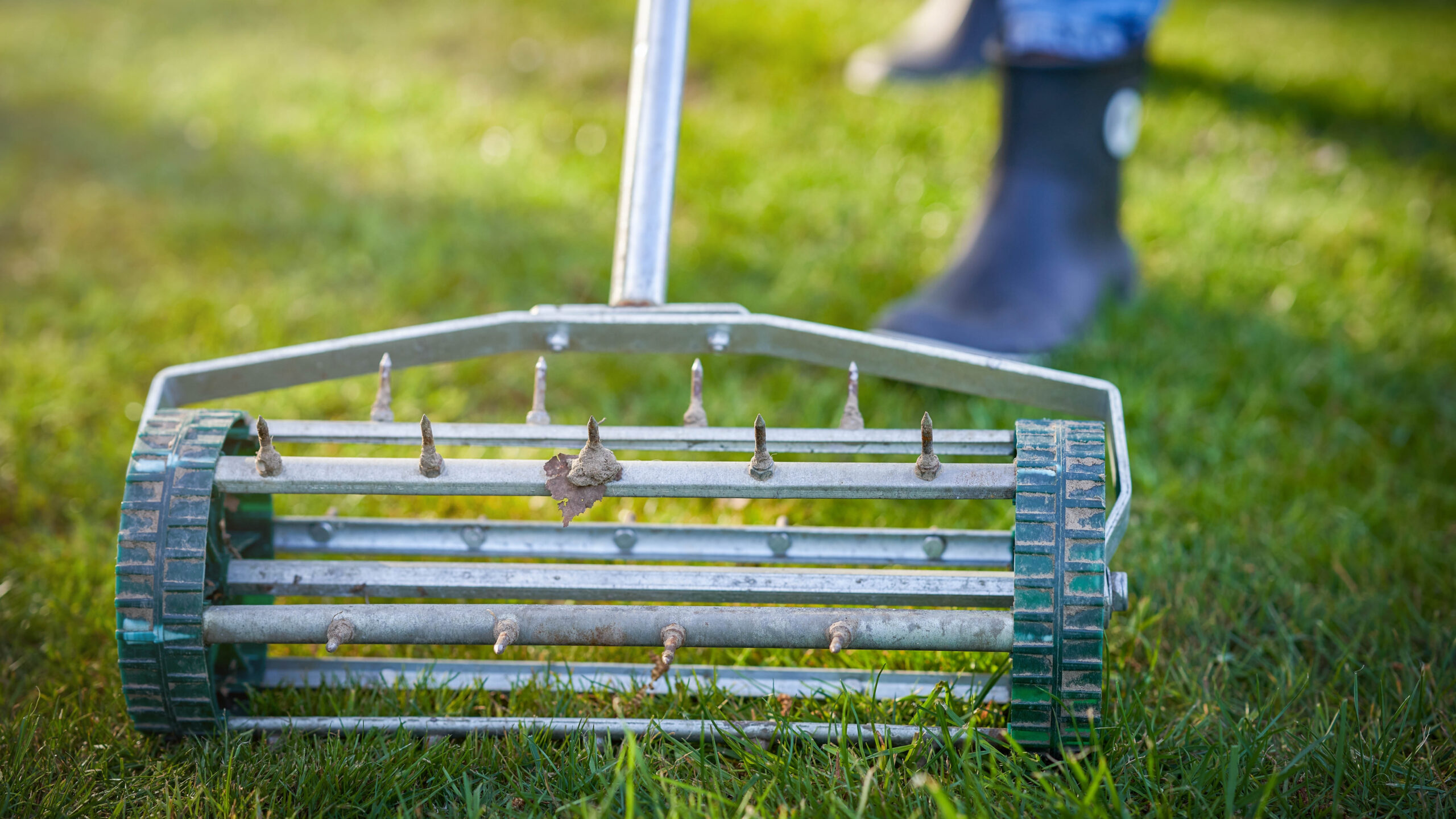
Is your lawn looking tired and lifeless? Do you have problems with water pooling or brown patches? If so, you may need lawn aeration service. Lawn aeration is the process of creating small holes in the soil to allow water, air, and nutrients to reach the roots of your grass. This can help to improve the overall health and appearance of your lawn.
Editor’s Note: This lawn aeration service guide was last updated on [Date]. We continuously research and update lawn aeration service content to reflect the most accurate data available.
We’ve done the research and digging, and put together this lawn aeration service guide to help you make the right decision for your lawn. Our guide covers everything you need to know about lawn aeration service, from the benefits to the different types of services available.
Key Differences
| Characteristic | Core Aeration | Spike Aeration |
|---|---|---|
| Method | Removes plugs of soil | Creates holes in the soil |
| Depth | 2-3 inches | 1-2 inches |
| Frequency | Once or twice a year | More frequently |
Main Article Topics
- Benefits of Lawn Aeration
- Types of Lawn Aeration Services
- How to Choose a Lawn Aeration Service
- Cost of Lawn Aeration Service
Lawn Aeration Service
Lawn aeration service is an important part of lawn care. It helps to improve the health and appearance of your lawn by allowing water, air, and nutrients to reach the roots of your grass. There are many different aspects to consider when choosing a lawn aeration service, including the type of service, the frequency of service, and the cost.
- Benefits: Improves drainage, reduces compaction, promotes root growth
- Types: Core aeration, spike aeration, liquid aeration
- Frequency: Once or twice a year, depending on soil conditions
- Cost: Varies depending on the size of your lawn and the type of service
- Equipment: Core aerators, spike aerators, liquid aerators
- Timing: Spring or fall is the best time to aerate your lawn
- Preparation: Mow your lawn before aerating
- Maintenance: Water your lawn after aerating
- DIY vs. Professional: You can rent or purchase an aerator to do it yourself, or you can hire a professional
- Safety: Wear gloves and safety glasses when operating an aerator
These are just a few of the key aspects to consider when choosing a lawn aeration service. By understanding these aspects, you can make an informed decision about the best service for your lawn.
Benefits
Lawn aeration service provides several key benefits for your lawn, including improved drainage, reduced compaction, and promoted root growth. These benefits are all interconnected and essential for maintaining a healthy and beautiful lawn.
Suggested read: Uncover the Secrets to Unstoppable Lawn Service Business Cards
Improved Drainage: Aeration helps to improve drainage by creating small holes in the soil that allow water to penetrate more easily. This is especially important for lawns that are located in areas with heavy clay soil or that are prone to flooding. When water is able to drain properly, it helps to prevent the roots of your grass from becoming waterlogged and rotting.
Reduced Compaction: Compacted soil is soil that has been compressed, making it difficult for water, air, and nutrients to reach the roots of your grass. Compaction can be caused by a variety of factors, including foot traffic, heavy machinery, and even drought conditions. Aeration helps to reduce compaction by breaking up the soil and creating channels for water, air, and nutrients to penetrate.
Promoted Root Growth: Aeration helps to promote root growth by creating a more favorable environment for roots to develop. When the soil is aerated, it is easier for roots to penetrate the soil and access the water, air, and nutrients that they need to grow strong and healthy. A healthy root system is essential for a healthy lawn, as it helps to anchor the grass plants in the ground and absorb water and nutrients from the soil.
These are just a few of the benefits of lawn aeration service. By aerating your lawn regularly, you can help to improve its drainage, reduce compaction, and promote root growth, all of which will lead to a healthier and more beautiful lawn.
Table: Benefits of Lawn Aeration Service
| Benefit | How it Helps |
|---|---|
| Improved Drainage | Prevents waterlogged roots and rot |
| Reduced Compaction | Creates channels for water, air, and nutrients |
| Promoted Root Growth | Provides a favorable environment for roots to develop |
Types
Lawn aeration service involves creating small holes in the soil to allow water, air, and nutrients to reach the roots of your grass. There are three main types of lawn aeration services: core aeration, spike aeration, and liquid aeration.
- Core aeration is the most common type of lawn aeration service. It involves removing plugs of soil from the ground, which helps to improve drainage and reduce compaction. Core aeration is typically done with a machine called a core aerator.
- Spike aeration is a less common type of lawn aeration service. It involves creating holes in the soil with a machine called a spike aerator. Spike aeration is not as effective as core aeration, but it is less expensive.
- Liquid aeration is a relatively new type of lawn aeration service. It involves applying a liquid solution to the soil that helps to break up compaction and improve drainage. Liquid aeration is less effective than core aeration, but it is also less expensive and easier to do yourself.
The type of lawn aeration service that is best for you will depend on your lawn’s specific needs and your budget. If you have a lawn that is compacted or has poor drainage, core aeration is the best option. If you have a smaller lawn or a limited budget, spike aeration or liquid aeration may be a better choice.
Frequency
The frequency of lawn aeration service depends on the soil conditions of your lawn. If you have heavy clay soil, you may need to aerate your lawn twice a year, in the spring and fall. If you have sandy soil, you may only need to aerate your lawn once a year, in the fall. The best way to determine how often you need to aerate your lawn is to consult with a lawn care professional.
Cost
The cost of lawn aeration service varies depending on the size of your lawn and the type of service you choose. Core aeration is typically the most expensive type of service, followed by spike aeration and liquid aeration. The size of your lawn will also affect the cost, as larger lawns require more time and effort to aerate.
It is important to factor in the cost of lawn aeration service when budgeting for your lawn care. Aeration is an important part of lawn maintenance, and it can help to improve the health and appearance of your lawn. However, it is important to weigh the cost of aeration against the benefits it provides.
Suggested read: Chesapeake Social Services: Everything Residents Need to Know
Here are some tips for saving money on lawn aeration service:
- Get quotes from multiple lawn care companies before hiring one.
- Ask about discounts for multiple services.
- Aerate your lawn yourself. This is a more labor-intensive option, but it can save you money.
By following these tips, you can get the lawn aeration service you need at a price you can afford.
Table: Cost of Lawn Aeration Service
| Type of Service | Cost per 1,000 sq. ft. |
|---|---|
| Core Aeration | $50-$100 |
| Spike Aeration | $25-$50 |
| Liquid Aeration | $10-$25 |
Equipment
When it comes to lawn aeration service, there are three main types of equipment that are used: core aerators, spike aerators, and liquid aerators. Each type of equipment has its own advantages and disadvantages, so it is important to choose the right one for your lawn’s specific needs.
-
Core Aerators
Core aerators remove plugs of soil from the ground, which helps to improve drainage and reduce compaction. Core aeration is the most effective type of lawn aeration service, but it is also the most expensive. -
Spike Aerators
Spike aerators create holes in the soil with spikes, which helps to improve drainage and reduce compaction. Spike aeration is less effective than core aeration, but it is also less expensive. -
Liquid Aerators
Liquid aerators apply a liquid solution to the soil that helps to break up compaction and improve drainage. Liquid aeration is less effective than core aeration and spike aeration, but it is also less expensive and easier to do yourself.
The type of lawn aeration service that is best for you will depend on your lawn’s specific needs and your budget. If you have a lawn that is compacted or has poor drainage, core aeration is the best option. If you have a smaller lawn or a limited budget, spike aeration or liquid aeration may be a better choice.
Timing
The timing of lawn aeration service is important because it affects the effectiveness of the service. Aerating your lawn in the spring or fall allows the grass to recover from the process and develop strong roots before the hot summer months or the cold winter months. Aerating during these seasons also helps to prevent soil compaction, which can occur when the ground is dry and hard.
If you aerate your lawn in the spring, it will have the entire growing season to recover and develop strong roots. This will help the grass to better withstand the heat and drought of summer. Aerating in the fall will help the grass to develop strong roots before the cold winter months. This will help the grass to better withstand the cold temperatures and snow.
Aerating your lawn at the right time is an important part of lawn care. By aerating your lawn in the spring or fall, you can help to improve the health and appearance of your lawn.
Table: Benefits of Aerating Your Lawn in the Spring or Fall
| Season | Benefits |
|---|---|
| Spring | Allows the grass to recover from the process and develop strong roots before the hot summer months |
| Fall | Helps the grass to develop strong roots before the cold winter months |
Preparation
Mowing your lawn before aerating is an important step in the lawn aeration service process. When you mow your lawn, you remove the top layer of grass, which allows the aerator to penetrate the soil more easily. This helps to ensure that the aeration process is more effective and that your lawn will receive the full benefit of the service.
Suggested read: Academy of Peer Services: Training & Certification for Mental Health Support
In addition, mowing your lawn before aerating helps to prevent the grass from being damaged during the aeration process. When the grass is long, it is more likely to be caught in the aerator and torn or damaged. Mowing the lawn before aerating helps to prevent this from happening.
Finally, mowing your lawn before aerating helps to ensure that the grass is healthy and growing vigorously. When the grass is healthy, it is more likely to recover quickly from the aeration process and develop strong, healthy roots.
Table: Benefits of Mowing Your Lawn Before Aerating
| Benefit | Explanation |
|---|---|
| Allows the aerator to penetrate the soil more easily | When the grass is mowed, the top layer of grass is removed, which allows the aerator to penetrate the soil more easily. This helps to ensure that the aeration process is more effective and that your lawn will receive the full benefit of the service. |
| Prevents the grass from being damaged during the aeration process | When the grass is long, it is more likely to be caught in the aerator and torn or damaged. Mowing the lawn before aerating helps to prevent this from happening. |
| Ensures that the grass is healthy and growing vigorously | When the grass is healthy, it is more likely to recover quickly from the aeration process and develop strong, healthy roots. |
Maintenance
Watering your lawn after aerating is an important step in the lawn aeration service process. Aeration creates small holes in the soil, which allows water, air, and nutrients to reach the roots of the grass. Watering the lawn after aerating helps to ensure that the water, air, and nutrients can penetrate the soil and reach the roots of the grass.
In addition, watering the lawn after aerating helps to prevent the soil from drying out and becoming compacted. When the soil is dry and compacted, it is more difficult for the grass roots to absorb water and nutrients. Watering the lawn after aerating helps to keep the soil moist and loose, which makes it easier for the grass roots to absorb water and nutrients.
Finally, watering the lawn after aerating helps to promote the growth of new grass. When the soil is moist and loose, it provides an ideal environment for grass seeds to germinate and grow. Watering the lawn after aerating helps to keep the soil moist and loose, which promotes the growth of new grass.
Table: Benefits of Watering Your Lawn After Aerating
| Benefit | Explanation |
|---|---|
| Helps water, air, and nutrients reach the roots of the grass | Aeration creates small holes in the soil, which allows water, air, and nutrients to reach the roots of the grass. Watering the lawn after aerating helps to ensure that the water, air, and nutrients can penetrate the soil and reach the roots of the grass. |
| Prevents the soil from drying out and becoming compacted | When the soil is dry and compacted, it is more difficult for the grass roots to absorb water and nutrients. Watering the lawn after aerating helps to keep the soil moist and loose, which makes it easier for the grass roots to absorb water and nutrients. |
| Promotes the growth of new grass | When the soil is moist and loose, it provides an ideal environment for grass seeds to germinate and grow. Watering the lawn after aerating helps to keep the soil moist and loose, which promotes the growth of new grass. |
DIY vs. Professional
When it comes to lawn aeration service, you have two options: you can do it yourself (DIY) or you can hire a professional. Both options have their own advantages and disadvantages.
-
DIY
If you choose to DIY, you will need to rent or purchase an aerator. Aerators can be rented from most home improvement stores for around $50 per day. If you purchase an aerator, you can expect to pay between $100 and $300.DIY lawn aeration is a good option for those who are on a budget or who have a small lawn. However, it is important to note that DIY lawn aeration can be physically demanding. Additionally, if you do not have experience operating an aerator, you may not get the best results.
Suggested read: Why Universal Technical Services Are Essential for Modern Business Success in 2026
-
Professional
If you choose to hire a professional, you can expect to pay between $100 and $300 for lawn aeration service. The cost of professional lawn aeration will vary depending on the size of your lawn and the type of aeration service you choose.Hiring a professional is a good option for those who do not have the time or the physical ability to DIY lawn aeration. Additionally, hiring a professional ensures that your lawn will be aerated correctly.
Ultimately, the decision of whether to DIY or hire a professional for lawn aeration service depends on your individual needs and budget.
Safety
Operating an aerator can be a hazardous task if proper safety precautions are not taken. Wearing gloves and safety glasses is essential to protect yourself from potential injuries.
-
Protect your hands from blisters and cuts
Aerators can vibrate vigorously, which can cause blisters and cuts on your hands if you are not wearing gloves. Gloves provide a barrier between your skin and the aerator, reducing the risk of injury. -
Protect your eyes from flying debris
Aerators can kick up dirt, stones, and other debris, which can be dangerous if it gets in your eyes. Safety glasses provide a protective barrier over your eyes, shielding them from flying debris. -
Reduce the risk of long-term health problems
Exposure to excessive vibration can lead to long-term health problems, such as carpal tunnel syndrome and Raynaud’s disease. Gloves and safety glasses help to reduce exposure to vibration, protecting your health. -
Comply with safety regulations
In many areas, it is a legal requirement to wear gloves and safety glasses when operating an aerator. By following these regulations, you can avoid fines and penalties.
Wearing gloves and safety glasses is a simple and effective way to protect yourself from injuries when operating an aerator. By taking these precautions, you can ensure that your lawn aeration service is a safe and enjoyable experience.
Lawn Aeration Service FAQs
This section provides answers to frequently asked questions about lawn aeration service, offering valuable insights to enhance your understanding and decision-making.
Question 1: What is lawn aeration service and why is it important?
Lawn aeration service involves creating small holes in the soil to improve water, air, and nutrient penetration to grass roots. It is crucial for maintaining a healthy lawn by alleviating soil compaction, promoting root growth, and enhancing nutrient absorption.
Question 2: How often should I aerate my lawn?
The frequency of lawn aeration depends on soil conditions and grass type. Generally, it is recommended to aerate cool-season grasses, such as Kentucky bluegrass and fescue, once a year in the fall. Warm-season grasses, like Bermuda grass and zoysia grass, may benefit from aeration twice a year, in the spring and fall.
Suggested read: Roof Coating Services: Transform and Protect Your Commercial Property Investment
Question 3: Can I aerate my lawn myself or should I hire a professional?
DIY lawn aeration is possible by renting or purchasing an aerator. However, hiring a professional ensures proper technique, efficient results, and the use of specialized equipment for optimal lawn care.
Question 4: What type of aerator should I use?
The choice of aerator depends on the size of your lawn and soil conditions. Core aerators remove plugs of soil, while spike aerators create holes. Liquid aeration is a newer method that involves applying a solution to break up compaction. Consider your lawn’s specific needs to determine the most suitable type of aerator.
Question 5: When is the best time to aerate my lawn?
The ideal time for lawn aeration is during the active growing season, typically in the spring or fall. Aerating during these seasons allows the grass to recover and develop strong roots before extreme weather conditions.
Question 6: How long does it take to see results from lawn aeration?
Results from lawn aeration may vary depending on factors such as soil conditions, grass type, and weather. However, visible improvements in lawn health and appearance can often be observed within a few weeks or months after the service.
Summary: Lawn aeration service is an essential aspect of lawn care, promoting a healthy and vibrant lawn. By addressing common questions and providing valuable insights, this FAQ section aims to empower homeowners with the knowledge and understanding necessary to make informed decisions regarding lawn aeration.
Transition: To further enhance your lawn care practices, explore our comprehensive guide to lawn maintenance, offering expert advice and practical tips for achieving a lush and thriving lawn throughout the year.
Suggested read: SALUTE Service Recovery Model: Transform Patient Dissatisfaction Into Loyalty and Trust
Lawn Aeration Service Tips
Maintaining a healthy and vibrant lawn requires regular care and maintenance, including proper aeration. Lawn aeration service involves creating small holes in the soil to improve water, air, and nutrient penetration to grass roots, promoting overall lawn health. Here are some tips to optimize your lawn aeration practices:
Tip 1: Determine the Appropriate Aeration Frequency
The frequency of lawn aeration depends on soil conditions and grass type. Cool-season grasses typically require aeration once a year in the fall, while warm-season grasses may benefit from twice-yearly aeration in the spring and fall. Assess your lawn’s specific needs and consult with a lawn care professional for customized recommendations.
Tip 2: Choose the Right Aerator Type
There are different types of aerators available, including core aerators, spike aerators, and liquid aerators. Core aerators remove plugs of soil, while spike aerators create holes. Liquid aeration involves applying a solution to break up compaction. Consider your lawn’s size, soil conditions, and budget when selecting an aerator.
Tip 3: Aerate During the Optimal Season
The best time to aerate your lawn is during the active growing season, typically in the spring or fall. Aerating during these seasons allows the grass to recover and develop strong roots before extreme weather conditions.
Tip 4: Prepare Your Lawn Before Aeration
Before aerating your lawn, mow it to a shorter height to reduce grass interference with the aeration process. This will ensure that the aerator can effectively penetrate the soil.
Tip 5: Water Your Lawn After Aeration
Suggested read: Gas Fireplace Service: Expert Maintenance Solutions for Safety and Peak Performance
Watering your lawn after aeration helps settle the soil and promotes the absorption of water and nutrients through the newly created holes. Thorough watering will optimize the benefits of aeration.
Summary: By following these tips, you can enhance the effectiveness of your lawn aeration service, resulting in a healthier, more vibrant lawn. Regular aeration, combined with proper maintenance practices, will contribute to the overall beauty and longevity of your lawn.
Transition: To further enhance your lawn care knowledge, explore our comprehensive guide to lawn maintenance, offering expert advice and practical tips for achieving a lush and thriving lawn throughout the year.
Conclusion
Lawn aeration service plays a vital role in maintaining the health and beauty of your lawn. By creating small holes in the soil, aeration improves water, air, and nutrient penetration to the grass roots. Regular aeration alleviates soil compaction, promotes root growth, and enhances nutrient absorption, resulting in a thriving and resilient lawn.
Understanding the importance of lawn aeration service empowers homeowners to make informed decisions regarding their lawn care practices. Implementing the tips and insights presented in this guide will optimize the effectiveness of aeration, leading to a lush and vibrant lawn. The benefits of aeration extend beyond aesthetic appeal, contributing to the overall health and longevity of your lawn.
Youtube Video:
