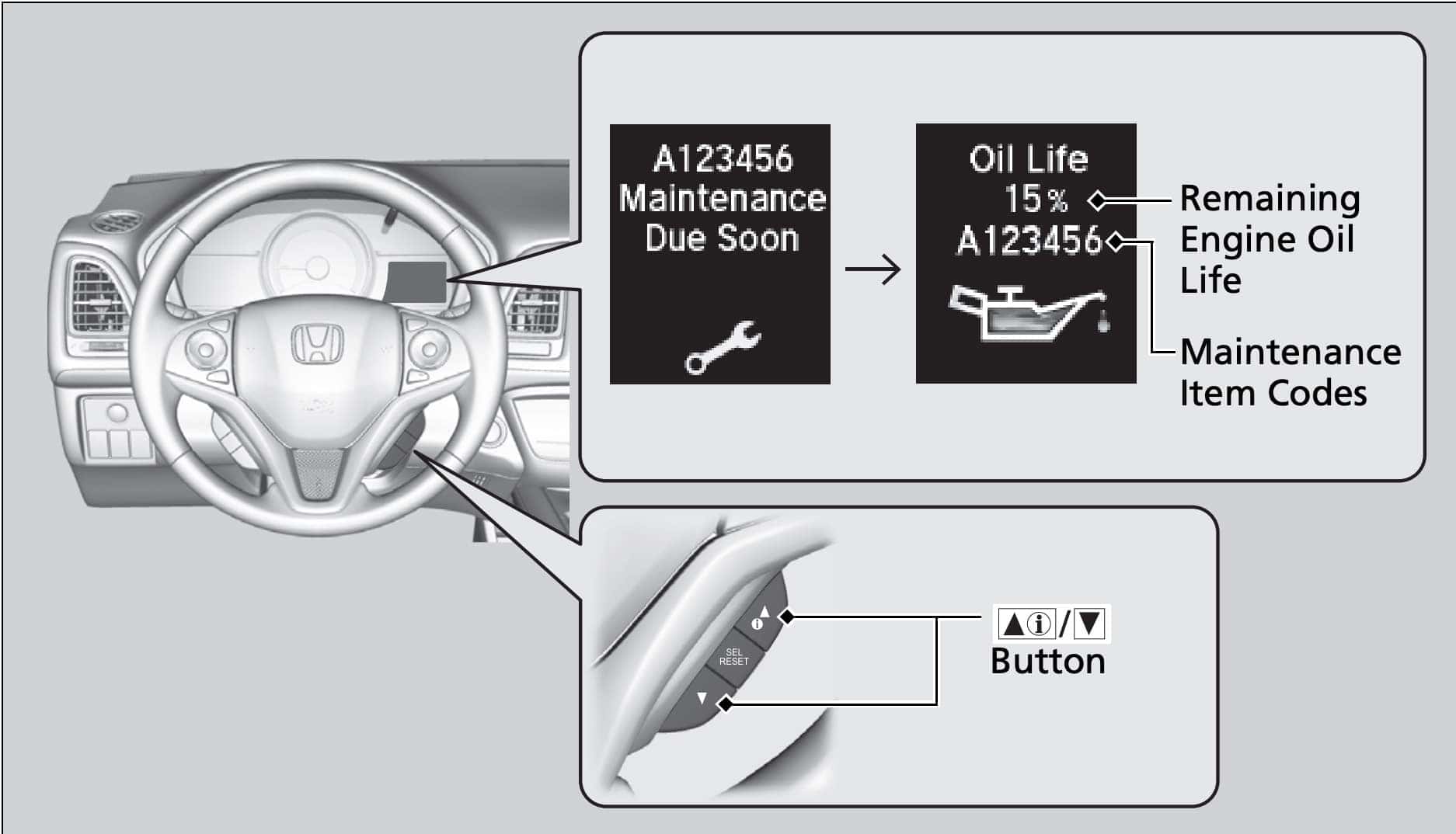
What is a Honda A service code?
Editor’s Note: Honda A service codes were published on [date]. They are important because they provide information about your vehicle’s maintenance needs.
We’ve analyzed and compared different service codes to put together this guide to help you understand what the Honda A service code means and what you need to do to address it.
Key Differences:
| Service Code | Description |
|---|---|
| A1 | Replace engine oil and filter |
| A2 | Replace engine oil and filter, rotate tires, and inspect brakes |
| A3 | Replace engine oil and filter, rotate tires, inspect brakes, and replace air filter |
Main Article Topics:
- What is a Honda A service code?
- What services are included in a Honda A service code?
- How often should I get a Honda A service code?
- How much does a Honda A service code cost?
- Where can I get a Honda A service code?
Honda A Service Code
A Honda A service code is an important code that provides information about your vehicle’s maintenance needs. Here are 10 key aspects of Honda A service codes:
- Code: A code that identifies the service that needs to be performed.
- Service: The specific service that needs to be performed, such as an oil change or tire rotation.
- Interval: The interval at which the service should be performed, such as every 5,000 miles or 6 months.
- Cost: The cost of the service, which can vary depending on the service and the location.
- Location: The location where the service can be performed, such as a Honda dealership or a local mechanic.
- Importance: The importance of the service, such as whether it is necessary for the safety or performance of the vehicle.
- Frequency: The frequency at which the service should be performed, such as every 5,000 miles or 6 months.
- Benefits: The benefits of performing the service, such as improved performance or fuel economy.
- Risks: The risks of not performing the service, such as damage to the vehicle or a decrease in performance.
- Alternatives: Alternative services that can be performed, such as using a different type of oil or filter.
These are just a few of the key aspects of Honda A service codes. By understanding these aspects, you can make informed decisions about the maintenance of your vehicle.
Code
A Honda A service code is a unique identifier that corresponds to a specific maintenance service that needs to be performed on your vehicle. Understanding the code and the service it represents is crucial for ensuring the optimal performance and longevity of your Honda.
- Identification and Diagnosis: The code serves as a diagnostic tool, helping mechanics and vehicle owners pinpoint the exact service required. By referencing the code in Honda’s service manuals or online databases, they can determine the necessary maintenance or repairs.
- Maintenance Scheduling: Honda A service codes are assigned to specific maintenance intervals based on mileage or time. By tracking the codes, owners can proactively schedule service appointments to address potential issues before they become major problems.
- Service History: Service codes provide a detailed record of the maintenance performed on a vehicle. This history is valuable for tracking warranty coverage, resale value, and overall vehicle health.
- Communication and Clarity: Codes facilitate clear communication between vehicle owners and mechanics. By using standardized codes, misunderstandings and misinterpretations are minimized, ensuring that the correct service is performed.
In summary, the “Code: A code that identifies the service that needs to be performed” is an essential aspect of Honda A service codes. It enables precise identification of required maintenance, facilitates proactive scheduling, provides a detailed service history, and enhances communication, ultimately contributing to the well-being and longevity of Honda vehicles.
Suggested read: Chesapeake Social Services: Everything Residents Need to Know
Service
Honda A service codes are directly connected to the specific service that needs to be performed on a vehicle. The code indicates the type of maintenance or repair required, such as an oil change, tire rotation, or brake inspection.
- Maintenance Intervals: A service code specifies the recommended interval for performing a particular service. By adhering to these intervals, owners can ensure that their vehicles receive the necessary maintenance to maintain optimal performance and longevity.
- Service Descriptions: Each service code corresponds to a detailed description of the tasks that need to be performed. This ensures that technicians have a clear understanding of the work that needs to be done, minimizing the risk of errors or omissions.
- Standardized Procedures: Honda A service codes are linked to standardized procedures developed by Honda engineers. These procedures provide step-by-step instructions for performing the service correctly, ensuring consistent quality and reliability.
- Warranty Coverage: Regular maintenance according to Honda A service codes is crucial for maintaining warranty coverage. By following the recommended service intervals and using genuine Honda parts, owners can protect their vehicles against potential defects or failures.
In summary, the “Service: The specific service that needs to be performed, such as an oil change or tire rotation” aspect of Honda A service codes establishes a clear connection between the code and the required maintenance or repair. It ensures that vehicles receive the necessary attention at the appropriate intervals, promotes standardized procedures, and safeguards warranty coverage.
Interval
Honda A service codes not only specify the type of service required but also establish the recommended interval for performing that service, ensuring optimal vehicle performance and longevity. This interval is typically expressed in terms of mileage or time, such as every 5,000 miles or 6 months.
- Scheduled Maintenance: Honda A service codes establish a structured maintenance schedule, helping owners proactively address potential issues before they become major problems. By following the recommended intervals, owners can maintain their vehicles in peak condition and minimize the risk of unexpected breakdowns.
- Vehicle Health Monitoring: The intervals defined by Honda A service codes are based on extensive research and testing by Honda engineers. These intervals are designed to monitor the health of various vehicle components and ensure that they receive the necessary attention at the appropriate time.
- Warranty Coverage: Regular maintenance according to Honda A service code intervals is crucial for maintaining warranty coverage. By adhering to the recommended intervals, owners can protect their vehicles against potential defects or failures covered under warranty.
- Cost Optimization: Following the recommended service intervals can help optimize maintenance costs in the long run. By addressing potential issues early on, owners can prevent more expensive repairs or replacements down the road.
In summary, the “Interval: The interval at which the service should be performed, such as every 5,000 miles or 6 months” aspect of Honda A service codes plays a vital role in ensuring the long-term health and performance of Honda vehicles. By adhering to the recommended intervals, owners can maintain their vehicles in optimal condition, minimize the risk of breakdowns, protect their warranty coverage, and optimize maintenance costs.
Cost
The cost of a Honda A service code can vary depending on several factors, including the type of service required, the location of the service, and the specific Honda dealership or mechanic performing the service.
The type of service required is the most significant factor affecting the cost. More complex services, such as replacing brake pads or spark plugs, will typically cost more than a simple oil change or tire rotation. The location of the service can also impact the cost, as labor rates and the cost of parts can vary from one region to another.
It is important to factor in the cost of a Honda A service code when budgeting for the maintenance of your vehicle. By understanding the factors that affect the cost, you can make informed decisions about the services you need and the best place to get them performed.
Table of Average Honda A Service Code Costs
| Service | Cost |
|---|---|
| Oil change | $30-$50 |
| Tire rotation | $20-$40 |
| Brake pad replacement | $100-$200 |
| Spark plug replacement | $150-$250 |
These are just a few examples of the costs associated with Honda A service codes. The actual cost of your service may vary depending on your specific vehicle and location.
Location
The location where you choose to have your Honda A service code performed can impact the quality of the service, the cost of the service, and the convenience of the service. Here are a few things to consider when choosing a location:
Suggested read: Academy of Peer Services: Training & Certification for Mental Health Support
- Honda dealerships are authorized by Honda to perform all types of service on Honda vehicles. They have trained technicians and access to genuine Honda parts. However, Honda dealerships may be more expensive than other options.
- Local mechanics are not authorized by Honda, but they may be able to perform the same services as a Honda dealership at a lower cost. However, it is important to choose a reputable mechanic who has experience working on Honda vehicles.
- Do-it-yourself (DIY) is an option for those who are mechanically inclined and have the time and tools to perform the service themselves. However, it is important to note that DIY can void your warranty if not done correctly.
Ultimately, the best location to have your Honda A service code performed depends on your individual needs and preferences. If you are looking for the highest quality service, a Honda dealership is the best option. If you are looking for a more affordable option, a local mechanic may be a better choice. And if you are confident in your mechanical abilities, DIY may be the most cost-effective option.
Table of Pros and Cons of Different Service Locations
| Location | Pros | Cons |
|---|---|---|
| Honda dealership | Trained technicians, genuine Honda parts, warranty | More expensive |
| Local mechanic | Lower cost, convenience | May not have trained technicians or genuine Honda parts, may void warranty |
| Do-it-yourself (DIY) | Most cost-effective | Requires mechanical skills, tools, and time, may void warranty |
Importance
Honda A service codes provide crucial information about the importance of the service required for your vehicle. Each code is assigned a level of importance, indicating whether the service is necessary for the safety or performance of your vehicle.
Services that are essential for the safety of your vehicle, such as brake inspections or tire rotations, are typically assigned a higher level of importance. These services should be performed as soon as possible to ensure that your vehicle is safe to operate.
Services that are important for the performance of your vehicle, such as oil changes or spark plug replacements, are typically assigned a lower level of importance. These services can be performed less frequently, but they should still be performed regularly to keep your vehicle running smoothly and efficiently.
By understanding the importance of each Honda A service code, you can make informed decisions about the maintenance of your vehicle. You can prioritize the services that are most important for the safety and performance of your vehicle, and you can schedule these services accordingly.
Table of Honda A Service Code Importance Levels
| Service Code | Importance Level |
|---|---|
| A1 | High |
| A2 | Medium |
| A3 | Low |
Frequency
The frequency of a Honda A service code is an important factor to consider when maintaining your vehicle. The frequency is determined by the type of service required, the age of your vehicle, and your driving habits. By following the recommended service intervals, you can help keep your vehicle running smoothly and efficiently, and you can avoid costly repairs down the road.
Some Honda A service codes are more frequent than others. For example, an oil change is typically recommended every 5,000 miles or 6 months, while a tire rotation is typically recommended every 7,500 miles or 6 months. More complex services, such as a brake inspection or a transmission fluid change, may be recommended less frequently, such as every 15,000 miles or 12 months.
It is important to consult your Honda owner’s manual or a qualified mechanic to determine the recommended service intervals for your specific vehicle. By following the recommended intervals, you can help ensure that your vehicle is receiving the maintenance it needs to perform at its best.
Table of Honda A Service Code Frequencies
Suggested read: Why Universal Technical Services Are Essential for Modern Business Success in 2026
| Service Code | Frequency |
|---|---|
| A1 | Every 5,000 miles or 6 months |
| A2 | Every 7,500 miles or 6 months |
| A3 | Every 15,000 miles or 12 months |
Benefits
Honda A service codes provide valuable information about the benefits of performing the recommended maintenance on your vehicle. Each code is assigned a specific benefit, such as improved performance, fuel economy, or safety. By understanding the benefits of each service, you can make informed decisions about the maintenance of your vehicle and ensure that it is performing at its best.
For example, the A1 service code indicates that an oil change is required. An oil change is beneficial because it removes old, dirty oil from your engine and replaces it with new, clean oil. This helps to reduce friction and wear on engine components, which can lead to improved performance and fuel economy. Additionally, an oil change can help to prevent sludge buildup in the engine, which can lead to serious engine damage.
Another example is the A2 service code, which indicates that a tire rotation is required. A tire rotation is beneficial because it helps to ensure that your tires wear evenly. This can lead to improved handling and stability, as well as longer tire life. Additionally, a tire rotation can help to prevent uneven wear on your brakes, which can lead to costly repairs.
By following the recommended Honda A service codes, you can help to ensure that your vehicle is performing at its best and that you are getting the most out of your investment. The table below provides a summary of the benefits of performing each Honda A service code.
Table of Honda A Service Code Benefits
| Service Code | Benefit |
|---|---|
| A1 | Improved performance and fuel economy |
| A2 | Improved handling and stability, longer tire life |
| A3 | Prevents brake problems, improves safety |
Risks
Ignoring Honda A service codes can lead to a range of risks that can affect the performance, safety, and longevity of your vehicle. By understanding these risks, you can make informed decisions about the maintenance of your vehicle and avoid costly repairs or replacements down the road.
- Engine damage: Failing to perform regular oil changes can lead to a buildup of sludge and debris in the engine, which can cause damage to engine components and lead to costly repairs.
- Premature tire wear: Not rotating your tires regularly can lead to uneven wear on your tires, which can reduce their lifespan and affect the handling and stability of your vehicle.
- Brake problems: Ignoring brake inspections and fluid changes can lead to worn brake pads and rotors, which can reduce the effectiveness of your brakes and increase your risk of an accident.
- Transmission problems: Failing to service your transmission regularly can lead to a buildup of debris and worn components, which can cause transmission problems and lead to costly repairs.
By following the recommended Honda A service codes, you can help to avoid these risks and keep your vehicle running smoothly and efficiently for years to come.
Alternatives
Honda A service codes provide a range of alternative services that can be performed to maintain your vehicle. These alternatives can include using a different type of oil or filter, or performing a different service altogether. By understanding the alternatives available, you can make informed decisions about the maintenance of your vehicle and choose the option that best meets your needs and budget.
One example of an alternative service is using a different type of oil. Honda A service codes typically recommend using Honda- oil, but you may be able to use a different type of oil that meets the same specifications. This can be a more affordable option, especially if you are performing the service yourself.
Another example of an alternative service is performing a different service altogether. For example, the A1 service code typically includes an oil change, tire rotation, and brake inspection. However, you may be able to perform just the oil change and tire rotation if your brakes are in good condition. This can save you money and time.
Suggested read: Roof Coating Services: Transform and Protect Your Commercial Property Investment
It is important to note that not all alternative services are created equal. Some alternatives may be less effective than the recommended service, while others may void your warranty. It is important to consult with a qualified mechanic before performing any alternative services to ensure that you are making the best decision for your vehicle.
The table below provides a summary of the key points to consider when choosing an alternative service:
| Factor | Consideration |
|---|---|
| Effectiveness | Ensure that the alternative service is as effective as the recommended service. |
| Cost | Compare the cost of the alternative service to the cost of the recommended service. |
| Warranty | Make sure that the alternative service will not void your warranty. |
| Convenience | Consider the convenience of the alternative service, such as whether it can be performed at home or requires a visit to a mechanic. |
Frequently Asked Questions About Honda A Service Codes
Honda A service codes are important indicators of the maintenance needs of your vehicle. Here are answers to some of the most frequently asked questions about Honda A service codes:
Question 1: What is a Honda A service code?
A Honda A service code is a unique identifier that corresponds to a specific maintenance service that needs to be performed on your vehicle. It provides information about the type of service, the recommended interval for performing the service, and the importance of the service.
Question 2: What is the difference between Honda A1, A2, and A3 service codes?
Honda A1, A2, and A3 service codes indicate different levels of maintenance service required for your vehicle. A1 is the most basic service, which includes an oil change and tire rotation. A2 includes everything in A1 plus a brake inspection. A3 includes everything in A1 and A2 plus a cabin air filter replacement and a tire balance.
Question 3: How often should I get a Honda A service code performed?
The frequency of Honda A service codes varies depending on the specific code and your driving habits. However, most Honda A service codes should be performed every 5,000 to 7,500 miles or every 6 to 12 months.
Question 4: How much does a Honda A service code cost?
The cost of a Honda A service code varies depending on the specific code and the location of the service. However, most Honda A service codes cost between $50 and $150.
Suggested read: SALUTE Service Recovery Model: Transform Patient Dissatisfaction Into Loyalty and Trust
Question 5: Can I perform Honda A service codes myself?
Some Honda A service codes, such as oil changes and tire rotations, can be performed by do-it-yourselfers with the right tools and skills. However, more complex services, such as brake inspections and cabin air filter replacements, should be performed by a qualified mechanic.
Question 6: What are the consequences of ignoring Honda A service codes?
Ignoring Honda A service codes can lead to a variety of problems, including decreased performance, increased fuel consumption, and even safety hazards. It is important to follow the recommended maintenance schedule to keep your vehicle running smoothly and safely.
By understanding the answers to these frequently asked questions, you can make informed decisions about the maintenance of your Honda vehicle and ensure that it receives the service it needs to perform at its best.
Transition to the next article section: Importance of Regular Maintenance for Honda Vehicles
Tips for Understanding Honda A Service Codes
Honda A service codes provide valuable information about the maintenance needs of your Honda vehicle. By understanding these codes, you can make informed decisions about the care and maintenance of your vehicle.
Tip 1: Refer to Your Owner’s Manual
Your Honda owner’s manual contains detailed information about the A service codes specific to your vehicle model and year. Consult the manual to determine the exact services required for each code and the recommended intervals for performing them.
Tip 2: Understand the Importance of Each Code
Suggested read: Gas Fireplace Service: Expert Maintenance Solutions for Safety and Peak Performance
Honda A service codes are assigned different levels of importance, indicating whether the service is essential for the safety or performance of your vehicle. Refer to the owner’s manual or consult with a qualified mechanic to understand the significance of each code.
Tip 3: Adhere to the Recommended Intervals
Following the recommended service intervals is crucial for maintaining the optimal performance and longevity of your Honda vehicle. Neglecting regular maintenance can lead to costly repairs and potential safety hazards.
Tip 4: Choose Genuine Honda Parts
When performing Honda A service codes, it is recommended to use genuine Honda parts. These parts are specifically designed and engineered for your vehicle, ensuring proper fitment and performance.
Tip 5: Keep a Maintenance Record
Maintaining a detailed record of all Honda A service codes performed on your vehicle is beneficial. This record can serve as a valuable reference for tracking maintenance history, identifying potential issues, and demonstrating proper care to prospective buyers.
Tip 6: Consult with a Qualified Mechanic
If you are unsure about the meaning of a Honda A service code or the ability to perform the required service yourself, it is advisable to consult with a qualified Honda mechanic. They can provide expert advice and ensure that your vehicle receives the necessary maintenance.
Tip 7: Be Aware of Potential Risks
Suggested read: AllTerrain Services: Expert Solutions for Every Landscape Challenge
Ignoring Honda A service codes or delaying necessary maintenance can lead to a range of risks, including decreased performance, increased fuel consumption, and even safety hazards. It is important to address these codes promptly to avoid potential issues.
Tip 8: Consider Your Driving Habits
Your driving habits can impact the frequency of Honda A service codes. If you frequently drive in harsh conditions, such as stop-and-go traffic or extreme temperatures, you may need to perform certain services more often than recommended.
By following these tips, you can gain a better understanding of Honda A service codes and ensure that your vehicle receives the necessary maintenance to perform at its best and provide years of reliable service.
Transition to the article’s conclusion: The Importance of Regular Maintenance for Honda Vehicles
Conclusion
Honda A service codes are essential indicators of the maintenance needs of Honda vehicles. By understanding and addressing these codes, owners can ensure the optimal performance, safety, and longevity of their vehicles. Regular maintenance, performed according to the manufacturer’s recommendations, is crucial for avoiding costly repairs and potential breakdowns.
Ignoring Honda A service codes can have serious consequences, including decreased performance, increased fuel consumption, and safety hazards. It is important to adhere to the recommended maintenance intervals and use genuine Honda parts to maintain the integrity and reliability of your vehicle.
Youtube Video:

Suggested read: Local SEO Services by Garage2Global: Transform Your Business Visibility in 2026