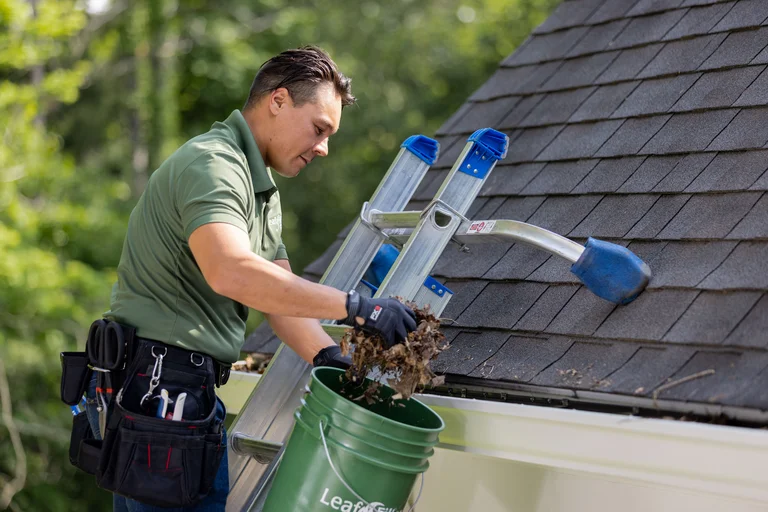
Why Gutter Inspection Services Are Essential for Every Homeowner
Gutter inspection services are one of the most overlooked yet crucial maintenance tasks for homeowners. Your gutters work tirelessly to channel thousands of gallons of water away from your home’s foundation, walls, and landscape. When gutters fail due to clogs, damage, or improper installation, the consequences can be devastating and expensive. Professional gutter inspections identify potential problems before they escalate into major repairs, saving homeowners an average of $3,000 to $10,000 in water damage restoration costs according to industry data.
A comprehensive gutter inspection goes far beyond simply looking at your gutters from the ground. Professional gutter inspection services involve a thorough evaluation of the entire water management system, including downspouts, fascia boards, soffit connections, slope calculations, and drainage patterns. Trained technicians use specialized equipment like high-resolution cameras, moisture meters, and laser levels to detect issues invisible to the untrained eye. These inspections typically reveal problems in 67% of homes over 10 years old, demonstrating why regular professional assessments are non-negotiable for property protection.
The financial logic behind investing in residential gutter inspection services is compelling. While a professional inspection costs between $75 and $250 depending on home size and accessibility, the average cost of repairing foundation damage caused by improper water drainage exceeds $4,500. Basement waterproofing can run from $2,000 to $10,000, while replacing rotted fascia boards costs $600 to $6,000. These figures don’t account for interior damage like ruined drywall, flooring, or personal belongings. Prevention through regular inspection is exponentially more cost-effective than reactive repairs.
What Professional Gutter Inspection Services Include
Professional gutter inspection services encompass a multi-point evaluation system designed to assess every component of your gutter system’s health and functionality. The inspection begins with a visual assessment of gutter segments, examining for visible damage, rust spots, corrosion, holes, or separations at seam points. Inspectors check for proper pitch and slope, as gutters require a quarter-inch decline for every 10 feet of length to ensure water flows correctly toward downspouts rather than pooling in sections.
Technicians performing commercial gutter inspection services or residential assessments will examine the fastening system that secures gutters to your home’s fascia. They look for loose hangers, bent spikes, damaged ferrules, or improperly spaced brackets that could allow gutters to pull away from the structure. The inspection includes checking gutter guards or screens if installed, evaluating their condition and effectiveness at preventing debris accumulation while allowing water flow. Downspouts receive special attention, with inspectors ensuring they’re firmly attached, properly angled, and extending at least 6 to 10 feet away from the foundation.
The comprehensive nature of professional gutter inspection services extends to areas many homeowners never consider. Inspectors evaluate the condition of fascia boards behind the gutters, looking for wood rot, water staining, or structural weakness that indicates moisture infiltration. They assess soffit ventilation to ensure it hasn’t been compromised by water backup. The inspection includes examining the roof edge for shingle damage caused by water overflow and checking for proper flashing installation where gutters meet the roofline. Ground-level drainage is evaluated to confirm downspout water disperses appropriately rather than creating pooling or erosion problems.
Key Components Examined During Gutter Inspections
- Gutter segments: Cracks, holes, rust, corrosion, and structural integrity
- Seams and joints: Separation, leaking, or failing sealant
- Pitch and slope: Proper angle for water flow (1/4 inch per 10 feet)
- Hangers and brackets: Spacing, stability, and attachment strength
- Downspouts: Blockages, proper discharge location, and secure attachment
- Fascia boards: Wood rot, water damage, or structural concerns
- End caps and outlets: Proper sealing and functionality
- Gutter guards: Condition, effectiveness, and maintenance needs
- Foundation areas: Proper water dispersion and drainage patterns
- Roof edges: Shingle condition and water overflow evidence
The Hidden Costs of Neglecting Gutter Inspections
Delaying or avoiding gutter inspection services creates a domino effect of increasingly expensive problems throughout your property. The most immediate consequence is water overflow during rainfall, which saturates soil adjacent to your foundation. This saturation causes hydrostatic pressure that forces water through foundation walls, creating cracks, seepage, and eventually structural instability. According to the American Society of Home Inspectors, 95% of basement water problems are directly attributable to improperly maintained gutters and downspouts, representing billions in annual homeowner repair costs.
Beyond foundation issues, neglected gutters create perfect conditions for pest infestations that compound damage exponentially. Standing water in clogged gutters becomes breeding grounds for mosquitoes, which can lay up to 300 eggs in stagnant water. Decomposing organic debris attracts termites, carpenter ants, and wasps that establish nests in the protected environment of leaf-filled gutters. These pests don’t confine themselves to gutters—they migrate into fascia boards, attic spaces, and wall cavities, causing structural damage that requires pest control services and extensive carpentry repairs averaging $1,200 to $8,000.
Suggested read: Salesforce Managed Services: Transform Your CRM Investment into Business Growth
The deterioration accelerates when professional gutter inspection services aren’t utilized to catch problems early. Ice dams form when clogged or poorly functioning gutters prevent proper drainage, trapping water that freezes and expands. This expansion can tear gutters completely off homes, damage roof shingles, and allow water to infiltrate under roofing materials into attic insulation and interior walls. Replacing gutters damaged beyond repair costs $4 to $30 per linear foot installed, meaning a typical 200-foot gutter system replacement ranges from $800 to $6,000. Regular inspections costing $150 annually prevent these catastrophic failures and extend gutter lifespan from 20 to 30+ years.
| Repair Type | Average Cost | Prevention Cost | Savings Multiplier |
|---|---|---|---|
| Foundation Repair | $4,500 – $12,000 | $150 inspection | 30x – 80x |
| Basement Waterproofing | $2,000 – $10,000 | $150 inspection | 13x – 67x |
| Fascia Board Replacement | $600 – $6,000 | $150 inspection | 4x – 40x |
| Complete Gutter Replacement | $800 – $6,000 | $150 inspection | 5x – 40x |
| Pest Control & Damage | $1,200 – $8,000 | $150 inspection | 8x – 53x |
When to Schedule Gutter Inspection Services
Timing your gutter inspection services strategically maximizes protection while minimizing costs through preventive maintenance. The optimal inspection schedule includes assessments in late spring after tree pollination and early fall before leaf drop intensifies. These seasonal inspections catch accumulated debris before heavy rain seasons in many regions, preventing overflow during the highest-volume water events. Homes surrounded by trees or in areas with severe weather should consider quarterly inspections, as debris accumulation accelerates significantly in these environments.
Beyond regular seasonal scheduling, specific circumstances demand immediate residential gutter inspection services regardless of your maintenance calendar. After severe storms with high winds, hail, or heavy rainfall, gutters should be inspected for damage even if no visible problems are apparent from ground level. Wind can loosen fasteners, hail can create small holes that grow larger over time, and heavy water volume can reveal inadequate drainage capacity. Similarly, if you notice water stains on exterior walls, foundation cracks, or basement moisture, these symptoms indicate gutter system failures requiring professional diagnosis.
Home modifications and landscape changes also necessitate gutter inspection services to ensure continued optimal performance. Installing new roofing, adding room additions, or changing roof pitch affects water volume and drainage patterns that existing gutters may not accommodate. Mature trees growing close to homes drop increasing amounts of leaves and debris as they age, requiring more frequent inspection intervals. If you’ve recently purchased a home, scheduling a comprehensive gutter inspection within the first month of ownership establishes baseline condition documentation and identifies any deferred maintenance the previous owner neglected, potentially saving thousands in unexpected repairs.
Critical Times to Schedule Inspections
- Spring (April-May): After winter freeze-thaw cycles and spring pollen season
- Fall (September-October): Before autumn leaf drop and winter precipitation
- Post-storm: Within one week of severe weather events with winds exceeding 40 mph
- After home purchase: Within 30 days of taking ownership
- Following roof work: Immediately after any roofing installation or repairs
- When symptoms appear: Water stains, foundation moisture, overflowing gutters
- Every 5 years minimum: Even without apparent problems for preventive assessment
Signs You Need Immediate Gutter Inspection Services
Recognizing warning signs early allows homeowners to schedule gutter inspection services before minor issues become major catastrophes. The most obvious indicator is visible sagging or pulling away from the fascia board, which occurs when hangers fail, gutters fill with debris and water weight, or structural damage compromises attachment points. Gutters should follow the roofline smoothly without dipping sections or visible separations. Any deviation from this profile requires immediate professional evaluation, as complete gutter detachment can happen suddenly, often during the next significant rainfall.
Water-related symptoms around your property provide unmistakable evidence that your gutters aren’t functioning correctly and professional gutter inspection services are overdue. Look for water staining or discoloration on exterior siding directly below the roofline, indicating overflow at those locations. Check for splashing or dripping during rainfall from gutter seams or joints, suggesting seal failure or separation. Pools of standing water near your foundation after rain signals improper downspout drainage or gutter overflow. Inside your home, water stains on ceiling edges where walls meet ceilings, or basement moisture during rainy periods, often trace back to gutter system failures allowing water to infiltrate the structure.
The condition of landscape and hardscape elements provides additional clues necessitating gutter inspection services. Erosion channels in mulch beds or soil directly beneath the roofline indicate concentrated water discharge from overflowing or improperly functioning gutters. Concrete walkways, patios, or driveways near the home showing cracks, settling, or heaving result from excessive water saturation caused by inadequate gutter drainage. Plant damage or death in foundation beds can occur from either too much water (gutter overflow) or redirected downspout discharge. If you notice paint peeling on lower exterior walls or rust stains running down siding, these symptoms point to chronic moisture problems originating from the gutter system above.
DIY Inspection vs. Professional Gutter Inspection Services
Homeowners capable of safely accessing their gutters can perform basic maintenance checks between professional inspections, but these DIY efforts cannot replace comprehensive gutter inspection services from trained specialists. From ground level, you can look for obvious problems like visible sagging, detached sections, or plant growth in gutters indicating long-term debris accumulation. Using a stable ladder, homeowners can remove large debris like leaves and check for standing water in gutter sections that should drain completely. However, DIY inspections miss critical issues that require professional expertise, specialized tools, and safety equipment to properly identify and assess.
The limitations of DIY efforts become apparent when considering the expertise professional gutter inspection services provide through systematic evaluation protocols developed over thousands of inspections. Professionals understand the subtle indicators of impending failures, like slight fascia board softness suggesting early-stage wood rot, or minor pitch deviations creating drainage inefficiencies. They recognize manufacturer-specific installation requirements and identify improper techniques that compromise performance. Licensed inspectors carry liability insurance protecting homeowners if accidents occur during the inspection process, whereas DIY ladder accidents result in 500,000 emergency room visits annually according to the American Academy of Orthopaedic Surgeons, with associated medical costs and liability falling entirely on homeowners.
The technological capabilities of commercial gutter inspection services and residential specialists exceed DIY capabilities by orders of magnitude. Professional inspectors use borescope cameras to examine downspout interiors and underground drainage pipes, identifying blockages or damage invisible from exterior access points. Moisture meters detect hidden water damage in fascia boards and soffit areas before visible deterioration appears. Laser levels verify proper pitch with precision impossible to achieve through visual estimation. Thermal imaging cameras reveal temperature differentials indicating water infiltration pathways through building envelopes. This equipment, combined with professional interpretation of findings, provides homeowners with actionable intelligence about their gutter system’s true condition and remaining service life.
| Inspection Aspect | DIY Capability | Professional Service |
|---|---|---|
| Visual debris identification | ✓ Good | ✓ Excellent |
| Fascia board condition | ⚠ Limited | ✓ Comprehensive |
| Proper pitch measurement | ✗ Not possible | ✓ Laser-verified |
| Downspout interior inspection | ✗ No access | ✓ Camera inspection |
| Hidden water damage detection | ✗ Not detectable | ✓ Moisture meters |
| Structural integrity assessment | ⚠ Surface only | ✓ Full evaluation |
| Safety equipment and insurance | ✗ Homeowner risk | ✓ Fully covered |
Understanding Gutter Inspection Services Pricing
The cost of gutter inspection services varies based on multiple factors, creating a pricing range from $75 for basic single-story home evaluations to $500+ for complex multi-story properties with extensive gutter systems. Average pricing falls between $150 and $250 for typical residential inspections, which includes a thorough assessment of all gutter components, detailed reporting of findings, and recommendations for repairs or maintenance. This investment provides exceptional value considering the thousands of dollars in potential damage prevention, making it one of the most cost-effective home maintenance services available.
Geographic location significantly impacts professional gutter inspection services pricing, with coastal regions and areas with higher living costs commanding premium rates 20-40% above national averages. Home height and accessibility present major pricing variables, as single-story ranches require minimal equipment and labor compared to three-story colonials or homes with steep roof pitches requiring specialized safety equipment and additional technician time. Properties with extensive landscaping, decorative trim, or historical architecture elements requiring careful navigation also justify higher service fees due to increased complexity and liability.
Comprehensive gutter inspection services often bundle with other related assessments or maintenance tasks, providing opportunities for cost savings through package pricing. Many companies offer combined inspection and cleaning services ranging from $200 to $600 depending on system size and debris volume, delivering better value than separate service calls. Some providers include complimentary inspections when scheduling repairs or replacements, eliminating the standalone inspection fee. Annual maintenance contracts that include two seasonal inspections with priority service and discounted repair rates typically cost $300 to $600 annually, representing substantial savings for homeowners compared to per-visit pricing while ensuring consistent preventive care that maximizes gutter system longevity.
Pricing Factors Breakdown:
- Home size: $75-$150 (single-story), $150-$250 (two-story), $250-$500+ (three-story or complex)
- Linear footage: $0.50-$1.50 per linear foot for inspection services
- Geographic region: 20-40% premium in high-cost areas
- Accessibility challenges: $50-$200 additional for difficult access
- Bundled services: Inspection + cleaning $200-$600 total
- Annual contracts: $300-$600 for two seasonal inspections
- Emergency inspections: $100-$150 premium for same-day service
How to Choose Quality Gutter Inspection Services
Selecting qualified gutter inspection services requires evaluating multiple credentials and business characteristics that separate professional operations from unqualified contractors. Start by verifying proper licensing requirements for your state or municipality, as legitimate contractors maintain current licenses demonstrating compliance with local regulations and building codes. Confirm the company carries comprehensive general liability insurance and workers’ compensation coverage protecting homeowners from liability if accidents occur during inspections. Request certificates of insurance directly from their insurance carrier rather than accepting copies the contractor provides, as fraudulent insurance documentation is surprisingly common in home service industries.
Experience and specialization distinguish superior residential gutter inspection services from generalist contractors who perform gutter work as a sideline. Companies focusing primarily on gutter systems develop expertise in manufacturer specifications, installation standards, and regional climate challenges affecting gutter performance. Ask how many years the company has operated and how many inspections they complete annually—established businesses performing 500+ annual inspections possess institutional knowledge of common failure patterns and effective solutions. Request references from customers with homes similar to yours in age, size, and architectural style, then actually contact these references to ask about inspection thoroughness, communication quality, and whether recommended repairs proved accurate and necessary.
Suggested read: How a Plumbing Answering Service Can Transform Your Business and Boost Revenue in 2026
The inspection process and reporting standards separate professional gutter inspection services from cursory evaluations masquerading as comprehensive assessments. Quality providers spend 45-90 minutes conducting thorough inspections rather than 15-minute visual surveys from ladders. They provide detailed written reports with photographs documenting current conditions, specific locations of identified problems, and prioritized recommendations for repairs or maintenance. Reports should explain the reasoning behind each recommendation, estimated costs for suggested work, and timelines for addressing different priority levels. Be wary of companies that provide only verbal feedback or create immediate pressure to authorize expensive repairs without allowing time to review findings and obtain competitive bids.
Questions to Ask Potential Inspection Companies
- How long has your company specialized in gutter services specifically?
- What licensing and insurance coverage do you maintain?
- How many inspections does your company complete annually?
- What specific equipment do you use during inspections?
- How long does a typical inspection take for a home like mine?
- What does your written inspection report include?
- Do you provide prioritized recommendations with cost estimates?
- Can you provide references from recent inspection clients in my area?
- What happens if additional problems emerge after the inspection?
- Do you offer warranties or guarantees on your inspection accuracy?
The Technology Behind Modern Gutter Inspection Services
Contemporary gutter inspection services leverage advanced technology that revolutionizes diagnostic capabilities compared to traditional visual-only assessments. High-resolution borescope cameras with LED lighting illuminate downspout interiors and underground drainage pipes, revealing blockages, root intrusion, or structural damage 10-30 feet from access points. These flexible cameras navigate 90-degree turns and document conditions with digital video, providing irrefutable evidence of problems homeowners couldn’t otherwise verify without excavation. The footage becomes part of permanent property records, valuable for insurance claims and resale disclosures.
Drone technology transforms professional gutter inspection services for multi-story homes, properties with steep roof pitches, or buildings where ladder access presents safety hazards or physical impossibility. Equipped with 4K cameras and gimbal stabilization, inspection drones capture detailed imagery of gutter conditions from multiple angles without technicians climbing ladders or walking on roofs. This technology particularly benefits commercial properties, historic buildings with delicate architectural elements, or homes surrounded by landscaping that would be damaged by ladder placement. Drone inspections reduce service time by 40-60% while improving documentation quality and inspector safety.
Moisture detection technology elevates gutter inspection services from surface assessments to comprehensive building envelope evaluations. Non-invasive moisture meters using electromagnetic wave technology identify water content in fascia boards, soffit materials, and wall cavities without drilling holes or causing damage. Infrared thermal imaging cameras reveal temperature differentials indicating water infiltration pathways, ice dam formation areas, or insulation problems caused by moisture. These diagnostic tools identify problems in early stages when repairs are simple and inexpensive, rather than waiting for visible deterioration requiring major reconstruction. The technology also distinguishes between active water infiltration and historical water damage that has dried and no longer threatens structures.
For those managing complex service operations, professional salesforce managed services can help streamline customer scheduling, inspection tracking, and follow-up coordination similar to how modern technology improves gutter assessment capabilities.
Regional Considerations for Gutter Inspection Services
Climate variations across regions create distinct challenges requiring specialized knowledge from gutter inspection services providers. Properties in the Northeast and Midwest face freeze-thaw cycles that expand water in gutter cracks and joints, accelerating deterioration and creating ice dam conditions. Inspectors in these regions evaluate gutter capacity to handle spring snowmelt volume, assess insulation and ventilation preventing ice formation, and check for winter damage each spring. They recommend specialized products like heated gutter cables or larger downspouts to accommodate higher volume discharge during rapid temperature changes.
Coastal properties require residential gutter inspection services focused on corrosion prevention and storm damage assessment. Salt air accelerates metal deterioration, making aluminum or vinyl gutters more suitable than steel in these environments. Inspectors evaluate sealant integrity protecting against saltwater intrusion and check for wind damage common in hurricane or nor’easter-prone regions. Coastal inspections include assessing whether gutter systems can handle intense rainfall rates exceeding 3 inches per hour during tropical storms, often requiring 6-inch gutters instead of standard 5-inch systems for adequate capacity.
Desert and arid climate regions present unique challenges for gutter inspection services despite lower precipitation frequency. Intense but infrequent rainfall events dump large water volumes requiring sufficient gutter capacity despite months of disuse between storms. UV radiation degrades sealants, gaskets, and plastic components faster than in temperate climates, necessitating more frequent inspection cycles. Desert inspectors evaluate debris accumulation from dust storms, check for scorpion or snake nesting in rarely-flowing gutters, and assess whether systems remain functional after extended drought periods followed by intense monsoon seasons.
Climate-Specific Inspection Priorities
Cold Climate Regions:
- Ice dam formation potential and prevention measures
- Freeze-thaw crack development in seams and joints
- Snowmelt capacity and discharge volume handling
- Heating cable installation and functionality
- Structural stress from ice weight accumulation
Humid/Rainy Regions:
- Mold and mildew growth prevention
- Continuous water exposure deterioration
- Overflow capacity during extended rainfall
- Downspout drainage adequacy for saturated soil
- Rust and corrosion progression in metal systems
Coastal Areas:
- Salt corrosion on metal components
- Hurricane damage assessment and prevention
- High-wind fastener integrity
- Saltwater seal preservation
- Rapid water volume handling capacity
Arid/Desert Climates:
- UV degradation of plastic components and sealants
- Debris from dust storms and desert vegetation
- Flash flood volume capacity
- Functionality after extended dormancy periods
- Wildlife nesting in unused gutter systems
Commercial vs. Residential Gutter Inspection Services
Commercial gutter inspection services differ substantially from residential assessments in scope, complexity, and regulatory requirements. Commercial properties typically feature larger, more complex gutter systems with multiple drainage zones, internal gutters, scuppers, and sophisticated water management engineering. Inspections must account for flat or low-slope commercial roof designs where water drainage is critical to prevent ponding and roof membrane damage. Commercial inspectors understand building codes specific to commercial construction, insurance requirements for commercial property policies, and documentation standards satisfying commercial lease agreements or property management company protocols.
The scale of commercial gutter inspection services demands different equipment, staffing, and time commitments than residential work. A typical commercial building might have 500-2,000 linear feet of gutters compared to 100-200 feet on residential properties, requiring multiple technicians and full-day inspections rather than 1-2 hour residential visits. Commercial properties often require inspections during business hours with minimal disruption to operations, specialized safety equipment for buildings exceeding residential heights, and coordination with property managers or tenant businesses. Commercial inspection reports must be more detailed and formal, often serving as official maintenance records for insurance carriers, prospective buyers, or regulatory compliance documentation.
Liability considerations and insurance requirements create additional distinctions between commercial and residential gutter inspection services. Commercial contractors carry significantly higher insurance coverage limits, typically $2-5 million general liability compared to $500,000-$1 million for residential specialists. They maintain additional coverage types like professional errors and omissions insurance protecting against economic damages from inspection oversights. Commercial inspections follow more rigorous safety protocols including fall protection systems, documented safety plans, and OSHA compliance measures. These elevated standards justify premium pricing for commercial services, typically 2-3 times residential rates per linear foot, but provide building owners with comprehensive risk management protecting tenant safety and property values.
Gutter Inspection Services for Different Gutter Types
The specific gutter inspection services required vary significantly based on gutter material composition, each presenting unique vulnerabilities and maintenance considerations. Aluminum gutters, the most common residential installation, require inspections focusing on seam integrity, dent damage from ladders or fallen branches, and joint separation where expansion and contraction create stress points. Aluminum resists rust but can develop white oxidation requiring cleaning, and thin-gauge aluminum sections may sag under debris weight requiring hanger reinforcement. Inspectors evaluate whether previous repairs used compatible sealants, as some products cause galvanic corrosion when combined with aluminum.
Copper gutter inspection services demand specialized expertise as this premium material requires different evaluation criteria than standard systems. Copper develops protective patina that actually extends lifespan, but inspectors must distinguish between healthy patina development and active corrosion from acidic rainwater or improper sealant use. Copper’s softness makes it vulnerable to physical damage from ice, snow, or debris impacts that might not harm aluminum systems. Inspectors examine soldered joints for gaps or separation, evaluate expansion joint functionality critical in copper’s higher thermal expansion coefficient, and check that all fasteners and hangers are copper or stainless steel to prevent galvanic corrosion from dissimilar metals.
Suggested read: Martin Luther King Jr Multi Service Ambulatory Care Center: Your Gateway to Accessible Healthcare in South Los Angeles
Vinyl gutter inspection services focus on issues specific to plastic material properties, particularly brittleness from UV exposure and cold temperatures. Inspectors evaluate color fading indicating UV degradation that precedes structural failure, check for cracks in corners and joints where thermal expansion creates stress, and assess whether sections have pulled away from snap-together connectors. Vinyl gutters cannot be repaired once damaged and require section replacement, making early identification of UV damage critical before winter cold causes brittle failure. Inspectors verify that vinyl gutters have adequate support brackets, as the material’s flexibility requires more frequent spacing than metal gutters to prevent sagging.
Material-Specific Inspection Focus Areas
Aluminum Gutters:
- Seam separation and rivet failure
- Dents from ladder contact or falling debris
- White oxidation requiring cleaning
- Joint seal integrity at mitered corners
- Hanger spacing adequacy for gauge thickness
Copper Gutters:
- Patina development patterns and health
- Soldered joint integrity and gaps
- Expansion joint functionality
- Fastener compatibility (copper/stainless only)
- Physical damage from ice or debris impacts
Vinyl Gutters:
- UV degradation and color fading
- Brittle cracking in cold temperatures
- Snap connector engagement and security
- Thermal expansion gap adequacy
- Bracket spacing for flexibility compensation
Steel Gutters:
- Rust and corrosion progression
- Paint coating integrity and failure
- Structural rigidity and gauge thickness
- Fastener rust and failure
- Weight stress on fascia attachment
Environmental Impact and Gutter Inspection Services
Modern gutter inspection services increasingly incorporate environmental sustainability considerations into their assessment protocols and recommendations. Properly functioning gutters play crucial roles in residential water management and erosion control, making their maintenance an environmental protection measure. Inspections evaluate whether downspout discharge points direct water toward permeable landscape areas, rain gardens, or collection systems rather than contributing to stormwater runoff that overwhelms municipal systems. Environmentally conscious inspectors recommend rain barrel connections, underground drainage to landscape irrigation zones, or bioswale integration that captures and filters gutter discharge naturally.
The materials and methods used during professional gutter inspection services and subsequent repairs increasingly reflect environmental stewardship principles. Forward-thinking companies use eco-friendly cleaning solutions instead of harsh chemicals that contaminate soil and waterways when rinsing debris from gutters. They properly dispose of removed gutter materials through recycling programs rather than sending aluminum, copper, and steel to landfills where these valuable resources are wasted. Inspectors educate homeowners about gutter guard options made from recycled materials or those designed to reduce maintenance chemical use. They recommend repairs over replacement when feasible, extending existing material lifecycle rather than creating unnecessary waste.
Climate change impacts create new evaluation criteria for gutter inspection services as precipitation patterns intensify globally. Inspectors must assess whether existing gutter capacity adequately handles increasingly common intense rainfall events delivering higher volumes in shorter durations than historical weather patterns. They evaluate whether current downspout configurations prevent soil erosion during these intense events and whether landscape drainage systems can absorb discharge without creating flooding or water quality problems. Forward-looking inspections include recommendations for climate-resilient upgrades like larger diameter downspouts, overflow scuppers, or secondary drainage paths preventing catastrophic failure during extreme weather events projected to increase in frequency throughout this decade.
Integration of Gutter Inspection Services with Home Maintenance
Strategic integration of gutter inspection services into comprehensive home maintenance programs multiplies benefits through synergistic protection of interconnected building systems. Coordinating gutter inspections with roof assessments creates opportunities for combined access, shared diagnostic insights, and bundled service discounts while ensuring the two most critical water management systems receive compatible maintenance. Roofers identifying shingle problems can alert gutter technicians to examine areas where water overflow might have caused the damage, while gutter inspectors discovering roof edge deterioration can recommend immediate roofing evaluation preventing leaks.
Residential gutter inspection services coordinate naturally with exterior painting and siding maintenance schedules, as fascia board painting provides opportunity for detailed gutter examination before painters cover potential problems. Properties scheduled for exterior painting benefit from comprehensive gutter inspections 2-3 months prior, allowing time to complete necessary fascia repairs or gutter replacements before painters arrive. This sequencing prevents the costly scenario of completing exterior painting only to discover major gutter work is needed that damages fresh paint. Smart homeowners bundle these services during the same season, negotiating package pricing that reduces overall maintenance costs 15-25% compared to separate service contracts.
Landscaping modifications and foundation waterproofing projects should always include gutter inspection services ensuring water management systems work synergistically. Installing new foundation plantings, walkways, or patio areas requires verifying that downspout discharge won’t damage these investments or undermine their intended function. Homeowners investing in basement waterproofing or foundation repairs should always address gutter system deficiencies simultaneously, as the most expensive foundation repair fails quickly if gutters continue delivering water to problem areas. Professional inspectors identify these connections, providing integrated recommendations that address root causes rather than merely treating symptoms of water infiltration problems.
Future Trends in Gutter Inspection Services
The evolution of gutter inspection services accelerates as technology integration and data analytics transform traditional visual assessment methods. Artificial intelligence and machine learning algorithms now analyze inspection photographs and sensor data to identify deterioration patterns human inspectors might miss, predict remaining service life with unprecedented accuracy, and recommend optimal maintenance timing. These AI systems draw from databases containing millions of inspection records, recognizing subtle indicators that distinguish minor issues from those requiring immediate intervention. Property owners receive probability-based forecasts predicting when specific components will likely fail, enabling proactive budgeting and planned maintenance rather than emergency repairs.
Smart home integration represents the next frontier for professional gutter inspection services, with IoT sensors continuously monitoring gutter system performance and alerting homeowners to developing problems between professional inspections. Wireless moisture sensors detect water accumulation indicating clogs or drainage problems, flow meters measure water volume passing through downspouts to verify proper distribution, and strain gauges identify bracket stress suggesting attachment failure risk. These systems integrate with home automation platforms, sending smartphone alerts when problems develop and automatically scheduling professional inspections when sensor data indicates potential issues. This continuous monitoring paradigm shift moves gutter maintenance from reactive to predictive, preventing failures before they occur.
Environmental regulations and sustainability mandates will reshape gutter inspection services throughout the coming decade as municipalities address stormwater management challenges. Many jurisdictions already require or incentivize rainwater harvesting systems, detention basins, or permeable landscape installations that integrate with residential gutter systems. Future inspections will evaluate regulatory compliance, assess opportunities for stormwater credits or rebates, and recommend upgrades capturing environmental value while protecting properties. Inspectors will need expertise in emerging technologies like smart irrigation integration, water quality testing for harvested rainwater, and calculation of environmental impact metrics demonstrating sustainability performance for green building certifications or property value enhancements.
Why Professional Certification Matters for Gutter Inspection Services
Professional certification distinguishes qualified gutter inspection services providers from general contractors lacking specialized expertise in water management systems. Organizations like the National Association of Home Inspectors (NAHI) and the International Association of Certified Home Inspectors (InterNACHI) offer gutter inspection certifications requiring comprehensive training in proper installation standards, common failure modes, building code requirements, and diagnostic methodologies. Certified inspectors complete continuing education maintaining current knowledge about new materials, emerging installation techniques, and evolving best practices. This professional development ensures homeowners receive inspections based on industry-leading standards rather than individual contractor experience varying widely in quality and thoroughness.
The value of certified residential gutter inspection services extends beyond technical expertise to ethical standards and accountability mechanisms protecting homeowners. Certification bodies enforce codes of ethics prohibiting conflicts of interest, requiring honest disclosure of limitations, and mandating fair pricing practices. Certified inspectors must carry specific insurance coverages, maintain bonds protecting consumers from financial harm, and submit to disciplinary processes if complaints arise about their work quality or business practices. These accountability measures provide homeowners recourse if inspections prove inadequate, whereas uncertified contractors may operate without oversight or consequences for substandard work.
Certification directly correlates with inspection thoroughness and accuracy for gutter inspection services, as certified professionals follow standardized protocols ensuring consistent, comprehensive evaluations. Studies show certified inspectors identify 40-60% more deficiencies than uncertified technicians examining identical properties, translating to significantly better protection for homeowners investing in inspections. Certified inspectors use standardized reporting formats making findings clear and actionable, provide prioritized recommendations based on risk assessment methodologies, and estimate repair costs with greater accuracy drawn from industry data rather than guesswork. The modest premium typically charged by certified professionals delivers exceptional value through superior diagnostic capabilities and detailed reporting supporting informed decision-making.
Suggested read: Understanding the Department of the Treasury Bureau of the Fiscal Service: Your Complete Resource for Federal Financial Operations
Frequently Asked Questions About Gutter Inspection Services
What are gutter inspection services and what do they include?
Gutter inspection services involve comprehensive professional evaluation of your complete gutter system including gutters, downspouts, hangers, fascia boards, and drainage components. Inspections assess structural integrity, proper slope and drainage, potential blockages, damage from weather or debris, and overall system functionality. Professional inspectors provide detailed reports documenting current conditions, identifying problems, and recommending necessary repairs or maintenance.
How often should I schedule professional gutter inspection services?
Most homes benefit from professional gutter inspection services twice annually—once in late spring and again in early fall. Properties surrounded by trees, in areas with severe weather, or with histories of gutter problems should consider quarterly inspections. Homes with minimal tree coverage in moderate climates may suffice with annual inspections, though this represents minimum maintenance rather than optimal care.
How much do gutter inspection services typically cost?
Professional gutter inspection services generally cost between $75 and $250 for residential properties, with the average falling around $150. Pricing varies based on home size, gutter system complexity, property accessibility, and geographic location. Multi-story homes or properties requiring special equipment command premium pricing. Many companies offer discounted inspection rates when bundled with cleaning or repair services.
Can I perform my own gutter inspection instead of hiring professional services?
While homeowners can perform basic visual checks and debris removal, comprehensive evaluation requires professional gutter inspection services with specialized equipment, training, and expertise. DIY efforts miss hidden problems like subsurface wood rot, improper pitch measurements, or developing failures only detectable through professional diagnostic equipment. Professional inspections also include liability insurance protecting homeowners from accidents that commonly occur during gutter access.
What problems do gutter inspection services typically identify?
Professional gutter inspection services commonly identify clogged or slow-draining sections, separation at seams or joints, improper slope preventing drainage, loose or failing hangers, fascia board water damage, corroded or rusted sections, overflow evidence damaging foundations or landscaping, and inadequate downspout discharge placement. Inspections also reveal problems requiring repairs before they escalate into major damage.
Do gutter inspection services include cleaning as well?
Standard gutter inspection services focus on assessment and documentation rather than cleaning, though many companies offer bundled services combining inspection and cleaning at discounted rates. Separate services allow detailed inspection before cleaning begins, ensuring problems aren’t obscured by debris. However, many homeowners prefer combined services for convenience and cost efficiency.
How long does a professional gutter inspection take?
Typical residential gutter inspection services require 45-90 minutes depending on home size and gutter system complexity. Single-story homes with straightforward gutter layouts may take only 30-45 minutes, while multi-story properties with extensive systems may require 2-3 hours for thorough evaluation. Commercial properties often require half-day or full-day inspections due to system scale and complexity.
What credentials should I look for when hiring gutter inspection services?
Quality gutter inspection services providers maintain current licensing required in your jurisdiction, carry comprehensive general liability and workers’ compensation insurance, and ideally hold certifications from professional organizations like InterNACHI or NAHI. Look for established companies with 5+ years specializing in gutter systems, positive customer reviews, and detailed written inspection reports with photographs documenting findings.
Suggested read: Comprehensive Guide to the Service Industry Definition
Will gutter inspection services identify if I need complete gutter replacement?
Professional gutter inspection services evaluate whether gutters remain serviceable through repairs or require complete replacement based on extent of damage, age of system, and cost-effectiveness of repairs versus replacement. Inspectors consider factors like widespread rust, numerous failing sections, inadequate capacity for roof size, or outdated materials to determine when replacement makes better financial sense than ongoing repairs.
Are gutter inspection services tax deductible?
Gutter inspection services for primary residences are generally not tax deductible as personal maintenance expenses. However, inspections for rental properties qualify as deductible maintenance expenses under IRS rules. Inspections performed as part of property purchase, sale, or insurance claim may have different tax treatment. Consult tax professionals for guidance specific to your situation and jurisdiction.
Take Action to Protect Your Home Today
Don’t wait for visible water damage, foundation problems, or costly repairs to recognize the importance of professional gutter inspection services. Your home represents your largest financial investment, and gutters are the first line of defense protecting that investment from water damage. Schedule a comprehensive inspection today to identify potential problems before they escalate into expensive emergencies.
Contact qualified gutter inspection services providers in your area to request detailed quotes, compare service offerings, and establish a preventive maintenance schedule. Ask about seasonal inspection packages, bundled cleaning services, and annual maintenance contracts that provide optimal protection while maximizing value. Take control of your home’s water management system and enjoy peace of mind knowing your property is protected.
Professional gutter inspection services deliver exceptional return on investment through damage prevention, extended system lifespan, and preservation of your home’s structural integrity. The modest cost of regular inspections pales in comparison to foundation repairs, water damage restoration, or complete gutter replacement resulting from neglected maintenance. Make the smart choice—schedule your professional gutter inspection today.
Schedule Your Professional Gutter Inspection Services Now and protect your home from water damage before problems begin. Expert assessment, detailed reporting, and prioritized recommendations ensure your gutter system performs optimally year-round. Don’t delay—contact certified professionals today for immediate service scheduling and comprehensive property protection.