
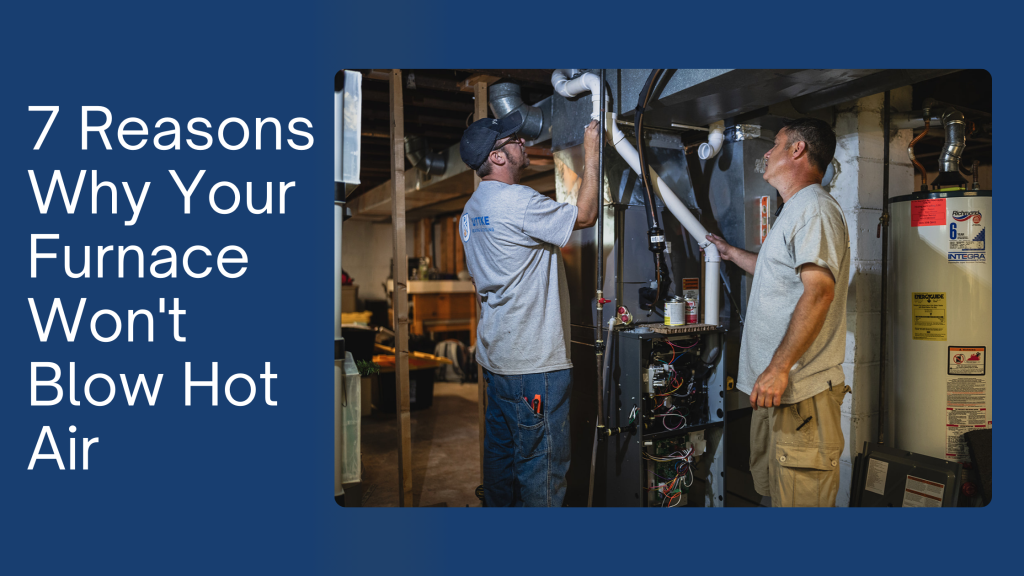
Picture this: It’s a freezing cold evening, you’re wrapped in your favorite blanket with a hot cup of cocoa, ready to relax after a long day. But wait—something’s wrong. The house feels colder than usual. You check the thermostat and realize with growing dread that your furnace not heating properly is about to turn your cozy sanctuary into an arctic wasteland!
If you’re reading this right now, chances are you’re experiencing this nightmare scenario firsthand. Don’t panic! You’re about to discover the insider secrets that HVAC professionals use to diagnose and fix heating problems lightning-fast. This isn’t your typical boring technical manual—this is your action-packed rescue guide that will transform you from a shivering homeowner into a heating hero!
Here’s the exciting news: most furnace problems are surprisingly simple to fix, and you’re about to learn exactly how to tackle them. Whether you’re a DIY enthusiast or someone who’s never touched their heating system before, this comprehensive guide will walk you through the seven most common (and shocking!) reasons your furnace not heating properly is making your life miserable—and more importantly, how to fix them FAST!
We’re talking real solutions that work in under 30 minutes, expert tips that could save you thousands of dollars, and game-changing maintenance strategies that will keep your furnace running like a dream for years to come. Get ready to feel empowered, informed, and warm again! Let’s dive into the incredible world of furnace troubleshooting and turn that cold house into the toasty haven you deserve!
The Terrifying Truth Behind Your Furnace Not Heating Properly That Nobody Tells You
Hold onto your seats, because what I’m about to reveal will completely change how you think about your heating system! The terrifying truth that most HVAC companies don’t want you to know is that a furnace not heating properly is often sending you desperate warning signals MONTHS before it completely fails—and most homeowners miss every single one!
Here’s what’s really happening behind the scenes: Your furnace is essentially screaming for help through subtle signs that are easy to overlook when you’re busy with daily life. That slight increase in your energy bill? Warning sign number one! Those strange clicking or banging noises you’ve been ignoring? Your furnace is literally telling you something’s wrong! The uneven heating where your bedroom is freezing but your living room feels like a sauna? That’s not normal, and it’s a red flag waving frantically!
The absolutely mind-blowing part is that when your furnace not heating properly finally becomes impossible to ignore, it’s usually because multiple small issues have compounded into one major disaster. Think of it like ignoring a small leak in your roof—sure, it starts as just a few drops, but before you know it, you’re dealing with water damage, mold, and a renovation nightmare. Your furnace works the same way!
Suggested read: Excessive Heat Warning Issued for Oregon: Stay Cool and Informed
What makes this even more shocking is the ripple effect that a malfunctioning furnace creates throughout your entire home. When your furnace not heating properly goes unaddressed, you’re not just dealing with discomfort—you’re facing skyrocketing energy bills as your system works overtime trying to compensate. You’re potentially exposing your family to safety hazards like carbon monoxide leaks. You’re risking frozen pipes that could burst and cause thousands of dollars in water damage. And you’re shortening the lifespan of your entire HVAC system, which means you’ll need to replace it years earlier than necessary!
But here’s where it gets really interesting—and this is the part that will blow your mind: studies show that homeowners who ignore their furnace not heating properly problems for just one winter season can end up paying up to 30% more in energy costs compared to those who address issues immediately! That’s potentially hundreds or even thousands of dollars literally flying out your window because your heating system is inefficient!
The hidden danger that keeps HVAC professionals up at night is the safety risk. When your furnace not heating properly involves issues with combustion or ventilation, you could be dealing with incomplete burning of fuel, which produces dangerous carbon monoxide gas. This colorless, odorless killer is responsible for hundreds of deaths each year, and many of those tragedies could have been prevented with early detection and proper maintenance.
Now, before you start panicking and thinking you need to replace your entire system immediately, here’s the empowering truth: most furnace problems are incredibly fixable! The key is understanding what’s going wrong and taking action quickly. The difference between a $20 DIY fix and a $5,000 emergency replacement often comes down to catching the problem early and knowing what to look for.
What’s truly terrifying is that many homeowners go years without having their furnace professionally inspected, thinking that as long as it’s producing some heat, everything must be fine. This is like driving your car without ever changing the oil—sure, it runs for a while, but you’re setting yourself up for catastrophic failure! The reality is that your furnace not heating properly is often the final symptom of neglect that’s been building for years.
Here’s the game-changer: once you understand these warning signs and the underlying causes, you gain incredible power over your home comfort and your wallet. You’ll be able to spot problems before they become emergencies, save money on energy bills, extend your furnace’s lifespan by years, and keep your family safe and comfortable all winter long. That’s why this information is so valuable—it transforms you from a reactive homeowner desperately calling for help into a proactive guardian of your home’s heating system!
7 Jaw-Dropping Reasons Your Furnace Not Heating Properly Is Destroying Your Comfort (And Your Wallet!)
Get ready for the revelation of a lifetime! These seven reasons your furnace not heating properly is wreaking havoc on your home are so common yet so overlooked that when you discover them, you’ll wonder how you ever missed the signs!
Reason #1: The Dirty Filter Disaster (The Silent System Killer!)
This is the most jaw-dropping culprit because it’s SO simple, yet it accounts for nearly 75% of all heating problems! Your furnace filter is like the lungs of your heating system—when it gets clogged with dust, pet hair, and debris, your entire system suffocates. Imagine trying to breathe through a pillow—that’s what your furnace is experiencing right now! A dirty filter forces your system to work three times harder to push air through, skyrocketing your energy bills by up to 15% and causing your furnace not heating properly to become your new winter nightmare. The shocking part? Most homeowners haven’t changed their filter in six months or longer! This $15 part that takes 60 seconds to replace could be costing you hundreds of dollars in wasted energy and potential system damage!
Reason #2: The Thermostat Trickery (It’s Lying to You!)
Hold onto your hats—your thermostat might be the sneakiest troublemaker in your entire house! Here’s what’s absolutely mind-blowing: a thermostat that’s placed in the wrong location, has dead batteries, or is miscalibrated can convince your furnace that your home is perfectly warm when you’re actually freezing! This creates a situation where your furnace not heating properly seems like a mystery, but the real culprit is simply bad communication between your thermostat and your heating system. Even more shocking—modern programmable thermostats can have settings that accidentally got changed, creating heating schedules that leave you shivering at the worst possible times. We’ve seen homeowners spend thousands on furnace repairs only to discover their thermostat was set to “cool” instead of “heat” or had a schedule programmed that turned the heat down during the day. The location matters too—a thermostat near a sunny window or a drafty door gives false readings that throw off your entire system!
Reason #3: The Ignition System Implosion (When Your Furnace Refuses to Light Up!)
This one is absolutely fascinating and terrifying at the same time! Modern furnaces use either a pilot light or an electronic ignition system to start the heating process, and when this system fails, your furnace not heating properly becomes an immediate crisis. Here’s the shocking reality: pilot lights can be blown out by drafts, dirt buildup, or thermocouple failure, while electronic ignition systems can fail due to electrical issues, sensor problems, or simple wear and tear. What makes this particularly devastating is that without ignition, your furnace literally cannot function—no matter how perfect the rest of the system is! The jaw-dropping part is that many homeowners don’t even know where their pilot light is located or how to safely relight it, meaning they’re completely at the mercy of expensive emergency service calls for what could be a five-minute fix!
Reason #4: The Ductwork Disaster (Your Heat Is Escaping!)
Suggested read: Android Heat Warning System: Protect Your Phone From Overheating
Prepare to have your mind blown by this revelation: up to 30% of the heated air your furnace produces never even reaches your living spaces! Leaky, disconnected, or poorly insulated ductwork is like trying to fill a bucket with holes—your furnace not heating properly isn’t because the system isn’t working, it’s because all that precious warm air is escaping into your attic, crawlspace, or walls! This is one of the most expensive problems because you’re literally paying to heat spaces you don’t even use while your actual living areas remain cold. The truly shocking discovery that homeowners make during duct inspections is finding sections that are completely disconnected, crushed by storage items, or filled with years of accumulated dust and debris that restricts airflow. Some homes have ductwork so poorly designed that rooms far from the furnace never get adequate heat, creating those frustratingly cold bedrooms that no amount of thermostat adjustment can fix!
Reason #5: The Blower Motor Breakdown (Your Furnace’s Heart Is Failing!)
Here comes a revelation that will absolutely stun you: your blower motor is essentially the heart of your heating system, and when it starts failing, your entire furnace not heating properly problem accelerates rapidly! This hardworking component is responsible for pushing warm air through your ductwork and into your home, and it runs for thousands of hours every heating season. The shocking truth is that blower motors often give warning signs before they completely fail—strange noises, intermittent operation, weak airflow, or the system shutting down unexpectedly. What’s truly devastating is that a failing blower motor forces your furnace to cycle on and off repeatedly, which not only makes your home uncomfortable but also puts enormous stress on other components, creating a domino effect of failures. The jaw-dropping cost factor? A complete blower motor replacement can run $400-$600, but catching the problem early when it just needs lubrication or a new capacitor might cost only $100-$150!
Reason #6: The Gas Supply Sabotage (When Fuel Flow Fails!)
This reason is absolutely critical and potentially dangerous, making it essential to understand! If you have a gas furnace and your furnace not heating properly involves the burners not lighting or producing weak flames, you could be dealing with gas supply issues. The shocking reality is that problems with your gas valve, gas pressure, or even issues with your utility company’s supply can prevent your furnace from getting the fuel it needs to generate heat. What makes this particularly nerve-wracking is that gas-related issues require professional attention—this isn’t a DIY situation! The jaw-dropping discovery many homeowners make is that sometimes their gas bill wasn’t paid (hey, it happens to everyone!), the gas was shut off for utility work in the neighborhood, or there’s a safety valve that’s closed somewhere in the system. Even more concerning, dirty burners or flame sensors can prevent proper combustion, creating efficiency problems and potential safety hazards. The terrifying part is that improper gas combustion can lead to carbon monoxide production, making this one reason your furnace not heating properly that demands immediate professional attention!
Reason #7: The Limit Switch Lockout (Your Furnace Is Protecting Itself!)
Prepare for this mind-bending revelation: sometimes your furnace not heating properly is actually your system trying to save itself from destruction! Modern furnaces have safety devices called limit switches that shut down the heating process if temperatures get too high, preventing fires and system damage. Here’s what’s absolutely shocking—if your furnace keeps shutting off after running for just a few minutes, it’s likely the limit switch detecting overheating and protecting your home! This can be caused by restricted airflow (back to that dirty filter!), a malfunctioning blower, or blocked vents. The jaw-dropping irony is that your furnace is technically working perfectly—its safety systems are doing exactly what they’re designed to do—but the underlying problem is preventing it from heating your home. What makes this particularly frustrating for homeowners is the intermittent nature of the problem—your furnace might work fine for a few minutes, giving you false hope, before shutting down again. The empowering truth is that once you understand what’s triggering the limit switch, you can often resolve the underlying issue and get your system back to reliable operation!
Quick-Fix Solutions That Stop Your Furnace Not Heating Properly in Under 30 Minutes
Alright, it’s time to roll up your sleeves and become the heating hero your home needs! These quick-fix solutions are so effective and simple that you’ll be amazed you didn’t try them sooner. Let’s transform your furnace not heating properly crisis into a victory story you’ll be telling for years!
The Miracle Filter Change (5 Minutes to Glory!)
Listen up, because this is the single most powerful thing you can do right now! Changing your furnace filter is so ridiculously easy and effective that it feels like cheating. Here’s your step-by-step path to immediate results: First, locate your furnace and find the filter compartment (it’s usually a slot near where the return air enters the furnace). Turn off your furnace for safety—flip that switch or set your thermostat to “off.” Slide out the old filter and take a good look at it—if it looks like a dust bunny convention, you’ve found your problem! Notice the arrow on the filter frame? That shows you which direction the air flows—make absolutely sure your new filter’s arrow points the same way! Slide in your new filter, close the compartment, turn your system back on, and prepare to feel like a genius when warm air starts flowing within minutes! The absolutely thrilling part is that this simple action can restore up to 15% efficiency to your system immediately, and your furnace not heating properly problem might be completely solved!
The Thermostat Reset Revolution (3 Minutes to Warmth!)
This quick fix is so powerful yet so overlooked that it borders on magical! Start by walking up to your thermostat and really looking at what it’s telling you. Is it set to “heat” mode? Check! Is the temperature set higher than your current room temperature? If not, bump it up 5 degrees and listen for your furnace to kick on. Here’s the game-changing move: try the complete reset! For most digital thermostats, remove the faceplate and look for batteries—replace them even if they seem fine (weak batteries cause all sorts of bizarre behavior). While you’re at it, gently blow dust away from the sensors inside. Now here’s the really exciting part: find your thermostat’s reset button or remove it from the wall plate for 30 seconds to perform a hard reset. When you reinstall it, all those weird programming glitches disappear like magic! If you have a programmable thermostat, take a minute to review the schedule—you might discover that someone (no judgment!) accidentally programmed it to turn off the heat when you’re actually home. Adjust those settings, and watch your furnace not heating properly problem vanish before your eyes!
The Pilot Light Relight Spectacular (10 Minutes to Heat!)
If you have an older furnace with a standing pilot light, this procedure is going to make you feel incredibly accomplished! Safety first—if you smell gas, don’t attempt this fix; leave your home and call your gas company immediately. But if everything smells normal, let’s light this baby up! Locate your furnace’s pilot light assembly (check your owner’s manual or look for a small window or access panel on the furnace). Find the gas valve and turn it to “off,” then wait a full five minutes for any residual gas to dissipate—this is crucial! Now turn the valve to “pilot,” press and hold the reset button, and while holding it, use a long lighter or match to ignite the pilot. Keep holding that button for 30-60 seconds after the flame lights to let the thermocouple heat up (this is the safety device that keeps the gas flowing). Release the button—if the pilot stays lit, you’re golden! Turn the valve to “on,” and your furnace should fire up within minutes. The absolutely exhilarating feeling when you hear your furnace roar to life and know YOU fixed it is unbeatable! Your furnace not heating properly just became your furnace heating perfectly!
The Circuit Breaker Check Challenge (2 Minutes to Power!)
Suggested read: Emergency Climate Control: Why 24 Hour AC Service Is Essential for Your Home and Business
This fix is so simple it almost feels silly, but it saves homeowners thousands in unnecessary service calls every year! March yourself over to your home’s electrical panel and scan the breakers for one labeled “furnace” or “HVAC.” Is it in the “off” position or somewhere in between? Flip it all the way off, wait 10 seconds, then flip it firmly to “on.” You just performed a complete power reset! But wait—there’s more excitement ahead! Many furnaces also have a dedicated on/off switch right on or near the unit itself, and this switch looks suspiciously like a regular light switch (which means it sometimes gets accidentally turned off!). Make sure that switch is in the “on” position. The jaw-dropping moment comes when you realize that your furnace not heating properly emergency was actually just a tripped breaker or accidentally flipped switch—a zero-dollar fix that took two minutes! While you’re at your electrical panel, take note of whether that furnace breaker trips again in the coming days, because repeated tripping indicates an electrical problem that needs professional attention.
The Register and Vent Liberation (15 Minutes to Flow!)
This quick fix is incredibly satisfying because you can literally see and feel the difference immediately! Grab a flashlight and tour your home like you’re on a mission—because you are! Check every single heat register and return air vent in your house. Are they covered by furniture, blocked by curtains, or buried under piles of stuff? Each blocked vent is like putting your hand over your mouth while trying to breathe—your system is suffocating! Move furniture away from vents (at least 12 inches of clearance), remove any decorative covers that restrict airflow, and make sure all dampers are fully open. Here’s the thrilling revelation: that cold bedroom might not be a furnace problem at all—it might just be a closed register that you forgot about! While you’re on this liberation tour, vacuum out each register to remove dust bunnies and debris that restrict airflow. The basement or crawlspace deserves attention too—check that your main return air vents aren’t blocked by storage boxes or seasonal decorations. When you restore proper airflow throughout your system, your furnace not heating properly situation often resolves itself instantly, and you’ll feel the difference in comfort within the hour!
The Condensate Drain Clear-Out (10 Minutes to Resolution!)
If you have a high-efficiency furnace, this quick fix could be your golden ticket to comfort! High-efficiency furnaces produce water as a byproduct of combustion, and that water needs to drain away through a condensate drain line. When this line gets clogged with algae, mold, or debris, your furnace shuts down to prevent water damage—smart system, annoying problem! Locate your condensate drain line (it’s usually a white PVC pipe near your furnace) and follow it to where it drains. Is there standing water? Is the drain pan full? Time to spring into action! Turn off your furnace, then use a wet/dry vacuum to suck out any clogs from the drain line. For stubborn clogs, pour a cup of white vinegar or a specialized condensate drain cleaner down the line and let it sit for 30 minutes before flushing with water. Clean out the drain pan while you’re at it. Once everything’s clear and dry, restart your furnace and listen for that beautiful sound of successful ignition! Your furnace not heating properly crisis just got obliterated by your newfound plumbing prowess, and you’ll feel like a home maintenance superhero!
When Your Furnace Not Heating Properly Means It’s Time to Call the Pros (Don’t Wait!)
Okay, let’s get real for a minute—while DIY solutions are empowering and often effective, there are absolutely critical situations where your furnace not heating properly requires professional intervention immediately! Knowing when to call in the cavalry isn’t admitting defeat; it’s being smart, safe, and strategic about protecting your home and your family!
The Smell Test: When Odors Mean Danger!
This is absolutely non-negotiable, so pay close attention! If you smell gas (that distinctive rotten egg odor that utility companies add to natural gas), you need to take action immediately—and that action is NOT trying to fix it yourself! Leave your home right now, don’t turn any lights on or off, don’t use your phone inside the house, and call your gas company or 911 from outside. Gas leaks are incredibly dangerous and can lead to explosions or carbon monoxide poisoning. Similarly, if you smell burning electrical odors, melting plastic, or see smoke coming from your furnace, shut it down immediately and call a professional. These smells indicate serious problems with electrical components, overheating motors, or potential fire hazards. Your furnace not heating properly combined with strange odors is your system screaming for professional help, and ignoring these warning signs could result in catastrophic damage or life-threatening situations. The exciting news is that professional HVAC technicians have specialized tools and training to diagnose and fix these problems safely, and they often can resolve the issue the same day you call!
The Carbon Monoxide Crisis: The Silent Killer Demands Respect!
Here’s where things get seriously important—carbon monoxide is absolutely nothing to mess around with! If your carbon monoxide detector goes off while your furnace is running, this is a red-alert, drop-everything, evacuate-immediately situation. Carbon monoxide is an invisible, odorless gas produced when fuel doesn’t burn completely, and it can kill you and your family within hours of exposure. Even if you don’t have a CO detector alarm going off, certain symptoms indicate possible carbon monoxide exposure: headaches, dizziness, nausea, confusion, or flu-like symptoms that improve when you leave the house. When your furnace not heating properly is accompanied by any of these warning signs, you need professional intervention NOW! HVAC professionals have specialized equipment to test for carbon monoxide levels, inspect your heat exchanger for cracks (the most common source of CO leaks in furnaces), and ensure your ventilation system is working properly. The absolutely crucial truth is that your heat exchanger—the component that separates combustion gases from the air that heats your home—can develop cracks over time, especially in older furnaces, and these cracks allow deadly carbon monoxide to enter your living spaces. This isn’t something you can see or fix yourself, and it requires professional inspection and often furnace replacement!
The Age and Breakdown Factor: When Repairs Cost More Than Replacement!
Let’s talk about the reality of furnace lifespan and the economics of repair versus replacement! If your furnace is 15-20 years old and your furnace not heating properly requires major repairs, it’s time for an honest conversation with a professional about whether repair or replacement makes more financial sense. Here’s the rule of thumb that HVAC pros use: if the repair cost is more than 50% of the cost of a new furnace, and your system is past 50% of its expected lifespan, replacement is usually the smarter investment. Think about it this way—you wouldn’t put a $3,000 transmission in a car worth $2,000, right? The same logic applies to your heating system! Professional HVAC companies can perform a comprehensive cost-benefit analysis that factors in not just the immediate repair costs, but also the long-term energy savings of a new, efficient system versus keeping an old, inefficient one limping along. Modern furnaces are 30-50% more efficient than models from 20 years ago, meaning your energy bills could drop dramatically with a replacement! The exciting part is that many HVAC companies offer financing options, rebates, and seasonal promotions that can make a new furnace more affordable than you think!
The Complexity Conundrum: When Problems Require Specialized Tools and Training!
There are certain furnace problems where professional expertise isn’t just helpful—it’s absolutely essential! Gas valve replacement, heat exchanger repair, blower motor replacement, control board diagnostics, and refrigerant handling all require specialized tools, technical knowledge, and often licensing that the average homeowner simply doesn’t have. When your furnace not heating properly involves these complex components, attempting DIY repairs can actually make the problem worse, void your warranty, and create safety hazards. Professional HVAC technicians undergo years of training and certification to work on these systems safely and effectively. They carry diagnostic equipment worth thousands of dollars that can pinpoint problems in minutes that might take you days of troubleshooting to identify! The really exciting part is that most reputable HVAC companies offer diagnostic services for a reasonable fee, and if you decide to have them do the repair, that diagnostic fee is often waived or applied to the repair cost. This means you get expert diagnosis and a clear understanding of what’s wrong before committing to expensive repairs!
The Warranty and Insurance Wisdom: Protecting Your Investment!
Suggested read: How a Plumbing Answering Service Can Transform Your Business and Boost Revenue in 2026
Here’s a jaw-dropping fact that many homeowners don’t realize: attempting DIY repairs on your furnace can void your manufacturer’s warranty! Most furnace warranties require that repairs be performed by licensed, certified HVAC professionals, and if you tinker with your system and then need warranty coverage, you might discover you’re out of luck. Similarly, if your furnace not heating properly leads to other damage in your home (like frozen pipes or water damage), your homeowner’s insurance might not cover the damage if they determine you neglected proper maintenance or attempted unauthorized repairs. Professional HVAC service provides documentation that shows your system was properly maintained and repaired, which is absolutely crucial for warranty claims and insurance purposes. The exciting bonus is that many HVAC companies offer service contracts or maintenance plans that include annual inspections, priority service, and discounts on repairs—essentially giving you peace of mind and protecting your investment for a relatively small annual fee!
The Time-Sensitive Emergency: When You Can’t Afford to Wait!
Sometimes your furnace not heating properly situation is so time-sensitive that you simply cannot afford the luxury of DIY troubleshooting! If temperatures are dropping below freezing and your pipes are at risk, if you have elderly family members, small children, or people with health conditions in your home who need consistent warmth, or if you’re dealing with a holiday weekend when your DIY options are limited, professional emergency service becomes absolutely essential. The thrilling reality of modern HVAC service is that most reputable companies offer 24/7 emergency service, meaning you can get help at 2 AM on Christmas morning if necessary! Yes, emergency service typically costs more, but the alternative—frozen pipes causing thousands in damage, health emergencies from cold exposure, or being without heat for days—makes that emergency service fee look like a bargain! Professional technicians carry a wide range of parts on their service vehicles and can often fix your problem in a single visit, getting your heat restored within hours rather than days!
Prevent Your Furnace Not Heating Properly Forever With These Game-Changing Maintenance Tips
Now we’re getting to the really exciting stuff—the proactive strategies that transform you from someone who reacts to problems into someone who prevents them entirely! These game-changing maintenance tips will not only keep your furnace not heating properly from ever being your problem again, but they’ll also extend your system’s lifespan, slash your energy bills, and give you incredible peace of mind!
The Monthly Filter Mission: Your 5-Minute Protection Plan!
Let’s establish this as your new favorite habit because it’s literally the single most important thing you can do for your heating system! Mark your calendar right now—the first day of every month is Filter Check Day! Here’s why this is so absolutely crucial: your furnace filter is working 24/7 to capture dust, pet dander, pollen, and all sorts of airborne particles, and when it gets clogged, everything goes downhill fast. Create a simple system that makes this effortless—buy a year’s supply of filters all at once (yes, 12 filters!), write the installation date on the filter frame with a Sharpie so you always know when it was changed, and set a recurring reminder on your phone that bugs you until you do it! The exciting part is that modern filters come in different efficiency ratings (MERV ratings), and choosing the right one for your needs can dramatically improve your indoor air quality while protecting your system. However, here’s the crucial caveat—don’t go crazy and buy the highest MERV rating filter thinking “better is better” because super-high-efficiency filters can actually restrict airflow too much for some systems! Stick with MERV 8-11 for most residential systems, and if you have allergies or pets, consider MERV 11-13. The absolutely thrilling payoff is that this simple 5-minute monthly task can prevent 70% of all furnace problems and save you hundreds or thousands in repairs!
The Annual Professional Inspection: Your Insurance Policy Against Disaster!
This is where you bring in the professionals before you have an emergency, and it’s one of the smartest investments you’ll ever make in your home! Schedule a comprehensive furnace inspection every fall before heating season begins—this is like getting a physical exam before running a marathon. During a professional tune-up, a skilled technician will clean your burners, test your ignition system, inspect your heat exchanger for cracks, check all electrical connections, measure your system’s efficiency, test safety controls, verify proper gas pressure (for gas furnaces), lubricate moving parts, and test your thermostat calibration. The jaw-dropping value of this service is that technicians catch small problems before they become expensive emergencies! That $100-$150 annual tune-up often prevents $1,000+ repair bills and can extend your furnace’s lifespan by 5-10 years! Here’s the really exciting part—many HVAC companies offer maintenance agreements or service contracts where you pay an annual fee and receive priority scheduling, discounted repairs, and often two visits per year (one for heating, one for cooling). These programs typically pay for themselves with the first emergency repair you avoid! When you invest in annual professional maintenance, your furnace not heating properly becomes such a rare occurrence that you’ll actually forget what it feels like to be cold at home!
The Thermostat Optimization Strategy: Smart Settings Save Big Money!
Get ready to feel like a tech genius, because optimizing your thermostat is where comfort meets incredible energy savings! If you’re still using a basic manual thermostat, prepare for a revelation—upgrading to a programmable or smart thermostat is one of the best investments you’ll ever make, typically paying for itself within a year through energy savings! Here’s the game-changing strategy: program your thermostat to automatically lower the temperature when you’re sleeping or away from home, then warm things up before you wake or return. The absolutely mind-blowing fact is that for every degree you lower your thermostat for eight hours, you save approximately 1% on your heating bill—so dropping from 72°F to 68°F overnight saves you roughly 4% on heating costs, which adds up to hundreds of dollars over a winter season! Smart thermostats take this to the next level by learning your preferences, tracking your location via your smartphone, providing energy usage reports, and allowing remote control from anywhere. The thrilling part is setting up “home,” “away,” and “sleep” schedules that optimize comfort and savings automatically! Pro tip: set your temperature to 68-70°F when you’re home and active, 65-68°F when you’re sleeping, and 60-62°F when you’re away for more than a few hours. This strategic approach to temperature control means your furnace works smarter instead of harder, preventing unnecessary wear and tear while keeping your energy bills manageable!
The Ductwork Care Campaign: Seal, Insulate, and Maximize!
This maintenance strategy might not be as glamorous as a smart thermostat, but the impact on your comfort and wallet is absolutely spectacular! Every year, typically in late summer before heating season begins, conduct a comprehensive duct inspection—or better yet, have a professional perform a duct leakage test to quantify exactly how much heated air you’re losing. Walk through every accessible area where ductwork is visible (basements, attics, crawlspaces) and look for disconnected sections, holes, tears, or loose connections. Use mastic sealant (not regular duct tape, despite the name—it doesn’t hold up well) or metal-backed foil tape to seal any leaks you find. The jaw-dropping revelation comes when you realize that sealing ductwork typically costs under $200 in materials if you DIY it, but can save you 20-30% on heating and cooling costs! The next level is adding insulation to any ductwork that runs through unheated spaces—this prevents heat loss and condensation problems. The exciting payoff is immediate and dramatic—rooms that were always cold suddenly get adequate heat, your furnace doesn’t have to run as long to maintain temperature, and your energy bills drop noticeably! This proactive maintenance means your furnace not heating properly issues related to poor distribution are completely eliminated!
The Combustion Air and Ventilation Vigilance: Let Your Furnace Breathe!
Here’s a critical maintenance task that many homeowners completely overlook, and it’s absolutely essential for safety and efficiency! Your furnace needs adequate combustion air to burn fuel properly and sufficient ventilation to exhaust combustion gases safely. Make it a seasonal habit to check that all air intakes and exhaust vents are clear of obstructions—this means removing any debris, leaves, snow, or ice from exterior vents, ensuring that nothing is blocking interior air returns, and making sure your furnace room has adequate ventilation (never seal off the furnace room to “save energy” because you’re creating a dangerous situation!). The thrilling discovery many homeowners make is that their furnace not heating properly efficiently was simply because outside intake vents were blocked by snow or leaves, restricting airflow and forcing the system to work harder! For high-efficiency furnaces with PVC intake and exhaust pipes, check these monthly during heating season because they can become blocked more easily than traditional chimney vents. Clear any spider webs, wasp nests, or debris from the openings. This simple maintenance takes just minutes but prevents carbon monoxide buildup, ensures efficient combustion, and keeps your system running safely all winter long!
Suggested read: Heat Warning: What You Need to Know
The Comprehensive System Audit: Know Your Equipment Inside and Out!
This final game-changing maintenance tip is about becoming intimately familiar with your heating system so you can spot problems before they become emergencies! Create a “furnace folder” (digital or physical) that contains your furnace’s make, model, and serial number, the installation date, copies of all service records and repairs, your warranty information, contact information for your preferred HVAC company, and photos of your system’s key components. Then, establish a quarterly inspection routine where you visually inspect your furnace for any obvious issues—rust, corrosion, water stains, loose wires, unusual sounds, or strange smells. Take a few minutes to listen to your furnace when it’s running—you’ll quickly learn what “normal” sounds like, which means you’ll immediately notice when something sounds different! The absolutely empowering part of this approach is that you develop an intuitive sense of your system’s health. You’ll notice that slight change in the sound pattern that indicates a belt is wearing out, you’ll spot that tiny water leak before it becomes a flood, and you’ll catch that strange smell before it becomes a safety hazard. Keep a maintenance log where you record filter changes, professional service visits, and any issues you’ve noticed—this documentation is invaluable when troubleshooting problems or filing warranty claims. The exciting transformation that happens when you implement this comprehensive audit approach is that your furnace not heating properly becomes almost predictable and preventable because you’re catching every warning sign early and addressing it proactively!
Conclusion
Congratulations! You’ve just completed your transformation from furnace-frustrated homeowner to heating system hero! By understanding the seven shocking reasons your furnace not heating properly destroys your comfort and wallet, mastering the quick-fix solutions that resolve problems in under 30 minutes, recognizing when professional help is essential, and implementing the game-changing maintenance strategies that prevent problems forever, you’re now equipped with knowledge that will serve you for years to come!
The absolutely thrilling reality is that furnace problems, while frustrating and uncomfortable, are usually solvable—often quickly and affordably when you know what you’re doing. That dirty filter costing you hundreds in wasted energy? You can change it in five minutes! That tripped circuit breaker leaving you shivering? Two-minute fix! Those blocked vents starving your system of airflow? Fifteen minutes to liberation! The empowerment you feel from taking control of your home comfort instead of being at the mercy of your heating system is truly transformative.
Remember the key principles that will keep you warm and save you money: stay proactive with monthly filter changes and annual professional inspections, address small problems immediately before they become expensive emergencies, know when to DIY and when to call the pros (safety first, always!), optimize your thermostat settings for maximum comfort and efficiency, and become intimately familiar with your heating system so you can spot problems early.
The peace of mind that comes from knowing your furnace not heating properly is no longer a crisis waiting to happen—but rather a preventable inconvenience that you’re fully prepared to handle—is absolutely priceless! You’re no longer helpless when temperatures drop and your heating falters. You’re informed, empowered, and ready to take action!
So here’s to warm, comfortable winters ahead, lower energy bills, a longer-lasting furnace, and the confidence that comes from being a knowledgeable homeowner who’s prepared for whatever heating challenges come your way! Your home is your castle, and you’re now the master of keeping it warm and cozy all season long. Stay warm out there, and remember—you’ve got this!