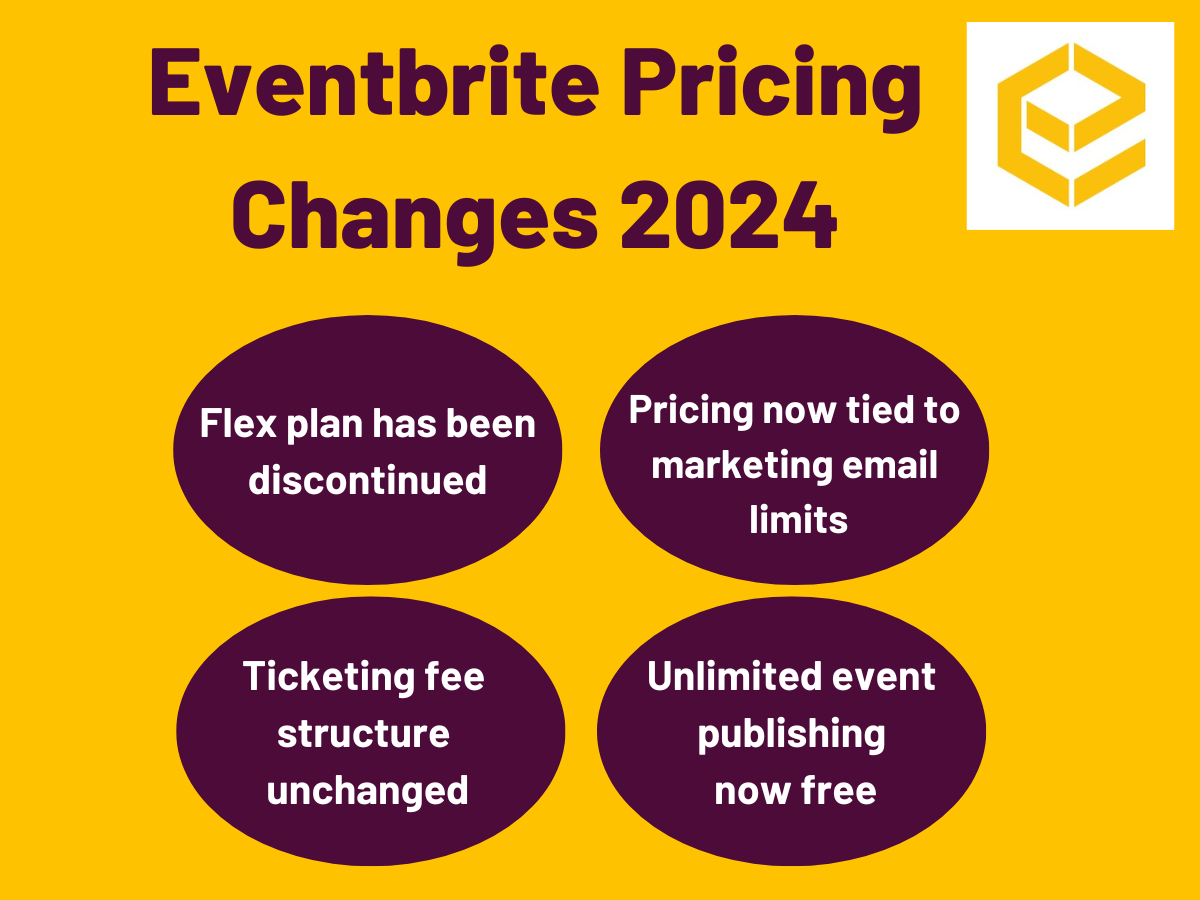
Heard of Eventbrite service fee? It’s a topic that’s been making waves in the event planning industry. As an event organizer, you may have encountered this term and wondered what it entails.
Editor’s Note: As of today’s date, we’ve published this comprehensive guide on Eventbrite service fee to help you understand its significance and make informed decisions.
Our team has conducted thorough analysis and gathered valuable information to provide you with this guide. Our aim is to equip you with the knowledge you need to navigate the complexities of Eventbrite service fees and optimize your event planning strategy.
Key Differences or Key Takeaways:
| Free | Essential | Professional | |
|---|---|---|---|
| Fees | No fees | 2% + $0.75 per ticket | 3.5% + $1.50 per ticket |
| Features | Basic event creation and management tools | Additional features such as custom branding and analytics | Advanced features such as priority support and payment processing |
Main Article Topics:
Eventbrite Service Fee
Eventbrite service fees are an important consideration for event organizers. Here are ten key aspects to keep in mind:
- Percentage-based: The fee is a percentage of the ticket price.
- Flat fee: There is also a flat fee per ticket.
- Tiered pricing: The fee varies depending on the ticket price.
- Payment processing: Eventbrite charges a fee for processing payments.
- Currency conversion: There is a fee for converting currencies.
- Tax reporting: Eventbrite provides tax reporting services for a fee.
- Custom branding: Organizers can pay a fee to add their own branding to the event page.
- Priority support: Organizers can pay a fee for priority support from Eventbrite.
- Analytics: Organizers can pay a fee for access to advanced analytics.
- Refund processing: Eventbrite charges a fee for processing refunds.
These fees can vary depending on the type of event, the number of tickets sold, and the services used. It is important to factor these fees into your event budget when using Eventbrite.
Percentage-based
Eventbrite service fees are calculated as a percentage of the ticket price. This means that the more expensive the ticket, the higher the service fee will be. The percentage varies depending on the type of event and the number of tickets sold. For example, the service fee for a free event is 0%, while the service fee for a paid event is 2% + $0.75 per ticket.
-
Facet 1: Impact on ticket pricing
The percentage-based fee structure can impact the pricing of tickets. Organizers need to factor in the service fee when setting ticket prices to ensure that they are making a profit. For example, if an organizer wants to make $10 per ticket, they will need to set the ticket price at $10.25 to cover the 2.5% service fee.
-
Facet 2: Comparison to flat fees
Percentage-based fees are different from flat fees. Flat fees are a fixed amount charged per ticket, regardless of the ticket price. Percentage-based fees are typically lower for low-priced tickets and higher for high-priced tickets. This can be an advantage for organizers of low-priced events, as they will pay a lower service fee.
-
Facet 3: Implications for event budgeting
Suggested read: Chesapeake Social Services: Everything Residents Need to Know
Organizers need to budget for Eventbrite service fees when planning their events. The service fee can be a significant expense, especially for large events with high-priced tickets. Organizers should factor the service fee into their budget to avoid any financial surprises.
Overall, the percentage-based fee structure of Eventbrite service fees can have a significant impact on event pricing and budgeting. Organizers need to be aware of the service fee and factor it into their planning.
Flat fee
In addition to the percentage-based fee, Eventbrite also charges a flat fee per ticket. This fee is a fixed amount and does not vary depending on the ticket price. The flat fee is currently $0.75 per ticket.
-
Facet 1: Impact on low-priced tickets
The flat fee can have a significant impact on the cost of low-priced tickets. For example, if an organizer wants to sell tickets for $5, the Eventbrite service fee would be $1.25 (2.5% + $0.75). This means that the organizer would only receive $3.75 per ticket sold.
-
Facet 2: Comparison to percentage-based fees
The flat fee is different from the percentage-based fee. The percentage-based fee is a percentage of the ticket price, while the flat fee is a fixed amount. This means that the flat fee is the same for all tickets, regardless of the ticket price.
-
Facet 3: Implications for event budgeting
Organizers need to budget for the flat fee when planning their events. The flat fee can be a significant expense, especially for events with a large number of low-priced tickets. Organizers should factor the flat fee into their budget to avoid any financial surprises.
Overall, the flat fee is an important component of Eventbrite service fees. Organizers need to be aware of the flat fee and factor it into their planning.
Tiered pricing
Within the Eventbrite service fee pricing model, tiered pricing is a multifaceted aspect that directly impacts event organizers’ bottom line. Understanding its nuances is crucial for optimizing event strategy and maximizing revenue.
-
Facet 1: Revenue optimization
Tiered pricing allows organizers to adjust service fees based on ticket price, enabling them to capture higher revenues from premium tickets while maintaining competitive pricing for lower-priced options. This flexibility empowers organizers to tailor their pricing strategy to different audience segments and maximize overall event profitability.
-
Facet 2: Attendee segmentation
Suggested read: Academy of Peer Services: Training & Certification for Mental Health Support
Tiered pricing facilitates the segmentation of attendees based on their willingness to pay. By offering a range of ticket prices, organizers can attract attendees from diverse economic backgrounds, ensuring a more inclusive and representative event experience.
-
Facet 3: Demand-based pricing
Eventbrite’s tiered pricing model allows organizers to adjust service fees based on ticket demand. During periods of high demand, organizers can increase service fees on popular ticket tiers to capture the increased willingness to pay. Conversely, during periods of lower demand, they can reduce service fees to stimulate sales.
-
Facet 4: Competitive analysis
Tiered pricing empowers organizers to analyze competitor pricing strategies and adjust their own service fees accordingly. By monitoring competitor ticket prices and service fees, organizers can position their event competitively and maximize revenue.
In summary, tiered pricing is an integral component of Eventbrite’s service fee structure, providing event organizers with the flexibility to optimize revenue, segment attendees, implement demand-based pricing, and stay competitive in the market.
Payment processing
Payment processing fees are an essential component of Eventbrite’s service fee structure. These fees cover the costs associated with processing payments made through the Eventbrite platform, including credit card processing, fraud prevention, and currency conversion.
The payment processing fee is a flat fee of 2.5% + $0.75 per ticket. This fee is applied to all tickets sold through Eventbrite, regardless of the ticket price or event type.
Organizers should factor the payment processing fee into their event budget when setting ticket prices. The fee can be a significant expense, especially for events with a large number of ticket sales.
Eventbrite offers a variety of payment processing options, including credit cards, debit cards, and PayPal. Organizers can choose the payment processing option that best suits their needs.
Payment processing fees can vary depending on the payment processing option chosen. Organizers should compare the fees charged by different payment processors before selecting a provider.
Currency conversion
When an event organizer uses Eventbrite to sell tickets in a currency other than their own, Eventbrite charges a currency conversion fee. This fee is a percentage of the ticket price and varies depending on the currencies being converted.
-
Facet 1: Impact on international events
The currency conversion fee can have a significant impact on the cost of international events. For example, if an organizer in the United States is selling tickets to an event in the United Kingdom, they will need to pay a currency conversion fee to convert the ticket prices from US dollars to British pounds. This fee can add up, especially if the event is large and there are a lot of ticket sales.
Suggested read: Why Universal Technical Services Are Essential for Modern Business Success in 2026
-
Facet 2: Comparison to other payment processors
Eventbrite’s currency conversion fee is comparable to the fees charged by other payment processors. However, some payment processors offer more favorable exchange rates than others. Organizers should compare the fees and exchange rates offered by different payment processors before selecting a provider.
-
Facet 3: Implications for event budgeting
Organizers need to budget for the currency conversion fee when planning their events. The fee can be a significant expense, especially for international events. Organizers should factor the fee into their budget to avoid any financial surprises.
Overall, the currency conversion fee is an important consideration for event organizers who are selling tickets in multiple currencies. Organizers should be aware of the fee and factor it into their planning.
Tax reporting
The tax reporting service provided by Eventbrite is an optional service that can be added to an event for a fee. This service can be beneficial for event organizers who need help with preparing and filing their event-related taxes.
Eventbrite’s tax reporting service includes the following features:
- Generation of tax reports
- Filing of tax returns
- Audit support
The fee for Eventbrite’s tax reporting service varies depending on the size and complexity of the event. Organizers should contact Eventbrite for a quote.
Eventbrite’s tax reporting service can be a valuable tool for event organizers who need help with their event-related taxes. The service can save organizers time and money, and can help them to avoid costly mistakes.
Here is an example of how Eventbrite’s tax reporting service can be used:
An event organizer is planning a large conference. The organizer is not familiar with the tax laws that apply to conferences. The organizer decides to use Eventbrite’s tax reporting service to help with the preparation and filing of the conference’s tax returns.
Eventbrite’s tax reporting service prepares the conference’s tax returns and files them with the appropriate tax authorities. The organizer does not have to worry about the complex tax laws that apply to conferences. The organizer also saves time and money by using Eventbrite’s tax reporting service.
Eventbrite’s tax reporting service is a valuable tool for event organizers who need help with their event-related taxes. The service can save organizers time and money, and can help them to avoid costly mistakes.
Custom branding
Custom branding is an important aspect of event marketing. It allows organizers to create a unique and memorable experience for their attendees. By adding their own branding to the event page, organizers can make their event stand out from the competition and attract more attendees.
Suggested read: Roof Coating Services: Transform and Protect Your Commercial Property Investment
Eventbrite offers a variety of custom branding options, including the ability to add a logo, banner, and custom colors to the event page. Organizers can also create their own custom URL for the event page.
The cost of custom branding varies depending on the options selected. Organizers can choose to purchase a single custom branding option or a package that includes multiple options.
Custom branding is a valuable tool for event organizers who want to create a unique and memorable experience for their attendees. By investing in custom branding, organizers can make their event stand out from the competition and attract more attendees.
Here is an example of how custom branding can be used to improve an event:
A company is planning a large conference. The company wants to create a unique and memorable experience for its attendees. The company decides to use Eventbrite’s custom branding options to add its own logo, banner, and custom colors to the event page. The company also creates its own custom URL for the event page.
The company’s custom branding makes the event page more visually appealing and memorable. The custom branding also helps the event to stand out from the competition. As a result, the company attracts more attendees to its conference.
Custom branding is a valuable tool for event organizers who want to create a unique and memorable experience for their attendees. By investing in custom branding, organizers can make their event stand out from the competition and attract more attendees.
| Feature | Benefit |
|---|---|
| Custom logo | Makes the event page more visually appealing and recognizable. |
| Custom banner | Provides a space for organizers to promote their event and share important information. |
| Custom colors | Allows organizers to match the event page to their brand identity. |
| Custom URL | Makes it easier for attendees to find the event page and share it with others. |
Priority support
Priority support is an important component of Eventbrite’s service fee structure. It provides event organizers with access to dedicated support staff who can help them with a variety of tasks, such as troubleshooting technical issues, managing ticket sales, and promoting their event.
The cost of priority support varies depending on the level of support required. Organizers can choose from three different levels of support: Basic, Standard, and Premium.
Basic support is included with all Eventbrite accounts. It provides organizers with access to self-help resources and community support. Standard support is a paid tier that provides organizers with access to email and phone support. Premium support is the highest level of support and provides organizers with access to 24/7 phone support and a dedicated account manager.
Priority support can be a valuable asset for event organizers who need help with their event. It can save organizers time and money by providing them with access to expert support staff who can help them with any issues that may arise.
Here is an example of how priority support can be used to improve an event:
A company is planning a large conference. The company wants to ensure that the event runs smoothly and that all of their attendees have a positive experience. The company decides to purchase priority support from Eventbrite.
The priority support team helps the company with a variety of tasks, such as troubleshooting technical issues, managing ticket sales, and promoting the event. The company is able to resolve issues quickly and efficiently, and the event is a success.
Suggested read: SALUTE Service Recovery Model: Transform Patient Dissatisfaction Into Loyalty and Trust
Priority support is a valuable tool for event organizers who want to ensure that their event is a success. By investing in priority support, organizers can save time and money and get the help they need to make their event a success.
| Support Level | Cost | Benefits |
|---|---|---|
| Basic | Free | Self-help resources and community support |
| Standard | Varies | Email and phone support |
| Premium | Varies | 24/7 phone support and a dedicated account manager |
Analytics
Advanced analytics are a powerful tool that can help event organizers to improve their events. By tracking key metrics, such as ticket sales, website traffic, and social media engagement, organizers can gain valuable insights into what is working well and what could be improved.
-
Facet 1: Understanding attendee behavior
Advanced analytics can help organizers to understand how attendees are interacting with their event. For example, organizers can track how many people are visiting the event website, which pages they are visiting, and how long they are staying on each page. This information can be used to improve the website’s design and content, and to make it easier for attendees to find the information they need.
-
Facet 2: Identifying marketing opportunities
Advanced analytics can help organizers to identify marketing opportunities. For example, organizers can track which marketing channels are generating the most ticket sales. This information can be used to focus marketing efforts on the most effective channels and to improve the return on investment.
-
Facet 3: Measuring event success
Advanced analytics can help organizers to measure the success of their event. For example, organizers can track how many people attended the event, how much revenue was generated, and what the attendee satisfaction rate was. This information can be used to improve the event in the future and to justify the cost of the event to stakeholders.
Advanced analytics are a valuable tool for event organizers who want to improve their events. By tracking key metrics, organizers can gain valuable insights into what is working well and what could be improved. This information can be used to make better decisions about event planning, marketing, and budgeting.
Refund processing
Eventbrite charges a fee for processing refunds, which is an important component of its service fee structure. Understanding this connection is crucial for event organizers to effectively manage their event finances and avoid unexpected costs.
The refund processing fee covers the administrative and operational costs associated with processing refunds, including verifying refund requests, updating ticket inventory, and issuing refunds to attendees. It is typically a flat fee per refund processed, regardless of the ticket price or the reason for the refund.
For event organizers, it is important to factor in the refund processing fee when setting ticket prices and budgeting for their events. Failing to account for this fee can result in reduced profit margins or unexpected expenses.
To minimize the impact of refund processing fees, event organizers can implement clear refund policies that outline the terms and conditions for refunds. This can help to reduce the number of refund requests and associated fees.
Additionally, organizers can consider offering partial refunds or alternative options, such as ticket exchanges or credits, to attendees who are unable to attend the event. This can help to reduce the number of full refunds and the associated processing fees.
Suggested read: Gas Fireplace Service: Expert Maintenance Solutions for Safety and Peak Performance
Eventbrite Service Fee FAQs
This section addresses frequently asked questions (FAQs) regarding Eventbrite’s service fee structure, providing clear and concise answers to help event organizers better understand and manage these fees.
Question 1: What is Eventbrite’s service fee?
Eventbrite’s service fee is a combination of a percentage-based fee and a flat fee per ticket. The percentage-based fee varies depending on the ticket price, while the flat fee is a fixed amount charged for each ticket sold.
Question 2: How can I calculate the Eventbrite service fee for my event?
To calculate the Eventbrite service fee for your event, simply multiply the ticket price by the percentage-based fee and add the flat fee per ticket. For example, if your ticket price is $10 and the Eventbrite service fee is 2.5% + $0.75 per ticket, the service fee would be $0.375 (2.5% of $10) + $0.75 = $1.125.
Question 3: Can I negotiate Eventbrite’s service fee?
Eventbrite’s service fee is generally non-negotiable. However, Eventbrite may offer discounted rates or fee waivers for certain types of events or non-profit organizations.
Question 4: What services are included in Eventbrite’s service fee?
Eventbrite’s service fee covers a range of services, including ticket processing, payment processing, customer support, and access to Eventbrite’s online event management tools.
Question 5: How can I minimize the impact of Eventbrite’s service fee?
There are several ways to minimize the impact of Eventbrite’s service fee. Consider offering tiered ticket pricing, implementing a refund policy, and exploring alternative ticketing platforms.
Question 6: Is Eventbrite’s service fee worth it?
Whether or not Eventbrite’s service fee is worth it depends on the specific needs and circumstances of your event. Eventbrite’s platform offers a range of features and services that can streamline event planning and management, but it is important to weigh the cost of the service fee against the value it provides.
Summary
Suggested read: AllTerrain Services: Expert Solutions for Every Landscape Challenge
Eventbrite’s service fee is an important consideration for event organizers. By understanding the fee structure, calculating the fee for your event, and exploring ways to minimize its impact, you can make informed decisions about using Eventbrite’s platform for your event ticketing and management needs.
Next Article Section: Understanding the Different Types of Eventbrite Fees
Eventbrite Service Fee Tips
Understanding and managing Eventbrite service fees is crucial for event organizers to optimize their event budgets and maximize profitability. Here are five key tips to help you navigate Eventbrite’s fee structure and minimize its impact on your event:
Tip 1: Calculate Fees Accurately
Accurately calculating Eventbrite service fees is essential for budgeting and pricing your event tickets. Use Eventbrite’s fee calculator or manually calculate the fees based on the ticket price and fee structure.
Tip 2: Explore Tiered Pricing
Eventbrite’s tiered pricing feature allows you to set different service fees for different ticket tiers. This can help you offset the impact of fees on lower-priced tickets while capturing higher fees from premium tickets.
Tip 3: Implement a Refund Policy
Implementing a clear refund policy can help reduce the number of refund requests and associated processing fees. Consider offering partial refunds or alternative options to minimize the impact of full refunds.
Tip 4: Compare Ticketing Platforms
Research and compare different ticketing platforms to find one that offers competitive service fees and features that meet your event needs. Remember to consider the overall value and benefits provided by each platform.
Tip 5: Negotiate with Eventbrite
While Eventbrite’s service fees are generally non-negotiable, you may be able to negotiate a discounted rate or fee waiver for certain types of events or non-profit organizations.
Conclusion
Suggested read: Local SEO Services by Garage2Global: Transform Your Business Visibility in 2026
By following these tips, event organizers can effectively manage Eventbrite service fees, optimize their event budgets, and ensure the financial success of their events.
Conclusion
Eventbrite service fees are an integral component of the event planning process, and understanding their implications is crucial for successful event execution. This comprehensive guide has explored the various aspects of Eventbrite service fees, providing valuable insights into their structure, calculation, and impact.
To navigate Eventbrite’s fee structure effectively, event organizers should consider the following key points:
- The fee structure consists of a percentage-based fee and a flat fee per ticket.
- Fees vary depending on ticket price, event type, and services used.
- Organizers should carefully consider the impact of fees on ticket pricing and budgeting.
- Exploring tiered pricing, implementing refund policies, and comparing ticketing platforms can help minimize the impact of fees.
By understanding Eventbrite service fees and implementing effective strategies to manage them, event organizers can optimize their event budgets, maximize profitability, and deliver successful events that meet their objectives.
Youtube Video:
