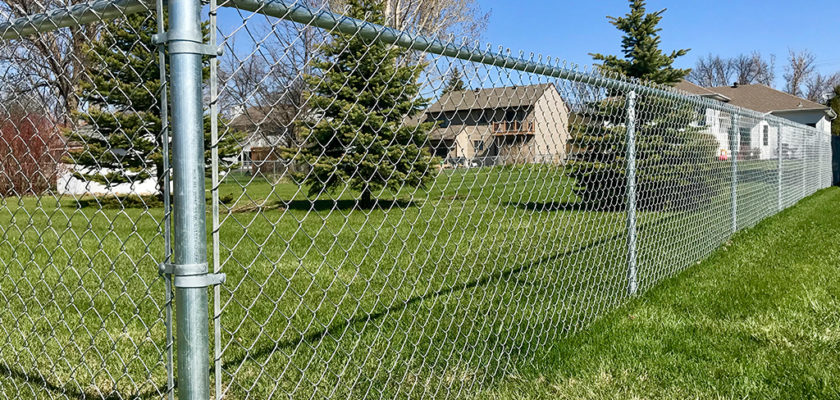
When it comes to securing your property with a durable, cost-effective, and reliable fencing solution, chain link services stand out as one of the most popular choices for both residential and commercial applications. Chain link fencing has been a trusted option for decades, offering an unbeatable combination of affordability, strength, and low maintenance requirements. Whether you’re a homeowner looking to secure your backyard, a business owner needing perimeter security, or a facility manager responsible for large-scale property protection, understanding the full scope of chain link fence services available can help you make informed decisions that protect your investment and meet your specific needs. Professional chain link fence installation and maintenance services provide expertise that ensures your fencing system performs optimally for years to come, offering peace of mind and long-term value.
What Are Chain Link Services?
Chain link services encompass a comprehensive range of professional solutions designed to meet all your chain link fencing needs from initial consultation to installation, repair, and ongoing maintenance. These services are provided by experienced fencing contractors who specialize in working with chain link materials, also known as cyclone fencing or wire netting. The scope of chain link fence services includes site assessment and measurement, custom design consultation based on your specific requirements, professional installation using industry-standard techniques, repair and restoration of existing fence systems, gate installation and automation, height modifications and extensions, coating and finishing applications for enhanced durability, and scheduled maintenance programs to extend the life of your fence. Professional service providers bring specialized tools, technical knowledge, and years of experience to ensure that your chain link fencing project is completed correctly, efficiently, and in compliance with local building codes and regulations.
The value of hiring professional chain link fencing services extends beyond simple installation. Experienced contractors understand the nuances of different soil types, terrain challenges, and environmental factors that can affect fence performance. They can recommend the appropriate gauge of wire, mesh sizing, post spacing, and coating options based on your specific application whether it’s residential property boundaries, commercial security perimeters, sports facilities, pool enclosures, temporary construction barriers, or industrial compound fencing. Professional installers also ensure proper tension in the chain link fabric, secure post setting using concrete footings, and correct gate alignment for smooth operation. This expertise prevents common problems like sagging fences, loose fabric, wobbly posts, and misaligned gates that often plague DIY installations or work performed by inexperienced contractors.
Types of Chain Link Fence Services Available
Residential Chain Link Services
Residential chain link services cater specifically to homeowners who need affordable, durable fencing solutions for their properties. These services typically include backyard fencing for pet containment, front yard boundary definition, garden and vegetable patch protection from wildlife, swimming pool enclosures that meet safety codes, privacy fencing with added slats or screening, decorative chain link in various colors and coatings, and repairs to existing residential fence systems. Residential chain link fencing offers homeowners excellent value because it provides security and boundary definition at a fraction of the cost of wood, vinyl, or wrought iron alternatives. Modern residential chain link fence services can also incorporate aesthetic enhancements such as colored vinyl coating in black, green, brown, or white to better match your home’s exterior, privacy slats in various materials and colors, decorative post caps and finials, and integration with landscaping features.
Professional residential chain link fence installers understand that homeowners have specific concerns about curb appeal, neighbor relations, and property values. They work closely with clients to design fencing solutions that balance functionality with aesthetics, ensuring that the chain link fence enhances rather than detracts from the property’s appearance. Many chain link service providers offer consultation services to help homeowners navigate homeowner association (HOA) requirements, local zoning regulations regarding fence height and placement, and property line verification to avoid boundary disputes. For homeowners with children or pets, residential chain link services can include smaller mesh sizing to prevent small animals from squeezing through, bottom rail installation to eliminate gaps at ground level, and self-closing, self-latching gates for enhanced safety around pool areas. You can explore related services and service categories at our comprehensive service directory, which includes information about cremation services of east alabama obituaries and other local service providers.
Commercial Chain Link Services
Commercial chain link services address the more demanding requirements of businesses, institutions, and industrial facilities that need robust security fencing solutions. These services include perimeter security fencing for warehouses and distribution centers, parking lot enclosures and designated parking areas, equipment storage yards and compound fencing, construction site temporary and permanent fencing, sports facilities including tennis courts and baseball fields, school playground and campus security fencing, utility and infrastructure protection, and high-security applications with barbed wire or razor wire toppings. Commercial chain link fence installations typically use heavier gauge wire, taller heights ranging from 6 to 12 feet or more, and more substantial post and framework systems compared to residential applications. The durability requirements for commercial fencing are significantly higher because these fences must withstand constant use, potential vandalism, attempted breaches, and harsh environmental conditions while providing reliable security year after year.
Suggested read: Professional Gutter Inspection Services: Protect Your Home from Water Damage in 2025
Professional commercial chain link fence services bring specialized knowledge about security standards, liability concerns, and industry-specific requirements. For example, fencing around electrical substations must meet different specifications than fencing around a retail parking lot or construction site. Commercial service providers can install access control integration points for card readers or keypads, automated gate systems with various opening mechanisms, anti-climb features including angled top sections or additional security toppings, and lighting integration for enhanced nighttime security. Many commercial clients require documentation including as-built drawings, compliance certifications, warranty information, and maintenance schedules. Professional chain link service companies provide this documentation and can work with architects, engineers, and security consultants to ensure that the fencing system meets all project specifications and regulatory requirements.
Key Components of Professional Chain Link Installation Services
Site Assessment and Preparation
The foundation of quality chain link services begins with thorough site assessment and preparation, which determines the success and longevity of the entire fencing installation. Professional contractors conduct comprehensive property surveys to identify property boundaries using survey stakes or legal descriptions, evaluate soil conditions and drainage patterns, locate underground utilities including water, gas, electric, and telecommunications lines, assess terrain challenges such as slopes, rocky ground, or uneven surfaces, and identify potential obstacles like trees, structures, or existing landscaping. This assessment phase is critical because it informs decisions about post placement, foundation requirements, and installation techniques. For example, areas with sandy or loose soil may require deeper post holes or concrete reinforcement, while rocky terrain might necessitate specialized equipment or alternative mounting methods. Proper site preparation also includes clearing vegetation, marking utility lines, establishing grade levels, and staging materials and equipment for efficient installation.
Professional chain link fence services understand that shortcuts during site preparation lead to problems down the road. Posts that aren’t set at proper depths become unstable, fences installed without considering drainage can suffer erosion and undermining, and failure to locate utilities can result in dangerous and costly accidents. Experienced contractors follow industry standards which typically call for corner and end posts to be set in concrete to depths of one-third to one-half the above-ground post height, line posts to be spaced according to the fence height and application (typically 8-10 feet apart for residential and closer for high-security commercial applications), and gate posts to receive extra reinforcement to handle the stress of gate operation. The site preparation phase may also include obtaining necessary permits, coordinating with homeowner associations or neighboring property owners, and scheduling inspections if required by local building codes. This attention to detail during the planning and preparation stages ensures that the installation proceeds smoothly and results in a fence that performs reliably for decades.
Material Selection and Customization
Selecting the appropriate materials is a crucial aspect of professional chain link services that directly impacts the performance, appearance, and longevity of your fence. Chain link fencing systems consist of several components including the chain link fabric (the woven wire mesh), framework posts (corner, end, line, and gate posts), top rail and bottom rail, fittings and hardware (tension bars, bands, post caps, rail ends), gates and gate hardware, and optional accessories like privacy slats, windscreen, or barbed wire. Each component comes in various specifications, and professional service providers help clients navigate these options to select materials that best suit their application and budget. The chain link fabric itself varies in wire gauge thickness (thicker gauges like 6 or 9 are stronger and more durable than thinner gauges like 11 or 11.5), mesh size (the opening size in the diamond pattern, typically ranging from 1 inch to 2.5 inches), height (common heights include 3, 4, 5, 6, 8, 10, and 12 feet), and coating type which significantly affects appearance and corrosion resistance.
Coating options for chain link fence services include galvanized steel which provides basic corrosion protection through a zinc coating, vinyl-coated or PVC-coated chain link available in multiple colors including black, green, brown, white, and tan for improved aesthetics and additional corrosion protection, and aluminized coating for harsh environments with high corrosion potential. The choice of coating affects both the initial cost and the long-term maintenance requirements of the fence. For example, vinyl-coated chain link typically costs 20-30% more than galvanized chain link but provides superior weather resistance and aesthetic appeal, making it a popular choice for residential applications where appearance matters. Posts and framework components also come in different materials including galvanized steel (most common and economical), powder-coated steel (offers color options and enhanced corrosion resistance), and aluminum (lightweight, won’t rust, ideal for coastal environments but more expensive). Professional chain link service providers maintain relationships with multiple suppliers and can source specialized materials for unique applications, such as stainless steel components for corrosive industrial environments or extra-heavy-duty materials for high-security installations.
Installation Process and Techniques
The actual installation phase of chain link services requires specialized knowledge, proper equipment, and attention to detail to ensure a professional result. The typical installation sequence begins with setting posts starting with corner and end posts which are installed in concrete and allowed to cure, followed by line posts which may be set in concrete or driven depending on soil conditions and application, and finally gate posts with additional reinforcement. Post installation must account for precise spacing, plumb alignment (perfectly vertical), and proper depth to create a stable framework. Once posts are set and framework is complete, installers attach top rail which runs through post caps connecting the posts and providing support for the top of the chain link fabric, tension wire or bottom rail if specified which runs along the bottom of the fence, and prepare for fabric installation. Professional installers use specialized tools including fence stretchers to properly tension the chain link fabric, tension bars to secure the fabric to posts, and various fasteners and fittings to connect all components securely.
The chain link fabric installation in professional chain link fence services requires skill and experience to achieve proper tension and appearance. Installers unroll the fabric along the fence line, attach one end to a corner or end post using a tension bar threaded through the fabric and secured with bands, stretch the fabric using a mechanical stretcher or come-along to remove any slack and create uniform tension across the entire fence line, and secure the fabric to each line post using wire ties spaced approximately 12-18 inches apart and attach to the top rail. Proper tensioning is critical because loose fabric sags and looks unprofessional while over-tensioned fabric can distort or damage posts. Gate installation requires precise measurements and alignment to ensure smooth operation, with the gate frame hung so that there is appropriate clearance from the ground (typically 1-2 inches) to prevent dragging, the latch side aligns properly with the latch post for secure closure, and hinges are installed with adequate strength to support the gate weight. Professional installers also make final adjustments including trimming excess fabric, securing all connections, installing post caps to prevent water infiltration, and adding any accessories like privacy slats or tension wire. Quality chain link service providers conduct a final inspection to verify that the installation meets their standards and addresses any concerns before considering the project complete.
Chain Link Fence Repair and Restoration Services
Common Chain Link Fence Problems
Even well-installed chain link fencing eventually requires repair and maintenance, which is why comprehensive chain link services include repair and restoration capabilities. Common problems that develop in chain link fences include sagging or loose fabric caused by improper initial tension, aging and wear, damage from impact, or soil settlement that shifts posts; damaged or corroded posts resulting from rust and corrosion especially at ground level, impact damage from vehicles or equipment, or improper installation without adequate concrete footings; broken or bent fabric from climbing or cutting, animal pressure,
impact from falling branches or debris, or vandalism; gate problems including misalignment, worn hinges, broken latches, or sagging that prevents proper closure; and rust and corrosion particularly in coastal environments or areas with harsh weather, on galvanized fencing past its protective coating lifespan, or at connection points where different metals contact each other. Addressing these problems promptly prevents them from worsening and extends the overall life of your fencing investment.
Professional chain link fence repair services begin with a thorough assessment to diagnose the root cause of problems and recommend appropriate solutions. For example, a sagging fence might be caused by loose fabric that needs re-tensioning, damaged posts that require replacement, or foundation settlement that necessitates post re-setting. Experienced repair technicians understand these distinctions and provide honest assessments rather than recommending unnecessary replacements. Small sections of damaged fabric can often be repaired by splicing in new sections, while more extensive damage might require replacing entire sections between posts.
Corroded posts can sometimes be reinforced with sleeves or sister posts, but posts with significant structural compromise should be replaced to ensure fence stability. Gate repairs might involve simple adjustments to restore proper alignment, replacement of worn hardware like hinges and latches, or in some cases, full gate replacement if the frame has become twisted or compromised. The cost-effectiveness of repair versus replacement depends on the extent of damage, the age and overall condition of the fence, and whether repairs will provide adequate longevity to justify the investment.
Fence Enhancement and Upgrade Services
Beyond basic repairs, many chain link services providers offer enhancement and upgrade options to improve the functionality, security, or appearance of existing chain link fences. Height extensions add additional height to existing fences by installing extension posts or adding fabric sections above the original top rail, useful for increased security or adapting to changed requirements without complete fence replacement.
Suggested read: Integrated Service Solutions: Transforming Business Operations Through Unified Management
This is particularly common for commercial facilities that need to meet new security standards or residential properties where nearby construction has reduced privacy. Privacy enhancements transform standard chain link fencing through various methods including privacy slats in numerous colors and materials that weave through the chain link mesh providing up to 90% visual screening, windscreen fabric that ties to the fence and blocks visibility while reducing wind passage, hedge strips that create a natural appearance, and living fences using climbing vines or plants grown on the chain link structure. These privacy solutions allow property owners to enjoy the security and durability of chain link while achieving the visual screening typically associated with solid fencing materials.
Security upgrades available through professional chain link fence services include barbed wire or razor wire additions along the top of fencing for high-security applications, increased height modifications to make the fence more difficult to scale, smaller mesh size fabric replacement to prevent smaller intrusions, and integration with electronic security systems. Gate automation represents a significant upgrade option that converts manual gates to automated operation using various technologies including sliding gate operators for wide openings common in commercial applications, swing gate operators for single or double gates, access control integration with card readers, keypads, or remote controls, and safety features like photo eyes and automatic reverse mechanisms.
Coating restoration services can extend the life of aging chain link fences through treatments like zinc-rich paint application to galvanized fencing showing rust, vinyl coating application to uncoated or deteriorating fences, and powder coating for framework components. These enhancement services allow property owners to maximize their existing fence investment rather than replacing functional fencing that simply needs updating to meet changed needs or preferences.
Cost Factors and Pricing for Chain Link Services
Price Variables and Considerations
Understanding the cost structure of chain link services helps property owners budget appropriately and make informed decisions about fencing projects. Several factors influence the total cost of chain link fence installation including fence height (taller fences require more material and labor, with costs typically increasing 20-30% for each additional foot of height), total linear footage (longer fence runs spread fixed costs like mobilization and setup across more feet reducing per-foot costs),
material specifications (heavier gauge wire, vinyl coating, and premium posts increase material costs by 30-100% compared to basic galvanized options), site conditions (difficult terrain, rocky soil, or limited access increase labor costs and equipment needs), gate requirements (number, size, and complexity of gates with automated gates significantly increasing project costs), and local labor rates which vary by region and market conditions.
Additional factors include permit fees required by many municipalities, removal and disposal of existing fencing if present, concrete requirements for post setting, and accessories like privacy slats or barbed wire.
As a general pricing framework for chain link fence services, residential chain link fence installation typically costs between $8-$40 per linear foot depending on specifications, with basic galvanized 4-foot fencing at the lower end and vinyl-coated 6-foot privacy fencing with enhancements at the higher end. Commercial chain link installations generally range from $12-$50+ per linear foot reflecting the heavier materials, greater heights, and more complex requirements typical of commercial applications.
Gate installations add to these costs with simple walk gates costing $150-$500 including installation, double drive gates ranging from $500-$2,000, and automated gate systems starting at $2,000-$5,000 for basic systems and reaching $10,000+ for sophisticated access control installations. Repair services typically charge $75-$150 per hour for labor plus materials, though simple repairs like re-tensioning fabric or replacing a section might be quoted as flat rates of $200-$600. Property owners should obtain multiple quotes from licensed and insured chain link service providers, ensuring that quotes are detailed and specify materials, labor, timeline, warranty terms, and what is and isn’t included in the quoted price.
Return on Investment and Value Considerations
When evaluating chain link services, property owners should consider the return on investment and long-term value beyond just the initial installation cost. Chain link fencing offers excellent ROI compared to alternative fencing types because of its exceptional durability with properly installed and maintained chain link fences lasting 20-30 years or more, low maintenance requirements needing only occasional inspection and minor repairs unlike wood fencing that requires regular painting or staining, reliable security deterring trespassing and clearly defining property boundaries, and affordable initial cost typically 40-70% less than comparable footage of wood privacy fencing or vinyl fencing.
For commercial properties, quality chain link fencing provides quantifiable value through liability reduction by preventing unauthorized access to potentially hazardous areas, theft deterrence through visible security barriers, insurance benefits with some insurers offering premium reductions for properties with adequate security fencing, and regulatory compliance meeting codes for pool barriers, equipment storage, and other regulated applications.
The value proposition of professional chain link fence services versus DIY installation or hiring unlicensed contractors is significant when considering the total picture. Professional installation typically costs 30-50% more than DIY in materials alone but includes expertise that prevents costly mistakes, proper tensioning and alignment that ensures good appearance and longevity, compliance with building codes avoiding fines or required rebuilds, warranty coverage on both materials and workmanship, and liability insurance protecting property owners from accidents during installation.
Many property owners who initially consider DIY chain link installation ultimately hire professionals after realizing the challenges involved in setting posts, achieving proper tension, and creating a professional-looking result. Similarly, hiring unlicensed or inexperienced contractors to save money often leads to problems including poor-quality workmanship requiring eventual redo, lack of warranty or insurance coverage, non-compliance with codes, and no recourse if problems develop. Investing in quality chain link services from established, licensed contractors provides peace of mind and ensures that your fencing investment performs as expected throughout its lifespan.
Suggested read: Salesforce Managed Services: Transform Your CRM Investment into Business Growth
Choosing the Right Chain Link Service Provider
Credentials and Qualifications to Verify
Selecting a qualified chain link services provider is crucial for ensuring a successful fencing project. Property owners should verify several key credentials and qualifications before hiring a contractor including licensing and permits (confirming the contractor holds appropriate business licenses and contractor licenses required in your jurisdiction), insurance coverage (requesting certificates of insurance for both general liability and workers’ compensation protecting you from liability for accidents), experience and specialization (prioritizing contractors who specialize in chain link fencing rather than general contractors who occasionally install fences), references and portfolio (asking for recent customer references and viewing photos or examples of completed installations), and warranty terms (understanding what warranties apply to materials and workmanship and the duration of coverage).
Reputable chain link fence service providers willingly provide this documentation and welcome questions about their qualifications, viewing it as a sign of an informed and serious customer.
Beyond basic credentials, evaluate potential chain link service contractors based on their professionalism and business practices including written estimates that detail scope of work, materials, timeline, and costs with no surprise charges, clear communication responding promptly to inquiries and explaining options clearly, knowledge demonstration through ability to answer technical questions and recommend appropriate solutions, professional appearance maintaining organized work sites and using proper equipment and safety gear, and proper contracts that protect both parties and clearly specify terms, responsibilities, and resolution procedures.
Warning signs of problematic contractors include unusually low bids that may indicate cut corners or hidden costs, pressure tactics or limited-time offers designed to prevent due diligence, requests for full payment upfront (never pay more than 30-50% as a deposit), lack of physical business address or inability to provide proof of insurance, and unwillingness to provide references or detailed written estimates. Taking time to thoroughly vet potential contractors and checking references can prevent the frustration and expense of dealing with poor quality work or problematic business relationships.
Questions to Ask Potential Service Providers
Property owners should come prepared with relevant questions when interviewing potential chain link services contractors. Important questions include: How long have you been providing chain link fence installation services and how many similar projects have you completed? Can you provide references from recent customers, particularly those with projects similar to mine? What specific materials and brands do you recommend for my application and why? How do you handle unexpected site conditions or problems discovered during installation? What is your typical timeline for a project of this size and what factors might affect the schedule?
Do you obtain necessary permits or is that the property owner’s responsibility? What warranty do you provide on materials and workmanship and what does it cover? How do you handle payment scheduling and what forms of payment do you accept? Will you provide a written contract detailing scope, materials, timeline, and costs? And what happens if I’m not satisfied with the completed work? Professional contractors welcome these questions and provide clear, detailed answers that demonstrate their expertise and commitment to customer satisfaction.
Additional considerations when selecting chain link fence services include the contractor’s approach to customer service such as whether they conduct thorough site consultations and offer design assistance, their flexibility in accommodating schedule preferences and minimizing disruption, their cleanup and site restoration practices at project completion, and their availability for follow-up service or future maintenance needs. Some contractors offer additional value-added services like assistance with HOA approval processes, coordination with utility companies for line location, design visualization tools or drawings, and maintenance contracts or periodic inspection services.
Local contractors often provide advantages over large national chains including familiarity with local codes and regulations, established relationships with local suppliers ensuring material availability, community reputation that incentivizes quality work, and accessibility for warranty service or future needs. Making an informed selection based on qualifications, professionalism, and compatibility with your needs ensures a positive experience and successful outcome for your chain link services project.
Maintenance and Care for Chain Link Fences
Routine Maintenance Best Practices
Proper maintenance maximizes the lifespan and performance of chain link fencing, and many chain link services providers offer maintenance programs or can recommend best practices for DIY care. Routine maintenance tasks include regular inspections conducted at least twice annually to identify developing problems early, focusing on post stability (checking for looseness or lean), fabric condition (looking for tears, rust, or sagging), gate function (testing operation and hardware), and framework integrity (examining connections and structural components).
Cleaning improves appearance and prevents deterioration by removing accumulated dirt, vegetation, and debris that trap moisture, addressing rust spots promptly with wire brushing and touch-up paint, and washing with mild soap and water or a garden hose to remove grime and pollutants. Vegetation management prevents damage by trimming trees and shrubs that contact or overhang the fence, preventing vine growth that adds weight and traps moisture, and maintaining clearance around the fence base for inspection and maintenance access.
Specific maintenance tasks for chain link fencing services include tensioning adjustments when fabric becomes loose over time due to temperature changes or settlement, addressed by re-tensioning with a fence stretcher or tightening existing tension wire; rust treatment especially at posts near ground level and at connection points, involving wire brushing to remove loose rust, treating with rust converter or inhibitor, and applying protective coating like zinc-rich paint;
lubrication of gates and hardware using appropriate lubricants on hinges, latches, and automated gate components to ensure smooth operation and prevent accelerated wear; and seasonal preparations such as inspecting for damage after severe weather, removing snow accumulation that can stress fabric and framework, and addressing any settling or shifting due to freeze-thaw cycles.
Suggested read: Understanding the Department of the Treasury Bureau of the Fiscal Service: Your Complete Resource for Federal Financial Operations
Property owners who stay on top of these routine tasks can significantly extend fence life, often doubling the effective lifespan compared to neglected fencing. Professional chain link services companies can provide maintenance agreements that include scheduled inspections and routine care, ideal for commercial properties or property owners who prefer professional oversight of their fencing investment.
Industry Applications of Chain Link Services
Chain link fencing serves diverse applications across multiple industries, demonstrating the versatility of professional chain link services. In athletics and recreation, chain link fences surround tennis courts, baseball fields, basketball courts, playground equipment, and sports complexes, requiring specialized knowledge of sports facility standards and player safety considerations. The education sector relies on chain link fencing for school perimeter security, playground containment, athletic facility fencing, and protecting restricted areas like mechanical equipment or storage compounds, with installations needing to balance security with aesthetic considerations for the learning environment.
Industrial and manufacturing facilities use heavy-duty chain link fencing for perimeter security, equipment yards, materials storage, hazardous area containments, and access control points, often incorporating high-security features like additional height, smaller mesh, and security toppings.
The construction industry makes extensive use of temporary and permanent chain link fence services including temporary fencing for site security and public safety, debris containment fencing, equipment storage areas, and permanent fencing for completed facilities. Government and infrastructure applications include fencing for water treatment facilities, electrical substations and transformer yards, telecommunications facilities, municipal yards and storage areas, and transportation infrastructure like airports, rail yards, and highway maintenance facilities.
These specialized applications require contractors with understanding of specific regulatory requirements, security standards, and industry best practices. Agricultural and livestock operations use chain link fencing for property boundaries, equipment storage, livestock runs and pens, garden and crop protection, and containment of farming operations. The multifamily residential sector including apartments, condominiums, and homeowner associations utilizes chain link services for pool enclosures, playground areas, dumpster enclosures, perimeter security, and separating different use areas within properties. Each of these applications has unique requirements that professional chain link service providers understand and address through appropriate material selection, installation techniques, and customization.
Frequently Asked Questions About Chain Link Services
What are chain link services and what do they include? Chain link services encompass all professional solutions related to chain link fencing including consultation and design, installation of new fences, repair and restoration of existing fences, enhancement and upgrade services, maintenance programs, and specialized applications for residential, commercial, and industrial properties.
How much do chain link services typically cost? Residential chain link fence installation typically ranges from $8-$40 per linear foot depending on height, materials, and specifications, while commercial installations range from $12-$50+ per linear foot. Gate installations, repairs, and enhancements have separate pricing based on scope and complexity.
How long does chain link fence installation take? Most residential chain link fence installations are completed in 1-3 days depending on property size and complexity, while larger commercial projects may take several days to weeks. Timeline factors include site preparation needs, concrete curing time for posts, permitting requirements, and weather conditions.
What is the lifespan of a professionally installed chain link fence? Properly installed and maintained chain link fences typically last 20-30 years or more. Vinyl-coated chain link may last longer than galvanized in corrosive environments, while heavy-duty commercial fencing with premium materials can exceed 30 years of service life.
Can chain link services add privacy to my fence? Yes, professional chain link services can enhance privacy through various methods including privacy slats woven through the mesh (providing up to 90% visual screening), windscreen fabric, hedge strips, and encouraging climbing plants or vines to grow on the fence structure.
Do I need a permit for chain link fence installation? Permit requirements vary by location, but many municipalities require permits for fences over a certain height (commonly 6 feet) or within specific setback distances from property lines. Professional chain link services providers are familiar with local requirements and can often handle permit applications.
What is the difference between galvanized and vinyl-coated chain link? Galvanized chain link features a zinc coating for corrosion protection and has a silver metallic appearance, while vinyl-coated (PVC-coated) chain link has an additional colored plastic coating providing enhanced corrosion resistance, improved aesthetics with color options, and costs typically 20-30% more than galvanized.
Suggested read: How a Plumbing Answering Service Can Transform Your Business and Boost Revenue in 2026
Can existing chain link fences be repaired or must they be replaced? Many chain link fence problems can be repaired cost-effectively including re-tensioning loose fabric, replacing damaged sections, repairing or replacing posts, fixing gates, and addressing rust. Complete replacement is only necessary when structural integrity is compromised or repair costs approach replacement costs.
How do I maintain my chain link fence? Basic maintenance includes conducting semi-annual inspections, keeping vegetation trimmed away from the fence, promptly addressing rust spots with wire brushing and touch-up paint, washing periodically to remove dirt and grime, and ensuring gates operate smoothly with proper lubrication.
What should I look for when choosing a chain link services provider? Verify that contractors are licensed and insured, have specific experience with chain link fencing, can provide references and examples of completed work, offer written estimates and contracts, provide warranties on materials and workmanship, and demonstrate professional communication and business practices.
Ready to Get Started With Professional Chain Link Services?
Now that you understand the comprehensive scope and value of professional chain link services, it’s time to take the next step in protecting and enhancing your property. Whether you need new fence installation, repairs to existing fencing, security upgrades, or privacy enhancements, working with qualified chain link fence professionals ensures quality results and long-term satisfaction. Don’t settle for substandard installation or attempt complex fencing projects without proper expertise—invest in professional chain link services that deliver durability, security, and peace of mind.
Contact licensed chain link fence contractors in your area today to schedule a consultation, receive detailed estimates, and begin your fencing project. Quality chain link services from experienced professionals provide the foundation for fencing that protects your property and serves you reliably for decades to come, making it one of the smartest investments you can make in your residential or commercial property.
Citation: Information about chain link services, materials, and best practices compiled from industry standards established by the American Fence Association and professional fencing contractors with decades of combined experience in residential and commercial fence installation.