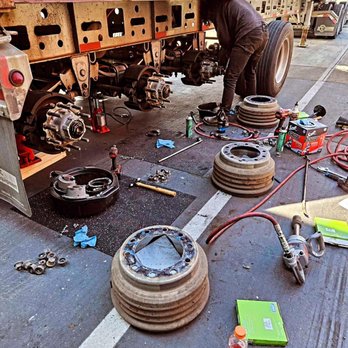
When you operate a commercial vehicle fleet in Puyallup, Washington, keeping your trucks, vans, and service vehicles running smoothly isn’t just about avoiding breakdowns—it’s about protecting your bottom line, ensuring driver safety, and maintaining your business reputation. Fleet service Puyallup providers understand the unique challenges that local businesses face, from navigating Pierce County’s diverse terrain to managing the seasonal weather changes that can impact vehicle performance.
Whether you’re managing a small delivery operation with three vehicles or overseeing a large logistics company with dozens of trucks, professional fleet maintenance services can make the difference between profitable operations and costly downtime. This comprehensive resource will explore everything you need to know about fleet services in the Puyallup area, including what services are available, how to choose the right provider, and strategies for optimizing your fleet’s performance and longevity.
What Is Fleet Service in Puyallup?
Fleet service Puyallup encompasses a wide range of maintenance, repair, and management solutions specifically designed for businesses operating multiple commercial vehicles. Unlike traditional automotive repair shops that primarily serve individual car owners, fleet service providers in Puyallup specialize in the unique needs of commercial operations. These services typically include preventive maintenance programs, emergency repair services, fuel management, vehicle tracking systems, and comprehensive fleet management consulting. The goal is to minimize vehicle downtime, extend the lifespan of your fleet assets, and reduce overall operating costs through strategic maintenance planning and efficient repair services.
Professional fleet service providers in Puyallup work with various vehicle types including delivery vans, cargo trucks, refrigerated vehicles, construction equipment, service vehicles, and passenger transport vans. They understand that when one vehicle is out of service, it can disrupt your entire operation, delay deliveries, disappoint customers, and potentially cost you thousands of dollars in lost revenue. That’s why fleet service Puyallup companies often offer 24/7 emergency services, mobile repair units that come to your location, and priority scheduling for fleet customers. These providers also maintain relationships with parts suppliers to ensure quick access to the components needed for repairs, reducing the time your vehicles spend off the road.
The Puyallup area presents specific challenges for fleet operations that local service providers understand intimately. The region experiences significant rainfall, winter conditions that can affect vehicle performance, and diverse terrain ranging from urban streets to rural routes. Fleet service providers in Puyallup factor these environmental considerations into their maintenance recommendations and service schedules. For example, they might suggest more frequent brake inspections for fleets operating in hilly areas or enhanced undercarriage protection for vehicles regularly exposed to wet conditions and road salt.
Essential Fleet Maintenance Services Available in Puyallup
Preventive Maintenance Programs
Preventive maintenance forms the foundation of effective fleet management, and fleet service Puyallup providers offer comprehensive programs tailored to your specific vehicle types and usage patterns. These programs include scheduled oil changes, fluid level checks, filter replacements, tire rotations, brake inspections, and multi-point vehicle inspections conducted at predetermined intervals based on mileage or time. The primary benefit of preventive maintenance is catching small issues before they escalate into major problems that could sideline your vehicles for days or weeks. For instance, replacing worn brake pads during a scheduled maintenance visit costs a fraction of what you’d pay to repair damaged rotors, calipers, and brake lines after a complete brake system failure.
Research from the American Transportation Research Institute shows that fleets with robust preventive maintenance programs experience up to 45% fewer roadside breakdowns and reduce their overall maintenance costs by 20-30% compared to reactive maintenance approaches. Fleet service providers in Puyallup use sophisticated scheduling software to track each vehicle’s maintenance history, monitor service intervals, and send automated reminders when service is due. This systematic approach ensures that no vehicle falls through the cracks and that all maintenance is performed consistently across your entire fleet. Many providers also offer detailed reporting that helps fleet managers analyze maintenance trends, identify problem vehicles, and make informed decisions about vehicle replacement timing.
Diagnostic and Repair Services
When fleet vehicles do experience problems, fleet service Puyallup technicians utilize advanced diagnostic equipment to quickly identify issues and implement effective repairs. Modern commercial vehicles contain complex electronic systems, sensors, and computer controls that require specialized diagnostic tools and training to troubleshoot properly. Fleet service centers invest in manufacturer-specific diagnostic software, scan tools, and equipment that can interface with your vehicles’ onboard computers to read trouble codes, monitor system performance, and pinpoint the root causes of problems. This technology-driven approach reduces diagnostic time and ensures that repairs address the actual problem rather than just symptoms.
Common repair services provided by fleet maintenance facilities in Puyallup include:
- Engine repairs and rebuilds for diesel and gasoline powerplants
- Transmission service including fluid changes, filter replacement, and major overhauls
- Brake system repairs covering all components from pads to ABS systems
- Electrical system diagnostics and repair including alternators, starters, and wiring
- Suspension and steering repairs to maintain vehicle handling and safety
- HVAC system service to keep drivers comfortable year-round
- Exhaust system repairs including catalytic converters and diesel particulate filters
- Cooling system maintenance to prevent overheating issues
Fleet service centers in Puyallup recognize that downtime equals lost revenue for your business, so they prioritize efficient service delivery. Many facilities offer expedited service for urgent repairs, maintain extensive parts inventories to avoid delays waiting for components, and employ experienced technicians who can work efficiently without sacrificing quality. Some providers also offer loaner vehicles or rental services to keep your operations running while vehicles undergo repairs.
Suggested read: Understanding the Department of the Treasury Bureau of the Fiscal Service: Your Complete Resource for Federal Financial Operations
Tire Services and Management
Tire management represents a significant expense for fleet operations, but proper tire maintenance through fleet service Puyallup providers can substantially reduce costs while improving safety and fuel efficiency. Comprehensive tire services include rotation, balancing, alignment, inspection, repair, and replacement. Fleet service centers track tire wear patterns across your fleet to identify vehicles with alignment issues, drivers who may need coaching on proper driving techniques, or routes that are particularly hard on tires. This data-driven approach helps optimize tire life and reduce premature replacement costs.
Tire pressure management is another critical service offered by fleet maintenance facilities. Under-inflated tires increase rolling resistance, which reduces fuel economy by up to 3% and accelerates tire wear. They also generate excess heat that can lead to blowouts and dangerous roadside emergencies. Fleet service Puyallup providers often use automated tire pressure monitoring systems and conduct regular pressure checks to ensure all vehicles maintain optimal tire pressure. Some advanced facilities offer nitrogen tire inflation, which maintains more consistent pressure across temperature changes and extends tire life by reducing internal moisture and oxidation.
Key Benefits of Professional Fleet Service in Puyallup
Reduced Operating Costs
Partnering with professional fleet service Puyallup providers delivers substantial cost savings through multiple mechanisms that compound over time to significantly impact your bottom line. Preventive maintenance prevents expensive breakdowns, scheduled service costs less than emergency repairs, bulk purchasing power reduces parts costs, and efficient service scheduling minimizes downtime expenses. Fleet service centers also help optimize fuel efficiency through proper maintenance of engines, transmissions, tires, and other systems that affect how much fuel your vehicles consume. Even small improvements in fuel economy across a fleet of 10 vehicles can save thousands of dollars annually.
Industry data indicates that well-maintained commercial vehicles deliver 12-18% better fuel economy than poorly maintained vehicles. For a fleet consuming 50,000 gallons of fuel annually, improving fuel efficiency by just 10% would save 5,000 gallons. At $4 per gallon, that translates to $20,000 in annual fuel savings—money that flows directly to your profit. Fleet service providers in Puyallup help achieve these savings by ensuring engines run at peak efficiency, tires are properly inflated, air filters are clean, and all systems operate as designed. They also track fuel consumption data to identify vehicles or drivers that deviate from expected performance, allowing targeted interventions to improve efficiency.
Enhanced Safety and Compliance
Safety represents both a moral imperative and a business necessity for fleet operators, and professional fleet service Puyallup providers play a crucial role in keeping your vehicles and drivers safe. Regular maintenance inspections identify worn brake components, tire problems, steering issues, lighting defects, and other safety concerns before they cause accidents. This proactive approach protects your drivers, other road users, and your company from the devastating consequences of preventable crashes including injuries, fatalities, lawsuits, insurance claims, and damage to your business reputation.
Fleet service centers also help ensure your vehicles comply with Department of Transportation (DOT) regulations, emissions requirements, and other applicable standards. DOT inspections examine critical safety systems and require documentation of regular maintenance activities. Fleet service Puyallup providers understand these requirements and structure their maintenance programs to ensure compliance while minimizing the administrative burden on your team. They maintain detailed service records that satisfy auditors and inspectors, document all safety-related repairs, and help you stay ahead of regulatory changes that might affect your operation.
Improved Fleet Reliability and Uptime
Vehicle reliability directly impacts your ability to serve customers, meet deadlines, and maintain your business reputation, making it one of the most valuable benefits delivered by fleet service Puyallup professionals. When vehicles are properly maintained according to manufacturer specifications and best practices, they simply don’t break down as often. This reliability allows you to confidently commit to delivery schedules, service appointments, and other customer obligations without worrying about vehicle failures disrupting your plans. It also improves driver satisfaction since drivers prefer operating reliable equipment that doesn’t leave them stranded on the side of the road dealing with breakdowns.
Studies by fleet management organizations show that proactive maintenance programs reduce unexpected breakdowns by 40-50% compared to reactive approaches where vehicles are only serviced when problems occur. This improvement in reliability translates to higher vehicle availability, more productive use of your fleet assets, and better customer service. Fleet service providers in Puyallup achieve these results through systematic inspection programs that catch problems early, quality repairs performed to manufacturer standards, and comprehensive record-keeping that ensures no maintenance tasks are overlooked or delayed beyond their recommended intervals.
Choosing the Right Fleet Service Provider in Puyallup
Experience with Commercial Vehicles
When selecting a fleet service Puyallup partner, prioritize providers with extensive experience working on commercial vehicles similar to those in your fleet. Commercial trucks and vans differ significantly from passenger vehicles in their construction, components, maintenance requirements, and repair procedures. Technicians need specialized training and experience to work effectively on commercial powertrains, heavy-duty brake systems, air suspension systems, and other commercial vehicle systems. Ask potential service providers about their technicians’ certifications, their experience with your specific vehicle makes and models, and whether they regularly attend training programs to stay current with evolving vehicle technologies.
The best fleet service centers employ ASE-certified technicians who have demonstrated competency in various automotive and commercial vehicle specialties through rigorous testing. Look for Master Certified Technicians who have achieved certification in multiple areas, as this indicates a broad knowledge base and commitment to professional excellence. Also inquire about manufacturer-specific certifications for the brands in your fleet, as these programs provide detailed technical training on particular vehicle systems and access to manufacturer support resources. Experience matters because commercial vehicle repairs often involve complex troubleshooting, specialized tools, and detailed knowledge of how different systems interact.
Service Capabilities and Facilities
Evaluate the service capabilities and facility features offered by fleet service Puyallup providers to ensure they can meet all your maintenance and repair needs. Consider whether the facility has adequate bay space to service multiple vehicles simultaneously, which reduces wait times and accommodates urgent repairs even when the shop is busy. Check if they have the necessary equipment including lifts rated for commercial vehicles, alignment machines capable of handling trucks and vans, brake lathes, tire changers sized for commercial tires, and specialized diagnostic tools. Facilities should also maintain clean, organized work environments that suggest professionalism and attention to detail.
Key facility features to look for include:
- Multiple service bays with commercial-grade equipment
- Parts department with inventory of common commercial vehicle components
- Mobile service capabilities for on-site emergency repairs
- After-hours service availability for urgent situations
- Climate-controlled facilities for comfortable year-round operations
- Customer waiting areas with amenities
- Secure parking for vehicles awaiting service
- Wash facilities for vehicle cleaning services
Maintenance Tracking and Reporting
Modern fleet service Puyallup providers utilize sophisticated software systems to track vehicle maintenance histories, schedule upcoming services, and generate detailed reports that help you manage your fleet more effectively. These systems record every service visit, parts replaced, repairs performed, costs incurred, and recommendations for future service. This comprehensive documentation serves multiple purposes including satisfying regulatory requirements, supporting warranty claims, providing data for vehicle lifecycle management decisions, and enabling analysis of maintenance trends across your fleet. Ask potential service providers to demonstrate their maintenance tracking capabilities and explain what reports they can provide to support your fleet management activities.
The most valuable reporting includes vehicle-specific maintenance histories that show everything done to each vehicle throughout its service life, cost analysis reports that break down maintenance expenses by vehicle or category to identify areas for improvement, and predictive maintenance alerts that use historical data and manufacturer recommendations to forecast when services will be needed. Some advanced systems even integrate with telematics platforms to incorporate vehicle usage data, driving behavior metrics, and diagnostic trouble codes captured in real-time. This integration enables truly proactive maintenance where potential problems are identified and addressed before they affect vehicle operation.
Fleet Maintenance Best Practices for Puyallup Businesses
Implementing a Preventive Maintenance Schedule
Creating and adhering to a comprehensive preventive maintenance schedule represents the single most important practice for fleet management success with fleet service Puyallup support. Start by consulting manufacturer maintenance schedules for each vehicle in your fleet, noting the recommended service intervals for all systems and components. These schedules typically specify services based on mileage, operating hours, or time periods depending on the component. Organize this information into a master maintenance calendar that shows when each vehicle needs service and what services should be performed. Work with your fleet service provider to refine this schedule based on your actual operating conditions, which may justify more frequent service for vehicles operating in severe duty cycles.
Consistency is critical for preventive maintenance effectiveness. Establish clear procedures for tracking vehicle mileage or hours, scheduling service appointments, delivering vehicles to the service facility, and returning them to service after maintenance completion. Designate specific individuals responsible for fleet maintenance coordination to ensure nothing falls through the cracks due to unclear ownership. Many successful fleet operations assign a fleet coordinator who works directly with the service provider, maintains vehicle records, monitors service compliance, and handles all maintenance-related communications. This centralized approach ensures systematic execution of your maintenance program and provides a single point of contact for addressing any issues that arise.
Driver Training and Vehicle Inspections
Your drivers represent the front line of fleet maintenance, as they interact with vehicles daily and are first to notice developing problems or unusual vehicle behavior. Implement comprehensive driver training programs that teach proper pre-trip inspection procedures, how to identify common mechanical issues, what symptoms warrant immediate attention versus routine service, and how to report problems promptly through your established communication channels. Well-trained drivers catch minor issues before they escalate, operate vehicles in ways that minimize wear and reduce maintenance costs, and take pride in maintaining their assigned equipment in good condition.
Daily pre-trip inspections should cover these critical areas:
- Fluid levels including oil, coolant, and windshield washer fluid
- Tire condition checking for proper inflation, damage, and wear
- Lights and signals verifying all exterior lighting functions properly
- Brakes testing for proper operation and unusual sounds
- Steering and suspension noting any unusual play or handling issues
- Belts and hoses looking for cracks, leaks, or loose connections
- Cargo area ensuring proper security and condition
- Safety equipment confirming fire extinguishers, first aid kits, and emergency supplies are present
Seasonal Maintenance Considerations
Puyallup’s climate presents seasonal challenges that require adapted maintenance approaches through your fleet service Puyallup provider. Winter preparation should begin in late fall with battery testing and replacement for marginal batteries, coolant system service to ensure proper antifreeze protection, tire inspection and potential switch to winter tires for vehicles operating in mountain areas, and checks of heating systems to keep drivers comfortable. Cold weather is particularly hard on batteries, fluids, and fuel systems, so proactive winter preparation prevents breakdowns during the most challenging operating conditions.
Spring maintenance focuses on recovering from winter’s impacts including thorough washing to remove road salt and chemicals that accelerate corrosion, inspection of undercarriage components for winter damage, air conditioning system service before hot weather arrives, and checking for any mechanical issues that may have developed during harsh winter conditions. Summer preparations include ensuring cooling systems can handle high temperatures, checking tire pressure which increases with heat, and verifying air conditioning performance. Fall maintenance prepares vehicles for upcoming winter challenges, creating an annual cycle of seasonal readiness that keeps your fleet operating reliably year-round through partnership with experienced fleet service Puyallup professionals.
Suggested read: Customer Service Remote Jobs: Your Gateway to a Flexible Career in 2025
Technology Integration in Modern Fleet Services
Telematics and Fleet Management Systems
Modern fleet service Puyallup providers increasingly integrate with telematics and fleet management systems that provide real-time visibility into vehicle location, performance, and condition. These systems use GPS tracking, onboard diagnostics, and sensors to continuously monitor vehicle data including location, speed, idling time, fuel consumption, diagnostic trouble codes, and driver behavior metrics. This information flows to web-based dashboards where fleet managers can track vehicles, analyze performance trends, identify training opportunities for drivers, and receive alerts when vehicles experience problems or require service. The integration between telematics data and maintenance management systems enables truly predictive maintenance where service is triggered by actual vehicle condition and usage rather than just calendar intervals.
Diagnostic trouble codes captured by telematics systems provide early warning of developing mechanical problems. When a vehicle’s onboard computer detects a system malfunction, it stores a trouble code that identifies the specific issue. Telematics platforms transmit these codes immediately to fleet managers and maintenance coordinators, allowing them to assess severity and schedule appropriate service. For minor issues, vehicles might continue operating until their next scheduled service visit. For serious problems that could cause breakdowns or safety concerns, vehicles can be taken out of service immediately and directed to the nearest fleet service facility for repairs. This intelligent prioritization optimizes vehicle utilization while preventing catastrophic failures.
Digital Maintenance Records and Documentation
Paper-based maintenance records create numerous challenges including difficulty tracking service histories across multiple vehicles, risk of lost or damaged documents, inability to quickly analyze maintenance trends, and complications during audits or warranty claims. Fleet service Puyallup providers solve these problems through digital maintenance management systems that store all service documentation electronically with searchable databases, automated backup, and instant access from anywhere. Digital systems capture not just basic service information but also digital photos of problem components, technician notes, recommended future services, and parts used with complete tracking of costs and warranties.
The analytical capabilities of digital maintenance systems deliver insights impossible with paper records. Fleet managers can generate reports showing maintenance costs by vehicle, identify which vehicles require more frequent repairs suggesting reliability problems or driver issues, compare maintenance expenses across different vehicle models to inform future purchasing decisions, and track whether preventive maintenance targets are being met across the fleet. Some systems even benchmark your maintenance metrics against industry standards, showing how your fleet performance compares to similar operations. These insights empower data-driven decision making that continuously improves fleet operations and reduces costs over time.
Cost Management Strategies for Fleet Operations
Total Cost of Ownership Analysis
Understanding the true cost of operating fleet vehicles requires comprehensive total cost of ownership (TCO) analysis that goes beyond just purchase price or monthly payments. TCO includes acquisition costs, fuel expenses, maintenance and repair costs, insurance premiums, licensing and registration fees, depreciation, and disposal costs at end of life. Fleet service Puyallup providers help track maintenance and repair components of TCO through detailed cost reporting, allowing you to calculate which vehicles are most economical to operate and when replacement makes more financial sense than continued repairs on aging vehicles.
| Cost Category | Typical Annual Cost (per vehicle) | Optimization Strategies |
|---|---|---|
| Fuel | $8,000 – $15,000 | Maintain engines, proper tire inflation, driver training |
| Maintenance | $2,500 – $5,000 | Preventive programs, bulk purchasing, negotiate rates |
| Repairs | $1,000 – $3,000 | Quality maintenance reduces breakdowns, warranty management |
| Insurance | $1,500 – $4,000 | Safety programs, driver training, claims management |
| Depreciation | $4,000 – $8,000 | Proper maintenance preserves value, optimal replacement timing |
Smart fleet managers track TCO for each vehicle and use this data to make informed decisions about fleet composition, replacement cycles, and service strategies. For example, analysis might reveal that vehicles in certain applications accumulate much higher maintenance costs than similar vehicles in different uses, suggesting the need for more suitable vehicle selection for those demanding applications. TCO data also supports conversations with fleet service providers about service pricing, as you can demonstrate the value delivered through reduced total costs even if per-service prices are higher than competitors.
Warranty Management and Extended Coverage
Maximizing warranty benefits and considering extended warranty coverage represents an important cost management strategy when working with fleet service Puyallup providers. Most new commercial vehicles include comprehensive manufacturer warranties covering powertrains and major components for specified periods or mileage limits. Ensuring all warranty-covered repairs are properly claimed saves substantial money, but this requires maintaining detailed service records that document warranty compliance and working with service providers who understand warranty claim procedures. Many fleet service centers handle warranty claims on behalf of their customers, coordinating with manufacturers, providing required documentation, and ensuring proper reimbursement.
Extended warranty programs merit serious consideration for fleet vehicles, especially those that will operate beyond original manufacturer warranty periods. Extended warranties spread repair costs into predictable monthly payments rather than exposing your operation to unpredictable major repair expenses. When evaluating extended warranty options, review what components are covered, what exclusions apply, whether maintenance requirements must be met to maintain coverage, and whether you can use any qualified repair facility or must use specific providers. Some fleet service Puyallup centers offer their own warranty or service contract programs that may provide better value than manufacturer or third-party warranties while ensuring you receive service from facilities familiar with your vehicles.
Industry-Specific Fleet Considerations
Delivery and Logistics Fleets
Delivery and logistics operations place unique demands on vehicles that require specialized fleet service Puyallup approaches. These vehicles typically accumulate high annual mileage, experience frequent starts and stops that stress powertrains and brakes, operate in urban environments with challenging traffic conditions, and require maximum reliability since delivery commitments depend on vehicle availability. Fleet service programs for delivery operations emphasize frequent oil changes to handle high-mileage accumulation, regular brake inspections and service to manage heavy brake use, and tire management since urban driving with frequent stops is particularly hard on tires.
Load management also impacts maintenance requirements for delivery vehicles. Vehicles frequently loaded near maximum capacity experience greater stress on suspensions, transmissions, brakes, and tires compared to lightly loaded vehicles. Fleet service providers should understand typical loading patterns and adjust maintenance recommendations accordingly. For instance, vehicles regularly operating at or near gross vehicle weight rating (GVWR) may benefit from more frequent differential service, upgraded brake components, and heavy-duty shock absorbers. Working with fleet service Puyallup professionals experienced with delivery operations ensures maintenance programs account for these specific demands and optimize vehicle performance and longevity.
Construction and Contractor Fleets
Construction and contractor fleets face particularly harsh operating conditions including off-road operation, exposure to dirt and debris, frequent hauling of heavy materials and equipment, and work in challenging weather conditions. These demanding applications require robust vehicles and intensive maintenance programs through fleet service Puyallup providers who understand construction industry needs. Key service focuses include frequent air filter changes due to dusty conditions, enhanced undercarriage inspection and cleaning to remove accumulated mud and debris, four-wheel drive system maintenance for vehicles regularly operating off-road, and suspension components that experience heavy loads and rough terrain.
Many construction vehicles also have specialized equipment including hitches, winches, power take-offs, auxiliary hydraulic systems, and mounted equipment that requires service beyond standard vehicle maintenance. Fleet service centers serving construction clients should have capabilities and experience with these specialized systems. Additionally, construction fleets often need rapid turnaround on repairs since project deadlines and seasonal work windows create urgency around getting vehicles back in service quickly. Look for fleet service Puyallup providers who prioritize construction industry clients, maintain adequate staffing to handle busy periods, and stock parts commonly needed for construction fleet vehicles.
Service and Utility Fleets
Service and utility companies operate fleets that serve as mobile workshops with specialized equipment, storage systems, and tools that enable technicians to perform work at customer locations. These vehicles represent significant investments in both the base vehicle and specialized upfitting including shelving systems, tool storage, auxiliary power systems, ladder racks, and mounted equipment. Fleet service Puyallup providers working with service fleets must maintain not only the vehicle but also consider how upfitting affects weight distribution, electrical loads, and overall vehicle performance.
Electrical system demands are particularly high for service vehicles that power tools, computers, communication equipment, and lighting from vehicle electrical systems. These demands can stress alternators, batteries, and wiring beyond what standard vehicles experience, requiring more frequent inspections and proactive replacement of electrical components. Service vehicles also tend to have unique body configurations that require specialized knowledge for proper maintenance and repair. Working with fleet service providers experienced with upfitted commercial vehicles ensures that maintenance programs address both the base vehicle and all specialized equipment and modifications critical to your technicians’ ability to serve customers effectively.
Environmental Considerations and Sustainability
Emissions Compliance and Environmental Regulations
Environmental regulations increasingly impact fleet operations, and fleet service Puyallup providers play essential roles in ensuring compliance while minimizing environmental impacts. Modern diesel vehicles include complex emissions control systems with diesel particulate filters (DPF), selective catalytic reduction (SCR), and exhaust gas recirculation (EGR) that require proper maintenance to function effectively. Neglecting emissions system maintenance causes poor performance, increased fuel consumption, and potential regulatory violations. Fleet service centers must have specialized diagnostic tools and training to service these systems properly, including performing forced regenerations when needed, replacing diesel exhaust fluid, and diagnosing emissions system problems.
Washington state emissions requirements apply to many commercial vehicles operating in urban areas including Puyallup. Fleet service providers should understand current regulations, help ensure your vehicles pass required inspections, and recommend maintenance practices that minimize emissions and environmental impact. This includes proper engine tuning for optimal combustion, maintaining emissions control systems in good working order, addressing oil leaks and fluid spills promptly, and disposing of used oil, coolant, and other fluids responsibly. Many fleet service centers have implemented environmental management systems that track waste generation, promote recycling, and minimize the environmental footprint of their operations.
Alternative Fuel and Electric Vehicle Service
The commercial vehicle industry is gradually transitioning toward alternative fuels and electric powertrains as businesses seek to reduce emissions, lower fuel costs, and demonstrate environmental responsibility. Fleet service Puyallup providers are adapting to serve these new vehicle types by investing in training, equipment, and facilities necessary for alternative fuel vehicle maintenance. Electric commercial vehicles require different service approaches than conventional vehicles including high-voltage electrical system safety protocols, specialized diagnostic tools, and technicians trained on electric powertrain systems, battery management, and charging infrastructure.
Considerations for alternative fuel fleet vehicles include:
- Electric vehicles require less routine maintenance (no oil changes, transmission service) but need battery system monitoring, cooling system maintenance, and brake system service
- Hybrid vehicles combine conventional and electric systems requiring technicians skilled in both technologies
- Compressed natural gas (CNG) vehicles need specialized fuel system inspections and maintenance by certified technicians
- Propane vehicles require periodic fuel system inspections and specialized knowledge of propane fuel handling
- Biodiesel usage may require more frequent fuel filter changes and attention to fuel system components
As your fleet evolves to include alternative fuel vehicles, ensure your fleet service Puyallup provider has appropriate capabilities and experience with your specific vehicle technologies. Ask about technician training and certifications, available diagnostic equipment, parts access, and their experience servicing alternative fuel fleets similar to yours.
Emergency Services and Roadside Assistance
24/7 Emergency Response
Vehicle breakdowns don’t respect business hours, and fleet operators need partners who provide round-the-clock support when emergencies occur. Leading fleet service Puyallup providers offer 24/7 emergency response services that dispatch mobile service technicians to stranded vehicles anywhere in the region. These mobile units carry common parts, diagnostic equipment, and tools necessary to perform roadside repairs that get vehicles moving again quickly. For problems that can’t be resolved on-site, emergency services include arranging towing to appropriate service facilities and providing assistance with finding replacement vehicles to keep your operations running.
Suggested read: Global Lending Services: Market Dynamics and Industry Evolution in 2025
Response time is critical for emergency services since every hour a vehicle sits disabled represents lost productivity and potentially dissatisfied customers. When evaluating fleet service providers, inquire about their average emergency response times, what geographic areas they serve, what types of repairs they can perform on-site versus requiring shop facilities, and how they prioritize emergency calls versus scheduled maintenance work. Some providers offer tiered service plans where premium customers receive priority response for emergencies as part of their service agreements. While these plans may cost more, the value delivered through faster response and reduced downtime often justifies the additional investment for mission-critical fleet operations.
Contingency Planning and Business Continuity
Beyond immediate emergency response, comprehensive fleet service Puyallup partnerships support business continuity planning that prepares your operation for various disruption scenarios. What happens if multiple vehicles experience problems simultaneously during your peak season? How will you cover routes if your primary vehicle for a specific application is down for extended repairs? Business continuity planning addresses these scenarios through strategies including maintaining spare vehicle capacity, establishing backup relationships with rental companies, cross-training drivers on multiple vehicle types, and developing clear protocols for responding to different emergency situations.
Your fleet service provider can support continuity planning by offering insights into common failure modes, typical repair timelines for different problems, and maintenance strategies that reduce the likelihood of simultaneous failures across multiple vehicles. Some providers maintain rental or loaner fleets specifically for their fleet customers, ensuring substitute vehicles are available when needed without requiring you to maintain excess capacity. Others have established relationships with rental companies and can quickly arrange replacement vehicles when your fleet experiences problems. Discuss continuity planning with your fleet service Puyallup provider to ensure they understand your operational requirements and can support your business when unexpected vehicle problems threaten your ability to serve customers.
Fleet Service Provider Partnerships and Contracts
Service Level Agreements and Performance Metrics
Formalizing your relationship with fleet service Puyallup providers through service level agreements (SLAs) establishes clear expectations for service quality, response times, pricing, and performance measurement. SLAs document what services the provider will deliver, under what conditions, within what timeframes, and at what costs. They also specify performance metrics that will be tracked to assess whether the provider is meeting your expectations and delivering the value you’re paying for. Common metrics include average turnaround time for scheduled maintenance, emergency response times, first-time fix rates (percentage of vehicles repaired correctly on first visit), and customer satisfaction ratings.
Key elements of effective service agreements include detailed scope of services covering what types of maintenance and repairs are included, pricing structures with hourly labor rates and parts markup clearly specified, scheduling procedures explaining how service appointments are arranged and confirmed, communication protocols defining how information flows between parties, and dispute resolution procedures for handling disagreements. Service agreements should also address warranty coverage for repairs performed, liability and insurance requirements, and terms for modifying or terminating the agreement. While creating comprehensive service agreements requires effort upfront, they prevent misunderstandings and provide frameworks for resolving issues that inevitably arise during long-term relationships.
Long-Term Partnership Benefits
Establishing long-term relationships with fleet service Puyallup providers delivers numerous benefits beyond what transactional, one-off service arrangements can achieve. Providers who work with your fleet over time develop deep understanding of your vehicles, operational requirements, and business priorities. They become familiar with your fleet’s maintenance history, recognizing patterns and recurring issues that might not be apparent from individual service visits. This institutional knowledge enables increasingly effective maintenance recommendations, proactive identification of developing problems, and optimization of service schedules based on actual vehicle performance rather than generic guidelines.
Long-term partnerships also support continuous improvement initiatives where providers and fleet operators collaborate to reduce costs, improve reliability, and enhance operational efficiency. Your fleet service partner might identify opportunities to switch to higher-quality replacement parts that last longer despite higher initial costs, recommend adjustments to service intervals based on actual wear patterns observed across your fleet, or suggest driver training programs to address behaviors that are causing excessive maintenance requirements. These improvement opportunities often remain hidden in transactional relationships where providers have limited visibility into fleet performance and no incentive to suggest changes that might reduce service frequency.
Training and Professional Development Resources
Driver Training Programs
Investing in comprehensive driver training programs through fleet service Puyallup partnerships significantly impacts fleet performance, safety, and maintenance costs. Professional drivers need more than just basic vehicle operation skills—they should understand how their driving behaviors affect vehicle wear, fuel consumption, and maintenance requirements. Training should cover efficient driving techniques including smooth acceleration and braking, optimal gear selection, proper use of engine braking, and avoiding unnecessary idling. Research shows that well-trained drivers can improve fuel efficiency by 10-15% and reduce brake wear by similar percentages through proper driving techniques.
Driver training should also emphasize pre-trip inspections, recognizing symptoms that require immediate attention versus routine service, and properly reporting problems through your established channels. Create simple reporting systems that make it easy for drivers to communicate issues they observe including online forms, mobile apps, or designated communication contacts who understand vehicle problems and can assess urgency. Regular refresher training keeps safe driving practices top of mind and provides opportunities to address new issues or concerns that have emerged since initial training. Some fleet service Puyallup providers offer driver training services directly or can recommend qualified training organizations familiar with commercial vehicle operations.
Fleet Manager Education
Fleet managers responsible for overseeing maintenance programs, managing service provider relationships, and optimizing fleet performance benefit from ongoing professional development that keeps them current with industry best practices, emerging technologies, and effective management strategies. Professional associations like NAFA Fleet Management Association offer certification programs, conferences, webinars, and publications that provide valuable education and networking opportunities with other fleet professionals. These resources cover topics including maintenance program development, vendor management, technology integration, cost analysis, and regulatory compliance.
Your fleet service Puyallup provider can also serve as an educational resource through regular business reviews that analyze fleet performance, discuss emerging maintenance issues, and explore opportunities for improvement. Request that your service provider explain their recommendations in detail, not just telling you what service is needed but why it’s necessary and what benefits it delivers. This educational approach builds your understanding of fleet maintenance while strengthening the partnership through transparent communication. Consider inviting service provider representatives to participate in team meetings where they can share insights with your drivers, operations managers, and leadership team about fleet performance and maintenance strategies.
Financial Planning for Fleet Maintenance
Budgeting and Cost Forecasting
Accurate maintenance budgeting requires understanding both predictable routine maintenance costs and setting aside reserves for unexpected repairs that inevitably occur. Work with your fleet service Puyallup provider to develop annual maintenance budgets based on projected mileage, scheduled service intervals, and historical repair patterns for each vehicle in your fleet. Add contingency reserves of 15-20% to cover unexpected repairs, as even well-maintained vehicles occasionally experience component failures that require unplanned service. Budget development should also consider that maintenance costs typically increase as vehicles age and accumulate mileage.
Monthly or quarterly budget reviews compare actual maintenance spending against projections, identifying variances that require explanation and possible action. If certain vehicles consistently exceed budget expectations, investigate whether they have recurring problems suggesting reliability issues, whether they’re being driven or used improperly, or whether your budget assumptions were unrealistic for their actual duty cycle. Similarly, if spending runs significantly below budget, verify that scheduled maintenance is actually being performed rather than deferred to save costs in the short term at the expense of long-term vehicle health. Effective budgeting treats fleet maintenance as an investment in asset preservation and operational reliability rather than merely an expense to be minimized.
Capital Planning and Replacement Cycles
Strategic capital planning determines optimal timing for replacing fleet vehicles based on economic analysis rather than arbitrary age or mileage limits. Vehicles should typically be replaced when the combination of depreciation, maintenance costs, reliability concerns, and opportunity costs exceeds the economic benefits of continued operation. Work with your fleet service Puyallup provider to track vehicle-specific TCO data that informs replacement decisions. Generally, vehicles reach economic replacement points between 5-8 years or 100,000-200,000 miles depending on usage patterns, though this varies significantly by vehicle type and application.
Replacement planning considerations include analyzing maintenance cost trends to identify vehicles entering high-cost periods, evaluating reliability metrics showing increasing breakdown frequency, assessing whether vehicles still meet operational requirements or if different equipment would be more suitable, and reviewing financing options including purchasing, leasing, or rental for specific applications. Develop multi-year replacement plans that spread capital expenditures across multiple budget cycles rather than requiring large expenditures in specific years. This phased approach maintains fleet age distribution at optimal levels while smoothing capital requirements. Share replacement plans with your fleet service provider so they can adjust maintenance strategies appropriately, investing in major repairs for vehicles retained for several more years while minimizing expenditures on vehicles scheduled for near-term replacement.
Leveraging Data for Fleet Optimization
Maintenance Analytics and Reporting
Modern fleet operations generate vast amounts of maintenance data that, when properly analyzed, reveals opportunities for improvement and optimization. Fleet service Puyallup providers with sophisticated management systems capture detailed information about every service performed including work order details, parts used, labor hours, costs incurred, and technician notes. This granular data enables multiple analytical approaches that drive better decision-making. Cost per mile analysis divides total maintenance costs by miles driven to establish benchmarking metrics comparable across different vehicles, routes, or time periods. Tracking cost per mile trends over time shows whether maintenance expenses are stable, increasing, or decreasing.
Vehicle comparison analytics identify which units require disproportionate maintenance attention, suggesting potential problems with those specific vehicles or how they’re being used. If similar vehicles in your fleet show dramatically different maintenance costs, investigate factors that might explain the variance including assigned drivers, typical routes, load levels, or other usage differences. This analysis might reveal that certain applications are particularly demanding and require more suitable vehicle specifications, or that specific drivers need additional training on proper vehicle operation. Aggregate your maintenance data across appropriate time periods and categories, looking for patterns and trends that inform strategic decisions about fleet composition, maintenance strategies, and operational procedures.
Predictive Maintenance and Artificial Intelligence
The frontier of fleet maintenance technology involves predictive analytics and artificial intelligence that anticipate component failures before they occur, enabling truly proactive service scheduling. Predictive maintenance uses historical failure data, manufacturer engineering specifications, sensor readings from vehicles, and machine learning algorithms to calculate probability of component failures over specific time horizons. For example, a predictive maintenance system might analyze that vehicles in your fleet typically experience alternator failures at 120,000 miles, and current vehicles approaching that threshold are showing early warning signs like increased charging system voltage variability. The system recommends proactive alternator replacement at the next scheduled service visit before failures occur.
While sophisticated predictive maintenance systems remain primarily the domain of large fleets with hundreds or thousands of vehicles, smaller operations can benefit from basic predictive approaches through partnerships with fleet service Puyallup providers. Service centers see failures across many different fleets and can share insights about typical component lifespans, early warning signs of developing problems, and proactive interventions that prevent breakdowns. Ask your service provider to flag vehicles showing early indicators of potential failures even if components aren’t yet exhibiting obvious problems. These insights enable you to schedule preemptive repairs during convenient timeframes rather than dealing with emergency breakdowns that disrupt operations and cost more to resolve.
Resources and Getting Started with Fleet Service Puyallup
Initial Fleet Assessment
Beginning a new relationship with fleet service Puyallup providers should start with comprehensive fleet assessments that establish baseline understanding of your current vehicle condition, maintenance practices, and opportunities for improvement. Professional assessments examine each vehicle’s maintenance history, current condition, upcoming service needs, and any problems requiring immediate attention. Assessors also evaluate your existing maintenance tracking systems, service schedules, and operational procedures to identify gaps or inconsistencies that might be affecting fleet performance. This diagnostic approach ensures your service provider understands your fleet comprehensively from day one rather than learning through trial and error over months.
Suggested read: Uncover the Hidden Gem: Local Drivers Needed - Discoveries and Insights
Assessment findings inform development of customized maintenance programs tailored to your specific vehicles, usage patterns, and business requirements. Rather than applying generic one-size-fits-all maintenance schedules, effective programs account for factors including vehicle age and mileage, typical duty cycles, environmental conditions, driver behaviors, and your operational priorities regarding cost, reliability, and uptime. Initial assessments may identify immediate service needs that have been overlooked or deferred, which should be addressed promptly to prevent bigger problems. They also establish accurate documentation of vehicle conditions at the start of your service relationship, protecting both parties from disputes about problem causes or responsibility.
Questions to Ask Potential Service Providers
When interviewing fleet service Puyallup providers for potential partnerships, prepare thoughtful questions that reveal their capabilities, experience, and approach to fleet service. Important questions include how long they’ve been servicing commercial fleets, what industries or vehicle types they specialize in, how many technicians they employ and what certifications they hold, what hours they operate and whether emergency services are available, how quickly they typically schedule routine service appointments, what their average turnaround time is for common repairs, and how they handle situations where parts must be ordered or specialized services are needed.
Additional questions should explore:
- What maintenance management systems do you use and what reports can you provide?
- How do you stay current with emerging vehicle technologies and training?
- What warranties do you offer on parts and labor?
- Do you have established parts suppliers ensuring quick access to components?
- Can you provide references from current commercial fleet clients?
- What preventive maintenance programs do you recommend for our vehicles?
- How do you communicate with fleet managers about service needs and recommendations?
- What’s your approach to managing costs while maintaining service quality?
Provider responses to these questions reveal their professionalism, customer service orientation, and whether they’re good fits for your specific requirements. Don’t just evaluate answers at face value—assess whether providers demonstrate genuine interest in understanding your needs, ask thoughtful questions about your operation, and propose customized approaches rather than generic solutions they offer every fleet customer.
Transitioning to New Fleet Service Providers
Changing fleet service Puyallup providers requires careful planning to ensure smooth transitions without service disruptions. Start by collecting complete maintenance records for all vehicles from your current provider, verifying that documentation is comprehensive and includes service dates, work performed, parts used, and outstanding recommendations. Share this documentation with your new provider so they understand each vehicle’s maintenance history and can establish appropriate service schedules going forward. Schedule initial inspections with your new provider for all vehicles to establish their current condition and identify any immediate service needs that should be addressed.
Communication during transitions is essential for maintaining service continuity. Notify your existing provider of your transition plans according to contract terms, maintaining professional relationships even as you move to new partners. Clearly communicate transition timelines to your drivers and operations team so everyone understands when to begin using new service facilities and contacts. Establish clear procedures for scheduling service, reporting problems, authorizing repairs, and other interactions with your new provider. Plan for some learning period adjustments as your new provider familiarizes themselves with your fleet and you adapt to their processes and communication styles. Most transition challenges resolve within the first 30-60 days as relationships develop and systems normalize.
Call to Action
Ready to optimize your fleet’s performance, reduce maintenance costs, and improve vehicle reliability? Partnering with experienced fleet service Puyallup professionals is your first step toward better fleet management. Whether you’re seeking comprehensive preventive maintenance programs, need emergency repair services, or want to implement advanced fleet management technologies, the right service provider makes all the difference.
Contact qualified fleet service providers in the Puyallup area today to schedule fleet assessments, discuss your maintenance requirements, and explore how professional fleet services can support your business success. Don’t wait until breakdowns disrupt your operations—proactive fleet service partnerships deliver the reliability, efficiency, and cost control that drive profitable fleet operations.
For more information about automotive and fleet services, visit our <a href=”https://bedask.com/category/other-service”>other service resources</a> where you’ll find additional guides covering various commercial service topics.
Frequently Asked Questions About Fleet Service Puyallup
What does fleet service Puyallup include?
Fleet service Puyallup encompasses comprehensive maintenance and repair services for commercial vehicle fleets including preventive maintenance programs, diagnostic services, engine and transmission repairs, brake services, tire management, electrical system work, and emergency roadside assistance. Services are specifically designed for businesses operating multiple vehicles with focus on minimizing downtime and reducing total operating costs.
How much does fleet service cost in Puyallup?
Fleet service Puyallup costs vary based on vehicle types, service frequency, and specific needs. Typical annual maintenance costs range from $2,500-$5,000 per vehicle for preventive maintenance, with repairs adding $1,000-$3,000 annually. Many providers offer discounted rates for fleet customers and service packages that provide predictable monthly costs rather than variable expenses.
How often should commercial vehicles receive preventive maintenance?
Commercial vehicles typically require preventive maintenance every 3,000-7,500 miles or 3-6 months depending on vehicle type, manufacturer recommendations, and usage patterns. Fleet service Puyallup providers customize maintenance schedules based on your specific vehicles and operating conditions. Severe duty applications may require more frequent service intervals.
Can fleet service providers handle emergency repairs?
Most established fleet service Puyallup providers offer 24/7 emergency services including mobile repair units that respond to roadside breakdowns. Emergency services typically include on-site diagnostics, common repairs, jump starts, tire changes, and towing coordination when necessary. Response times vary by provider and location but typically range from 30 minutes to 2 hours.
What certifications should fleet service technicians have?
Quality fleet service technicians should hold ASE (Automotive Service Excellence) certifications relevant to commercial vehicles. Look for Master Certified Technicians with multiple specialty certifications. Manufacturer-specific certifications for brands in your fleet demonstrate advanced training. Many fleet service Puyallup facilities also employ technicians with commercial vehicle specialty certifications.
How do I choose the right fleet service provider in Puyallup?
Suggested read: Unveiling Travel Secrets: Discover if a Passport is Essential for Punta Cana Getaway
Select fleet service Puyallup providers based on commercial vehicle experience, facility capabilities, technician qualifications, maintenance tracking systems, customer references, service hours, and emergency availability. Request facility tours, review service offerings, verify insurance and certifications, and compare pricing structures before making decisions. Consider providers who demonstrate understanding of your specific industry and vehicle types.
Do fleet service providers offer mobile repair services?
Many fleet service Puyallup providers operate mobile service units that perform repairs at your location. Mobile services are particularly valuable for preventive maintenance, minor repairs, and emergency situations. However, complex repairs requiring specialized equipment typically require shop facilities. Discuss mobile service availability and limitations when evaluating potential providers.
How can fleet service reduce my operating costs?
Professional fleet service Puyallup partnerships reduce costs through preventive maintenance that prevents expensive breakdowns, bulk purchasing power for parts, efficient service scheduling that minimizes downtime, expertise that ensures proper repairs the first time, and optimization recommendations based on data analysis. Well-maintained fleets also achieve better fuel economy and higher resale values.
What is included in a vehicle preventive maintenance inspection?
Comprehensive preventive maintenance inspections examine fluid levels and condition, filters, belts and hoses, brake systems, tires, lights, batteries, cooling systems, suspension components, exhaust systems, and major mechanical systems. Fleet service Puyallup technicians document findings, perform required services, and recommend any additional work needed. Inspections typically take 1-2 hours depending on vehicle type.
How do I track fleet maintenance across multiple vehicles?
Modern fleet service Puyallup providers use computerized maintenance management systems that track service histories, schedule upcoming maintenance, generate cost reports, and provide analytics across your entire fleet. These systems eliminate manual tracking, ensure services aren’t missed, and deliver insights that optimize fleet performance. Request access to online portals where you can view real-time data about your fleet.
This article about fleet service Puyallup provides general information about commercial fleet maintenance services and considerations. Specific service offerings, costs, and capabilities vary by provider. Always verify credentials, insurance, and qualifications when selecting fleet service partners. Regular vehicle maintenance is essential for safety, reliability, and regulatory compliance for commercial vehicle operations.